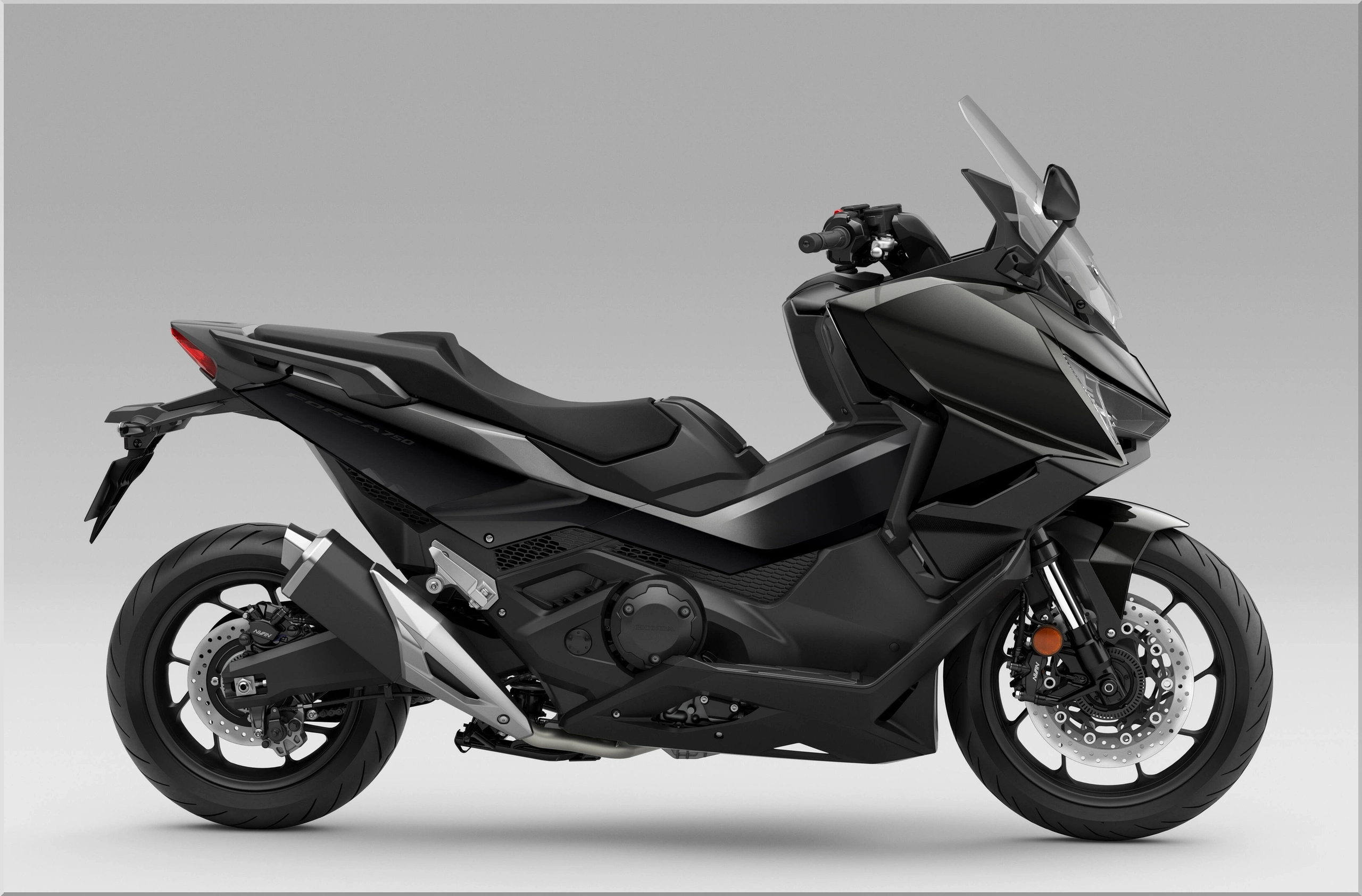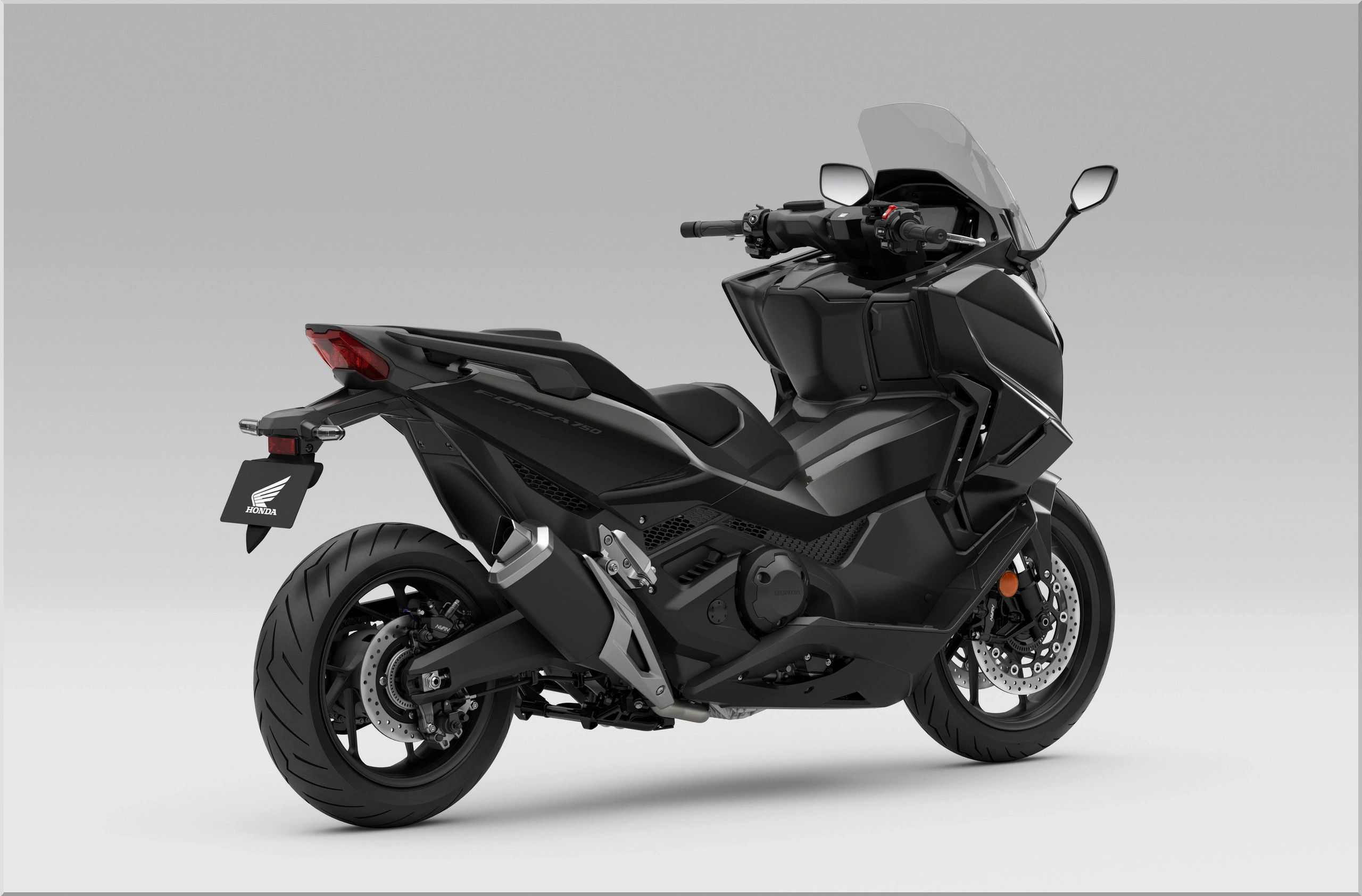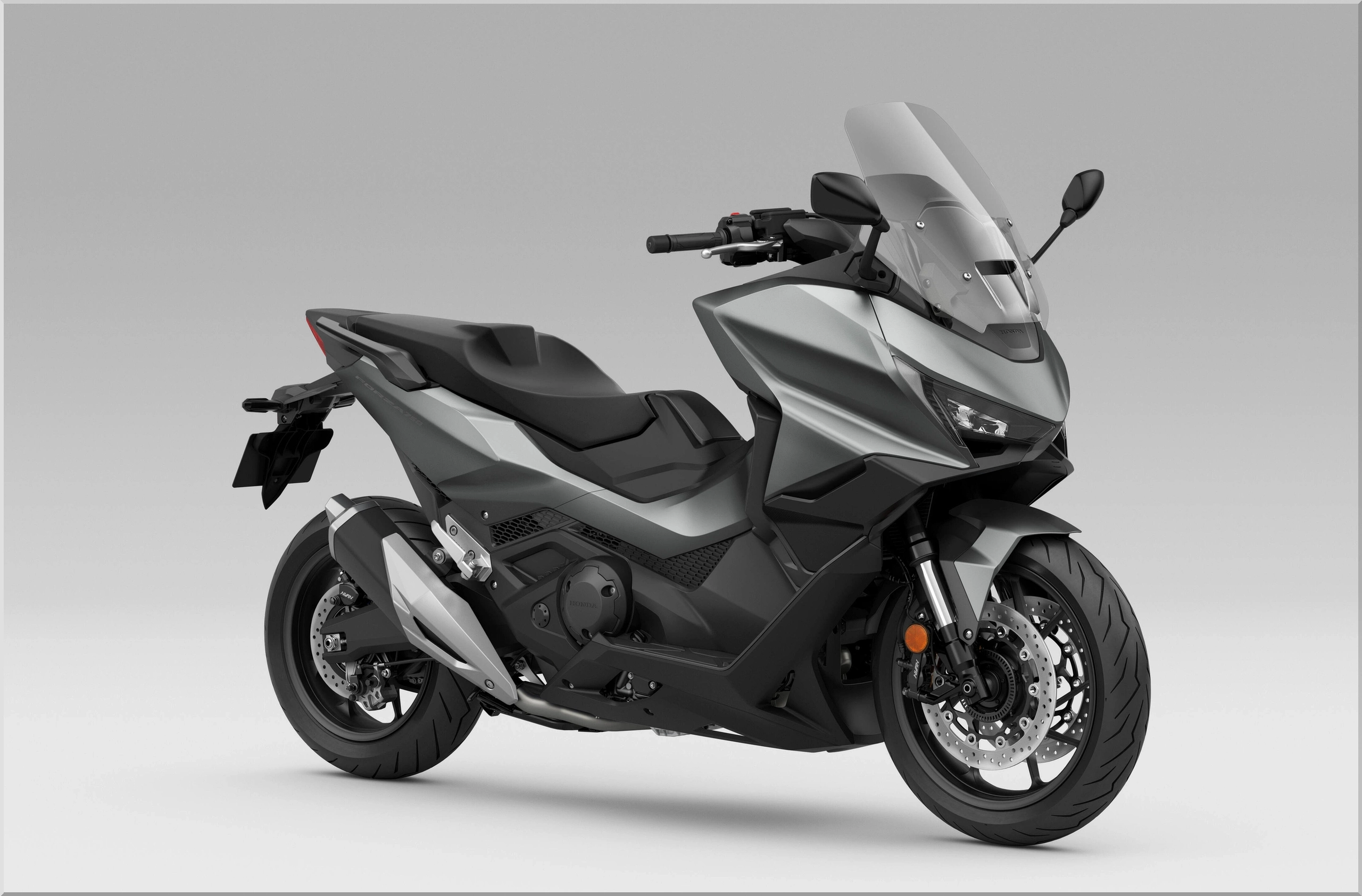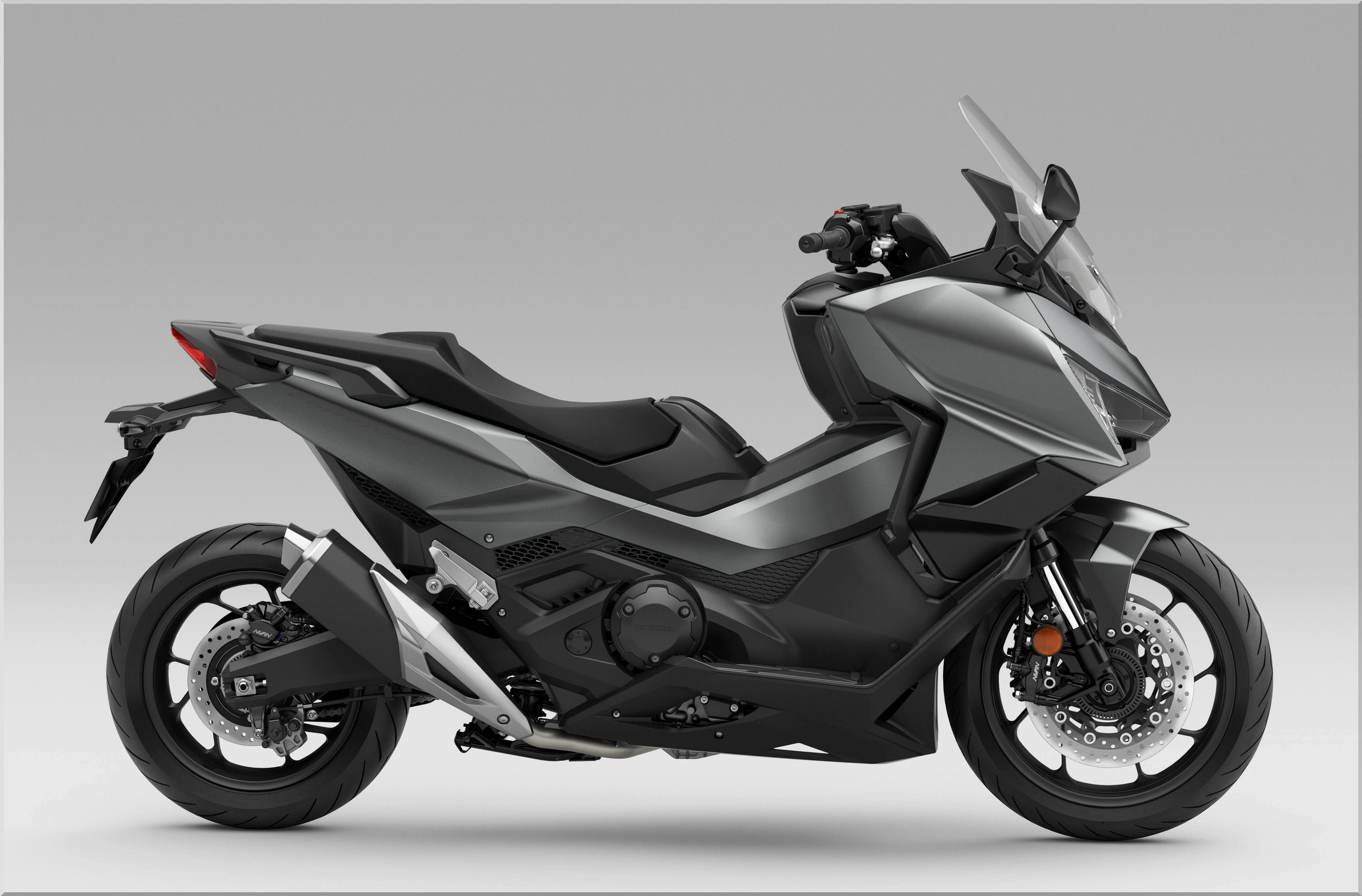
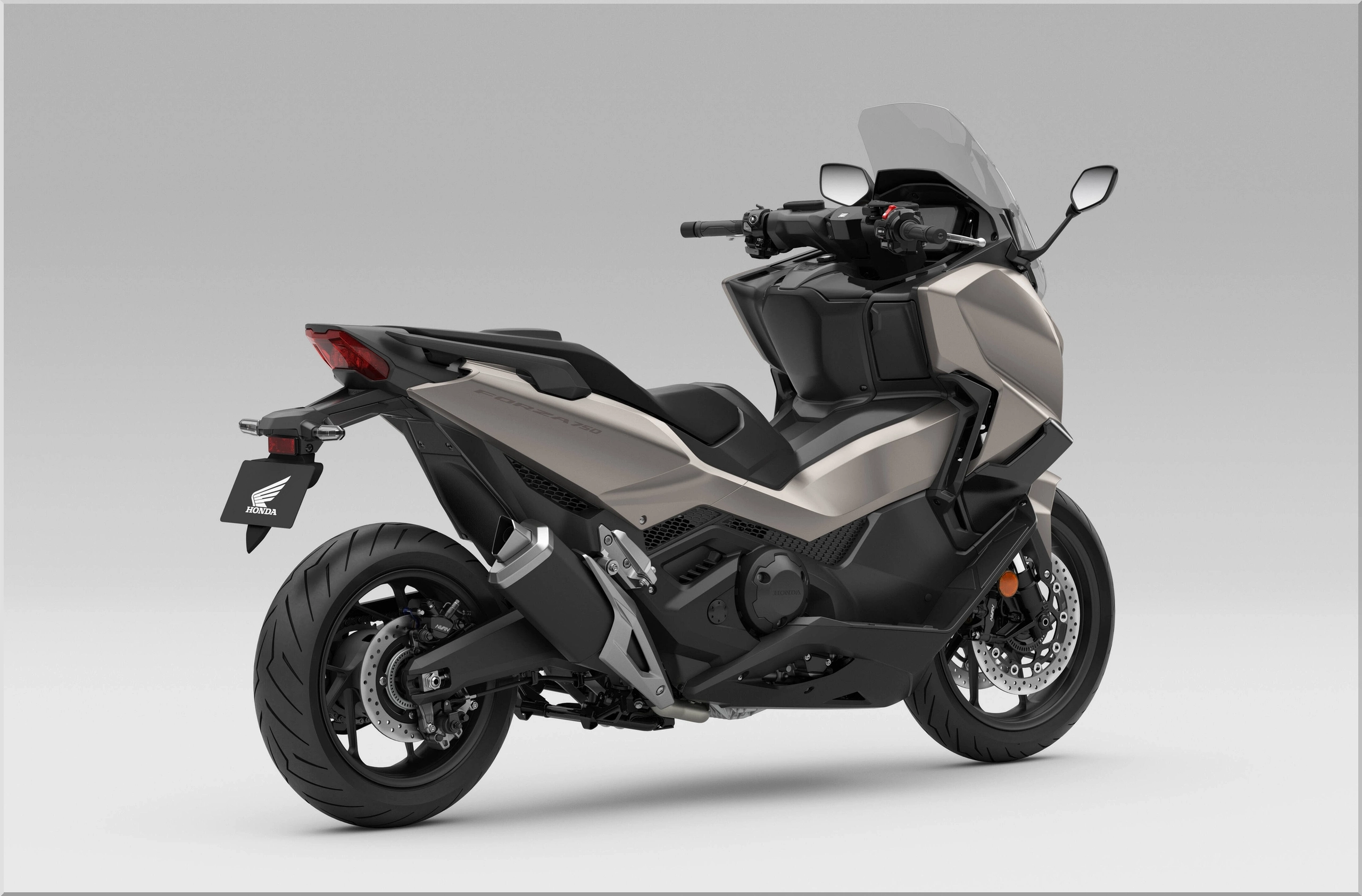
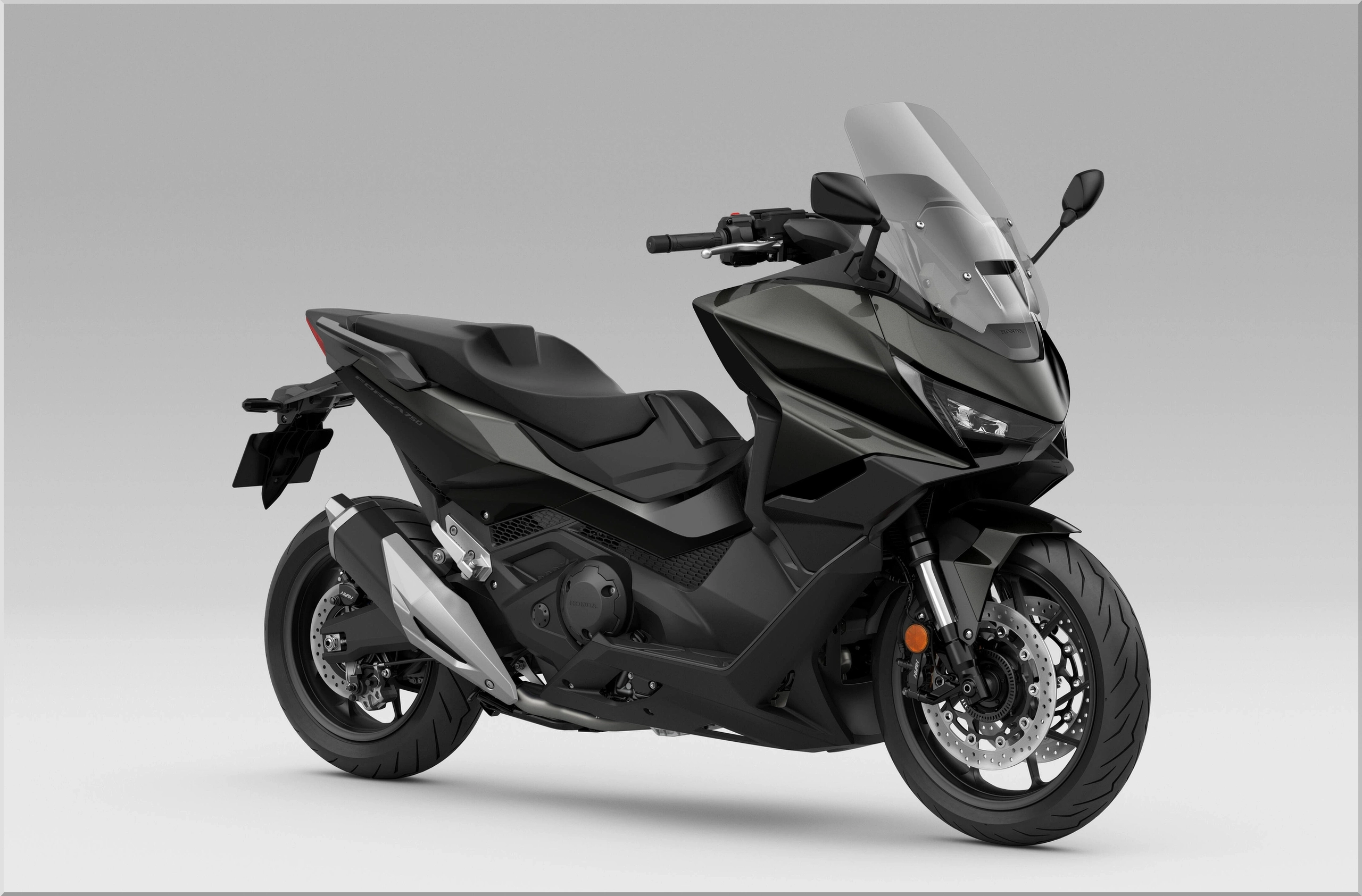
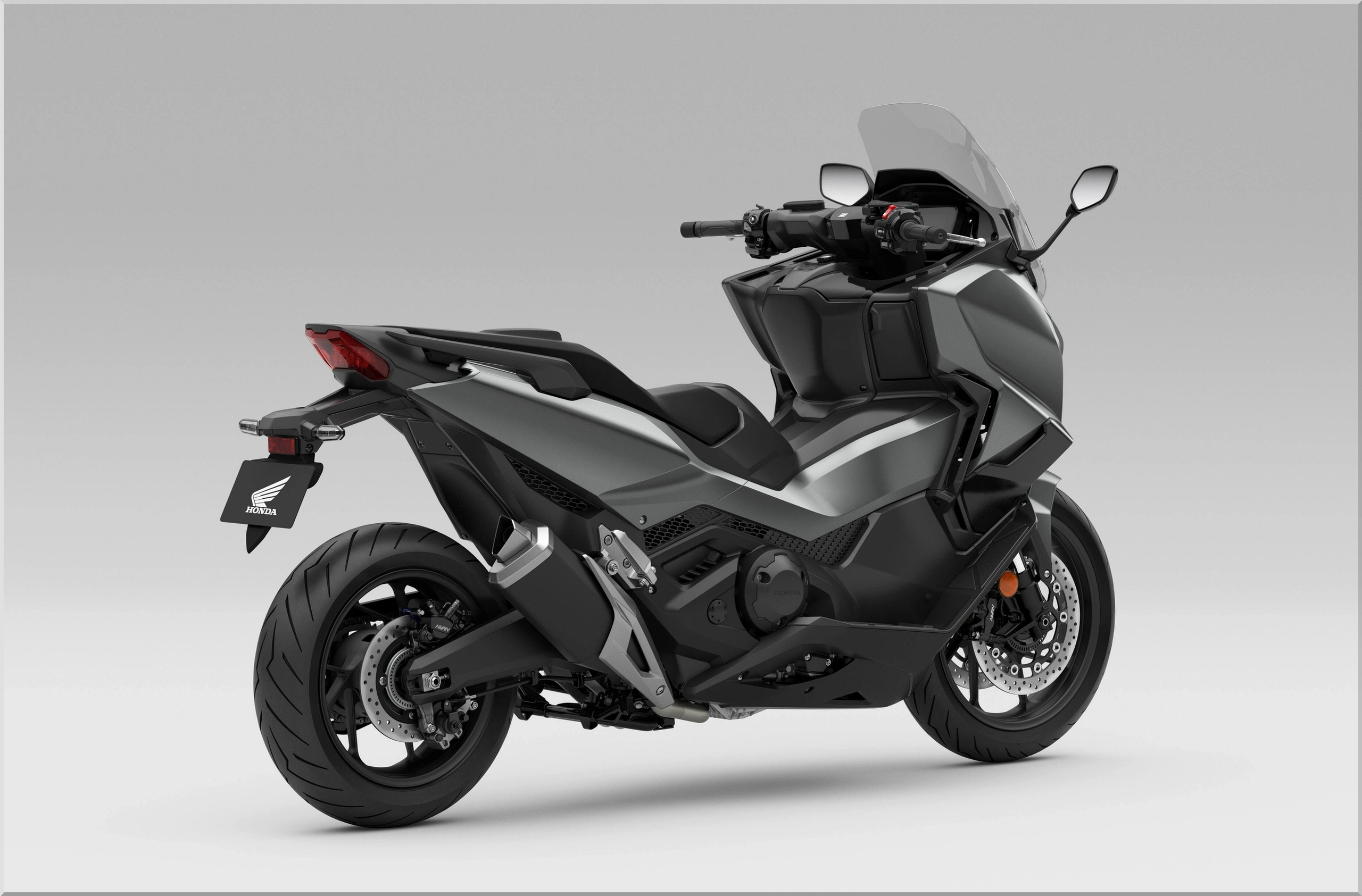
The 2027 Honda Forza 750 arrives in European showrooms this summer carrying over its proven mechanical package while introducing two sophisticated new matte color options. Honda's flagship maxi-scooter targets riders who demand the weather protection and storage of a scooter combined with the dynamic chassis performance of a middleweight motorcycle. The 2027 model year brings no changes to the engine, dual-clutch transmission, or suspension, yet the fresh Mat Techno Silver Metallic and Mat Gunpowder Black Metallic finishes sharpen the scooter's visual presence and align it with Honda's premium design language. Every technical element on the Forza 750-from its 745cc parallel-twin powerplant to its six-speed DCT gearbox-continues to demonstrate engineering focused on real-world versatility, not just on-spec bragging rights.
Design and Color Updates: Subtle New Hues, Same Aerodynamic Shell
Honda's styling team added two carefully curated colors to the 2027 Honda Forza 750 palette, both using a deep matte clear coat that cuts glare and underscores the scooter's sculpted bodywork. Mat Techno Silver Metallic blends cool silver with a faint blue undertone, shifting in natural light. Mat Gunpowder Black Metallic introduces a dark charcoal base that reveals metallic flake only upon close inspection. These join the existing Pearl Glare White, Graphite Black, and Candy Chromosphere Red variants, giving buyers five distinct options. The body panels themselves remain unchanged, retaining the sharp creases, integrated LED lighting signature, and electrically adjustable windscreen that provide a 145 mm range of height adjustment with a single hand.
| 2027 Honda Forza 750 Color Options | Finish Description |
|---|---|
| Mat Techno Silver Metallic (new) | Matte silver with cool blue undertone, metallic flake visible in sunlight |
| Mat Gunpowder Black Metallic (new) | Dark charcoal matte, subtle metallic sparkle under direct light |
| Pearl Glare White | Bright gloss white with pearlescent effect |
| Graphite Black | Deep gloss black with no metallic particles |
| Candy Chromosphere Red | Vibrant red candy coat over a metallic base |
The scooter's overall dimensions remain 2,200 mm long, 790 mm wide, and 1,485 mm tall, with a wheelbase of 1,580 mm. By comparison, that wheelbase stretches 49 mm longer than the Honda X-ADV on which the Forza 750 is based, promoting greater straight-line stability at highway speeds without sacrificing the quick steering response that city commuters value. From an expert perspective, the long wheelbase also improves weight distribution under hard braking by resisting rear-wheel lift, a critical factor when the 235 kg wet mass shifts forward.
Engine and Performance: The Proven 745cc Parallel-Twin And Six-Speed DCT
Beneath the bodywork sits the liquid-cooled 745cc parallel-twin engine that has powered the Forza 750 since its inception. The oversquare architecture (bore 77 mm x stroke 80 mm) generates 58.6 horsepower (43.1 kW) at 6,750 rpm and 69 Nm of torque at 4,750 rpm, with over 80% of peak twist available from just 2,500 rpm. That low-end grunt results from carefully mapped fuel injection working through 36 mm throttle bodies, combined with a twin-counterbalancer system that tames the 270-degree crank's inherent vibration. Active voice describes the process: the engine's four-valve SOHC cylinder heads breathe efficiently because Honda employed a downdraft intake tract and optimized valve timing, not because of any exotic materials.
Honda mates this engine exclusively to a second-generation Dual Clutch Transmission (DCT) with six forward ratios and a chain final drive. Unlike a conventional CVT scooter, the DCT uses two electronically controlled clutches-one handling odd gears, the other even gears-to pre-select the next ratio. Consequently, shifts occur in milliseconds without interrupting torque delivery to the 160/60-15 rear tire. Riders choose between fully automatic shifts and manual paddle shifting via triggers on the left handlebar. A dedicated parking lock sprag secures the transmission when the engine is off, preventing the scooter from rolling on inclines.
Fuel consumption, measured under the WMTC cycle, lands at 3.6 L/100 km (65.3 mpg US), which yields a theoretical range of approximately 366 km from the 13.2-litre fuel tank. Carbon dioxide emissions sit at 83 g/km, placing the Forza 750 firmly within Euro 5+ compliance.
| Key Technical Specifications | Detail |
|---|---|
| Engine type | Liquid-cooled, 4-stroke, 8-valve, SOHC parallel-twin |
| Displacement | 745 cc |
| Bore x Stroke | 77 mm x 80 mm |
| Compression ratio | 10.7:1 |
| Max power | 43.1 kW (58.6 hp) @ 6,750 rpm |
| Max torque | 69 Nm @ 4,750 rpm |
| Clutch | Wet multiplate, dual-clutch automatic |
| Transmission | 6-speed DCT with manual mode |
| Final drive | Chain |
| Front suspension | 41 mm USD fork, 120 mm travel |
| Rear suspension | Pro-Link monoshock, preload adjustable, 120 mm travel |
| Front brake | Dual 310 mm discs, 4-piston radial calipers, ABS |
| Rear brake | Single 240 mm disc, single-piston caliper, ABS |
| Front tire | 120/70-17 |
| Rear tire | 160/60-15 |
| Wheelbase | 1,580 mm |
| Seat height | 790 mm |
| Ground clearance | 135 mm |
| Kerb weight | 235 kg |
| Fuel capacity | 13.2 L |
| WMTC fuel consumption | 3.6 L/100 km (65.3 mpg) |
| CO2 emissions | 83 g/km |
Chassis and Handling: Stability Meets Commuter Agility
The Forza 750 employs a tubular steel diamond frame that routes the engine as a stressed member, boosting torsional rigidity while keeping the architecture compact. A 41 mm upside-down fork soaks up 120 mm of travel at the front, while the Pro-Link rear monoshock provides the same 120 mm of wheel travel and allows preload adjustment via a remote knob. This suspension calibration prioritizes compliance over sporty sharpness, absorbing broken pavement and expansion joints without bottoming.
Braking hardware delivers serious stopping force. Twin 310 mm floating front discs get squeezed by radial-mount four-piston calipers, the same setup found on many mid-capacity sport bikes. A single 240 mm rear disc with a single-piston caliper handles rear-line deceleration. Honda Selectable Torque Control (HSTC) monitors wheel-speed differentials and retards ignition timing when rear slip exceeds a programmed threshold, operating on three levels or off entirely. Two-channel ABS intervenes progressively, never pulsing harshly through the lever.
Technology and Rider Aids: TFT Display, Connectivity, and Storage
A 5-inch full-color TFT screen presents speed, gear position, riding mode, HSTC setting, fuel range, and turn-by-turn navigation when paired with a smartphone via Honda RoadSync. Voice control through a helmet-mounted headset lets riders manage calls, messages, music, and navigation without releasing the grips. The left switchgear includes a dedicated four-way toggle for menu navigation, and the screen's background automatically switches between white and black depending on ambient light.
Four standard riding modes-Standard, Sport, Rain, and User-reconfigure power delivery, engine braking, DCT shift schedules, and HSTC intervention. User mode stores a custom combination, allowing an experienced rider to dial in maximum engine braking and minimum traction control for twisty backroads while retaining full power. Moving from Rain to Sport increases throttle sensitivity and holds lower gears longer, transforming the scooter's character without needing to stop and fiddle.
A smart key system handles ignition and the locking 22-litre underseat compartment, which swallows a full-face helmet with room to spare. A USB-C socket in the front storage pocket charges devices on the go. The standard electronically adjustable screen raises and lowers across a 145 mm span at the push of a button, reducing helmet buffeting at extra-legal speeds or maximizing airflow on hot city streets.