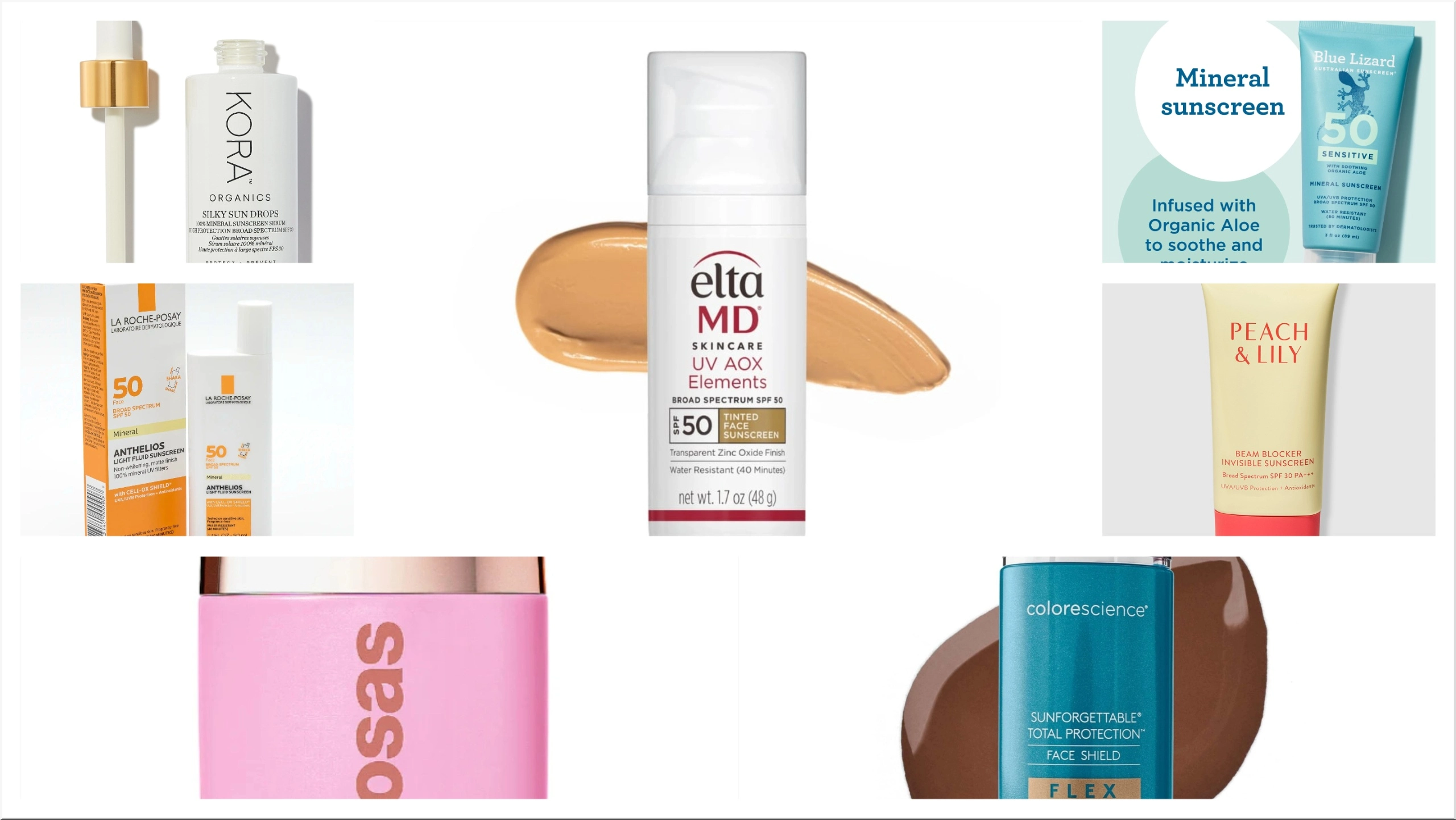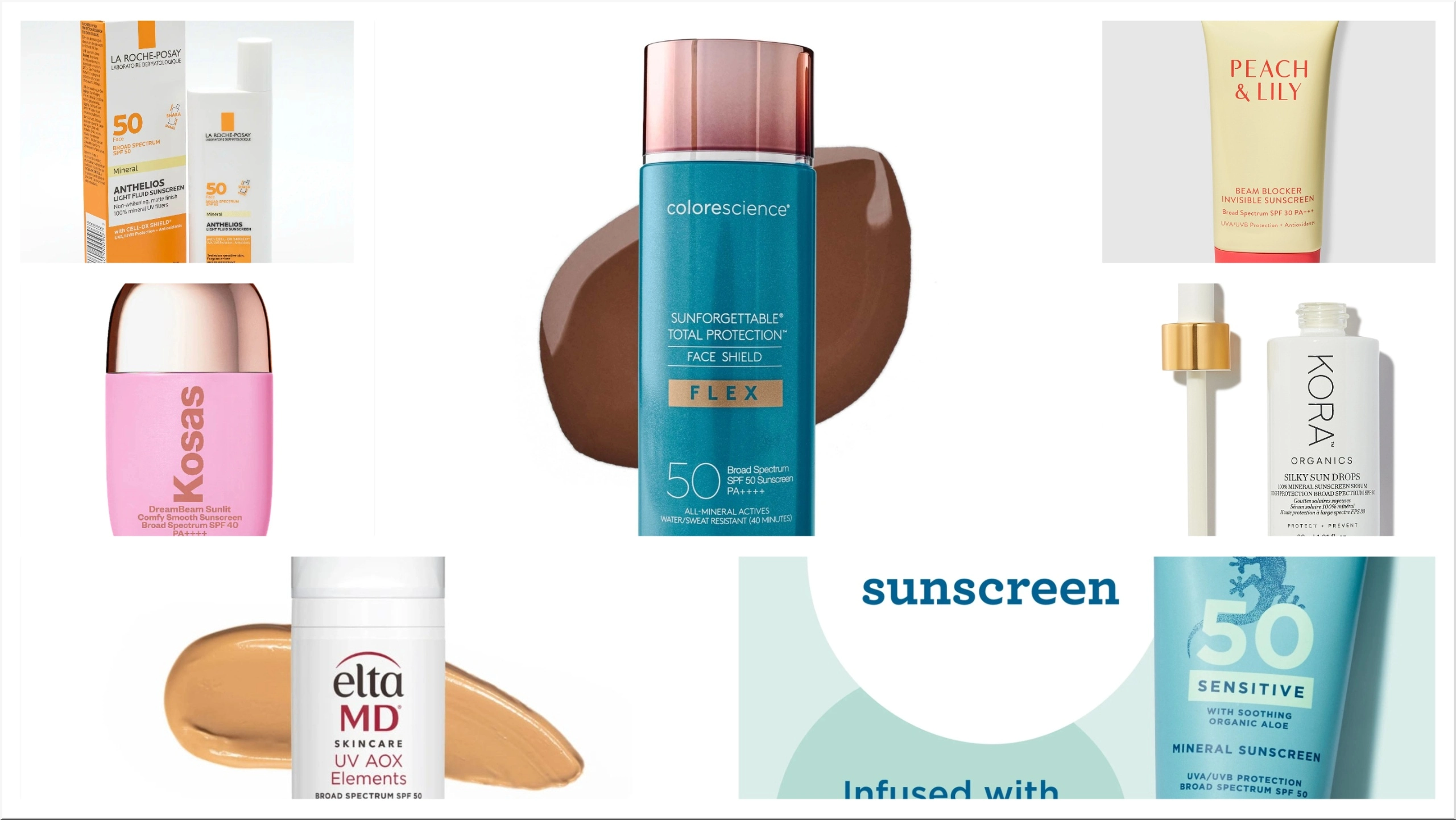
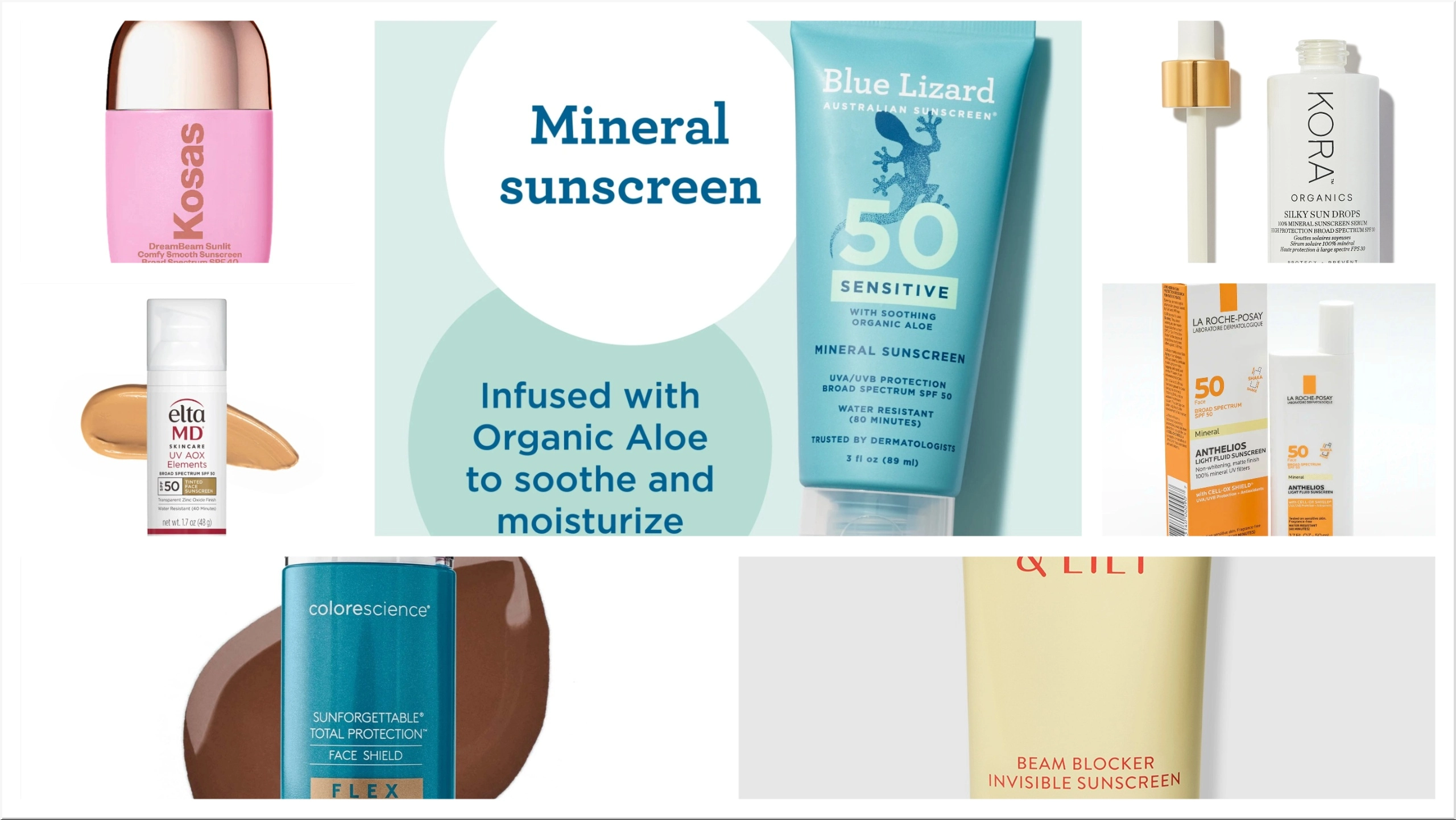
The phrase nontoxic sunscreen pulls a lot of clicks because it sounds clean, simple, and decisive. The label itself tells only part of the story. In the U.S., that phrase has no formal regulatory definition, so smart buyers still need to read the active filters, the broad-spectrum SPF level, the water-resistance claim, and the base formula that sits on the skin all day.
From an expert perspective, the best way to shop this category is to treat nontoxic sunscreen as a shorthand for lower-irritation, ingredient-conscious formulas that often lean on zinc oxide, titanium dioxide, or both. That does not mean every chemical sunscreen is dangerous, and it does not mean every mineral sunscreen is elegant. It means the winning products pair solid UV protection with textures people will actually use at the right dose.
Definition: What 'nontoxic sunscreen' usually means
In beauty retail, nontoxic sunscreen usually points to formulas that skip filters some shoppers avoid, such as oxybenzone, homosalate, or octinoxate, and often skip fragrance, parabens, or other common irritants. Specifically, the term overlaps heavily with mineral sunscreen, since dermatologists often steer reactive or post-procedure skin toward zinc oxide and titanium dioxide.
That said, the label alone should never drive the purchase. The non-negotiables still sit on the front of the box:
- Broad-spectrum SPF 30 or higher
- Water-resistant sunscreen if you sweat, swim, walk long distances, or sit outside
- A formula that matches your skin type and finish preference
- A texture you will reapply every two hours outdoors
The shortlist that actually earns a spot on your shelf
Looking at the data, the strongest products in this lane do not win because they sound pure. They win because they solve a use case. Some cover large surface area at a low cost per ounce. Others add iron oxides, ceramides, antioxidants, or a tinted finish that makes a mineral formula far easier to wear on deeper skin tones.
Best dermatologist-trusted nontoxic sunscreens at a glance
| Product | Active filters | SPF | Size | Water resistance | Finish | Current retail |
|---|---|---|---|---|---|---|
| Blue Lizard Sensitive Mineral Lotion | Zinc oxide 10% + titanium dioxide 8% | 50 | 3.0 oz / 89 mL | 80 min | Classic lotion, low sheen | $14.99 |
| Colorescience Sunforgettable Face Shield Flex | Zinc oxide 12% | 50 | 1.8 fl oz / 55 mL | 40 min | Demi-matte, tone-adapting tint | $58 |
| EltaMD UV AOX Elements | Zinc oxide 13.5% + titanium dioxide 4.4% | 50 | 1.7 oz / 48 g | 40 min | Hydrating tinted lotion | $46 |
| La Roche-Posay Anthelios Mineral Zinc Oxide | Titanium dioxide 6% + zinc oxide 5% | 50 | Face format | 40 min | Fast-absorbing matte | $42.99 |
| Kosas DreamBeam | Zinc oxide 21.7% | 40 | 1.3 fl oz / 40 mL | 80 min | Radiant makeup base | $40 |
| Kora Organics Silky Sun Drops | Non-nano zinc oxide blend | 30 | 1.01 fl oz / 30 mL | No strong sport claim | Serum-dewy | $58 |
| Peach & Lily Sun Cover Mineral Sunscreen | Zinc oxide 15.98% | 30 | 50 mL / 1.69 fl oz | Daily-wear focus | Satin-soft tint | $34 |
The best nontoxic sunscreens, one by one
Blue Lizard Sensitive Mineral Lotion is the best overall pick
Blue Lizard wins on the plain stuff that matters. It pairs SPF 50 with an 80-minute water-resistance claim, uses zinc oxide plus titanium dioxide, skips fragrance, and lands at a price that does not punish generous use. That last point matters because the best sunscreen on paper fails the instant you under-apply it.
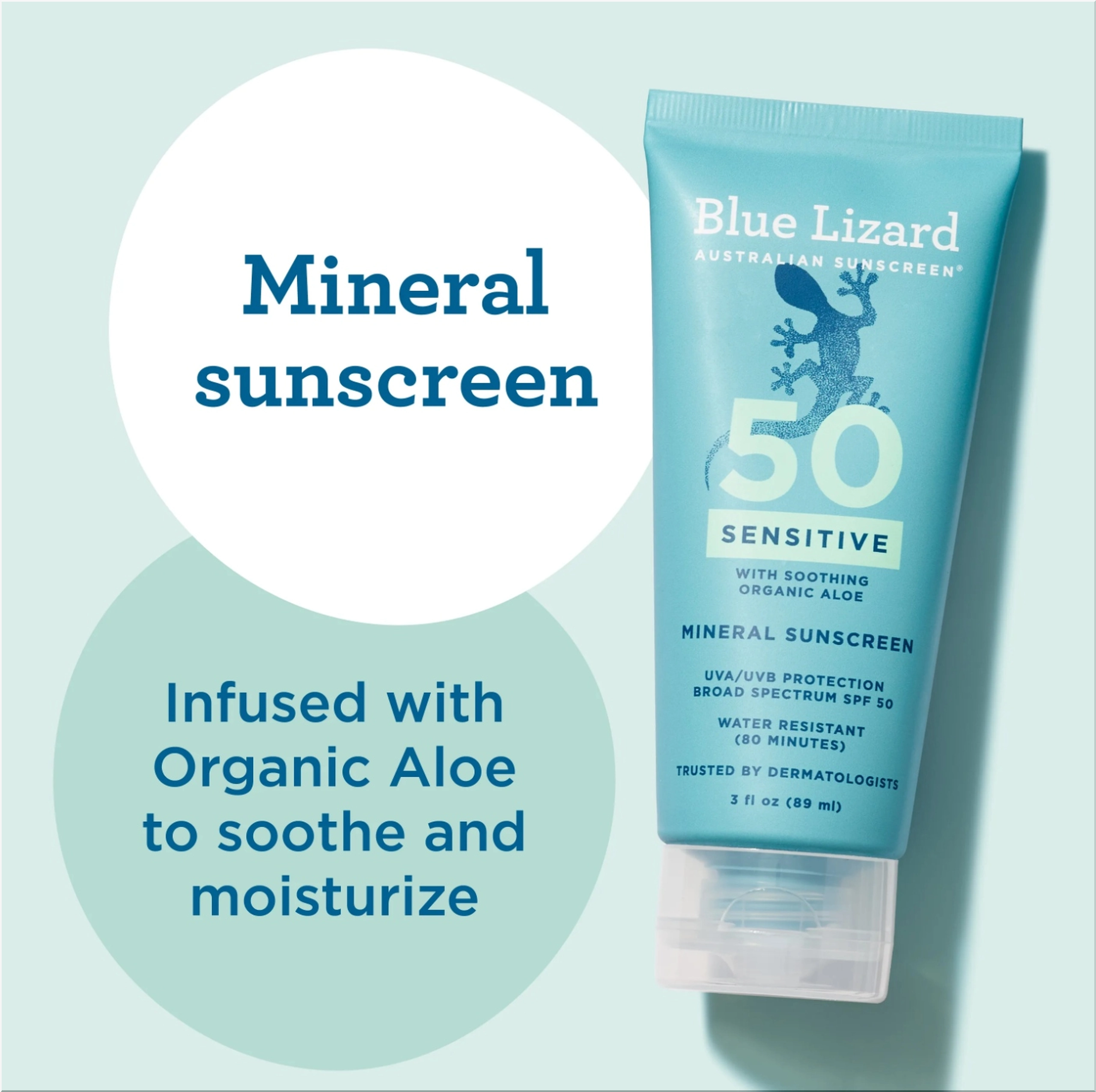
By comparison, many face-first mineral formulas feel prettier but cost more per ounce and run out fast. Blue Lizard gives you a bigger usage window for beach days, sports, long walks, and any situation where you need to cover ears, neck, shoulders, arms, and hands without acting like every pump came out of a trust fund.
Colorescience Face Shield Flex is the best tinted mineral formula
A lot of mineral sunscreens lose the room the moment they flash white. Colorescience solves that problem with tone-adapting pigments and a demi-matte finish that reads polished rather than chalky. That matters for users who want a tinted sunscreen that can replace light complexion product on rushed mornings.
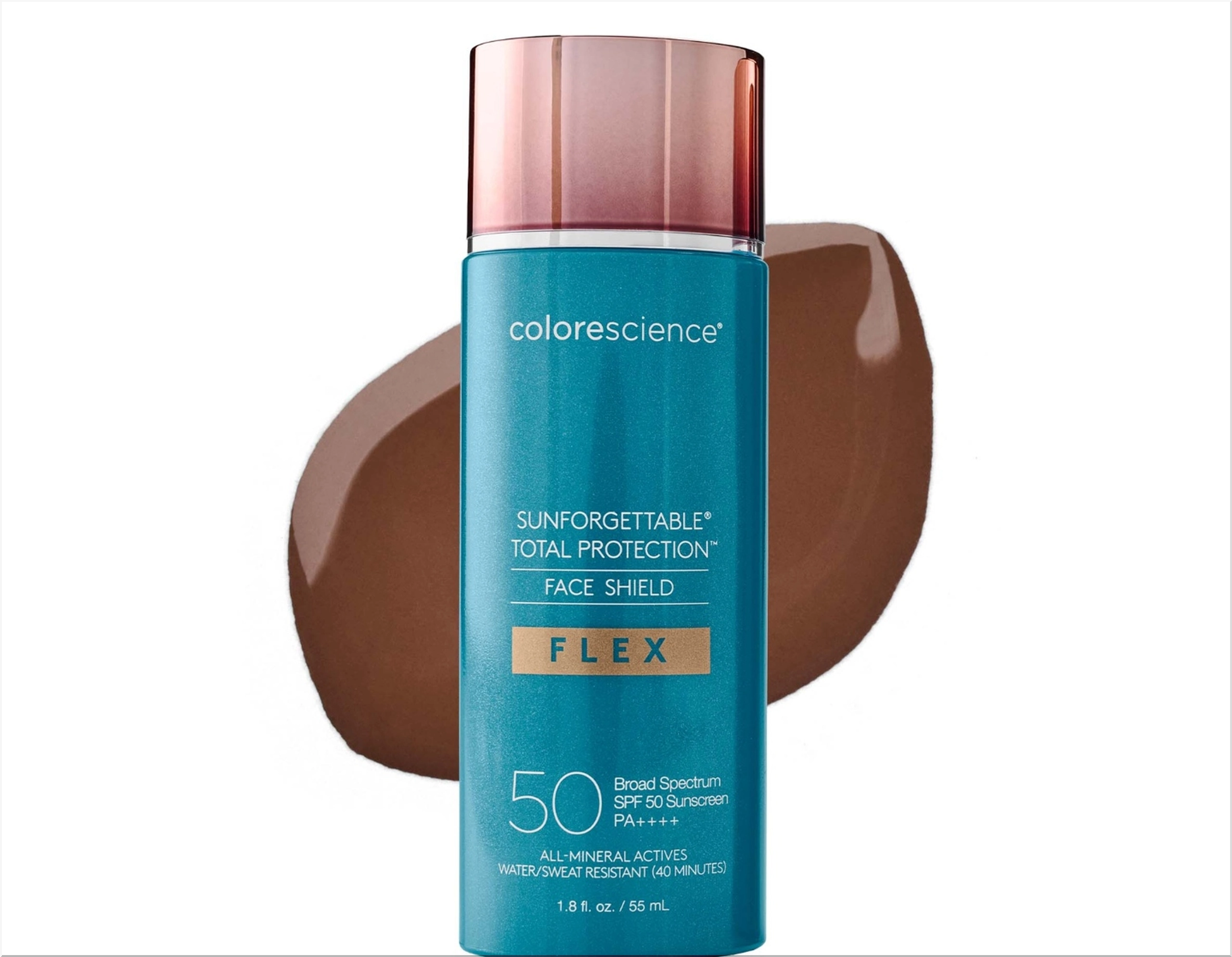
In addition, tint does more than improve wearability. Iron oxides can add visible-light defense, which makes tinted formulas useful for people managing dark spots and post-inflammatory hyperpigmentation. This one also keeps a 40-minute water-resistance claim, so it does not collapse the second the day gets warm.
EltaMD UV AOX Elements is the best pick for dry, reactive, or post-procedure skin
EltaMD built this formula like a crossover between mineral sunscreen and barrier-support skincare. The active system uses zinc oxide 13.5% plus titanium dioxide 4.4%, while the base adds antioxidants and hyaluronic acid. That combination makes sense for skin that flares from stingy alcohol-heavy sunscreens yet still wants a smoother, more hydrated finish.
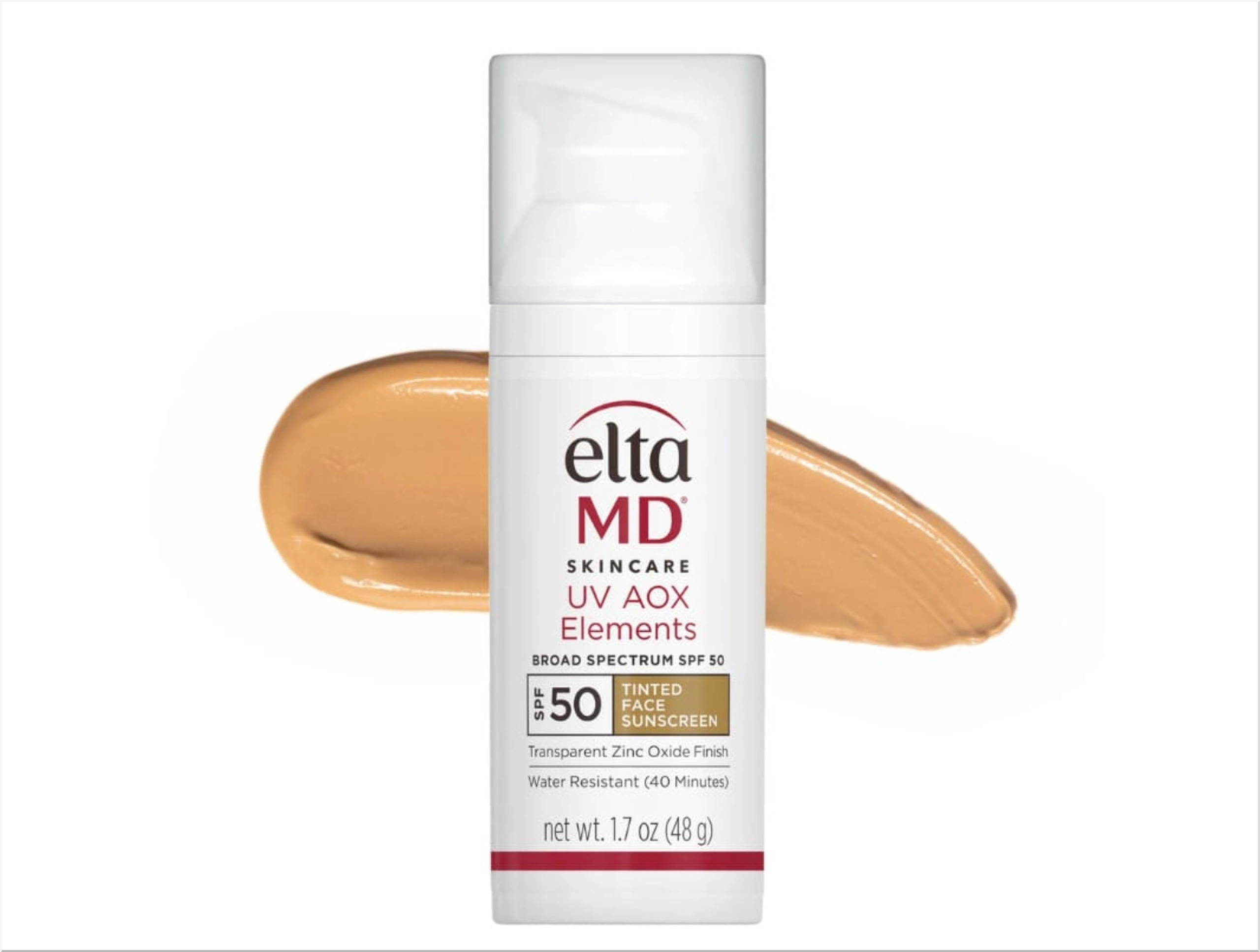
Specifically, UV AOX Elements makes a strong call for users who hate the dry drag that many mineral formulas leave behind. It gives you tint, SPF 50, and 40-minute water resistance in a face-only format that feels more refined than a body lotion, but less precious than a glowy serum.
La Roche-Posay Anthelios Mineral Zinc Oxide is the best matte option
Some mineral sunscreens look good for ten minutes and then start to drift. La Roche-Posay goes in the opposite direction. Its Anthelios mineral face sunscreen pushes a fast-absorbing matte finish with SPF 50, 40-minute water resistance, and a filter system built for sensitive skin.
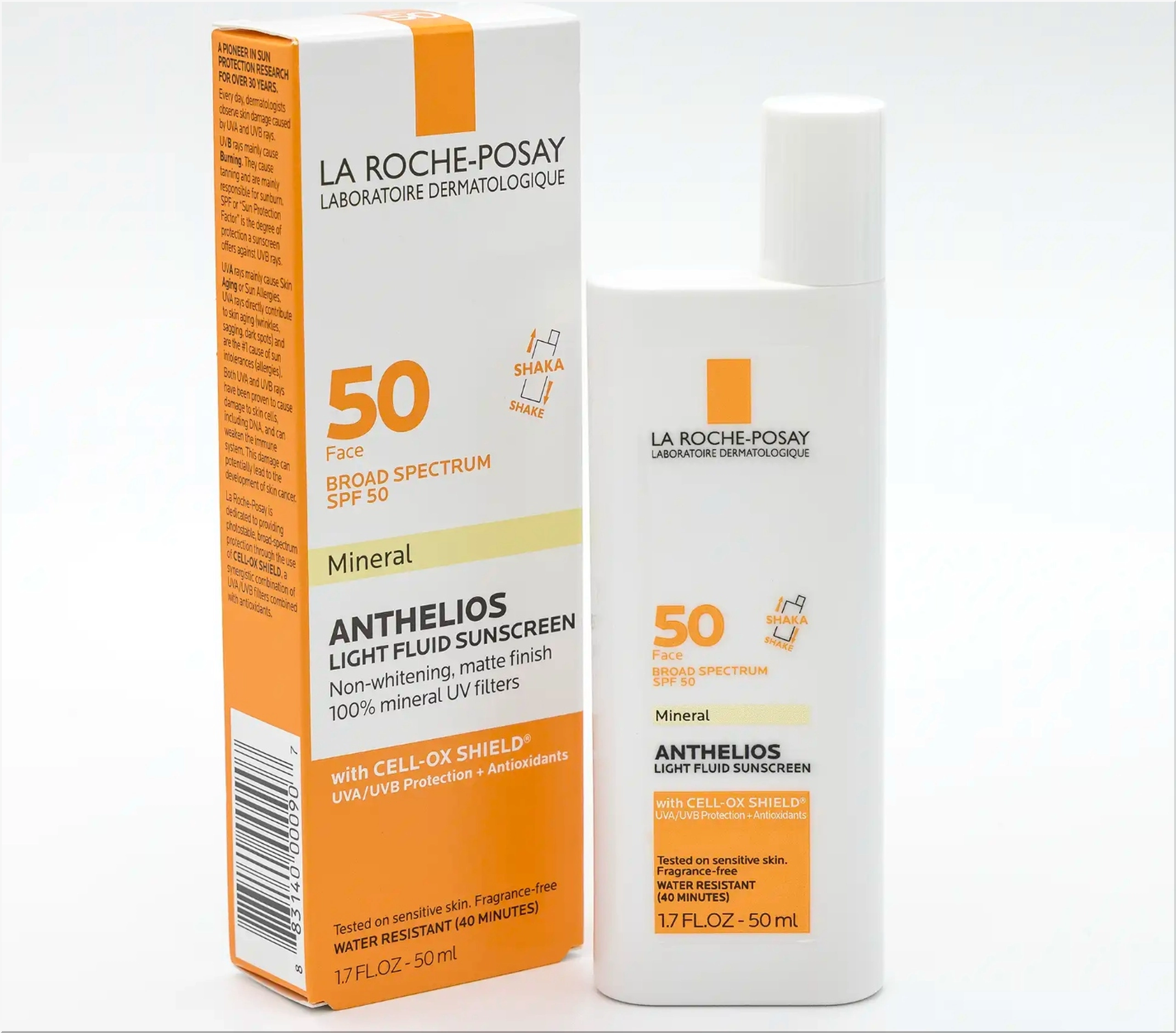
That texture logic matters. Oily and combination skin usually does not need more shine, more slip, or more emollient weight at 2 p.m. It needs a sunscreen that dries down, stays put, and avoids turning your forehead into a reflective surface visible from low orbit.
Kosas DreamBeam is the best glow-first sunscreen for makeup wearers
Kosas DreamBeam does not try to act like beach armor. It targets the daily-wear crowd that wants SPF 40, a radiant finish, and a smoother base under makeup. The formula uses 21.7% non-nano zinc oxide, plus ceramides and peptides, which explains why it feels closer to priming skincare than to old-school white paste.
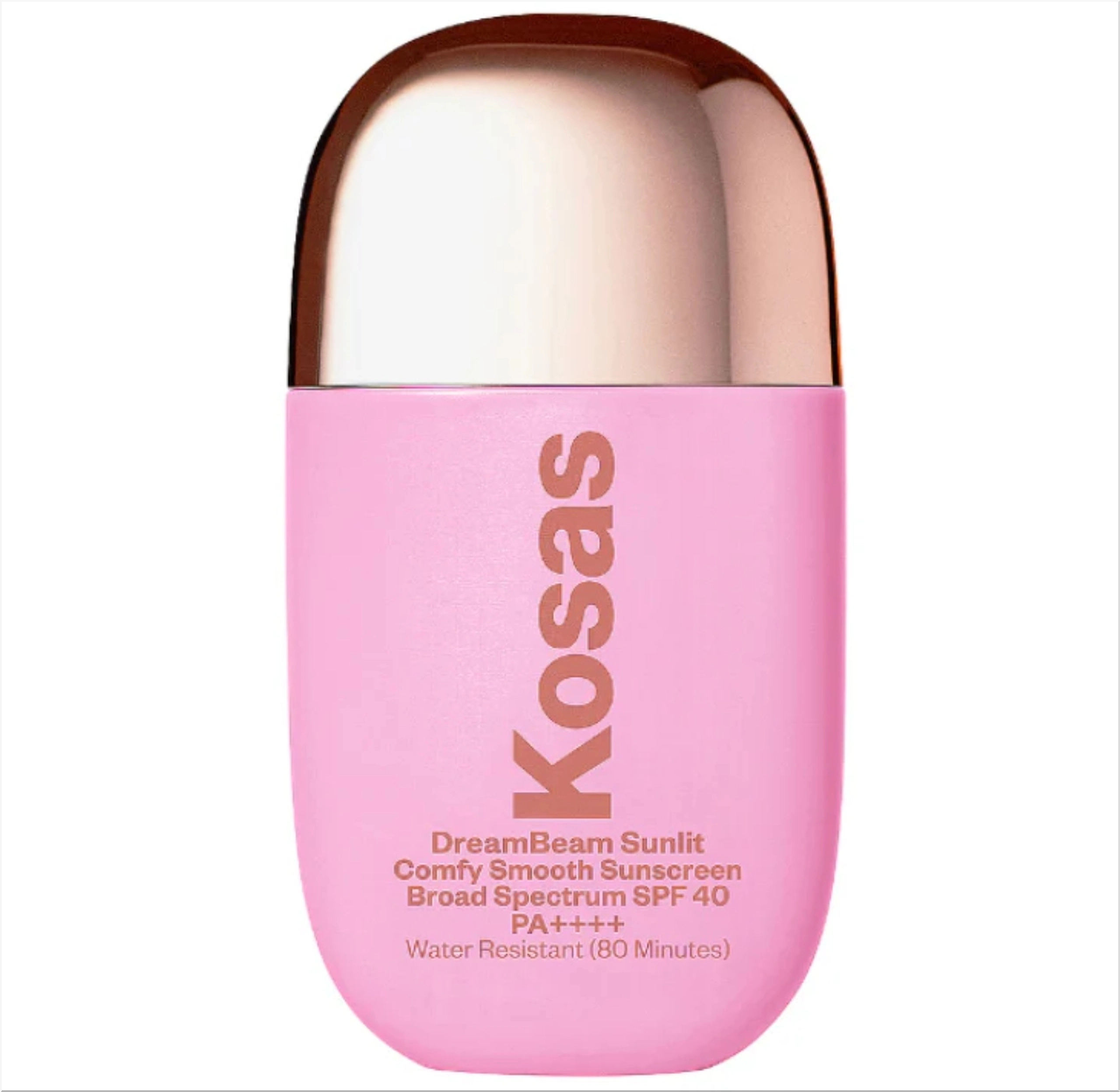
Consequently, this is the pick for people who skip sunscreen because most formulas pill under foundation or flatten the skin. DreamBeam keeps an 80-minute water-resistance claim, which gives it more range than many glow-focused formulas, but its real strength sits in wearability and finish.
Kora Organics Silky Sun Drops is the best serum-texture choice
Kora's Silky Sun Drops targets users who want the lightest possible hand feel from a mineral sunscreen. The formula leans into a serum profile, certified organic positioning, and antioxidant-heavy botanicals. That makes it easy to slot into a morning routine where heavy layers already compete for space.
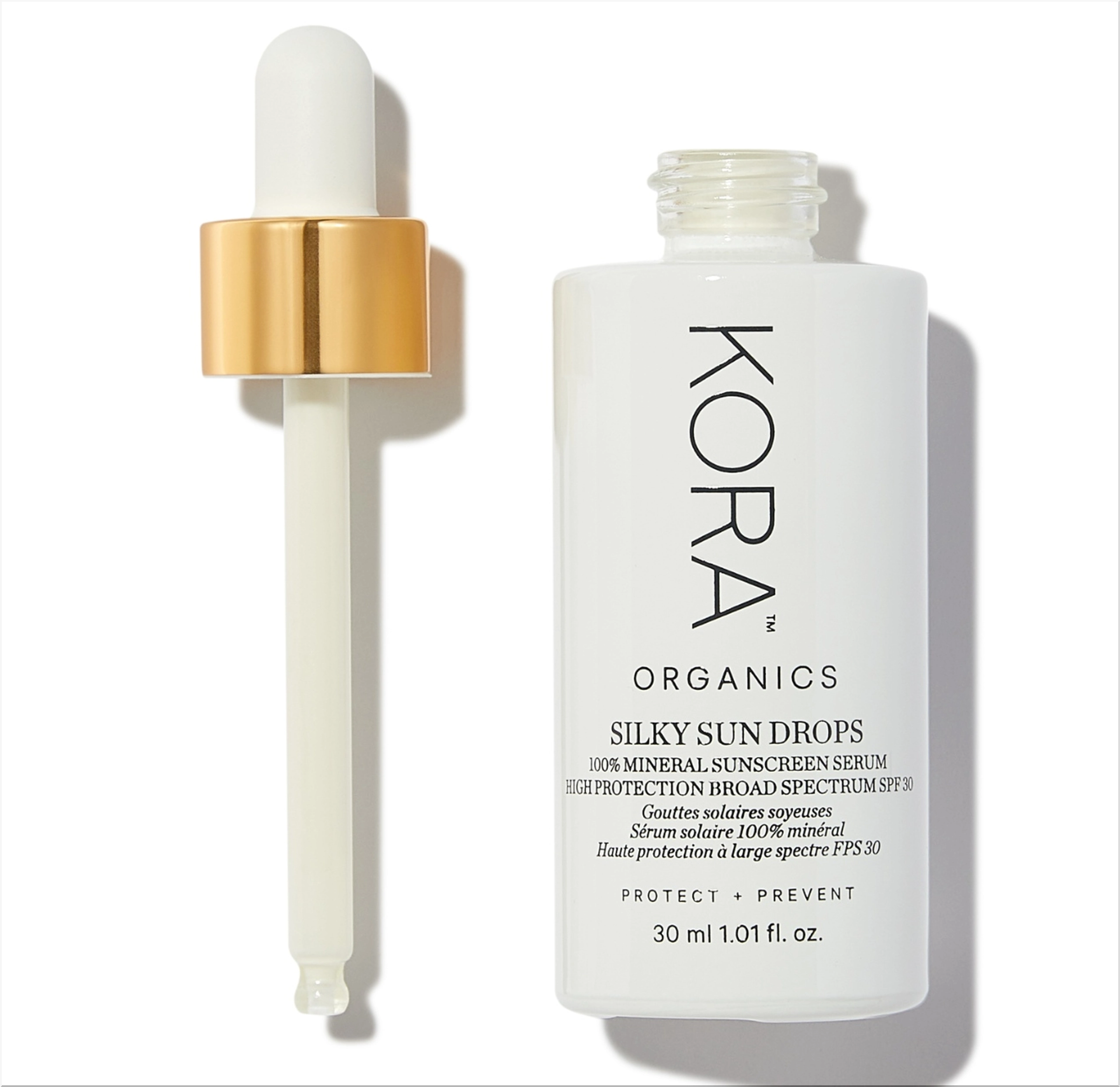
The tradeoff sits in use case. This is not the formula I would grab for a humid all-day sports event. I would use it for city days, commuting, patio lunches, and indoor-outdoor schedules where elegance matters and heavy sweating does not drive the plan.
Peach & Lily Sun Cover Mineral Sunscreen is the best value daily face pick
Peach & Lily threads a narrow needle well. It uses 15.98% zinc oxide, adds a satin-soft tint, stays non-comedogenic, and keeps the price far below several prestige competitors. That pricing logic matters because face sunscreen only works when it becomes a daily habit, not a special-occasion purchase.
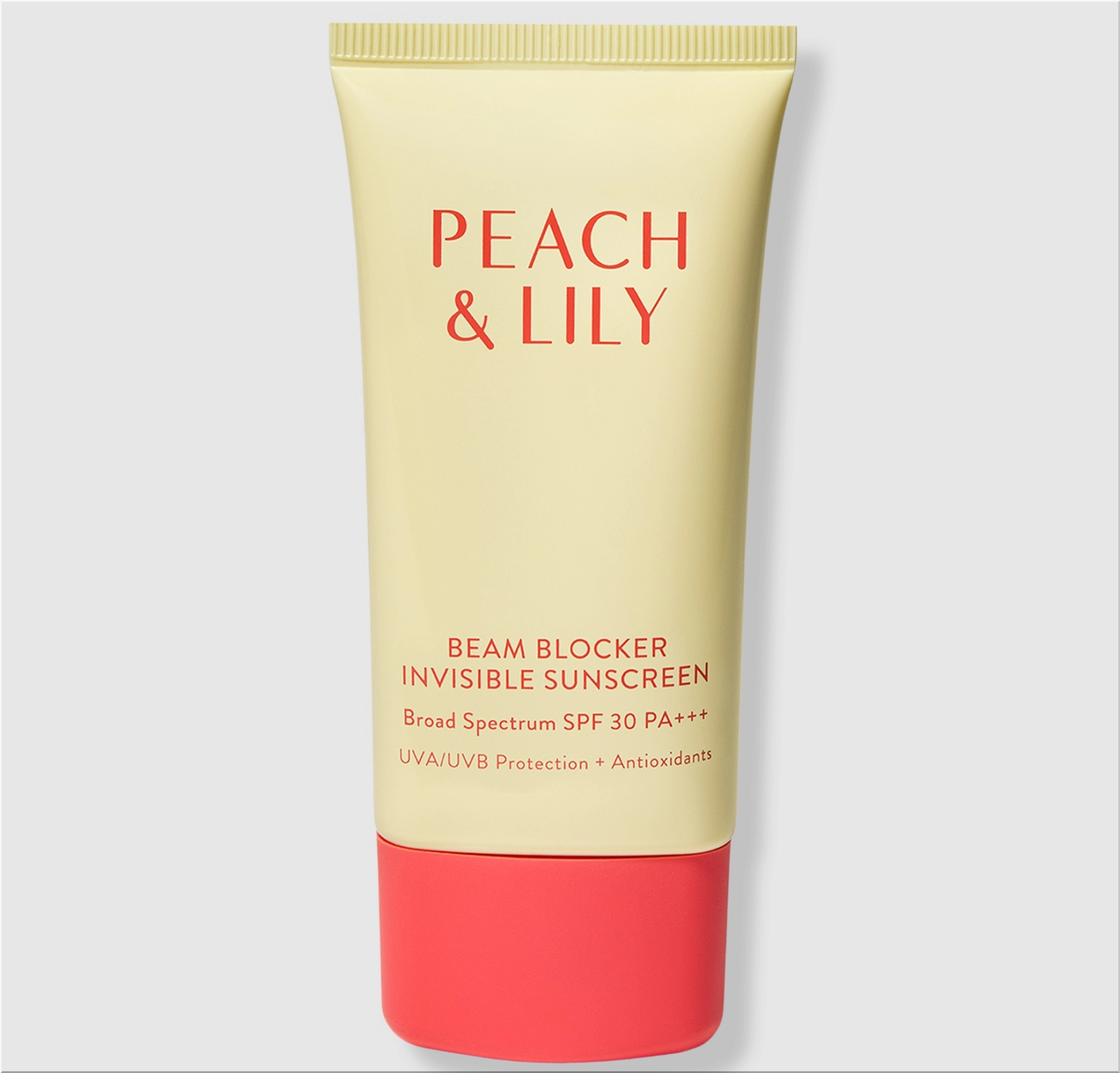
Looking at the data, this one also brings a stronger support cast than many mineral formulas in its price band. Ceramides, squalane, niacinamide, aloe, and antioxidant ingredients help the formula feel less dry and more forgiving. For many buyers, that is the sweet spot between elegance and cost control.
Pro-Tip: Most people ruin good sunscreen with the dose, not the formula
A premium bottle does not rescue weak application. Dermatologists tell adults to use about 1 ounce / 29.6 mL for exposed body skin and about 1 teaspoon / 4.9 mL for the face. That is a lot more product than most people use, which explains why lightweight, lower-friction textures often outperform theoretically stronger formulas in daily life.
Apply it 15 minutes before sun exposure. Reapply every 2 hours outdoors, and reapply right after swimming, sweating hard, or towel drying.
How to choose the right nontoxic sunscreen for your skin
The smartest path starts with the job description. If your sunscreen has to survive sweat, choose the bottle with the better water-resistance claim. If your issue is melasma or dark marks, pick a tinted sunscreen with iron oxides. If your skin stings from half your cabinet, cut fragrance and chase simple mineral filters.
Match the formula to the problem
| Your priority | What to look for | Best fit | Why it works |
|---|---|---|---|
| Sensitive or reactive skin | Zinc oxide, low-irritation base, no added fragrance | Blue Lizard, EltaMD, La Roche-Posay | Mineral filters tend to sting less on compromised skin |
| Hyperpigmentation or melasma-prone skin | Tinted sunscreen with iron oxides | Colorescience, Peach & Lily, EltaMD | Tint improves wearability and visible-light coverage |
| Oily skin | Matte or demi-matte finish | La Roche-Posay, Colorescience | Lower slip helps reduce mid-day shine |
| Dry skin | Humectants, barrier lipids, antioxidants | EltaMD, Kora, Kosas | Hydrating bases reduce drag and tightness |
| Outdoor activity or beach use | Water-resistant sunscreen with bigger pack size | Blue Lizard, Kosas | Better sweat resistance and easier full-body use |
| Makeup-first routine | Smooth priming texture | Kosas, Kora, Colorescience | Better layer behavior under complexion products |
The mistakes that quietly wreck sunscreen performance
The label does not do the work. Your habits do.
- Buying on the word nontoxic sunscreen and ignoring broad-spectrum SPF 30 or higher
- Using a face formula for all-body coverage, then rationing it because the bottle is too small
- Applying half the needed amount and assuming the printed SPF still applies
- Skipping reapplication because the finish looked good at breakfast
- Using a dewy daily sunscreen for heavy sweat, swimming, or all-day sun
What now: how to buy the right sunscreen in 60 seconds
Start with the setting. If you need face and body coverage for real outdoor hours, buy Blue Lizard first and stop overthinking it. It covers the most skin for the least money and carries the strongest sweat-and-swim case in this group.
Then pick your face formula by finish. Go with La Roche-Posay if you want matte control, Colorescience if you want tint plus polish, EltaMD if your skin runs dry or reactive, Kosas if makeup texture matters most, Kora if you want serum-like slip, and Peach & Lily if you want a strong everyday face option without prestige pricing.
That is the real hierarchy. Nontoxic sunscreen sounds nice. Dermatologist recommended sunscreen logic still comes down to filters, finish, quantity, and reapplication.