Most people own sunscreen. Fewer people own a sunscreen wardrobe that works in real life. That tiny difference explains why SPF bottles sit in drawers, beach bags collect expired sprays, and perfectly sensible adults still get burned while walking to brunch.
A smart sun-protection plan should feel easy, repeatable, and mildly boring. That means the right face sunscreen, the right body sunscreen, the right UPF clothing, and a few grab-and-go extras that save your skin when plans change.
What Is A Sunscreen Wardrobe?
A sunscreen wardrobe means a small, practical set of sun-protection products and garments matched to daily habits. Think of it as a skin-care tool kit, not a beauty shelf trying to win a design award.
You need different sun protection for your face, body, commute, workout, beach, garden, school run, and travel bag. One product rarely handles every job well. A thick mineral cream may suit a pool day but feel heavy under makeup. A sheer facial SPF may feel perfect at your desk but fail during a sweaty hike.
The goal stays simple: cover more skin, miss fewer spots, and make reapplication less annoying.
SPF And UPF
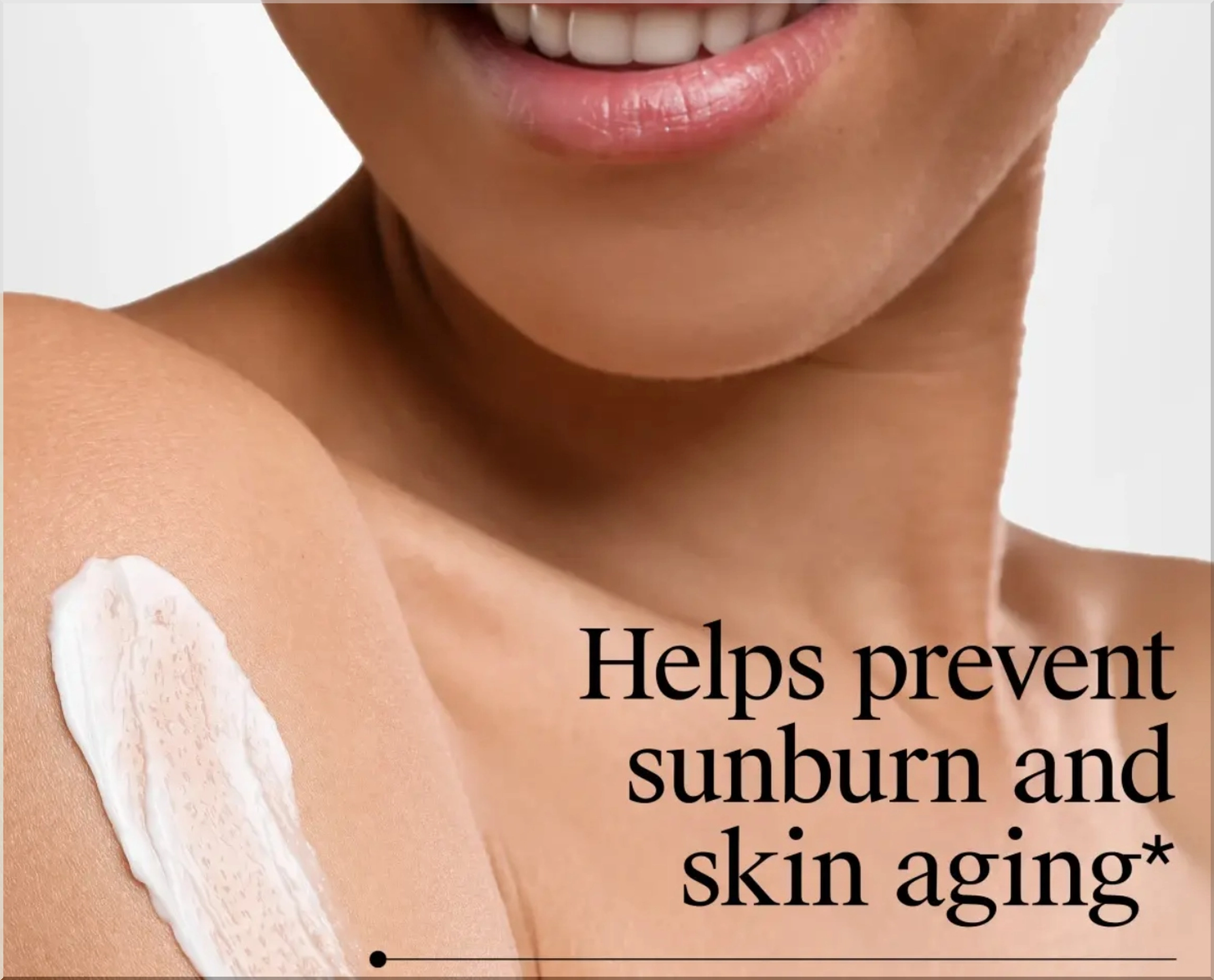
SPF measures how well sunscreen helps protect against UVB rays, the rays linked with sunburn. Broad-spectrum formulas also protect against UVA rays, which contribute to skin aging and long-term damage.
UPF clothing measures how much ultraviolet radiation passes through fabric. A UPF 50 garment blocks about 98 percent of UV rays. Better yet, it keeps working without another bathroom-mirror performance every two hours.
Why Sunscreen Alone Often Fails
Sunscreen works well when people use enough of it, apply it early, and reapply it on schedule. Humans, as a species, have other hobbies.
We miss ears. We forget the back of the neck. We apply sunscreen once before breakfast and then act shocked when the sun keeps existing after lunch. We also under-apply. Most adults need about one ounce for exposed body skin and at least one teaspoon for the face and neck.
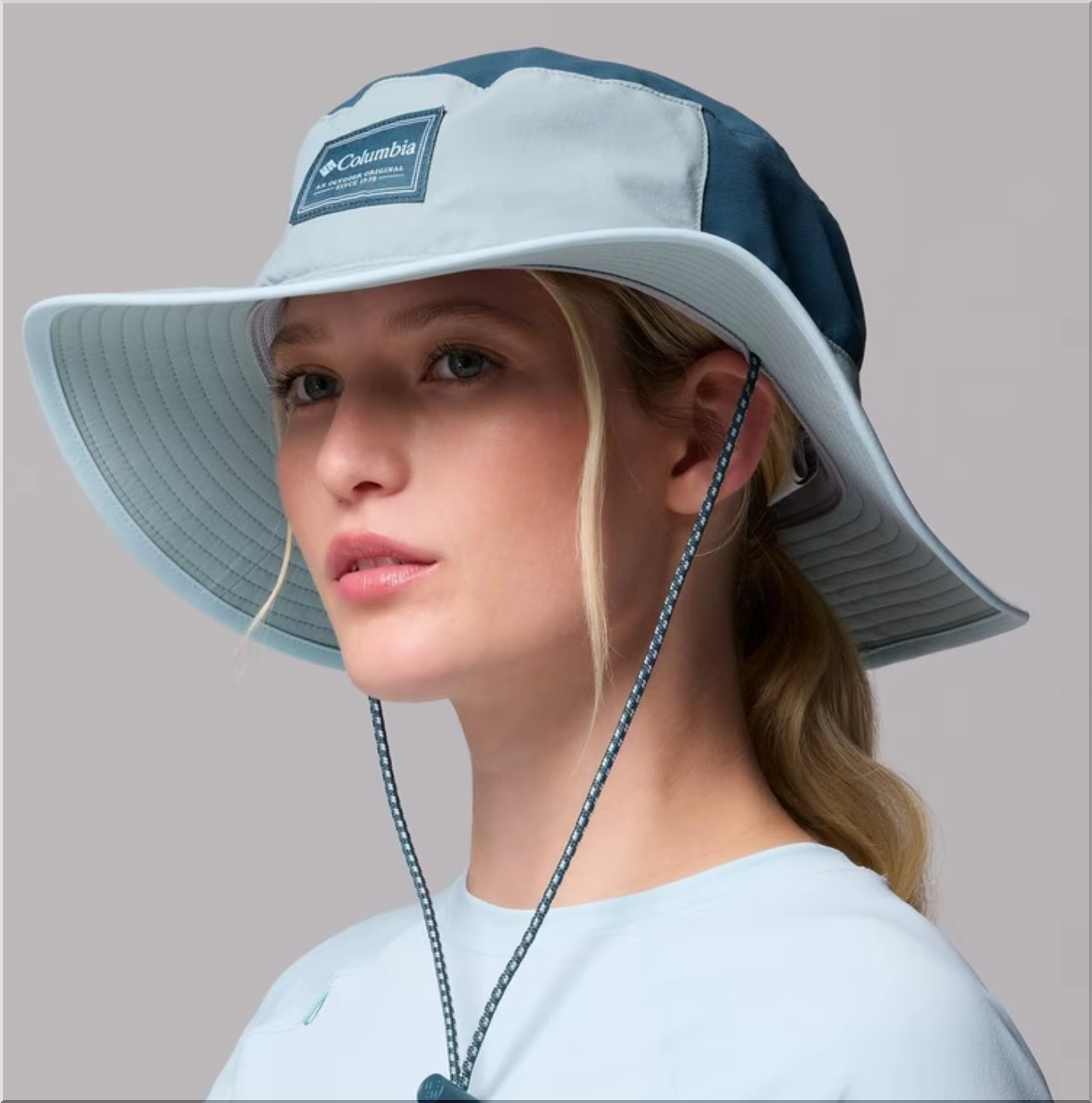
That makes sun protective clothing a smart backup. It lowers the amount of bare skin that needs sunscreen. It also protects easy-to-forget areas, such as shoulders, arms, chest, and upper back.
A good plan uses layers:
- Broad-spectrum SPF 30 or higher on exposed skin
- UPF shirts and hats for repeat coverage
- Sunglasses with UV protection
- Shade during peak sun hours
- Lip balm with SPF 30 or higher
- A reapplication product that fits your day
No drama. No ten-step ritual. Just fewer chances to burn.
The Face Sunscreen Slot: Daily Wear That You Actually Like
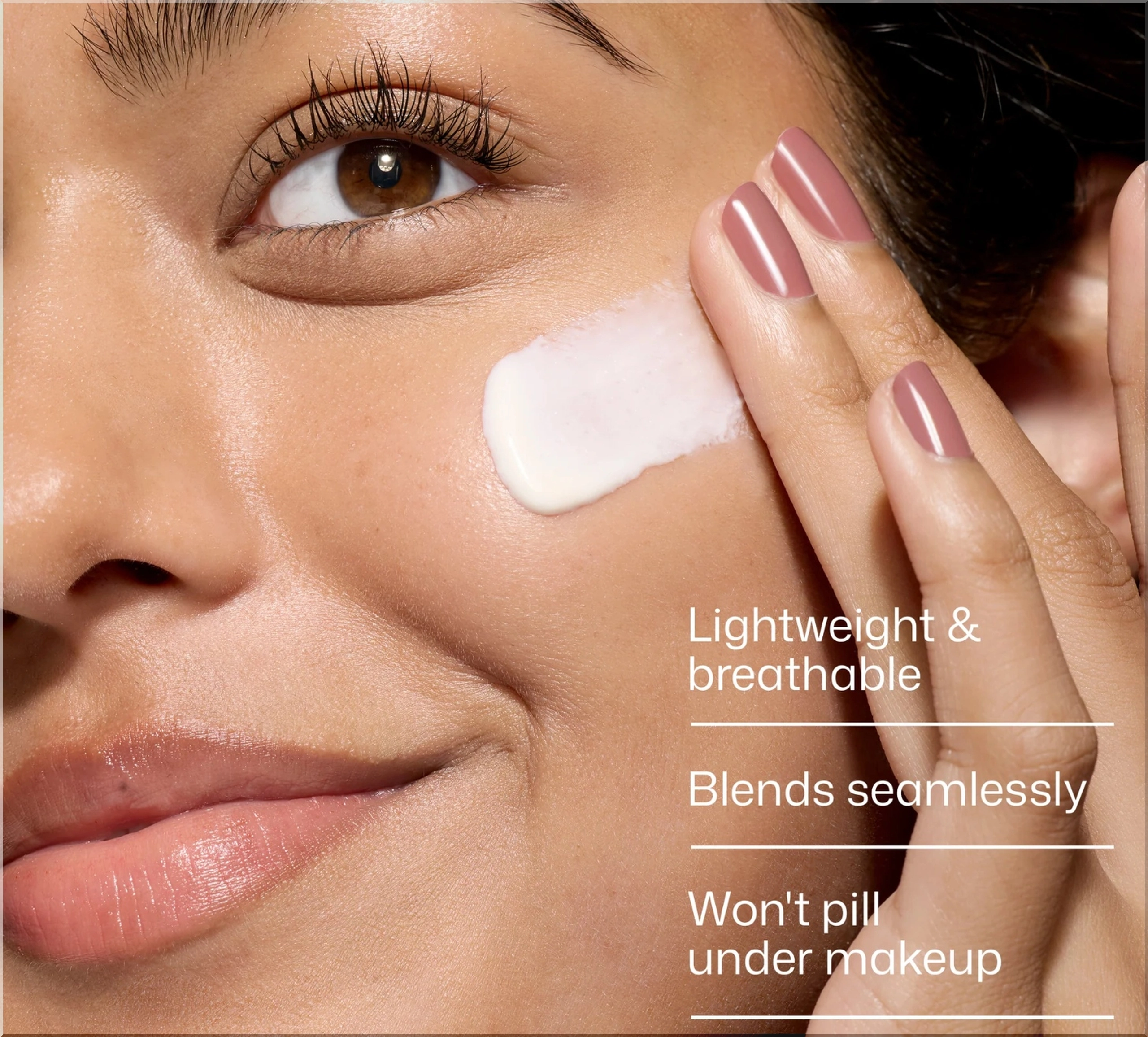
Your face sunscreen does the hardest job. It must sit under makeup, over moisturizer, around facial hair, near eyes, and through a normal day without making you look glazed, chalky, or furious.
Choose a broad-spectrum face sunscreen with SPF 30 or higher. Then match the texture to your skin.
| Skin Need | Product Type | My tips |
|---|---|---|
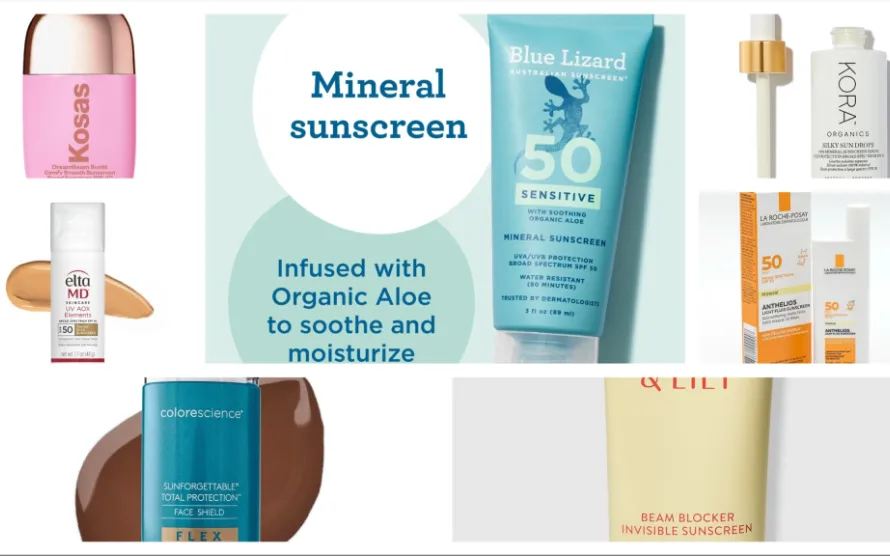
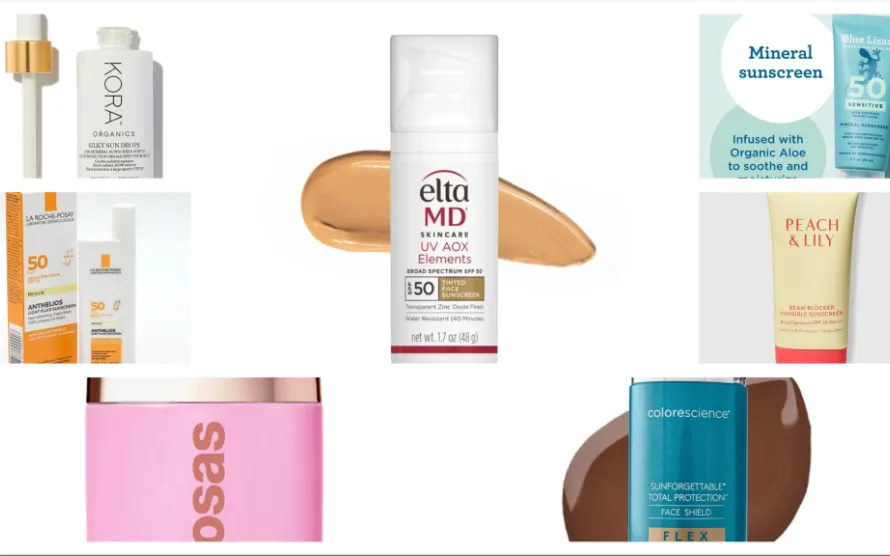
| Oily or acne-prone skin | Lightweight gel, fluid, or oil-free lotion | EltaMD UV Clear Broad-Spectrum SPF 46, La Roche-Posay Anthelios Clear Skin Dry Touch SPF 60 |
| Dry skin | Cream or hydrating lotion | CeraVe AM Facial Moisturizing Lotion SPF 30, Supergoop! Glowscreen SPF 40 |
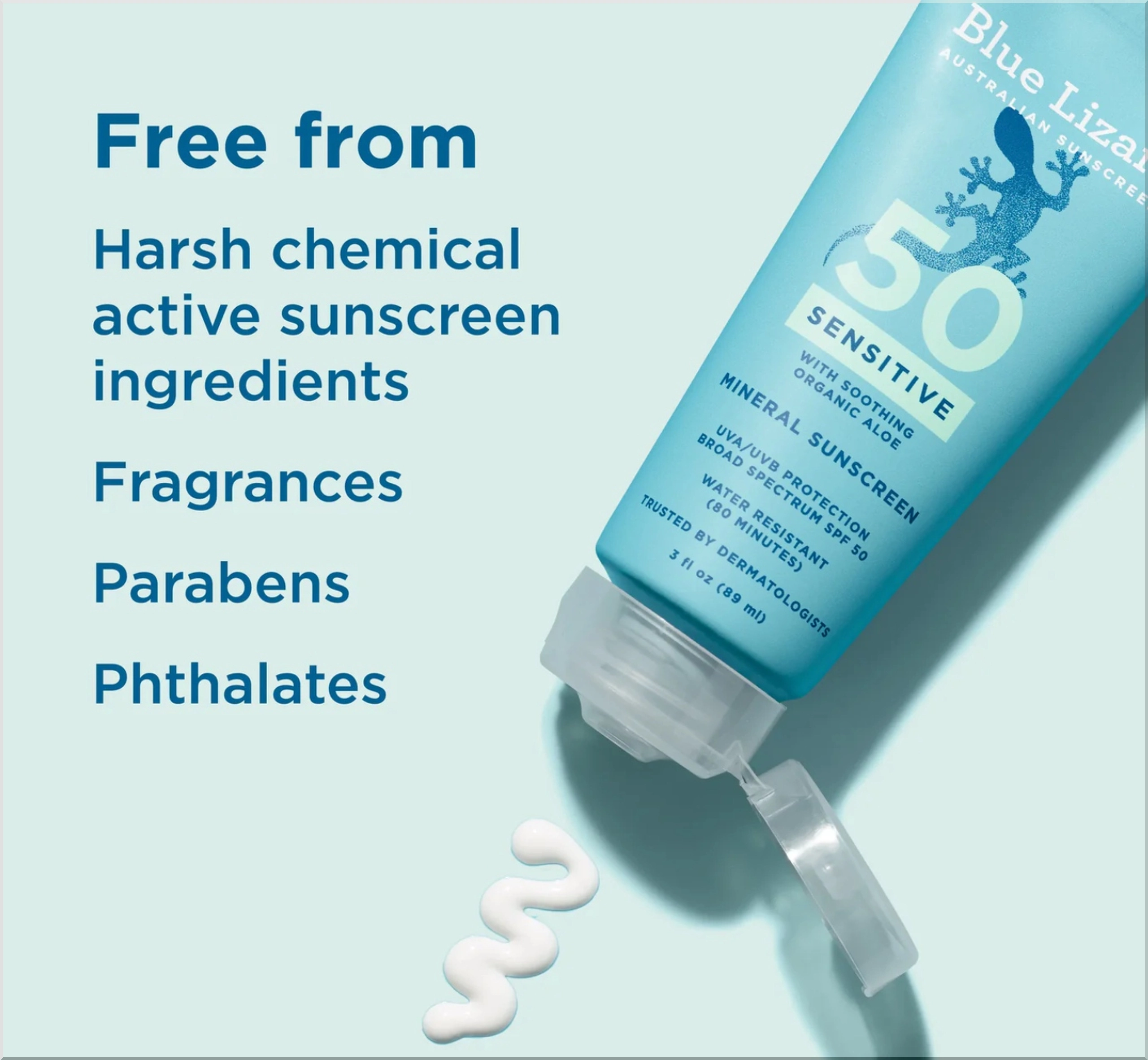
| Sensitive skin | Mineral sunscreen with zinc oxide or titanium dioxide | Blue Lizard Sensitive Mineral SPF 50, CeraVe Hydrating Mineral Sunscreen SPF 50 |
| Dark spots or uneven tone | Tinted SPF with iron oxides | EltaMD UV Clear Tinted SPF 46, La Roche-Posay Anthelios Mineral Tinted SPF 50 |
| Makeup days | Clear or primer-like SPF | Supergoop! Unseen Sunscreen SPF 50, e.l.f. Suntouchable Whoa Glow SPF 30 |
A tinted formula can help if white cast annoys you. A stick can help around eyes, nose, ears, and hairline. A powder SPF may help with touch-ups over makeup, but it should not replace a proper first layer.
How To Apply Face Sunscreen Without Guesswork
Use this simple routine:
- Apply skin care first and let it settle.
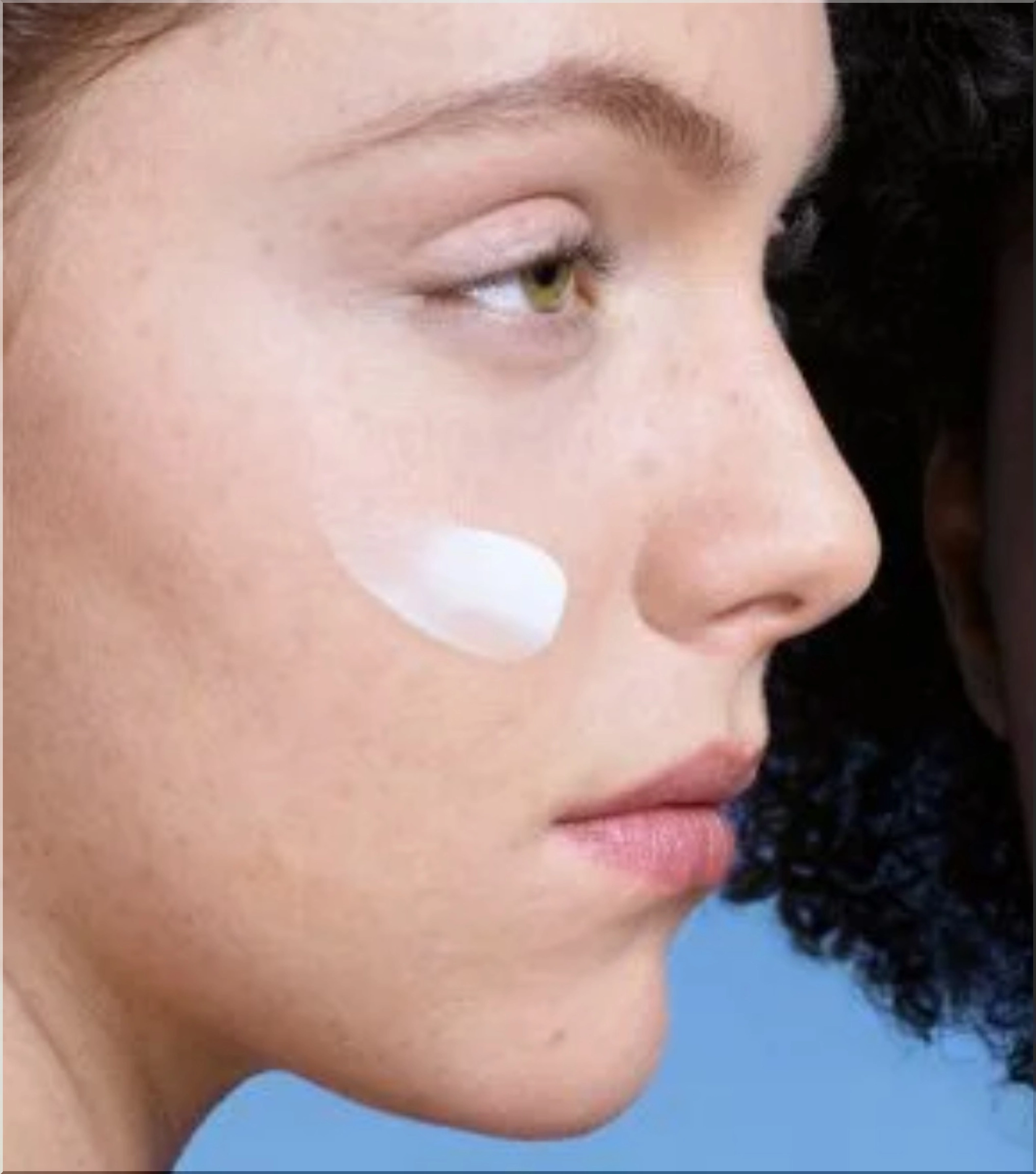
- Use at least one teaspoon for face, neck, and ears.
- Apply sunscreen 15 minutes before outdoor time.
- Cover the hairline, ears, under the chin, and the sides of the nose.
- Reapply every two hours outdoors, or sooner after sweating or swimming.
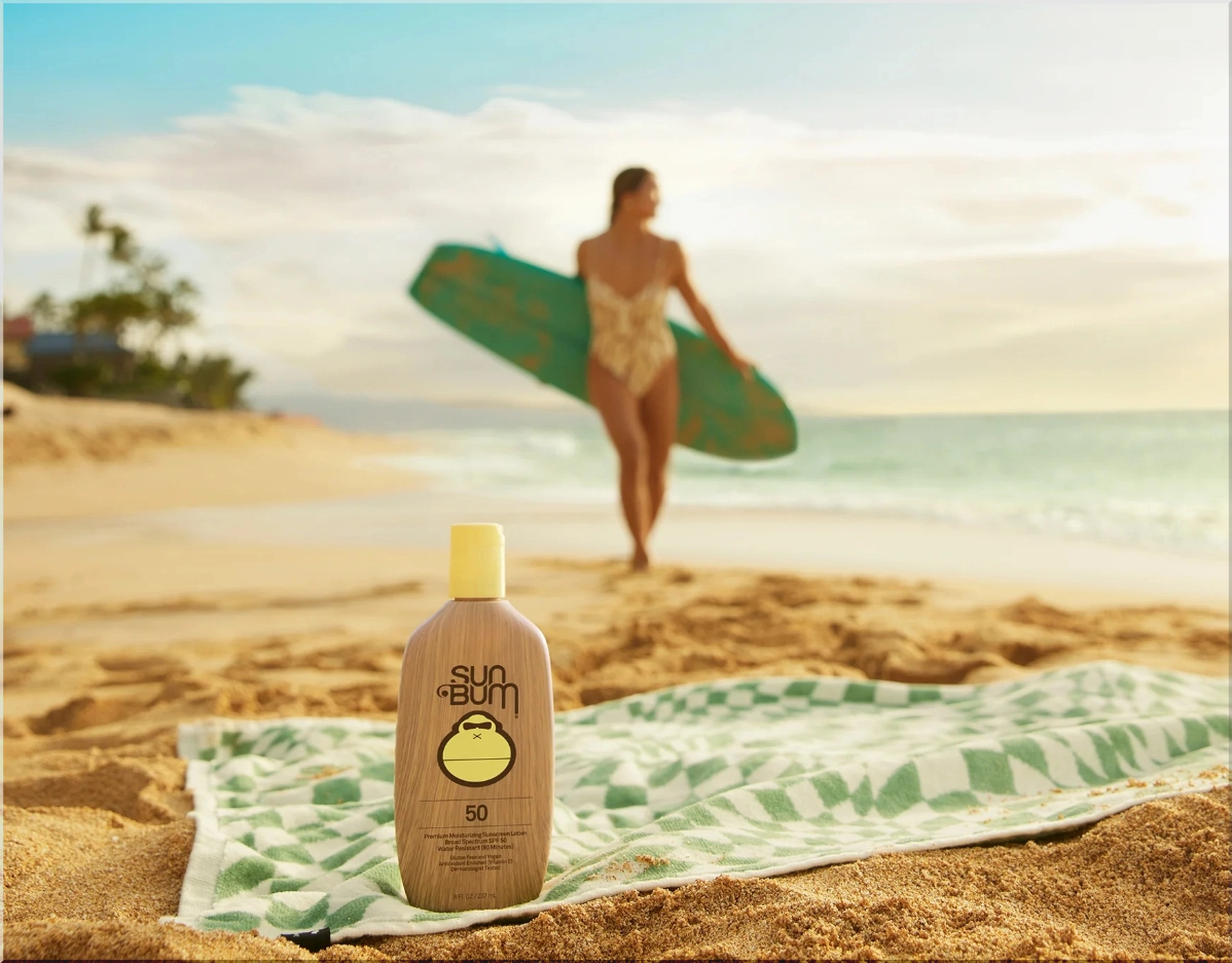
Pro-Tip: Keep a stick SPF by the door. Sun Bum Original SPF 50 Face Stick, Neutrogena Beach Defense Sunscreen Stick SPF 50+, or Supergoop! Unseen Sunscreen Stick SPF 40 can turn forgotten ears into protected ears in ten seconds.
The Body Sunscreen Slot: Bigger Skin Needs Bigger Coverage
Body sunscreen should spread fast and feel comfortable enough that you use enough. Lotions usually give better control than sprays because you can see and feel the coverage. Sprays can help for quick use, but they need care. Spray until skin glistens, then rub it in. Do not spray near the face, mouth, wind, smoking, heat, or flame.
Pick a water-resistant sunscreen for beach days, yard work, cycling, hiking, pool time, and sweaty errands. Water-resistant does not mean waterproof. It means the product keeps its labeled protection for a set period during water exposure or sweating. You still need to reapply.
For body use, focus on these practical details:
- Broad-spectrum SPF 30 or higher
- Water resistance for outdoor activity
- A texture you can spread generously
- A size that makes real use affordable
- A cap that survives your bag
Useful body examples include Neutrogena Ultra Sheer Dry-Touch Sunscreen SPF 55, Sun Bum Original SPF 50 Sunscreen Lotion, Banana Boat Light As Air SPF 50, and La Roche-Posay Anthelios Melt-In Milk SPF 60. For sensitive skin, Blue Lizard Sensitive Mineral SPF 50 works well as a mineral-based option, though thicker textures may need more rubbing.
The best body sunscreen often looks boring. That is fine. Your shoulders do not need a luxury experience. They need coverage.
The UPF Clothing Slot: The Lazy Genius Of Sun Protection
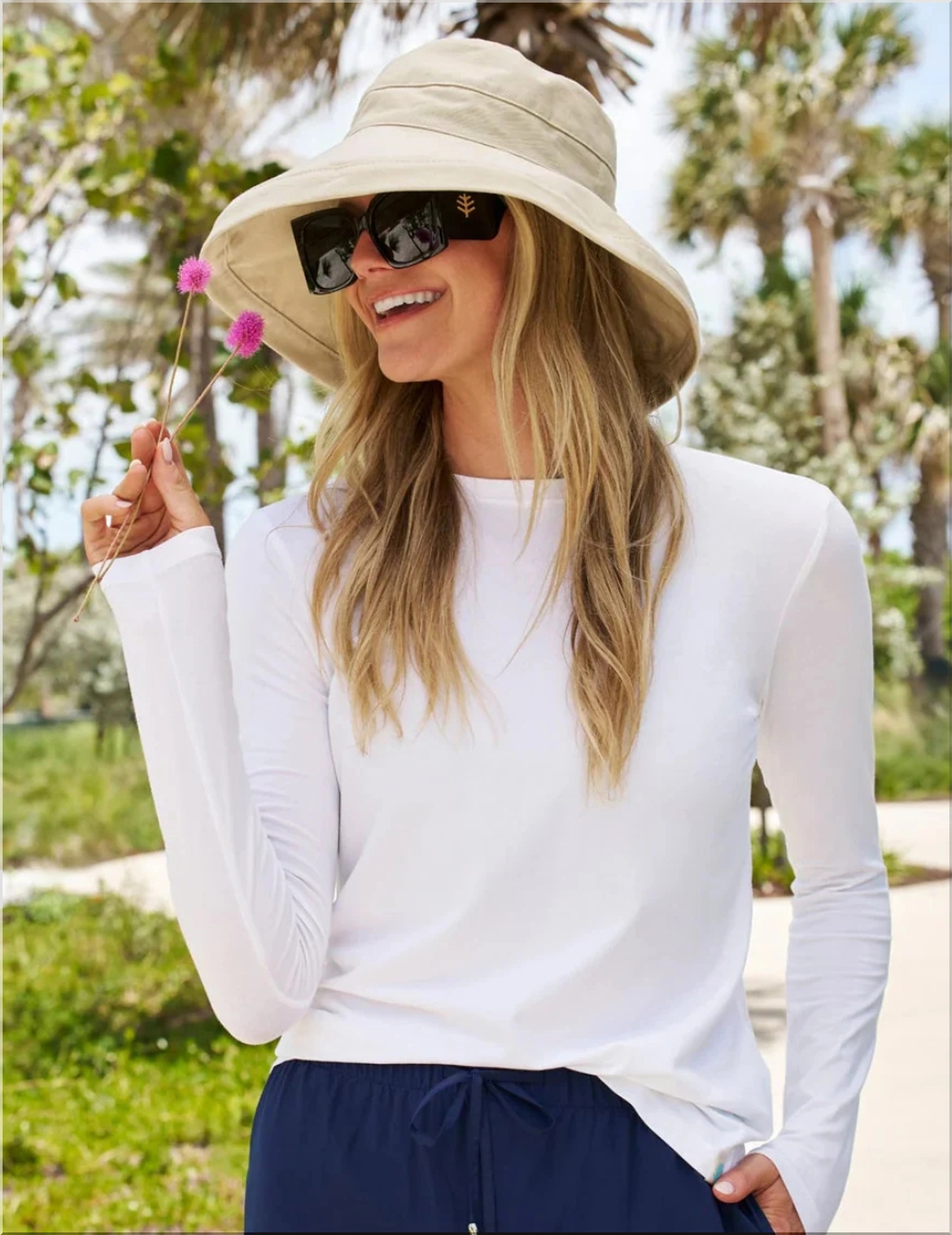
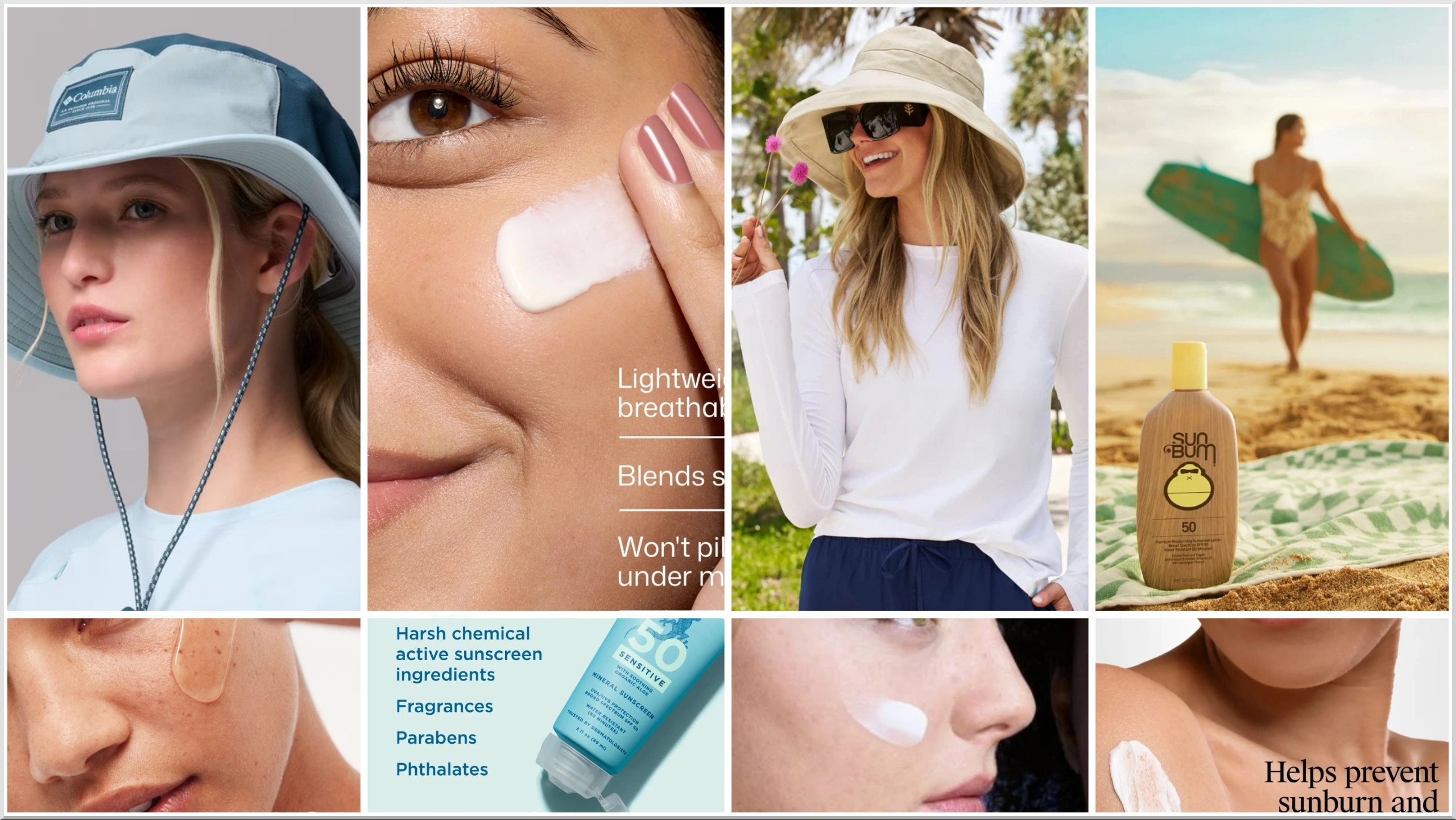
UPF clothing solves the biggest sunscreen problem: people forget to reapply. A long-sleeve UPF shirt, wide-brim hat, and UV-blocking sunglasses can cut your sunscreen workload fast.
UPF fabrics work well for travel, gardening, walking, golf, boating, kids' sports, festivals, and any day when your outdoor plan starts small and somehow becomes six hours.
Look for:
- UPF 30 to UPF 50+
- Dense fabric that does not become see-through when stretched
- Loose fit for better coverage and airflow
- Long sleeves or high necklines when sun exposure runs long
- Wide-brim hats that shade face, ears, and neck
- Sunglasses labeled for UV protection
Brands with strong UPF clothing options include Coolibar, Columbia, Solbari, Patagonia, Outdoor Research, and Uniqlo. Coolibar focuses heavily on UPF 50+ sun-protective pieces. Columbia uses Omni-Shade sun-protection fabric in many outdoor shirts, hats, and trail layers. Uniqlo's AIRism UV Protection line can work for everyday errands, travel days, and low-key city use.
This does not mean you need to dress like a desert ranger at brunch. A tested UPF shirt simply gives clearer protection than guessing with a thin tee.
Travel Sun Protection: Pack For The Day You Did Not Plan
Travel creates sun exposure in sneaky ways. You wait outside for rides. You sit by windows. You walk "just ten minutes" and return two hours later holding a pastry and mild regret.
Build a travel kit that covers face, body, lips, and clothing gaps.
A Smart Travel SPF Kit
Pack these items:
- One daily face sunscreen, such as EltaMD UV Clear SPF 46 or La Roche-Posay Anthelios UVMune 400 SPF 50+
- One larger body sunscreen, such as Sun Bum Original SPF 50 Lotion or Neutrogena Ultra Sheer SPF 55
- One SPF stick for ears, nose, hands, and kid-level chaos
- One SPF lip balm, such as Sun Bum SPF 30 Lip Balm or Aquaphor Lip Protectant SPF 30
- One UPF hat from Coolibar, Columbia, Sunday Afternoons, or Outdoor Research
- One lightweight UPF shirt
- One pair of UV-protective sunglasses
- One small reapplication product for your day bag
For air travel, check container sizes before packing liquids in hand luggage. For road trips, avoid storing sunscreen in a hot car for long periods. Heat can weaken formulas faster. Your glovebox should not become a tiny sunscreen oven.
Pro-Tip: Place sunscreen next to your toothbrush when traveling. Morning autopilot can work in your favor for once.
Daily Life Sun Protection: Build Habits Around Real Routines
Sun protection works best when it attaches to habits you already have. You do not need heroic discipline. You need better product placement.
Keep sunscreen where sun exposure begins:
- Bathroom counter for morning face SPF
- Entry table for hand and arm touch-ups
- Work bag for lunch walks
- Car bag for hands and forearms, but avoid long heat storage
- Gym bag for outdoor workouts
- Stroller, sports bag, or tote for family days
Think about your recurring sun traps. Commutes expose the face and hands. Dog walks expose forearms. Gardening hits necks and shoulders. Kids' games cook spectators slowly while everyone focuses on snacks and scoreboards.
A useful daily sunscreen routine beats a perfect product used twice a month.
Face, Body, And Clothing: What To Use When
Here is a clean way to match protection to the day.
For A Normal Workday
Use facial SPF in the morning. Supergoop! Unseen Sunscreen SPF 50 suits people who want a clear, primer-like finish. EltaMD UV Clear SPF 46 suits people who want a light, oil-free facial sunscreen. CeraVe AM Facial Moisturizing Lotion SPF 30 can work for people who want moisturizer and SPF in one step.
Add sunscreen to hands, neck, and ears if they get sun. Keep sunglasses near your keys. Use a hat for lunch walks if sun feels strong.
For A Workout Outside
Use water-resistant sunscreen on exposed skin. Sun Bum Original SPF 50 Lotion, Neutrogena Sport Face Oil-Free Lotion SPF 70+, and Banana Boat Sport Ultra SPF 50 are common options for sweaty outdoor days.
Add a UPF shirt or cap. Columbia PFG shirts, Patagonia Capilene Cool Daily shirts, and Outdoor Research sun hoodies can reduce the amount of exposed skin. Reapply after heavy sweating. Pay attention to the back of the neck, shoulders, and scalp parts.
For A Beach Or Pool Day
Apply sunscreen before leaving. Use a UPF swim shirt, hat, and sunglasses. Reapply after swimming, towel drying, or sweating. Cover feet, ears, lips, and hands.
For families, Blue Lizard Sensitive Mineral SPF 50, Thinkbaby SPF 50+, and Banana Boat Kids Mineral SPF 50 can work as practical examples. For adults who dislike thick textures, La Roche-Posay Anthelios Melt-In Milk SPF 60 or Hawaiian Tropic Sheer Touch SPF 50 may feel easier to spread.
For Travel Days
Use face SPF before leaving the room. Carry a stick and lip SPF. Wear sunglasses. Add a UPF layer when walking, sightseeing, boating, or sitting near windows for long periods.
A simple travel setup could include EltaMD UV Clear SPF 46 for face, Sun Bum Original SPF 50 Lotion for body, Coolibar UPF 50+ hat, Columbia Silver Ridge or PFG shirt, and Sun Bum SPF 30 Lip Balm. That set covers most everyday trips without turning your suitcase into a pharmacy with wheels.
How To Choose Sunscreen Without Getting Lost In The Aisle
Sunscreen shopping can feel absurd. Every tube claims intelligence. Some bottles look like skin care. Some look like camping gear. One somehow smells like a coconut fought a candle.
Use a simple filter.
Choose sunscreen that:
- Says broad spectrum
- Has SPF 30 or higher
- Lists water resistance when needed
- Fits your skin type and activity
- Feels good enough to use daily
- Has not expired
- Shows stable texture, smell, and color
Mineral sunscreens use zinc oxide, titanium dioxide, or the two together. Many people with sensitive skin prefer them. Chemical sunscreens use other active filters and often feel lighter. Hybrid formulas mix filter types.
The right choice depends on use. The wrong choice sits untouched.
The Common Mistakes That Burn People
Most sunscreen problems come from behavior, not bad intentions.
People apply too little. They miss edges. They rely on SPF makeup. They skip cloudy days. They use old bottles. They forget that water, sweat, and towels remove product. They wear thin white shirts and assume fabric blocks everything.
Fix the common errors first:
- Apply more than you think you need.
- Reapply when outdoors for long periods.
- Use clothing to reduce exposed skin.
- Check expiration dates.
- Protect lips, ears, scalp, hands, feet, and neck.
- Use shade when sun feels intense.
- Skip tanning beds.
This plan does not demand perfection. It gives your skin more chances to win.
Final Next Steps: Build Your Sunscreen Wardrobe This Week
Start small. Buy or gather one face SPF, one body SPF, one SPF lip balm, one UPF hat, and one lightweight UPF layer. Place each item where you will use it.
Then test the system for seven days. Did the face SPF sting? Replace it. Did the body lotion feel greasy? Try a lighter one. Did the hat annoy you? Find one you will actually wear. Sun protection should work with your day, not audition for a medical lecture.
A smart sunscreen wardrobe protects your skin through ordinary life: school runs, errands, beaches, patios, office windows, and sunny walks that last longer than planned. Build it once. Use it daily. Your future skin gets the quieter, better ending.