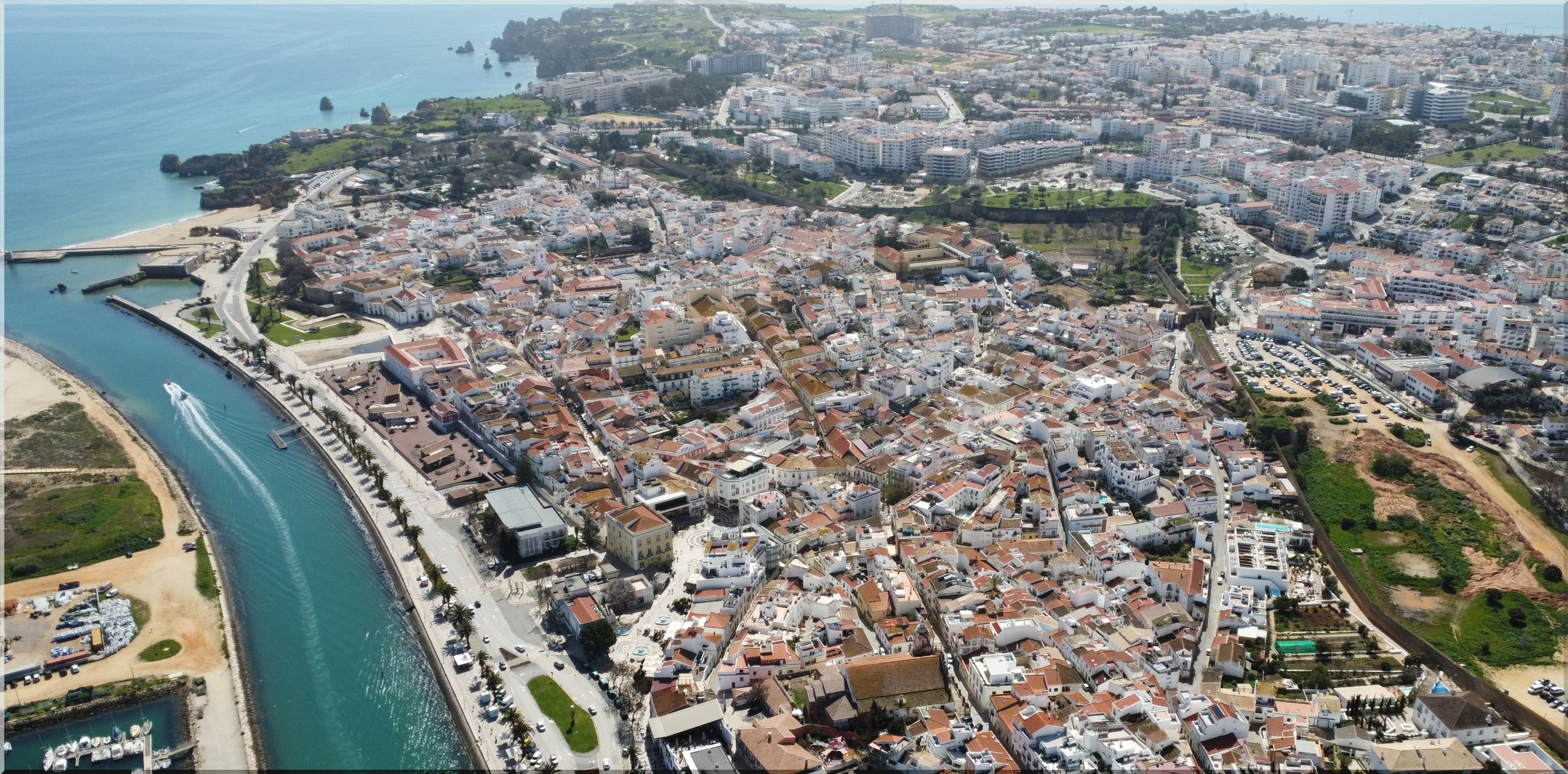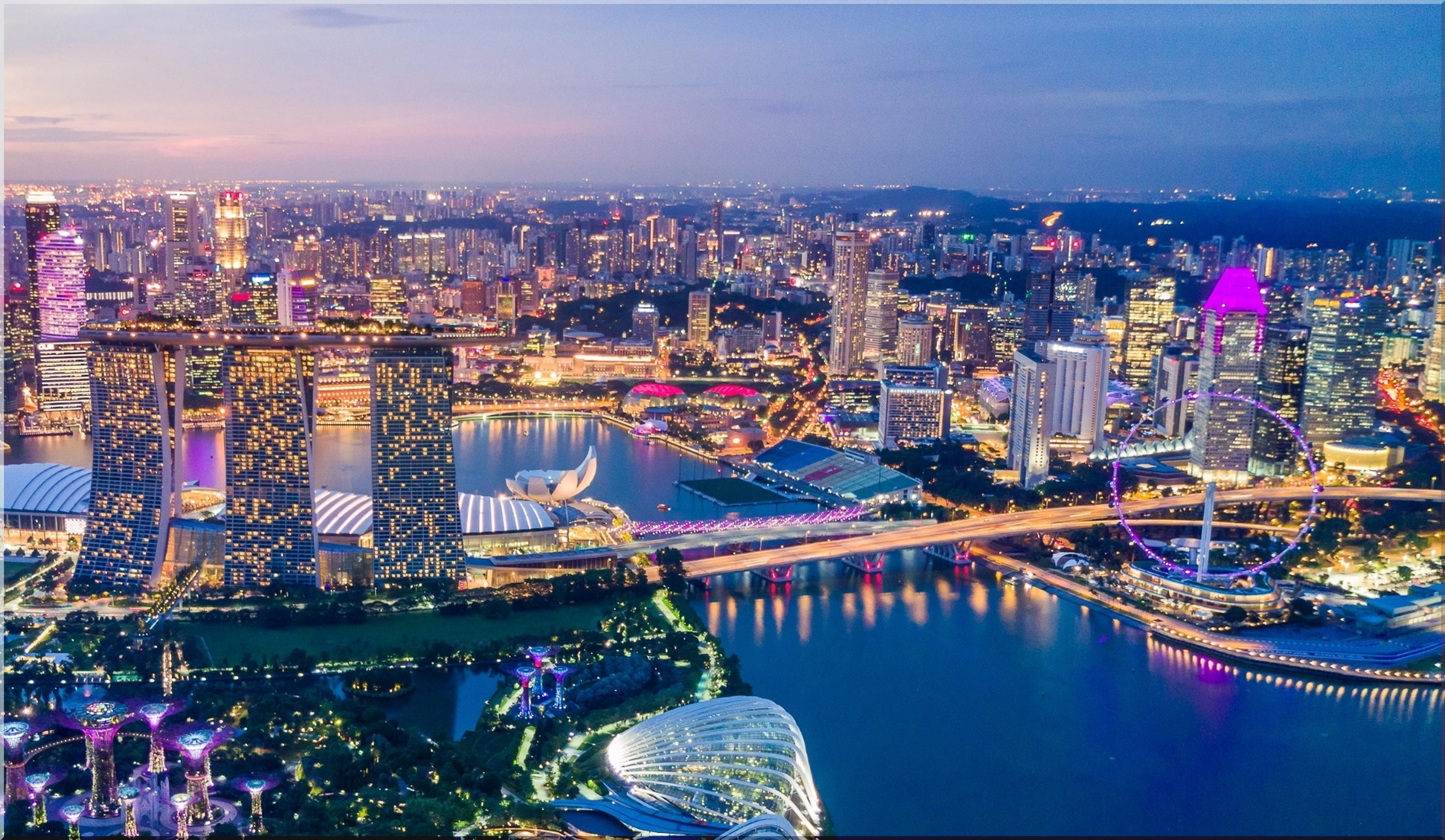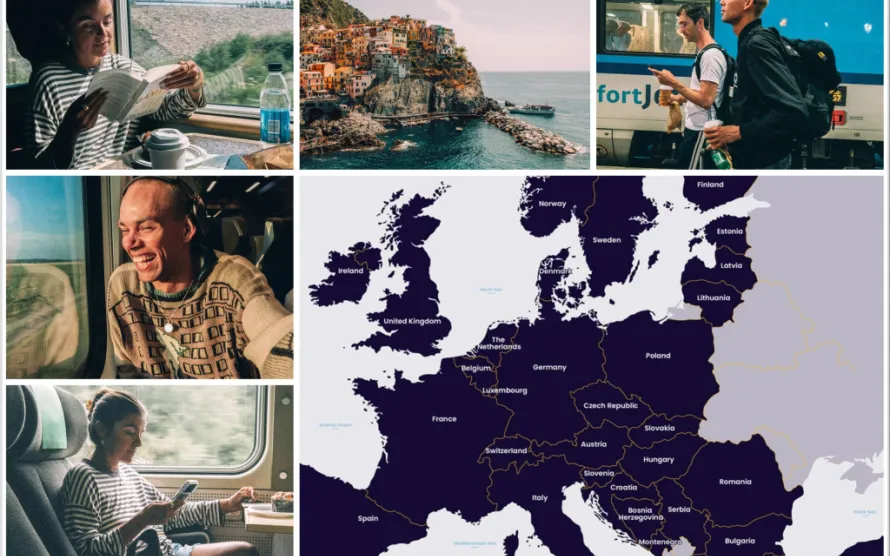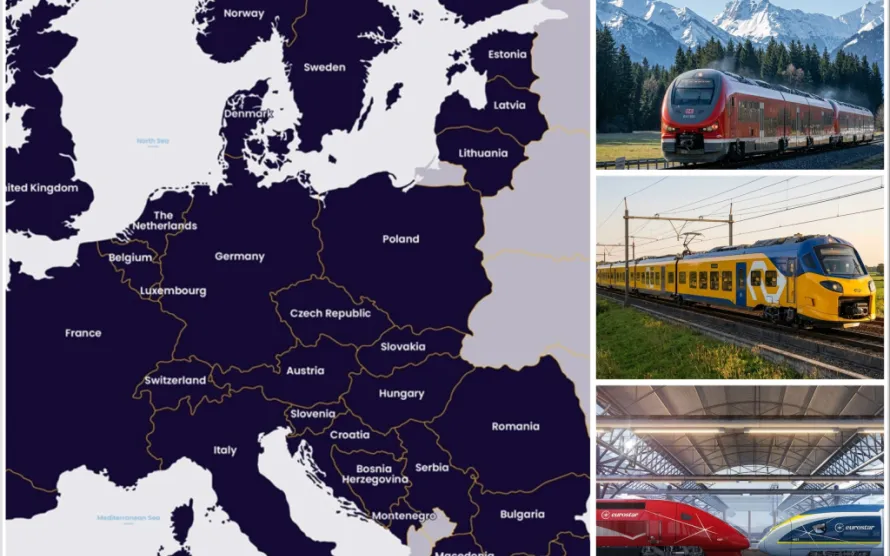
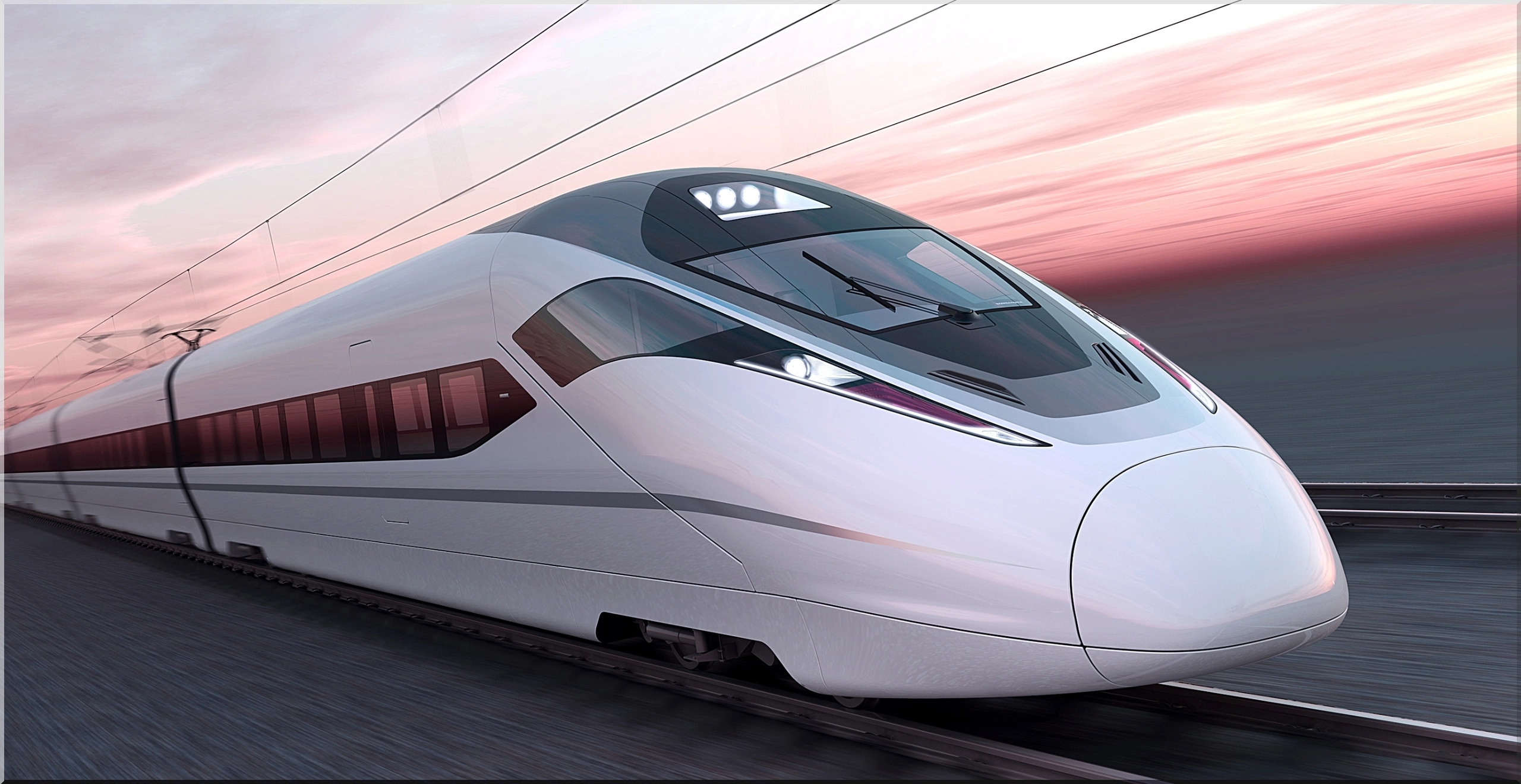
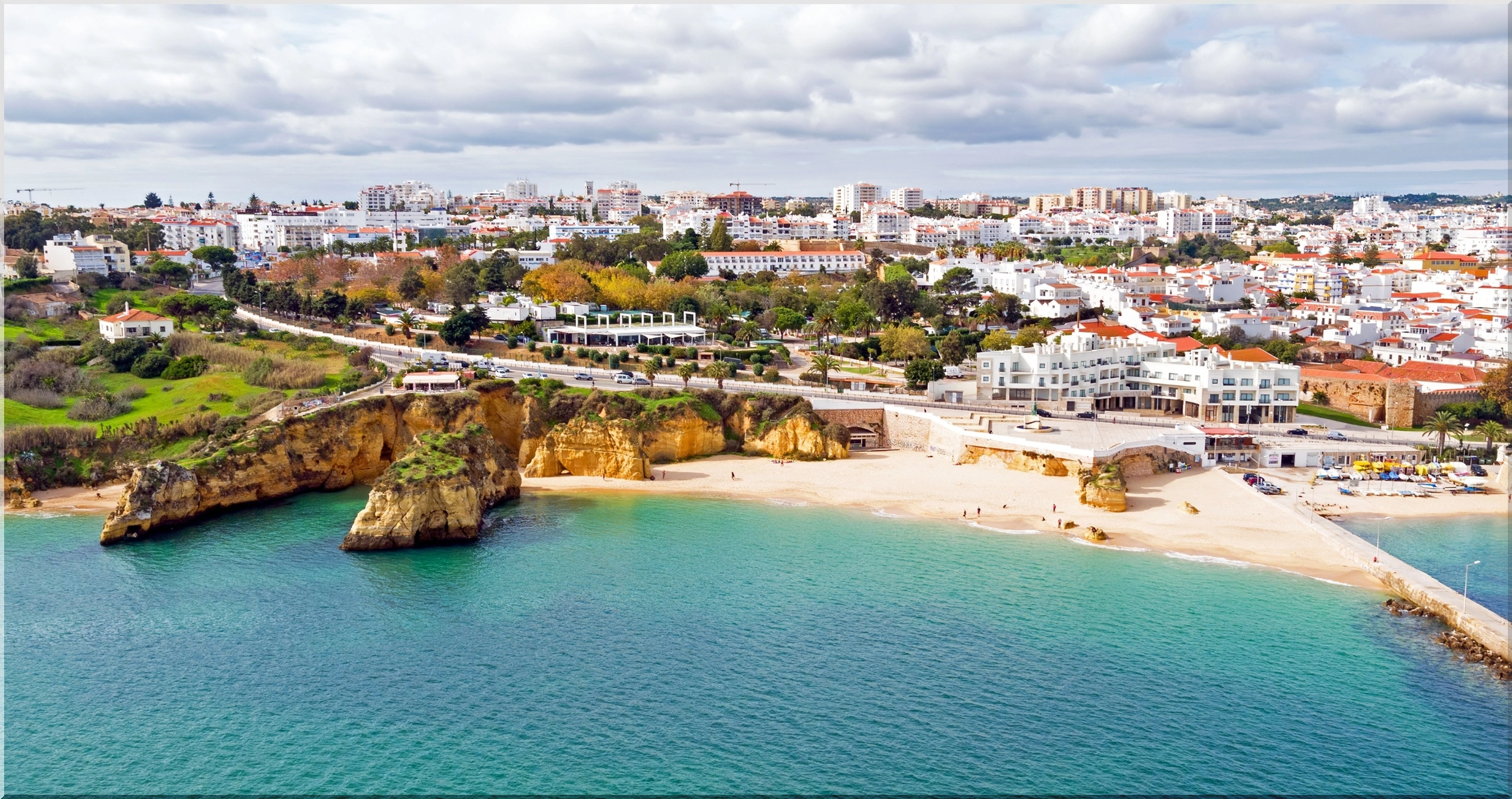
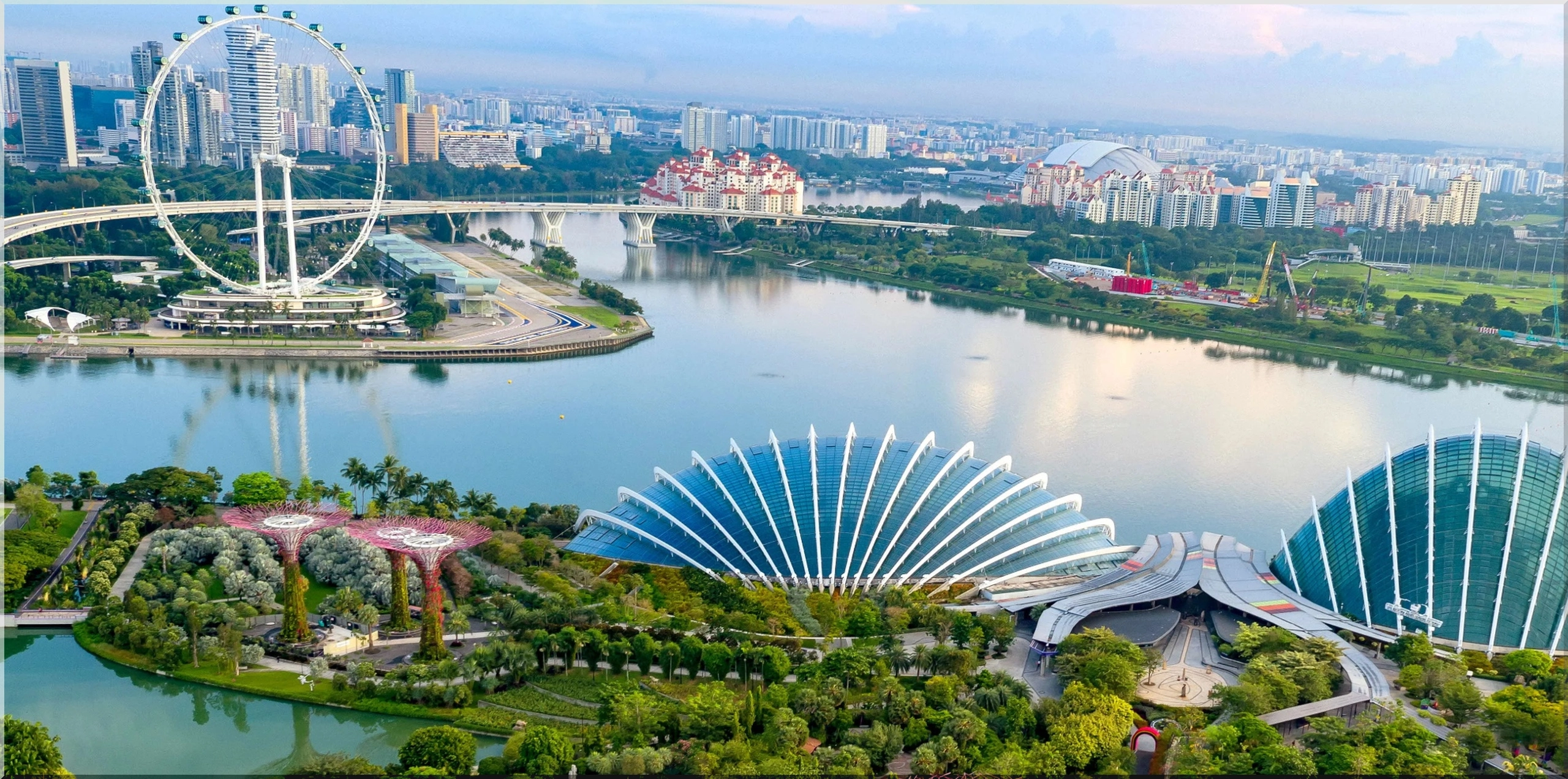
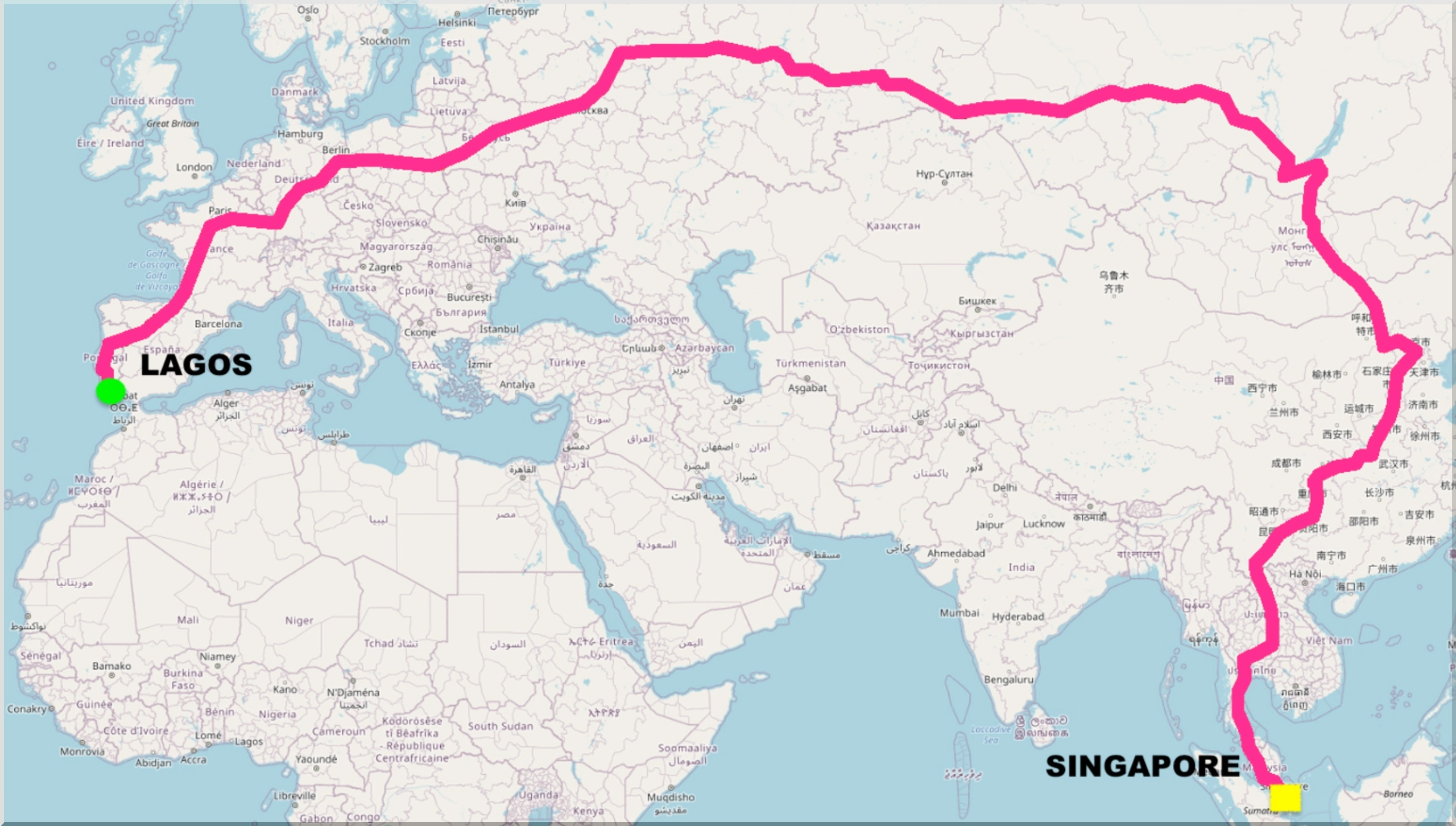
A 21-day rail crossing from Lagos, Portugal, to Singapore sounds like a dare invented by someone with a map, a kettle, and a deep suspicion of airports. Yet the Portugal to Singapore train route has become one of rail travel's great talking points: a roughly 18,755-kilometer idea that crosses 13 countries, connects two continents, and links the Atlantic edge of Europe with Southeast Asia.
Why the Portugal to Singapore Train Route Gets So Much Attention
The appeal starts with scale. This is not a single train with one conductor, one ticket, and one heroic dining car. It is a stitched-together rail itinerary made from many trains, several operators, border crossings, sleepers, station transfers, and a few sections that test your patience before they test your luggage wheels.
The route usually starts in southern Portugal, often cited as Lagos in the Algarve. From there, the broad path heads through Lisbon, Spain, France, central Europe, Russia, Mongolia, China, Laos, Thailand, Malaysia, and finally Singapore.
That gives the longest train trip its headline numbers:
| Detail | Approximate Figure |
|---|---|
| Total distance | 18,755 km |
| Total time | Around 21 days with stops and transfers |
| Countries crossed | 13 |
| Continents crossed | 2 |
| Major rail link added | China-Laos Railway |
| Estimated basic rail budget | Over €1,000, about $1,080 |
The numbers feel cinematic. The reality feels more like planning a small expedition with snacks.
The Big Catch: It Is Possible in Theory, Messy in Practice
Here is the useful truth. The longest train route from Portugal to Singapore works as a rail map concept. It does not work like booking a simple Paris-to-London ticket.
Current service gaps, suspended international rail routes, visa rules, and geopolitical barriers make the complete route difficult as a continuous ride. Trains between Western Europe and Russia remain a major obstacle, and some long-distance services that once helped connect the route no longer run as they did before 2020 and 2022.
So, call it what it is: the longest possible train trip, not the easiest.
That distinction helps travelers avoid disappointment. It also makes the route more interesting. This rail crossing sits between geography, infrastructure, politics, and old-fashioned travel romance. It shows what rail networks can do when countries connect tracks, schedules, and borders. It also shows how fragile long-distance travel becomes when one link breaks.
What Route Does the Longest Train Trip Follow?
Most versions of the trip use a broad west-to-east route. The exact station list changes depending on service availability, ticketing, border rules, and the traveler's chosen detours.
A practical version would follow this rough sequence:
- Portugal to Spain, starting in Lagos or another southern Portuguese rail point, then moving through Lisbon toward Spain.
- Spain to France, often through Madrid, Barcelona, or connections toward the French rail network.
- France to central Europe, with Paris acting as a major rail hub.
- Central Europe toward Russia, the hardest current section due to suspended international services.
- Russia to Mongolia and China, using routes linked to the Trans-Siberian and Trans-Mongolian rail corridors.
- China to Laos, using the China-Laos Railway from Kunming toward Vientiane.
- Laos to Thailand, with ground transfers or local rail connections near the Mekong corridor.
- Thailand to Malaysia, moving south through Bangkok and onward toward Kuala Lumpur.
- Malaysia to Singapore, ending at the southern tip of mainland Southeast Asia.
That list looks tidy. The actual booking process does not. You would handle separate ticket systems, train classes, border checks, station changes, and accommodation gaps. Your spreadsheet may need a spreadsheet.
The China-Laos Railway Changed the Map
The modern version of the Portugal to Singapore rail route gained fresh attention after the China-Laos Railway opened in December 2021. That line links Kunming in China's Yunnan province with Vientiane, the Lao capital, and it closes a major rail gap between China and mainland Southeast Asia.
This line gives the route its strongest new argument. Before that link, Southeast Asia and China's rail systems did not connect neatly enough for this kind of long-distance rail dream to feel plausible.
The China-Laos Railway covers roughly 1,035 kilometers between Kunming and Vientiane. Passenger services cut across terrain that once demanded slow road travel through mountains, river valleys, and border zones. For Laos, the line turned rail from a small domestic feature into a major regional connector.
For the longest train trip on Earth, it acts like the missing hinge.
Definition: What Counts as the Longest Train Trip?
A "longest train trip" usually means the longest possible rail-based route between two distant passenger stations, using scheduled trains and necessary transfers.
It does not mean:
- One train from start to finish
- One ticket sold by one operator
- No border delays
- No station changes
- No gaps caused by politics, engineering, or service suspensions
That definition may feel a little slippery. Rail fans enjoy arguing about it, which may count as an unofficial sport.
What Travelers Would Actually Experience
A 21-day rail crossing sounds slow until you picture the alternative: airports, security lines, plastic trays, and the eternal mystery of why someone brought soup through screening.
By rail, the experience changes by region. Western Europe brings dense timetables, fast trains, and frequent station changes. The eastern stretch can bring long sleepers and multi-day legs. China adds high-speed rail scale. Southeast Asia slows the pace again, with regional services, border checks, and tropical heat that reminds you cotton was invented for a reason.
Expect a mix of:
- High-speed trains
- Overnight sleepers
- Regional trains
- Long station waits
- Border controls
- Seat reservations
- Separate ticket purchases
- Hotel stops between legs
- Occasional taxi or bus transfers
The route rewards travelers who like logistics. It punishes travelers who assume every train runs daily, on time, with available beds and a coffee worth repeating.
Pro-Tip: Plan It in Sections, Not as One Giant Push
The smartest way to approach the Portugal to Singapore train trip is to divide it into blocks. Treat each rail region as its own mini-trip.
That makes planning easier and safer. It also gives you time to see the places you worked so hard to reach.
A practical split could look like this:
| Section | Planning Focus |
|---|---|
| Portugal to France | European rail passes, fast trains, seat reservations |
| France to eastern Europe | International service availability |
| Russia and Mongolia | Visas, sleeper bookings, route status |
| China | High-speed train tickets, passport rules |
| Laos and Thailand | Border timing, local rail schedules |
| Malaysia to Singapore | Short-hop tickets and arrival timing |
This approach turns a huge rail fantasy into a set of manageable legs. It also leaves room for normal human needs, like laundry and vegetables.
How Many Visas Would You Need?
Visa needs depend on nationality, route choice, and current border rules. Some reports suggest travelers may need at least seven visas or entry permissions for the full route.
That figure can change fast. A traveler from the European Union, the United States, the United Kingdom, Canada, Australia, or Singapore may face different rules at almost every border.
The likely visa and entry-permit areas include:
- Schengen Area rules for much of Western Europe
- Russia and Belarus rules, where applicable
- Mongolia entry rules
- China visa rules
- Laos entry rules
- Thailand entry rules
- Malaysia and Singapore entry rules
Do not treat any viral route map as immigration advice. Check every country before buying non-refundable tickets. Border paperwork has a special talent for ruining romantic ideas.
What Would It Cost?
The lowest published estimates often start above €1,000, which equals about $1,080 using a rough €1 to $1.08 conversion. Other estimates run closer to €1,200, or about $1,296, before hotels, meals, visas, insurance, local transfers, and emergency snacks.
That base figure sounds surprisingly low for a 13-country rail trip. The catch sits in the extras.
A realistic budget should include:
- Rail tickets across multiple operators
- Sleeper supplements
- Seat reservations
- Visa fees
- Travel insurance
- Hotels during forced overnight stops
- Food and bottled water
- Local transport between stations
- Mobile data or SIM cards
- Backup funds for missed connections
For many travelers, the final cost would exceed the headline fare by a wide margin. The cheapest version may also be the least comfortable. Three weeks of bargain seats can turn even the most poetic rail fan into a person who speaks only in sighs.
Is This Train Trip Better Than Flying?
For speed, flying wins before the first timetable loads. A flight from Portugal to Singapore takes hours, not weeks.
For experience, rail offers something else. It turns distance into a visible thing. You see languages change on station signs. You feel climates shift. You learn that a border crossing can last five minutes or half a day, depending on the mood of paperwork.
For carbon-conscious travelers, rail often carries a smaller emissions footprint than flying, though the exact comparison depends on route, train type, occupancy, electricity source, and any added hotel stays or transfers.
The honest answer: rail makes sense if the trip itself is the point. Flying makes sense if Singapore is the point.
Who Should Try a Trip Like This?
The longest train trip from Portugal to Singapore suits a very specific traveler. You need patience, flexible dates, solid planning habits, and a high tolerance for imperfect connections.
It may suit you if you:
- Like long-distance rail travel
- Enjoy planning complex routes
- Have several weeks free
- Prefer slow travel over quick arrival
- Can handle changing rules and revised schedules
- Travel light enough to move fast between stations
It may not suit you if you need fixed arrival dates, easy ticketing, predictable comfort, or a single customer-service desk that can fix everything.
Actionable Question: How Would You Start Planning It Today?
Start with the sections that currently operate reliably. Build from the easiest parts first, then test the difficult links.
A sensible planning order looks like this:
- Confirm current train service from Portugal through Western Europe.
- Check the status of rail links into Russia and Belarus.
- Review current passenger service from Russia toward Mongolia and China.
- Confirm China rail access and ticket rules for foreign travelers.
- Check China-Laos Railway schedules and border rules.
- Confirm Laos-to-Thailand transfer options.
- Book Thailand, Malaysia, and Singapore legs last, since these sections offer more regional flexibility.
This method prevents one blocked segment from wrecking the entire plan.
The Real Lesson Behind the Longest Train Trip
The longest train trip on Earth works best as a reminder of what rail can do when infrastructure connects across borders. It also reminds travelers that tracks alone do not make a route usable. Timetables, diplomacy, visas, ticketing systems, and border policies matter just as much as steel rails.
The dream remains powerful because it feels almost possible. That "almost" does a lot of work.
For now, most travelers should treat the Portugal to Singapore route as an inspiring long-term rail project, not a ready-made vacation package. Try one section. Then another. Build the trip piece by piece.
That way, the route becomes less like a stunt and more like a series of remarkable rail adventures stitched across two continents, one ticket at a time.