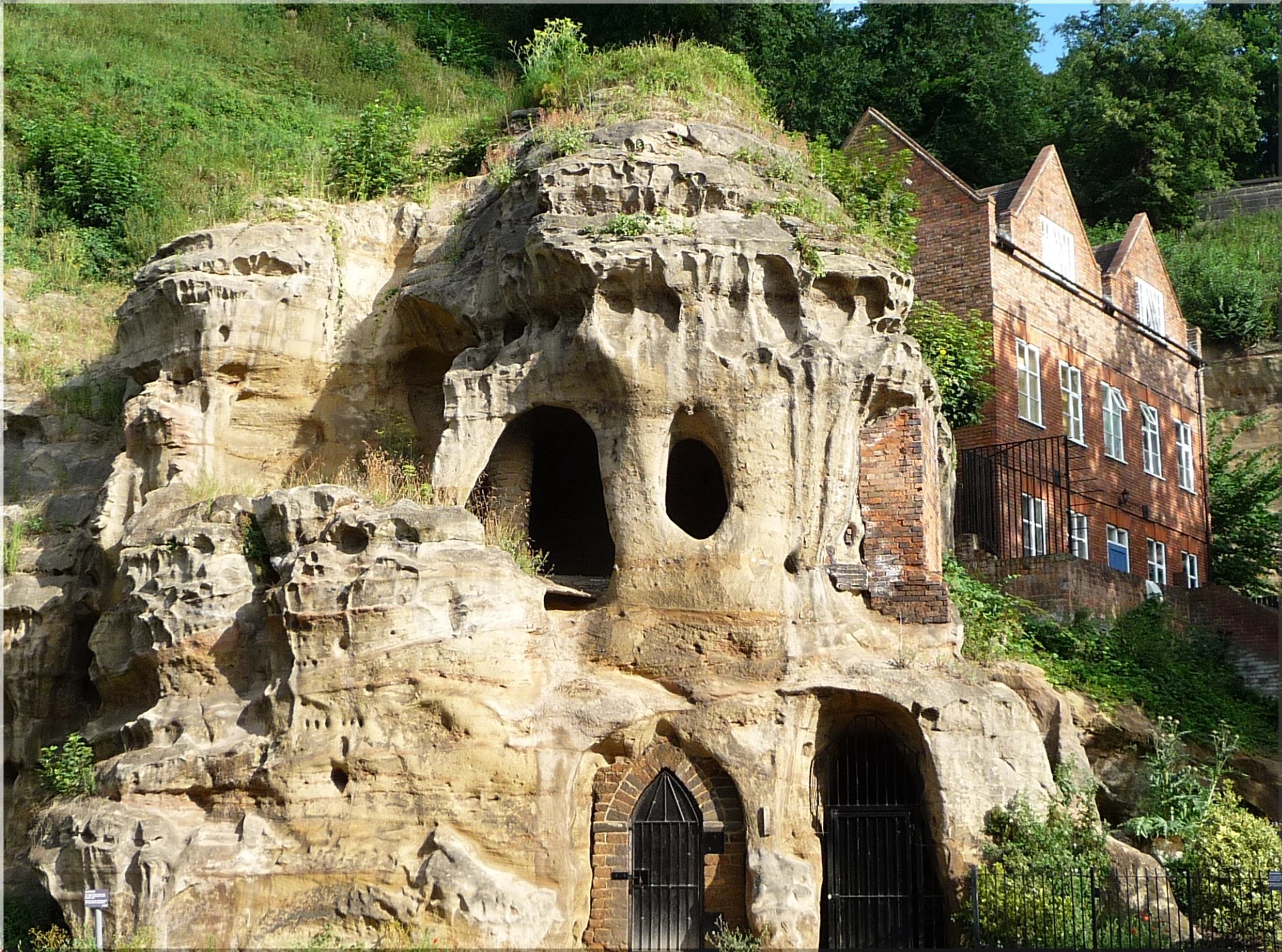
Nottingham Reaches 1,000 Caves, and Its Underground Story Just Got Bigger
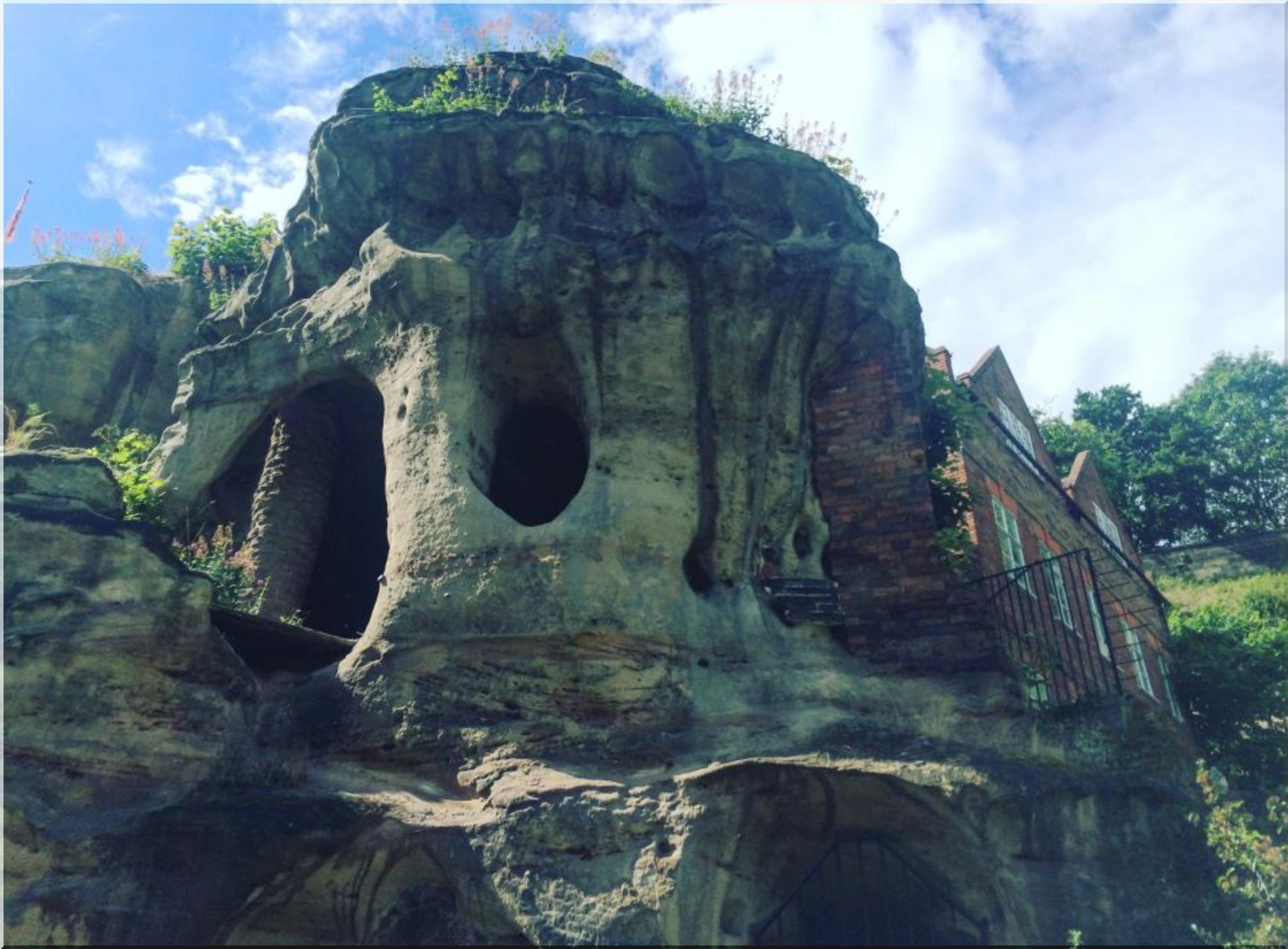
Nottingham has hit a striking milestone: researchers have now recorded 1,000 caves beneath Nottingham, giving the city the largest known network of human-made caves in Europe. That number sounds like a pub boast until you realize the caves sit under streets, shops, homes, historic sites, and everyday pavements where people still walk without giving the ground a second thought.
Why Nottingham's 1,000 Caves Matter
The new count does more than give Nottingham a shiny new bragging right. It changes how residents, planners, archaeologists, and visitors understand the city.
For years, experts knew Nottingham had a serious underground story. The city sits on soft sandstone, which people cut by hand for storage, work, shelter, and daily life. But the scale kept growing. In 2009, city records listed about 425 caves. By 2025, Nottingham City Council had logged 924. Now the tally has reached 1,000.
That jump tells a simple story: Nottingham still has more history underfoot than many cities have above ground.
The caves also give Nottingham a rare claim. Many European cities have cellars, tunnels, crypts, and old service passages. Nottingham has a dense network of human-cut spaces tied to more than 1,000 years of urban life. People did not build one grand underground monument. They cut practical spaces, one by one, as the city grew.
That makes the network feel less like a tourist gimmick and more like a giant stone notebook.
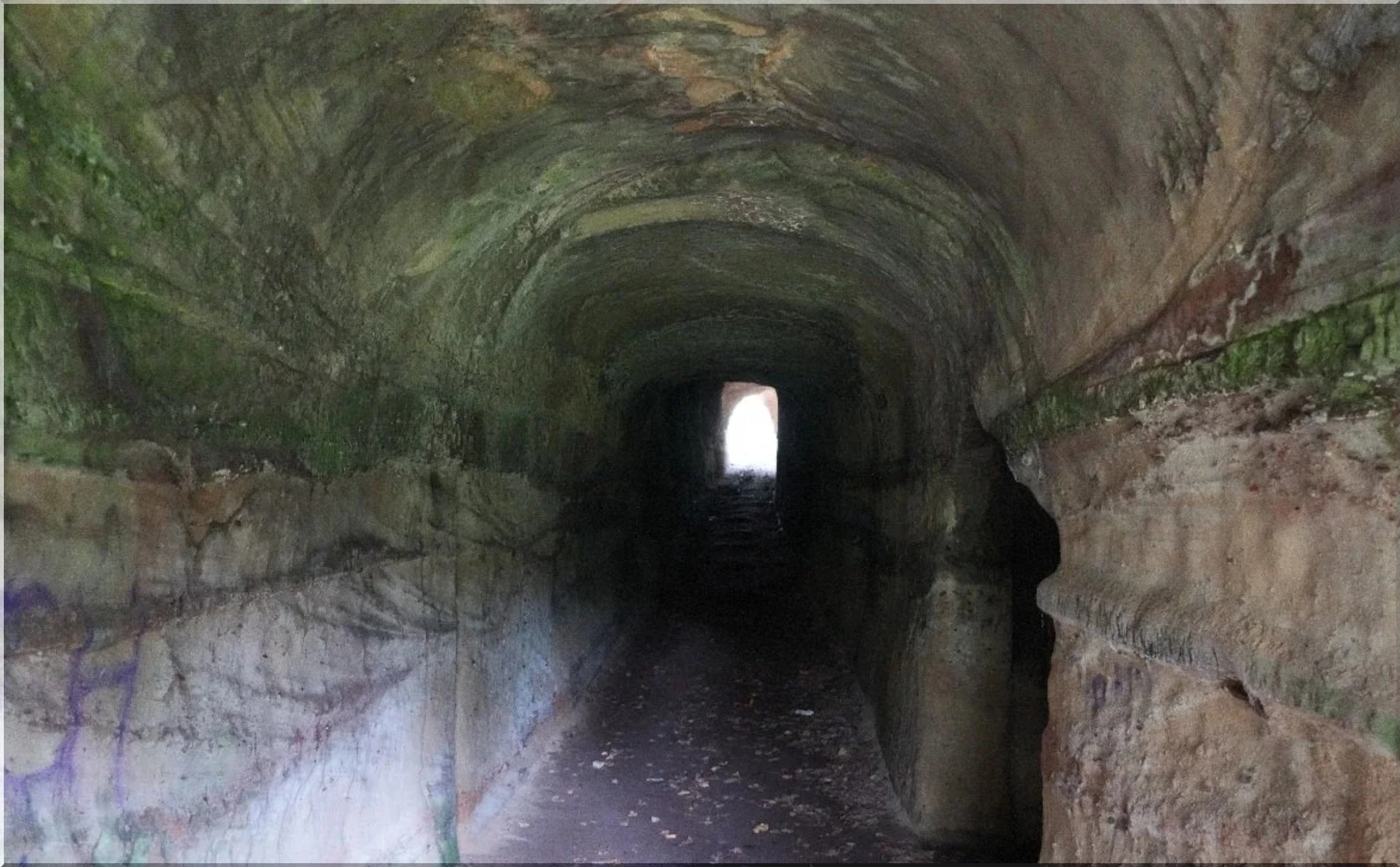
How Nottingham Became a City of Caves
Soft Sandstone Made Digging Possible
Nottingham's underground story starts with geology. The city stands on Sherwood Sandstone, a rock soft enough for people to cut with hand tools yet firm enough to hold usable chambers when handled properly.
That mix gave Nottingham a practical advantage. If a resident needed a cool store room, a workshop, a cellar, or a shelter, the ground offered space. No crane. No concrete. Just tools, time, and a willingness to dig.
Over centuries, that habit shaped the city from below. People cut caves behind buildings, under pubs, below streets, and near workplaces. Some stayed in use. Some vanished from memory. Some survived behind sealed walls until builders or researchers found them again.
The Name Goes Back Centuries
Nottingham's link with caves reaches deep into written history. Early references describe the place in terms linked to caves, which suggests that people noticed its underground spaces long before modern archaeology arrived with maps, databases, and hard hats.
The caves do not come from nature. People made them. That fact matters because it turns each chamber into evidence of human choice. Someone needed that space. Someone cut it. Someone used it.
That gives every cave a question worth asking: What job did this room do?
What People Used Nottingham's Caves For
The answer changes from cave to cave. Nottingham's underground network served daily life, trade, storage, industry, and wartime survival. Some caves sat behind alehouses. Some supported workshops. Others gave people shelter when bombs fell during the Second World War.
Common Uses Across the Nottingham Cave Network
People used the caves for:
- Beer cellars and cool storage
- Tanneries and other messy trades
- Workshops linked to local businesses
- Living spaces during periods of poverty and overcrowding
- Sand mines and extraction pits
- Air raid shelters during wartime
- Visitor attractions and heritage education today
That range explains why the Nottingham cave network matters so much. It does not tell one tidy story. It shows how people adapted the same geology for changing needs over many centuries.
Definition: Human-Made Cave
A human-made cave is a chamber, cellar, passage, or cut space created by people rather than natural erosion. Nottingham's caves fit this definition because residents carved them into sandstone for practical use.
The 1,000-Cave Milestone Shows Research Still Pays Off
The latest count did not arrive from one dramatic find. It came from steady work. Nottingham's city archaeologist and local researchers have reviewed historic documents, checked old maps, studied construction records, and investigated sites during redevelopment.
That careful work matters because many caves no longer announce themselves. A wall may hide an entrance. A property record may hint at a buried chamber. A construction site may expose a shaft. A cellar listed as lost may still sit intact under a later building.
Here is the growth in context:
| Year or Period | Recorded Cave Count | Why It Matters |
|---|---|---|
| 2009 | About 425 | Formal recording began with a far smaller known total |
| 2017 | About 800 | Research had already changed the scale of the network |
| April 2025 | 924 | Nottingham City Council reported another major rise |
| May 2026 | 1,000 | Nottingham reached a landmark count for human-made caves |
The table shows a pattern. The city did not suddenly gain hundreds of caves. Researchers got better at finding, proving, and recording what already existed.
That point helps explain the excitement. The count could grow again.
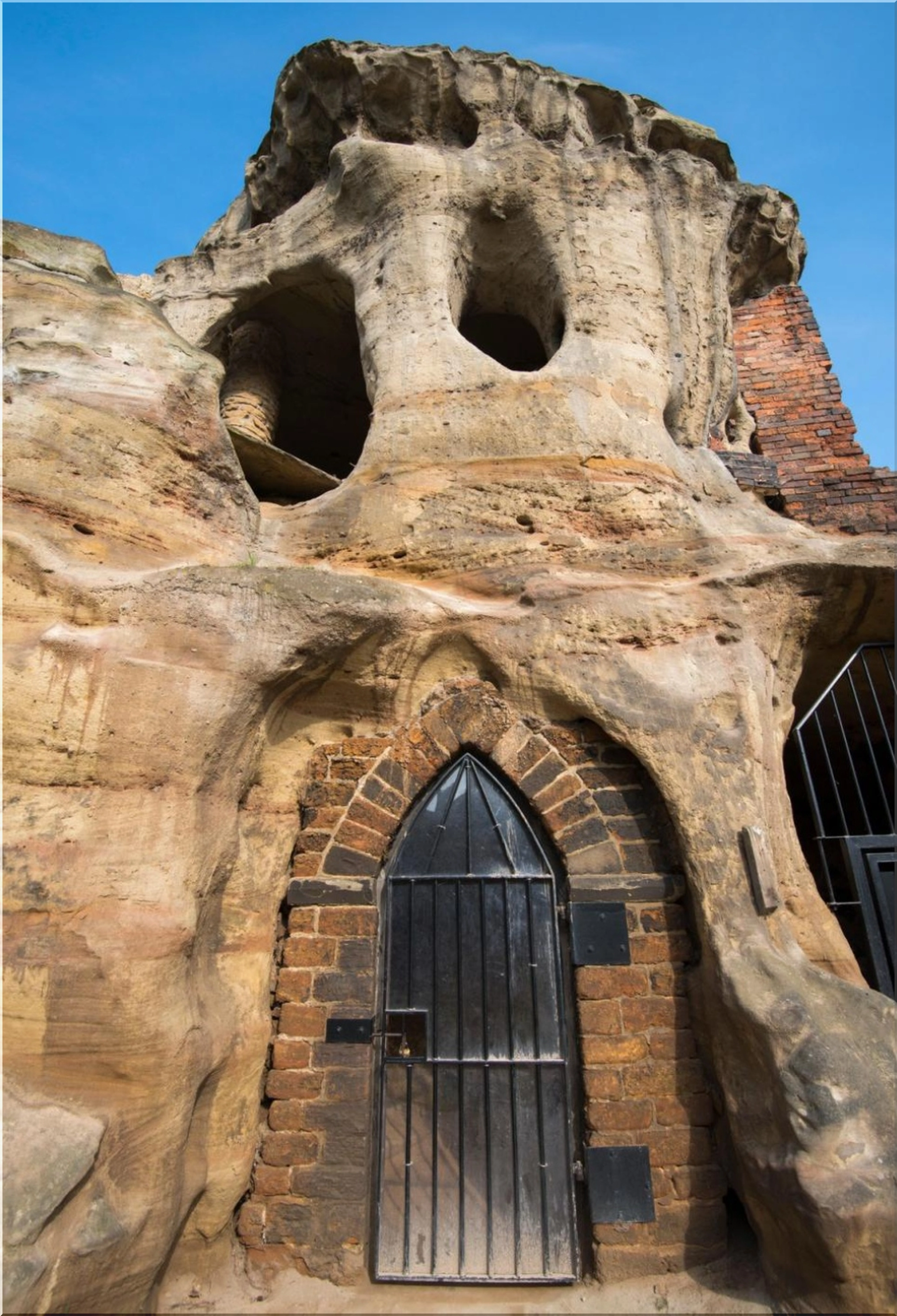
Why Developers and Homeowners Should Pay Attention
A 1,000-cave city brings charm, but it also brings responsibility. Nottingham's caves affect planning, construction, conservation, and property decisions.
A forgotten cave under a building can create risk. It can also create value. The difference often comes down to good records, safe access, structural checks, and early investigation.
What This Means for Building Projects
Developers working in Nottingham need to think downward before they build upward. The city's planning rules already account for known caves, and better mapping helps teams spot possible underground spaces before work starts.
That saves money and protects heritage.
A late cave find can delay a project. An early investigation can shape safer plans. It also reduces the chance that construction damages an irreplaceable part of the city's past.
Pro-Tip for Property Owners
If you own property in Nottingham's historic core and suspect a cave exists below it, do not enter it casually. Seek qualified advice first. Caves can face stability issues, poor ventilation, loose material, hidden drops, or blocked access points.
Curiosity works best with a safety plan.
The Visitor Appeal: Nottingham Has a Story You Can Step Into
For travelers, City of Caves Nottingham gives the 1,000-cave milestone a clear entry point. Visitors can tour a public section of the network and see how carved sandstone spaces supported work, storage, and shelter.
That matters because underground heritage can feel abstract until you stand inside it. A cave wall shows tool marks. A chamber tells you about temperature, space, labor, and survival faster than a plaque ever could.
Nottingham also benefits from location. The caves sit in the heart of the city, not on a remote hill or behind a long coach ride. That puts them within easy reach of visitors who want history with texture, not another polite display case.
How to Visit Nottingham's Caves Without Missing the Point
The caves make a strong tourist stop, but they reward context. Walk in looking only for a spooky tunnel and you will miss the better story. Walk in thinking about workers, brewers, tanners, families, builders, and wartime crowds, and the sandstone starts to speak.
Use this simple plan:
- Start with the public City of Caves attraction.
- Pair it with Nottingham Castle or the National Justice Museum for wider context.
- Walk the historic core above ground after the tour.
- Look for changes in street level, sandstone outcrops, old pub cellars, and steep lanes.
- Read local displays before leaving, since they often explain specific cave uses.
That approach turns a short visit into a fuller picture of Nottingham underground history.
The Best Part: The Story Still Has Gaps
The 1,000-cave count sounds complete. It probably is not.
Researchers expect more finds because Nottingham's records still hold clues, and redevelopment keeps opening windows into hidden spaces. Some caves may sit sealed behind walls. Others may survive under sites that people assumed had lost them decades ago.
That uncertainty gives the city unusual energy. Nottingham does not simply preserve a fixed past. It keeps adding detail to it.
Why the Missing Caves Matter
Each newly recorded cave can add something useful:
- A clue about medieval trade
- Evidence of domestic life below street level
- Proof that a supposedly lost space survived
- Data for safer planning decisions
- A new story for public heritage work
Small finds can change big assumptions. One chamber may show how a business stored goods. Another may show how people sheltered during war. A third may prove that old maps deserve a second look.
What Nottingham's Cave Network Teaches Other Cities
Nottingham's milestone carries a lesson for other historic cities: the past often survives in ordinary places.
Not every major heritage asset looks grand. Some sit behind service doors, under retail units, below pubs, or beneath streets that shoppers cross every day. Nottingham's caves prove that urban history can hide in plain sight, then reappear through patient research.
The city also shows why databases and planning policy matter. Romance may sell the story, but records protect it. Once officials know where caves likely exist, they can guide surveys, support owners, and reduce damage during construction.
That practical side gives the 1,000-cave count real weight. It helps the city manage growth without erasing the spaces that make it distinct.
Practical Next Steps for Readers
If you plan to visit Nottingham, put the caves near the top of your list. They offer one of Britain's most unusual urban history experiences, and the new milestone gives the trip extra relevance.
If you live or work in Nottingham, pay closer attention to the ground below your building. Local history may sit closer than you think.
And if you work in planning, property, tourism, or heritage, take the bigger lesson seriously: hidden assets need active recording. Nottingham reached 1,000 caves because people kept looking, checking, and documenting. The city now owns a stronger story because of that work.
The next cave may already sit behind a wall, under a floor, or beside a forgotten cellar stair. Nottingham has reached 1,000. The ground may still have more to say.