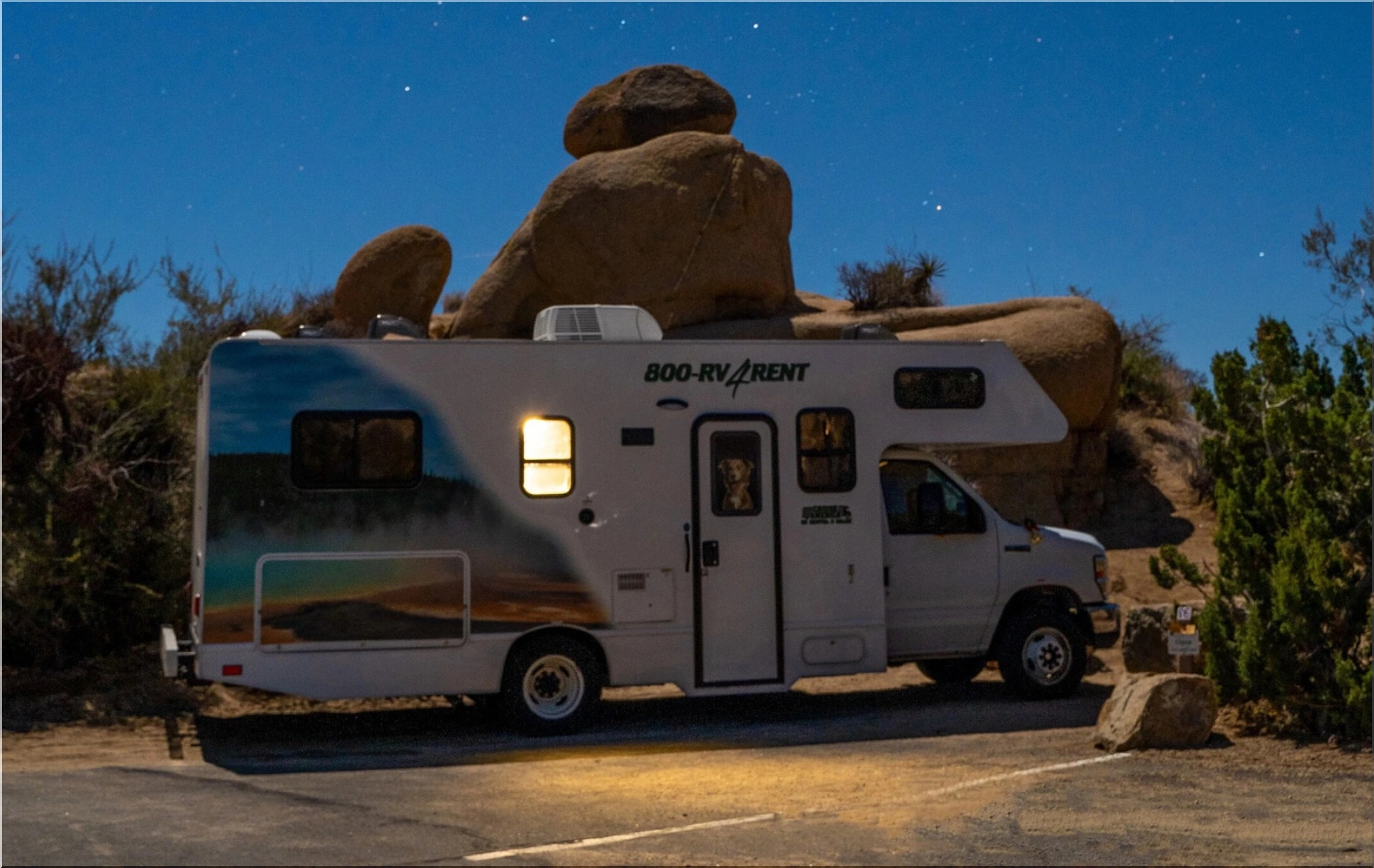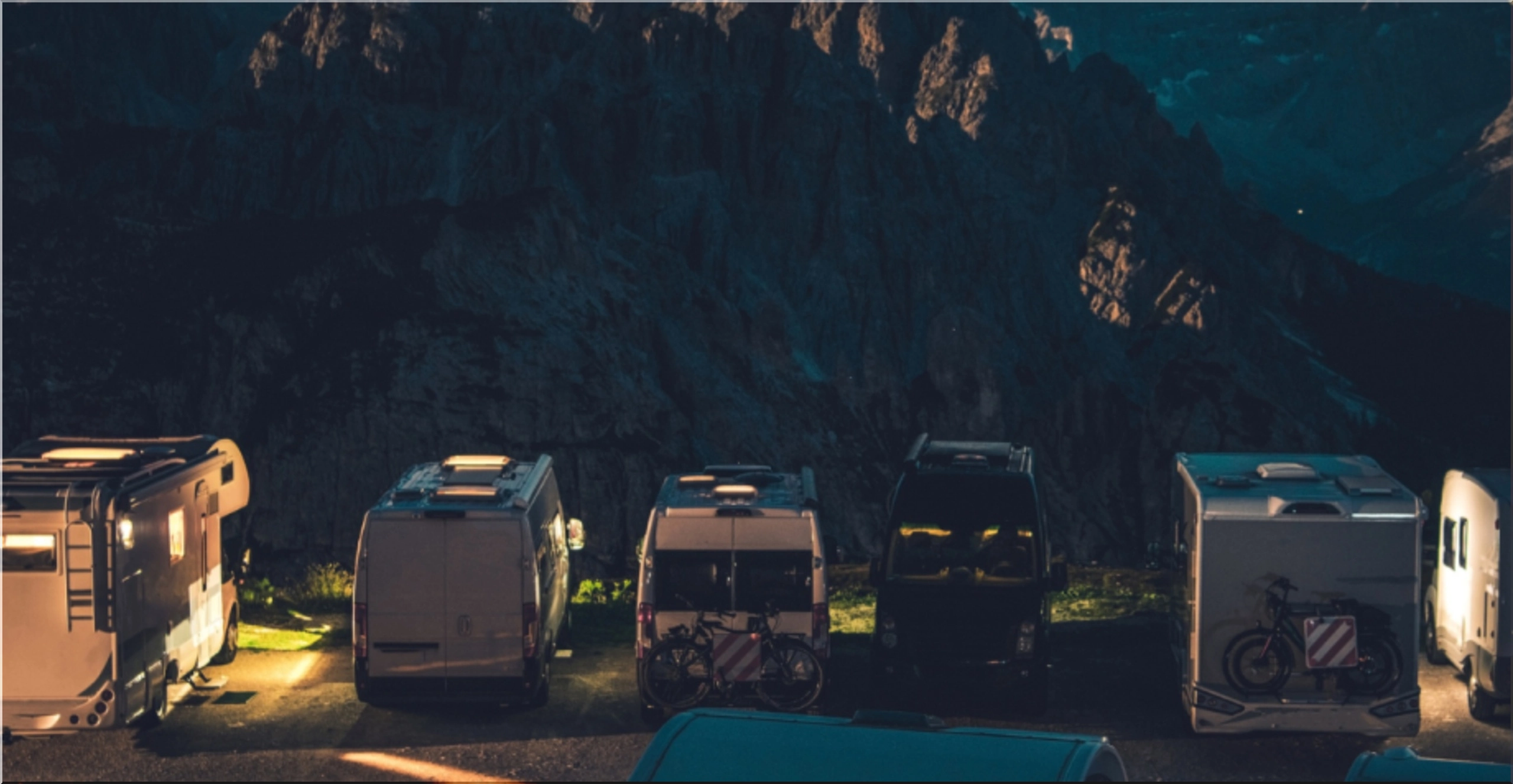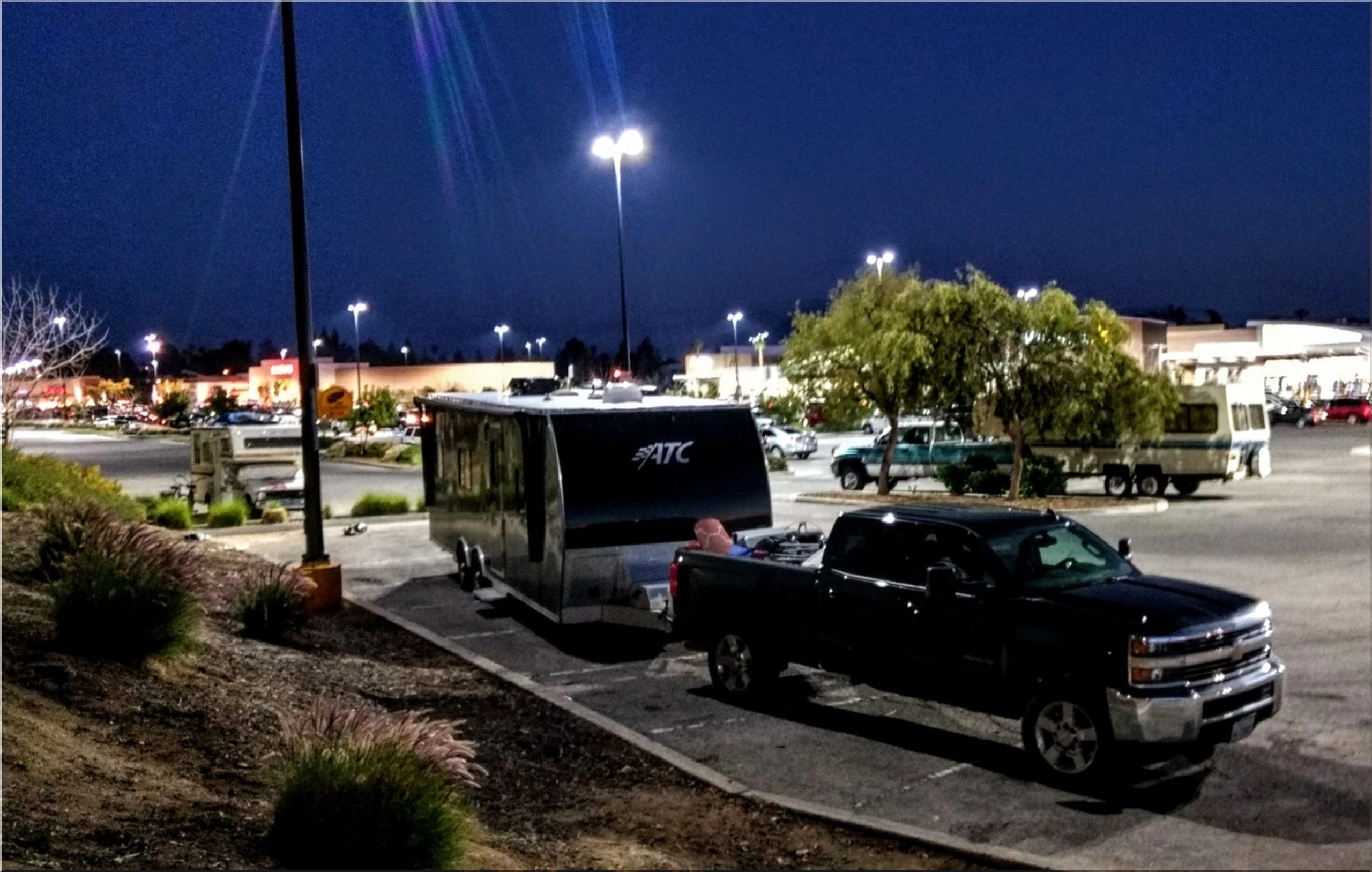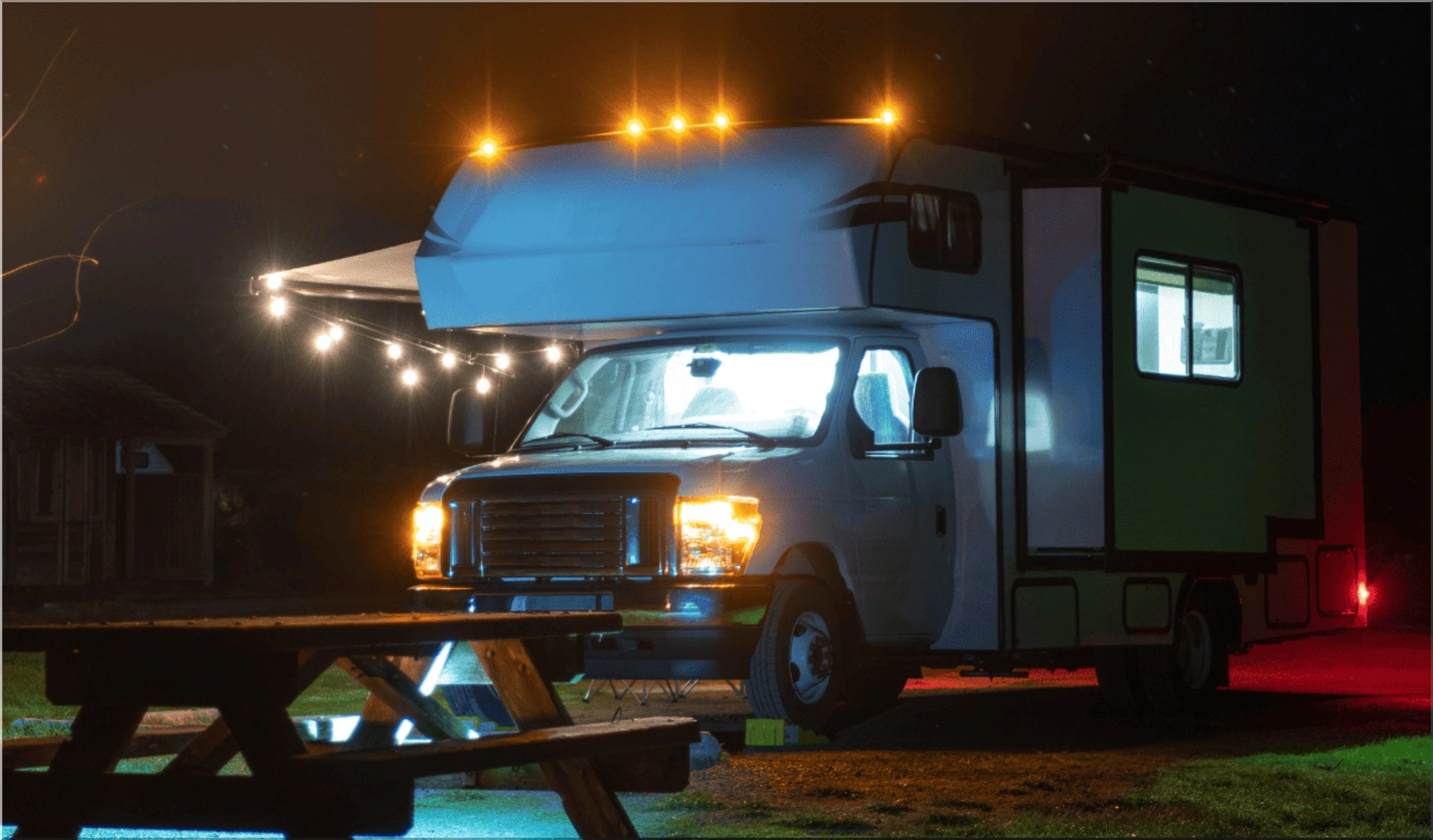
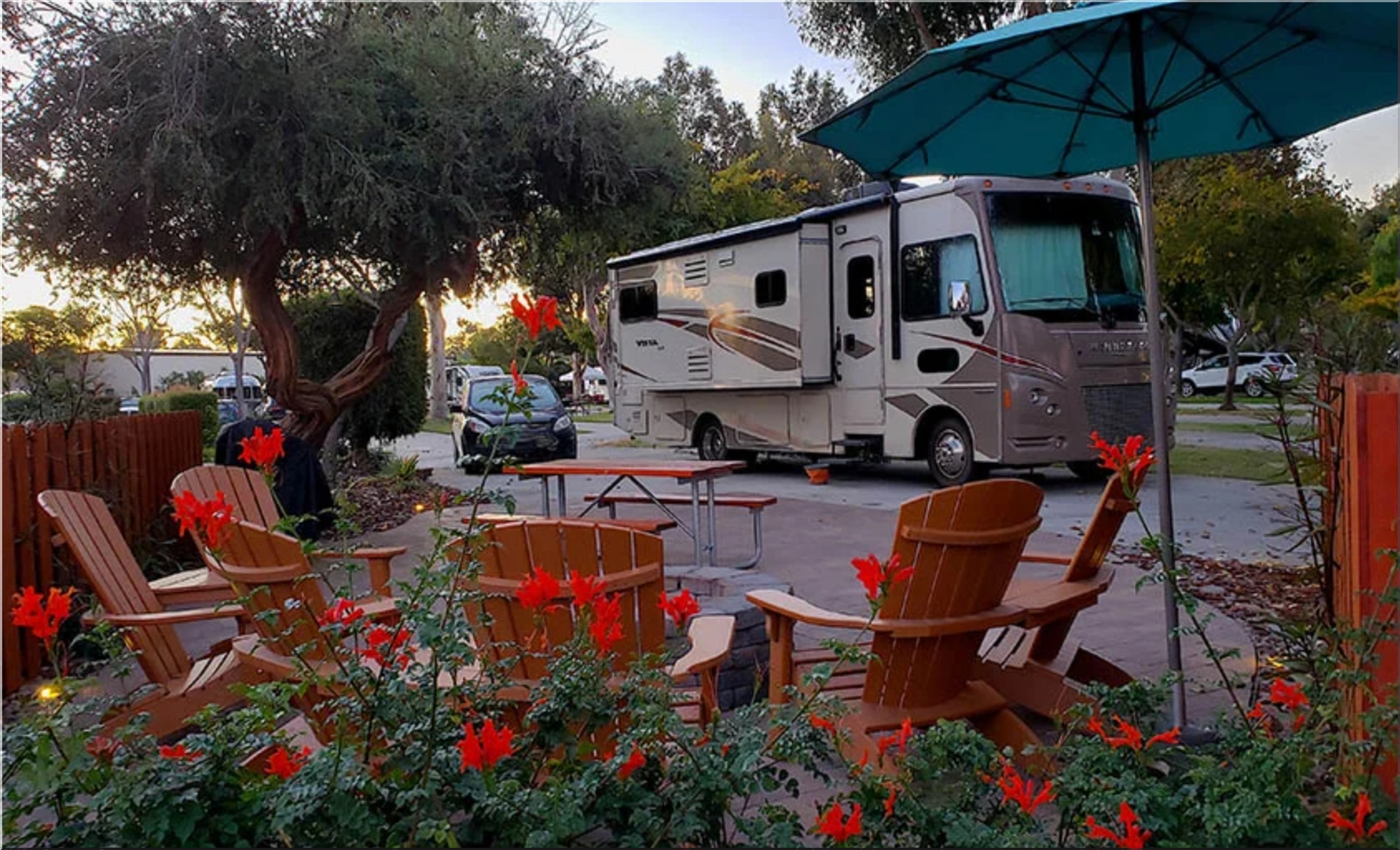
The best free overnight RV parking spot is the one that says yes tonight. A lot that worked last spring may post a tow sign this week. A store that welcomed rigs for years may stop after one messy weekend.
Start With the Rule That Saves Tickets
Overnight RV parking runs on three things: local law, posted signs, and permission from the property owner. Ask first. Read the lot. Stay one night. Leave early.
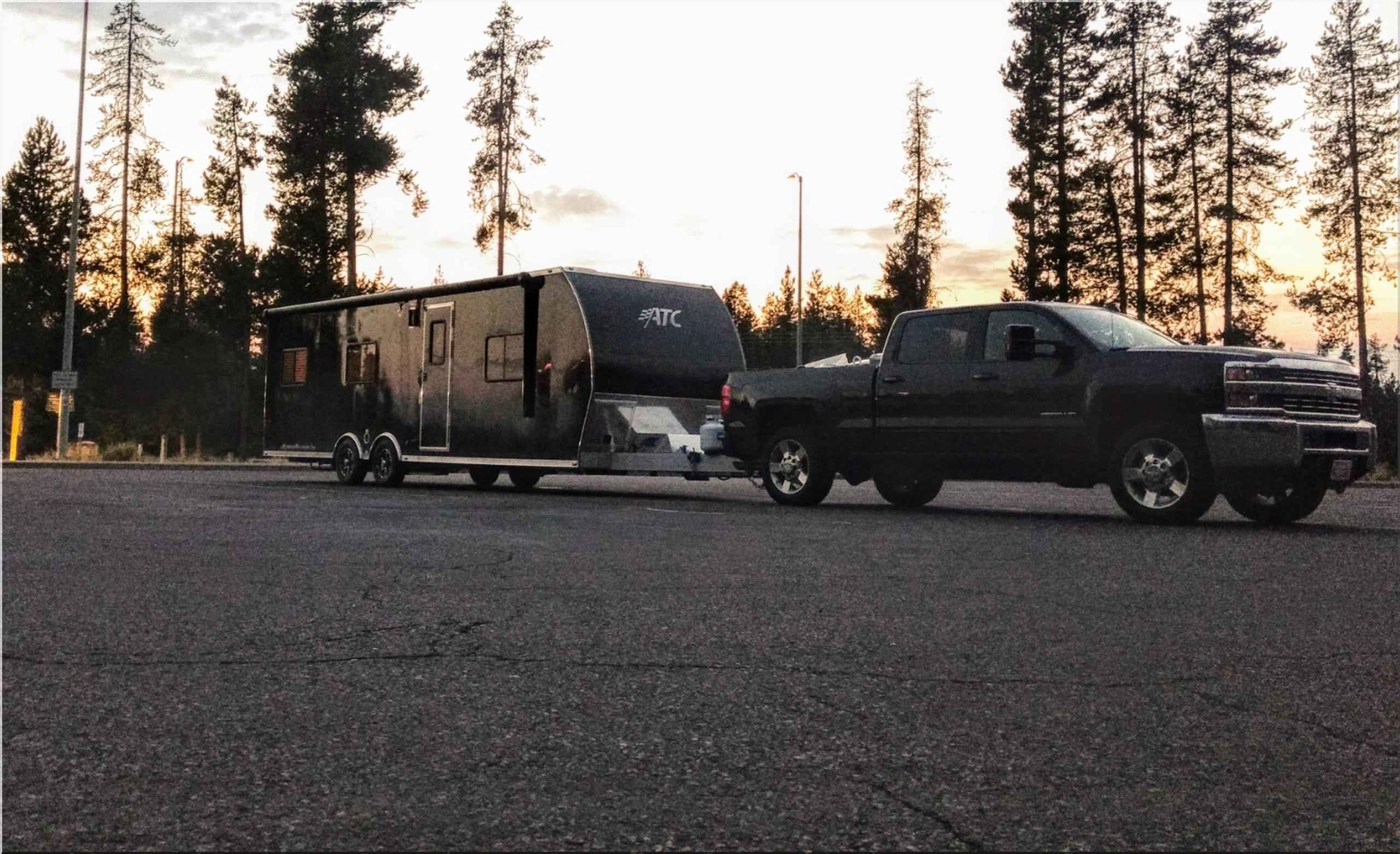
Permission beats parking lore
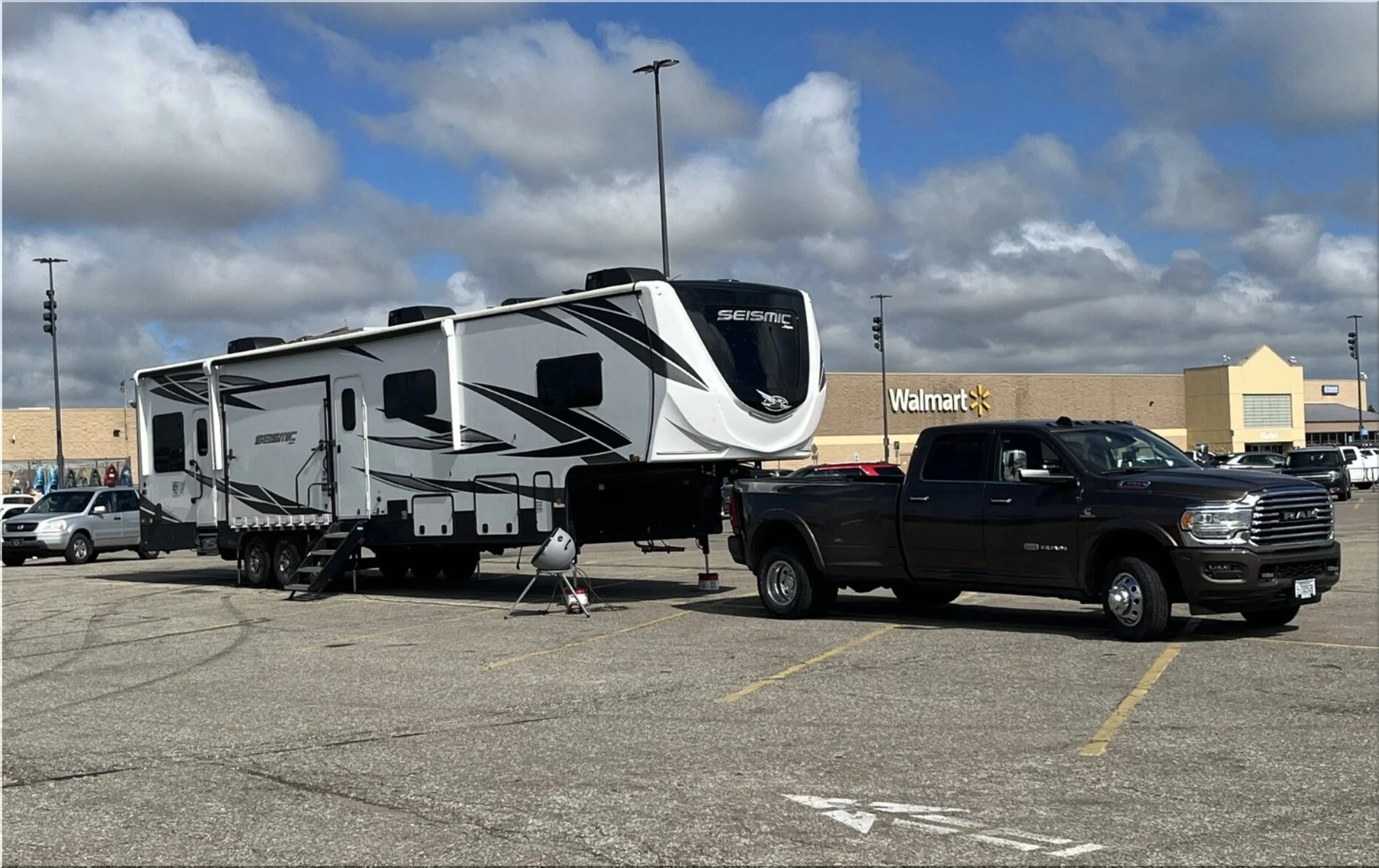
Walmart allows RV parking at some stores, but not as a blanket promise. Store managers decide based on space and local law. The same goes for Cracker Barrel, truck stops, churches, casinos, and many other private lots.
That is why the smart move is simple: go inside, ask a manager or security guard, and park where they tell you.
1. Big-box parking lots can still work
The best-known example is Walmart overnight parking, but it is not alone. Some Bass Pro Shops, Cabela's, Lowe's, and Home Depot locations also allow a single overnight stay.
Use these lots like a guest, not a camper.
- Park on the outer edge of the lot
- Keep slides in if space is tight
- Skip grills, chairs, jacks, and generators
- Buy something inside
- Leave before the morning rush
2. Cracker Barrel works for a fast dinner-to-dawn stop
Many RV travelers like Cracker Barrel because some locations have long spaces that fit bigger rigs better than a standard retail lot. Dinner, sleep, and breakfast in one place has real value on a hard drive day.
Still, this is a location-by-location call. Check signs, ask the manager, and trust your gut.
3. Truck stops are practical, but rarely quiet
Truck stops work well when you need fuel, food, bright lights, and a fast stop off the interstate. Pilot lists overnight parking among its RV services, which makes truck stops one of the more reliable late-night options.
They are also loud. Give truckers the prime spaces they need, use marked RV parking when it exists, and pack earplugs.
4. Public land is often the best free option
If parking-lot sleeping sounds grim, BLM land and some national forest areas can be a better play. The Bureau of Land Management says most BLM lands allow dispersed camping unless the area is posted closed or carries special limits.
This option gives you room and dark skies. It also gives you fewer services. No hookups. Often no water. Sometimes no cell signal.
5. Rest areas and church lots are the wild cards
Rest areas can work in one state and fail in the next. Tennessee bans overnight parking at its welcome centers and rest areas and sets a two-hour limit. California uses 8-hour parking rules at some rest areas. Same country, very different rulebook.
Church lots can also work, but only with direct approval. Some pastors will help a tired traveler for one night. Others will say no.
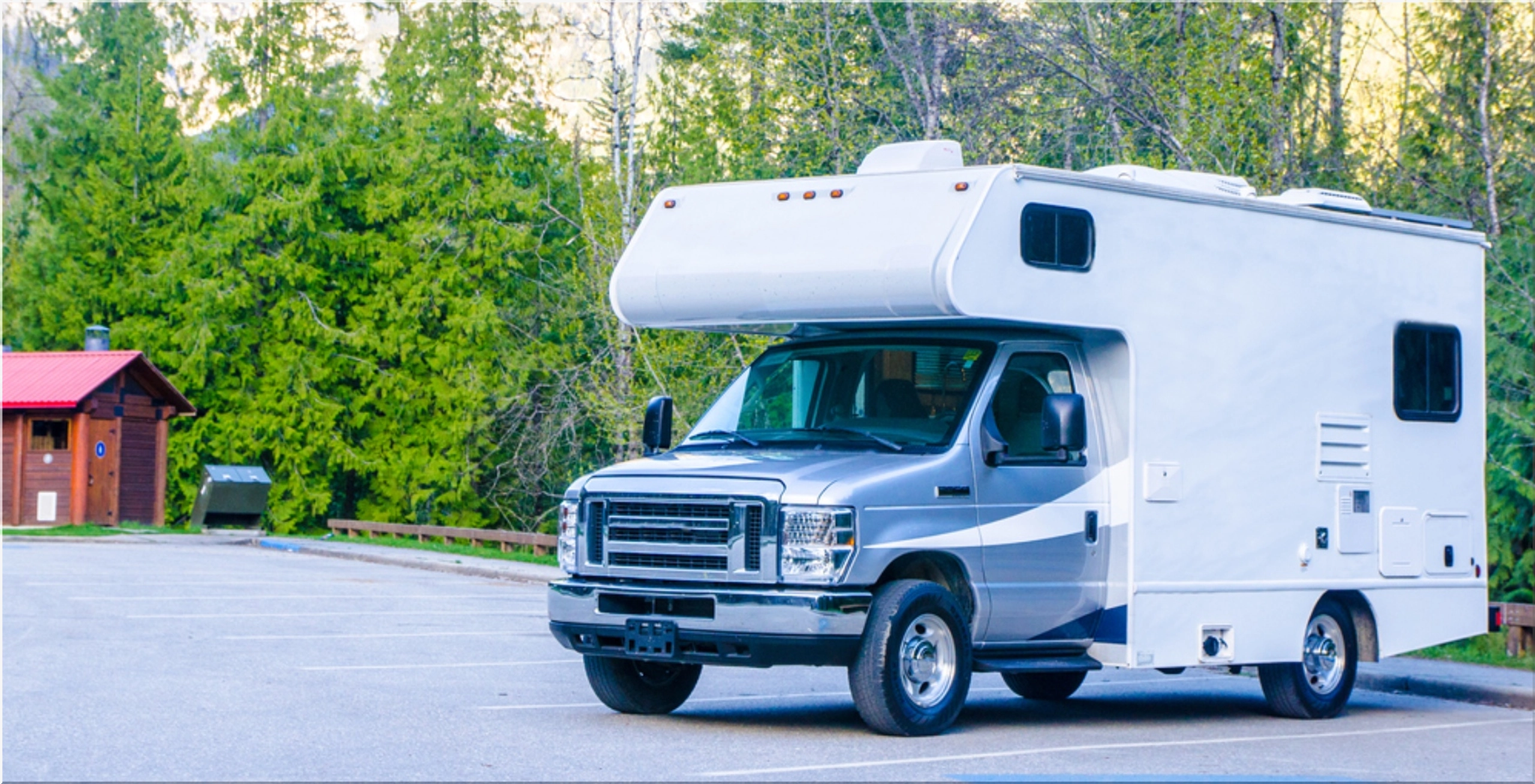
A quick way to size up each option
| Place | Best for | Main risk |
|---|---|---|
| Big-box store lots | One-night stop near supplies | Local bans or store policy |
| Cracker Barrel | Dinner, sleep, early departure | Rules vary by location |
| Truck stops | Late arrivals off major highways | Noise and truck-space conflicts |
| BLM land | Quiet off-grid nights | No hookups or services |
| Rest areas or church lots | Last-minute short stops | Rules change fast |
How to ask without making it awkward
Use this short script:
- Ask for the manager or security staff.
- Say you are traveling through and need one night only.
- Ask where they want you to park and when they want you gone.
Short, clear, polite. That works better than acting like the answer is owed to you.
What smart RVers do before bed
A good overnight parking stop should feel boring. Before you shut down, do a fast check:
- Scan for 'No Overnight Parking' signs
- Lock the rig
- Leave room for trucks, shoppers, and early deliveries
- Keep a backup stop ready
What now?
Build a short backup list for every drive day. Ask first, stay small, and leave early. That routine keeps free RV parking cheaper, easier, and far less stressful.