A tiny fly interrupts breakfast, your video call, even your search for types of prom dresses. Then another appears above the pothos. To get rid of fungus gnats, start with the pot: reduce excess moisture, catch flying adults, and control soil-dwelling larvae if needed. You can protect your plants without turning their roots into a chemistry experiment.
Check That Your Plants Are the Source
Fungus gnats look like miniature mosquitoes, with dark bodies, long legs, and delicate antennae. Adults usually measure about 1/16 to 1/8 inch. They often walk across damp potting mix or flutter near pots and windows.
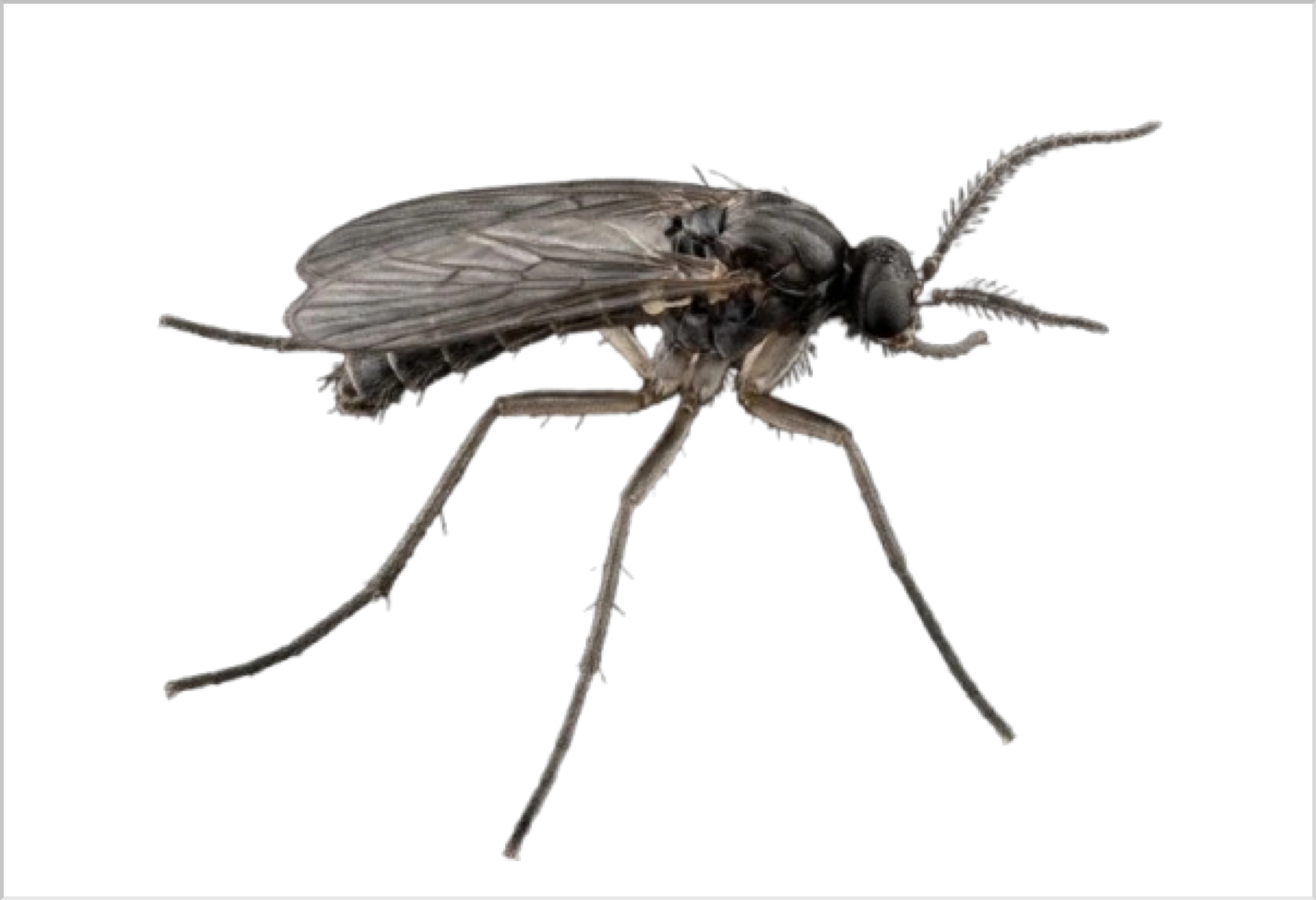
Fungus gnats are small flies whose larvae live in damp growing media and feed mainly on fungi and decaying plant debris.
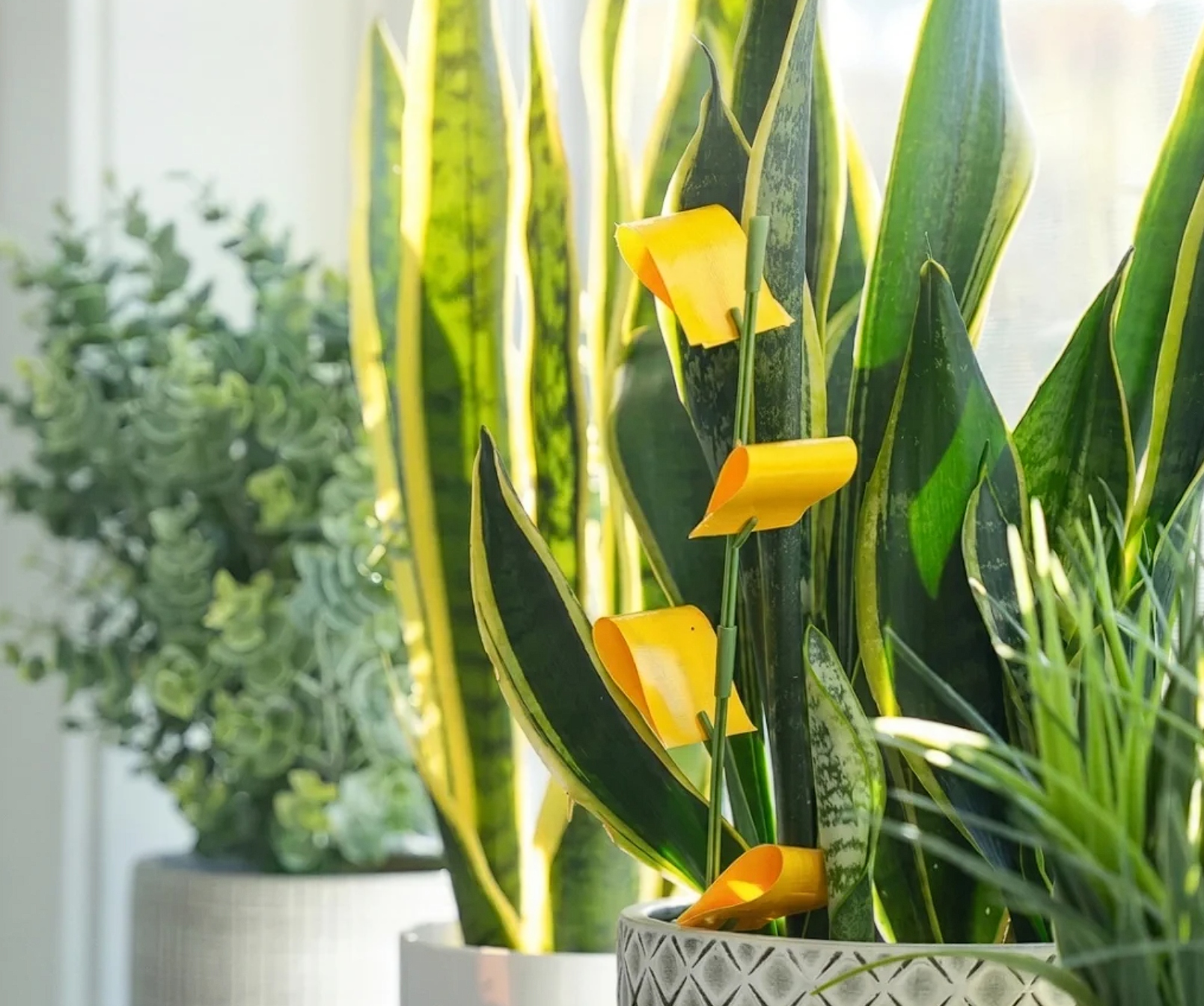
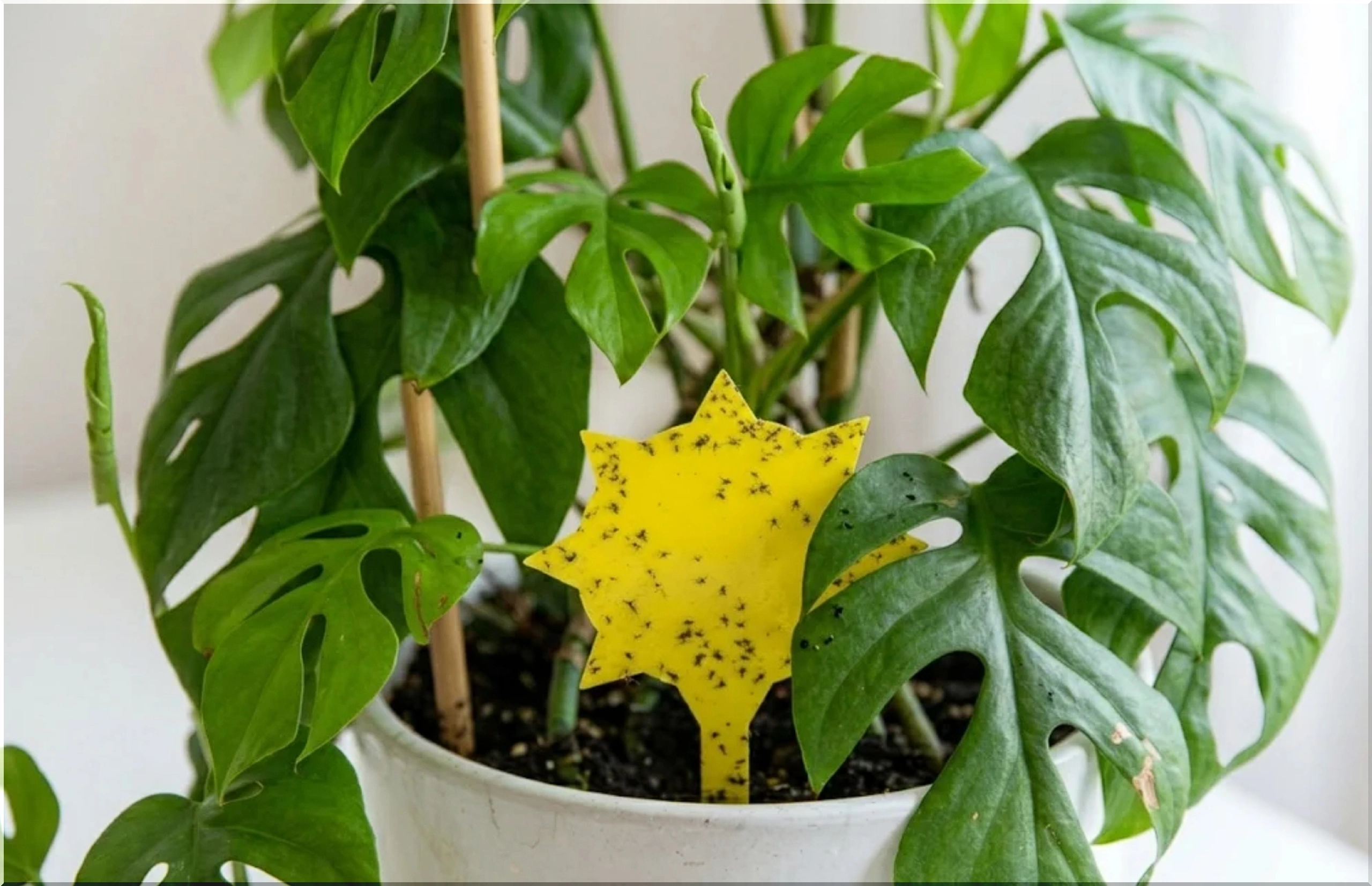
Watch each pot when you water. Flies running across the surface provide a useful clue. Place a yellow sticky card nearby to catch a specimen for closer inspection.
Fruit flies and fungus gnats need different controls. If flies cluster around ripe bananas, investigate the fruit bowl too. Persistent flies without an obvious plant source may come from other damp indoor sites.
Understand Why the Flies Keep Returning
The adults you see represent only part of the population. Eggs, larvae, and pupae occupy the potting mix, so swatting every visible fly leaves the next generation behind.
Most established houseplants tolerate fungus gnats without serious damage. Large larval populations can injure roots, with seedlings and soft cuttings facing greater risk. Yellow leaves alone don't prove that gnats caused trouble; poor drainage and root decay often explain declining plants.
Their life cycle takes a few weeks, depending on temperature. Expect control to take sustained effort rather than one enthusiastic afternoon. A trap full of adults shows that the trap works, but it doesn't prove the soil problem has ended.
Fix Watering Without Forcing Your Plant Into Drought
Constantly wet potting mix gives fungus gnats favorable breeding conditions. Frequent small drinks can keep the surface damp even when the plant needs less water.
For plants that tolerate it, let roughly the top inch of mix dry before watering again. Check moisture with your finger and compare the pot's weight before adding water.
Skip the rigid weekly schedule. A cool room, a large pot, and weak winter light can slow drying. A plant that needed frequent summer watering may need longer gaps now.
Use this short checklist:
- Check that drainage holes remain open.
- Empty saucers and decorative outer pots after watering.
- Remove fallen leaves and other decaying debris from the surface.
- Inspect nearby pots rather than focusing on the busiest one.
- Keep affected plants away from unaffected groups where practical.
Protect the plant's moisture needs throughout. Don't dry a fern or young seedling until it wilts. For plants that need consistently moist roots, biological controls offer another route.
Pro-Tip: Lift a pot after watering and again when that plant next needs water. The difference helps you judge moisture without trusting a dry-looking surface alone.
Can Bottom Watering Stop Fungus Gnats?
Bottom watering can help keep the surface drier, but it won't clear an established population by itself. Moisture can still move upward through the mix, and larvae can survive while suitable damp sites remain.
If this method suits your plant, place its nursery pot in a shallow container of water. Let the mix take up moisture, then remove the pot and let surplus water drain. Don't leave it sitting in a full saucer.
Check the surface afterward. If it stays wet for days, switching the direction of watering hasn't fixed the cause.
Choose Controls for Adults and Larvae
Match each tool to the job. Start with moisture checks and monitoring; add a larval control if flies persist or vulnerable young plants need protection.
| Method | Main job | Practical limit |
|---|---|---|
| Yellow sticky cards | Catch adults and track activity | Leave eggs and larvae in the mix |
| Plant-specific watering changes | Reduce damp breeding conditions | Must respect the plant's water needs |
| Bti products | Kill feeding larvae | Need repeat applications under label directions |
| Steinernema feltiae nematodes | Attack larvae in the potting mix | Need careful storage and moist soil |
Use Yellow Sticky Traps as Your Progress Check
Safer Home Houseplant Sticky Stakes provide a current example of a ready-made trap for pots. The SH5026 pack contains 16 traps and eight stakes, without chemical insecticides.
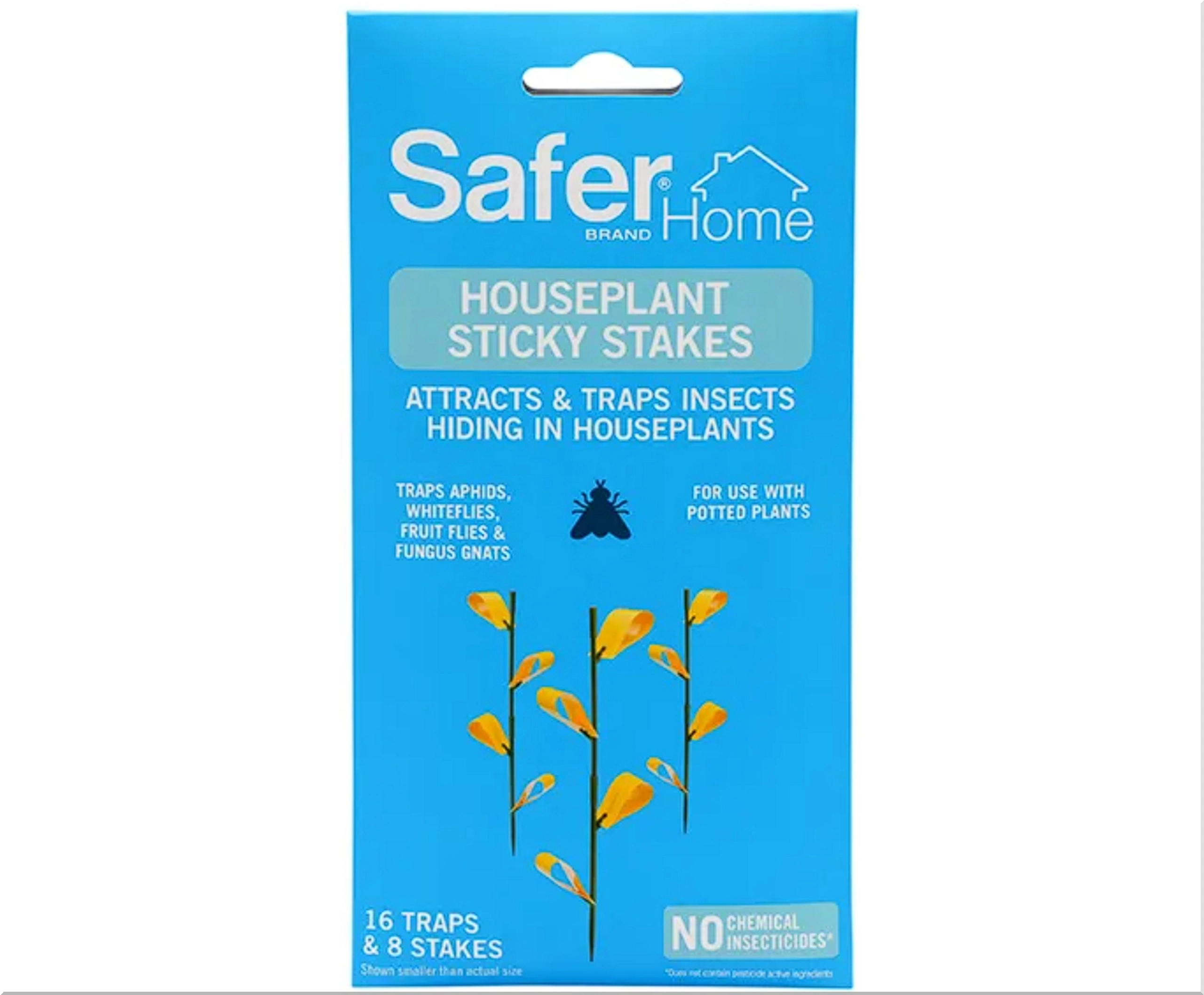
Position a trap close to the potting surface, following its directions. Keep sticky faces away from leaves, curious pets, and children's hands.
Write the date on each fresh trap. Photograph it after several days, then compare catches over similar periods. Ten flies over two days and ten over two weeks tell different stories.
Use these cards indoors around affected pots. Outdoors, sticky traps can also catch helpful insects. Replace full or dirty cards so each check gives you useful evidence.
Use Bti Against Fungus Gnat Larvae
Bti, short for Bacillus thuringiensis subspecies israelensis, controls susceptible fly larvae after they eat it. It differs from Bt products that target caterpillars, so check the full ingredient name.
Summit Mosquito Bits offers a practical example. Despite the mosquito-focused name, the manufacturer supplies directions for fungus gnat larvae in growing media.
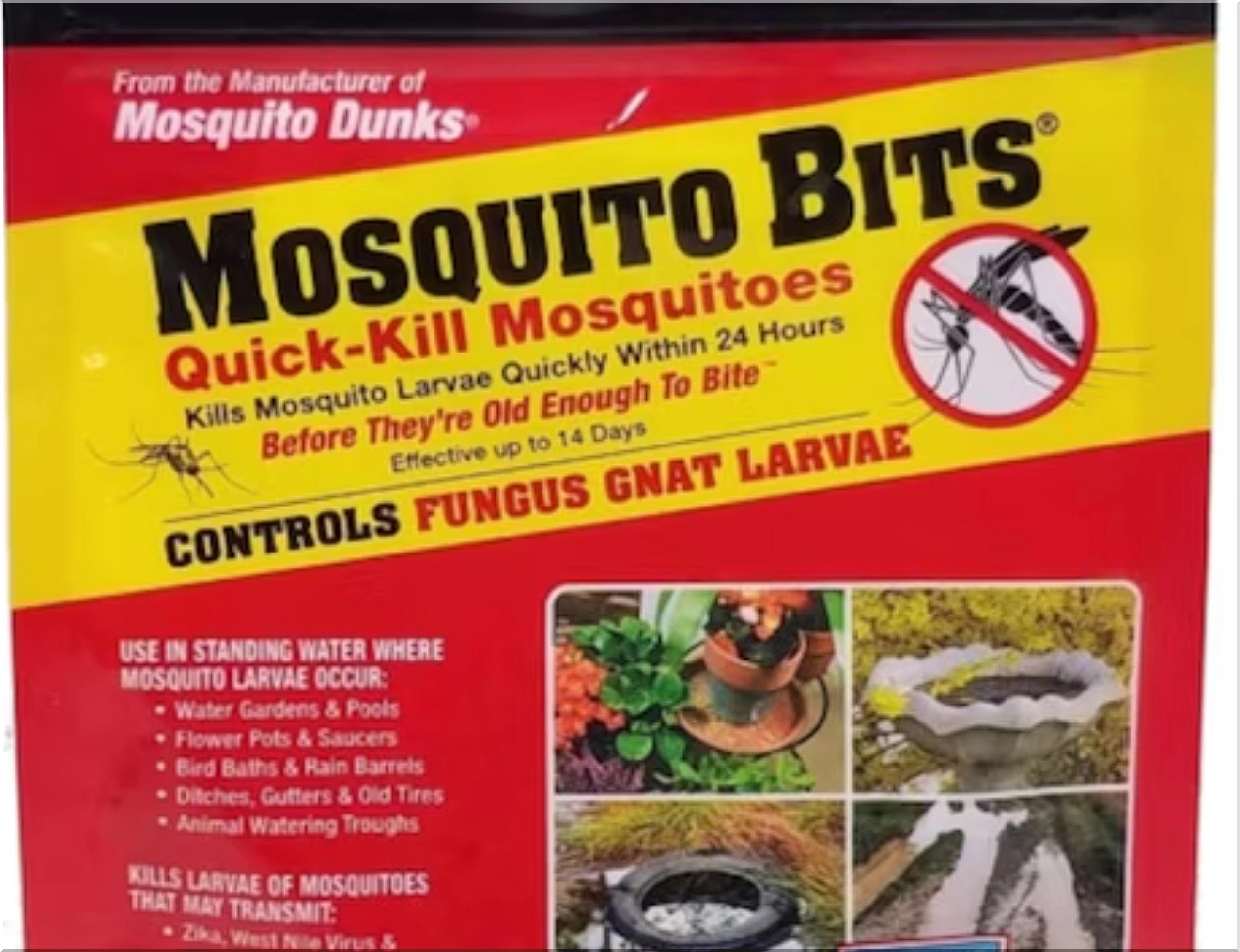
Its published US specimen label gives this sequence:
- Add four tablespoons of granules to one US gallon of water.
- Wait 30 minutes, then remove the floating granules.
- Agitate the liquid and apply it to the potting surface.
- Repeat at weekly intervals for three weeks, as the label directs.
Follow the directions and precautions on your own package if they differ. Check local availability and permitted uses before buying.
Apply the liquid as part of watering, rather than adding extra water to an already saturated pot. If your plant stays soggy through the next application date, address drainage and seek plant-specific help.
Bti leaves eggs, pupae, and adults untouched. Continue monitoring while repeat applications reach newly hatched larvae. Choose a product whose label covers your intended use, including edible indoor plants if relevant.
Consider Beneficial Nematodes for Moisture-Loving Plants
Steinernema feltiae nematodes are microscopic living organisms that attack fungus gnat larvae. They suit situations where severe drying would stress the plant.
ARBICO Organics sells NemAttack Pro Sf with this species. Its current instructions call for refrigerated storage, prompt use, and application to moist soil. Check the expiry date before ordering, and choose a pack size that fits your plant collection.
Mix and apply the product exactly as the supplier directs. Its label calls for moist soil for two weeks afterward. Aggressively drying the same pot can undermine the nematodes.
You don't need to buy every control at once. For a few pots, start with watering changes and sticky cards. Add one suitable larval control if the population keeps going.
Skip Kitchen Experiments That Add Risk
An apple cider vinegar trap may help with fruit flies, but it offers poor evidence of fungus gnat activity. Yellow cards make a better monitoring choice beside houseplants.
Hydrogen peroxide deserves caution. It acts as a strong oxidizer and can kill organisms other than the target pest. Seedlings need particular care, so skip casual peroxide recipes around tender roots.
Avoid pouring dish soap or bleach into pots. Household cleaners lack the plant-specific directions that a suitable pest-control product provides. More bubbles don't equal better control.
You also don't need to bury every pot under gravel. First check watering and drainage; a decorative surface can make moisture checks harder without solving the wet mix underneath.
Repot When the Mix Needs Replacing
Repotting can remove eggs and larvae with the old mix, but it also disturbs roots. Reserve it for a pot that stays wet, poor drainage, or persistent activity despite consistent care.
Use fresh commercial potting mix suited to the plant and a clean container with drainage holes. Keep discarded mix away from your other indoor pots.
Work gently around roots. Repeatedly stripping and washing a healthy root system can cause unnecessary damage. If roots look unhealthy, ask a local extension service or experienced nursery for help before changing several things at once.
Store spare potting mix in a closed container. Avoid bringing garden soil or long-open outdoor bags into your indoor planting routine.
What Should You Do Over the Next Month?
Start today with a moisture check and fresh sticky cards. Remove debris, empty standing water, and identify every pot with activity.
During the following weeks, keep the setup consistent:
- Compare trap catches over equal time spans.
- Follow your chosen product's full application schedule.
- Check plant health alongside insect numbers.
- Inspect new plants separately for one to two weeks before grouping them with others.
Allow several weeks for improvement. Some adults may still appear while existing pupae complete development, even after you reduce larvae.
If catches stay high, check overlooked pots, stored mix, and other damp sites. If a plant declines, investigate its roots and growing conditions rather than assuming the flies explain everything.
Your next move is simple: check the wettest pot and place a dated card beside it. That gives you a starting point, a practical task, and a way to see progress without guessing.