A beautiful yard should not demand your entire weekend, your water bill, and your last shred of patience. A low-water garden solves that problem with tougher plants, smarter watering, and fewer chores disguised as hobbies.
Why Low-Water Garden Design Fits Real Life in 2026
The old lawn-first yard made sense when water felt cheap, summers felt mild, and Saturday mowing counted as normal adult behavior. That idea now looks tired. Many homeowners want a garden that handles heat, supports pollinators, and still looks good when life gets busy.
A low-water garden design cuts the thirsty parts first. That usually means less turf, fewer tiny pots, less bare soil, and fewer plants that collapse during a dry week. You still get color, texture, scent, and a place to sit with coffee. You just stop building a yard that acts like a needy houseguest.
This shift also suits small yards, patios, and new-build plots. You need a sensible plan, a few strong plant choices, and the courage to let the lawn stop running the meeting.
What Is a Low-Water Garden?
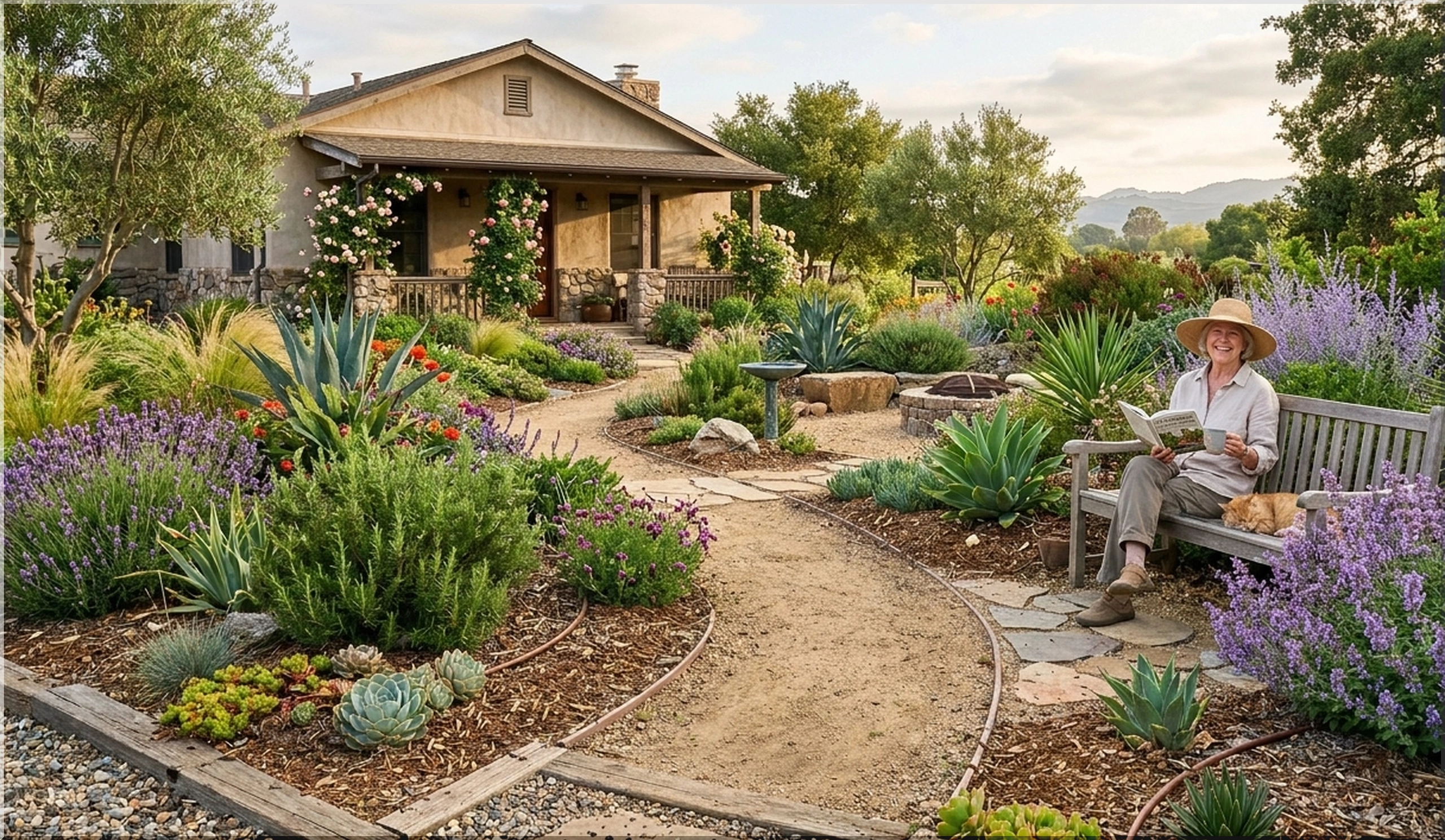
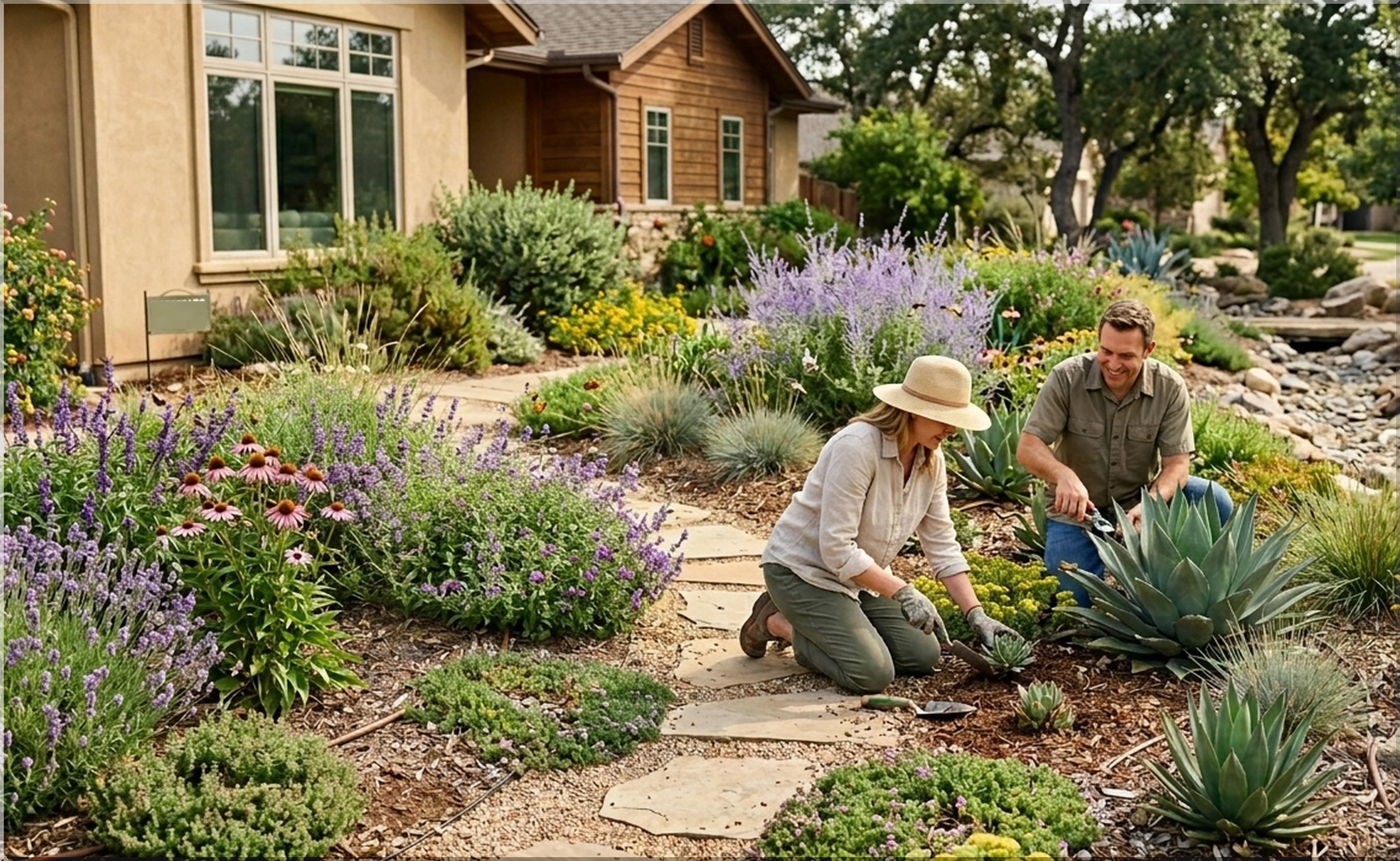
A low-water garden uses plants, soil care, hard surfaces, and watering methods that reduce regular irrigation after plants settle in. It does not mean a dry, gray patch of gravel with one sad cactus guarding the mailbox.
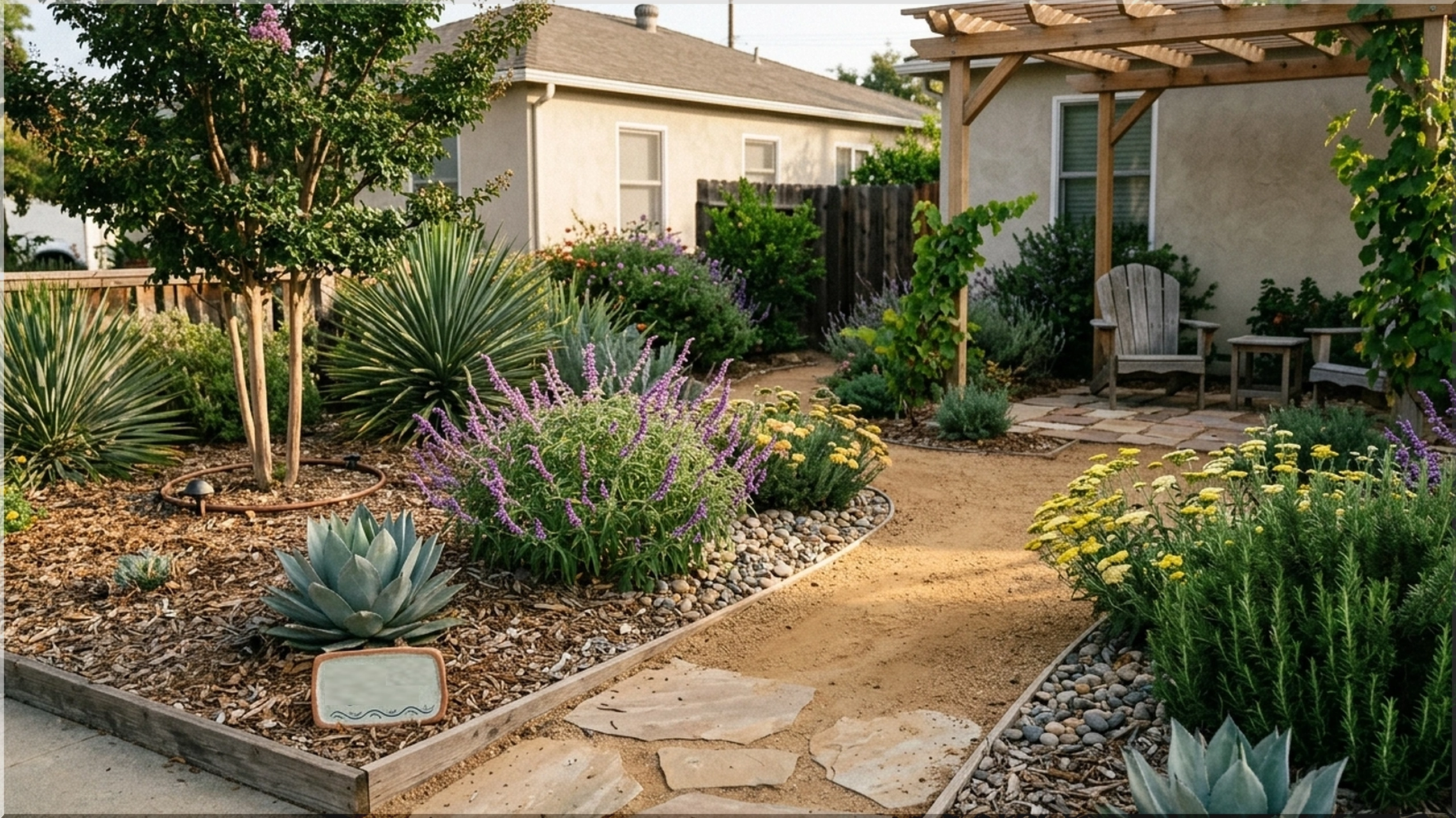
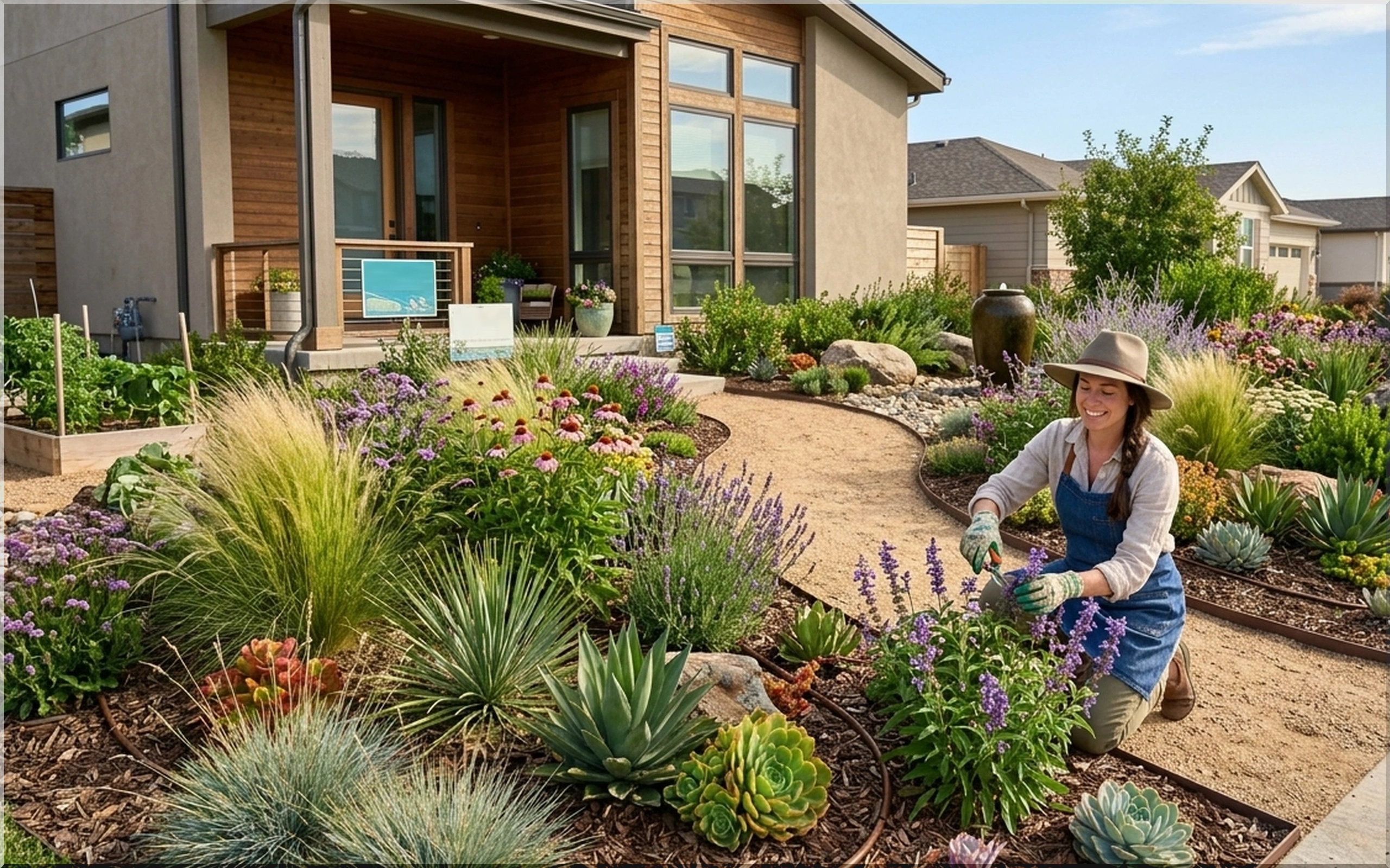
Good water-wise gardens use layers. Taller shrubs give structure. Perennials add color. Groundcovers protect soil. Mulch locks in moisture. Paths, seating areas, and gravel zones reduce the amount of living area that needs watering.
Start With the Biggest Water Hog: The Lawn
Grass gives a soft place to play and a clean visual base. It also asks for mowing, feeding, edging, and frequent watering during hot spells. Small lawns often create the worst trade: plenty of work, little payoff, and almost no room for planting.
You do not have to remove every blade. Start with the lawn you rarely use: the strip beside the fence, the awkward corner behind the shed, or the front patch you only view while dragging bins to the curb.
Replace unused turf with:
- Drought-tolerant perennials such as yarrow, catmint, salvia, coreopsis, and lavender
- Ornamental grasses that add movement without daily care
- Low groundcovers for dry, sunny spaces
- Gravel paths with planting pockets
- A small seating pad made with permeable pavers or compacted gravel
Keep useful grass where it earns its keep. Lose the rest. Your mower will not send a thank-you card, but it should.
Choose Plants That Like Your Garden, Not Your Pinterest Board
The best low-effort plant is the one that already likes your light, soil, rain pattern, and winter cold. That sounds obvious. Garden centers still prove otherwise every spring, when thousands of optimism-fueled shoppers buy plants that need spa-level care.
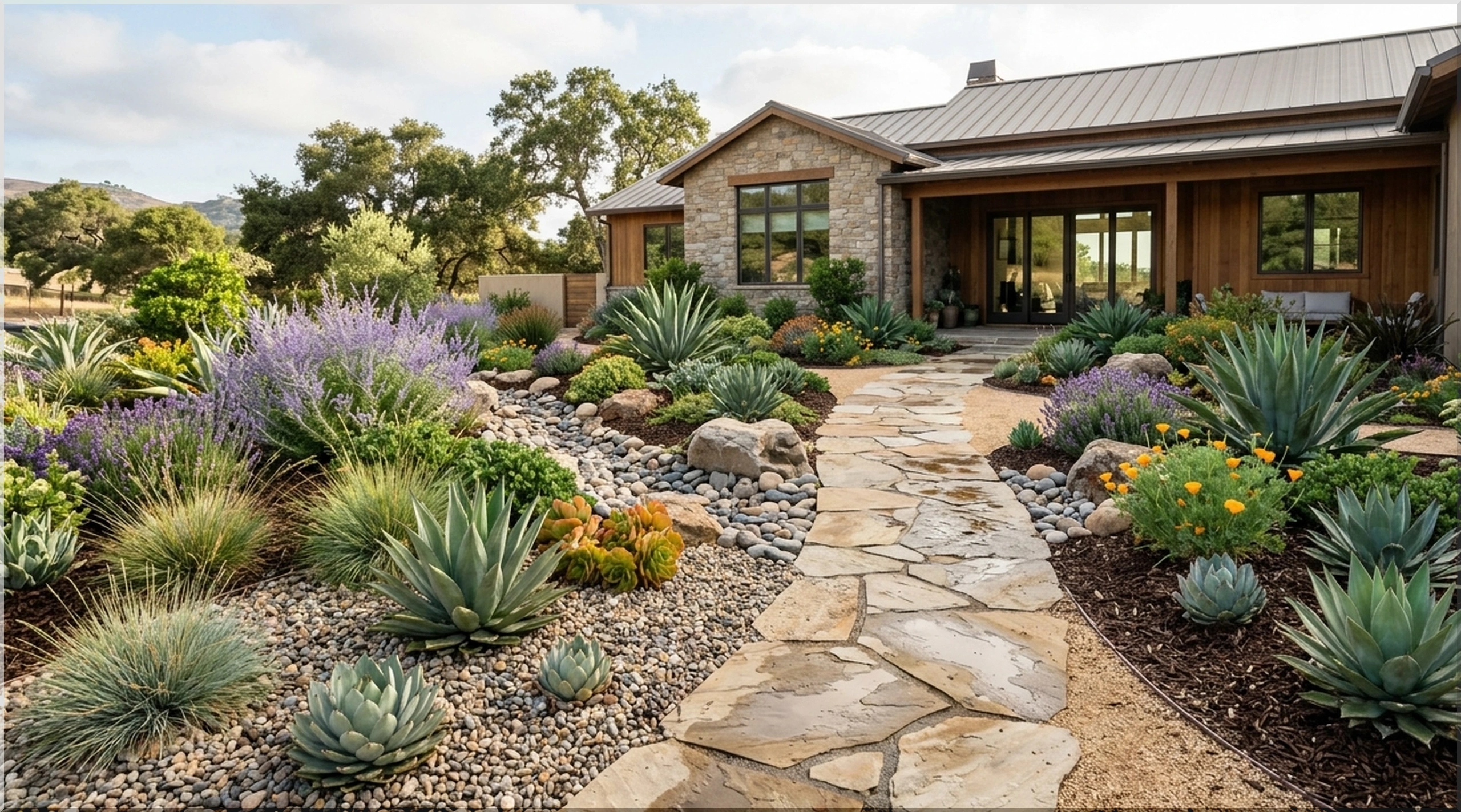
Use the right plant, right place rule. Dry sunny soil suits lavender, thyme, sedum, Russian sage, salvias, and ornamental grasses. Light shade can suit sedges, hardy geraniums, and shade-tolerant groundcovers.
Native plants deserve a serious look because many already fit local conditions. In many regions, native grasses and perennials support insects, birds, soil health, and water savings. They also tend to need less feeding and spraying than high-maintenance ornamentals once established.
Easy Plant Groups for a Low-Water Garden
| Plant group | Why it works | Good use |
|---|---|---|
| Ornamental grasses | Add shape, movement, and drought tolerance | Borders, gravel beds, sunny slopes |
| Mediterranean herbs | Enjoy sun, drainage, and lean soil | Edges, pots, near seating |
| Native perennials | Support local wildlife and settle well | Lawn swaps, pollinator beds |
| Groundcovers | Shade soil and reduce weeds | Under shrubs, dry corners |
| Tough shrubs | Give year-round structure | Front yards, screens, foundations |
Build Soil That Holds Water Longer
A lazy garden should not mean lazy soil. Soil decides how often you water, how many weeds arrive, and how well roots cope with heat. If your soil dries like dust or drains like a broken mug, plants will struggle.
Add compost before planting. It helps sandy soil hold moisture and helps heavy soil work better. Do not overfeed drought-adapted plants. Many prefer lean soil and good drainage. Rich, wet soil can make them floppy and short-lived.
Then add mulch. Organic mulch, such as shredded bark, leaf mold, wood chips, or composted green waste, shields soil from sun and wind. It also slows weed growth and helps rain sink in instead of running away.
Use mulch well:
- Water the soil before adding it.
- Spread a layer around 2 to 3 inches deep.
- Keep mulch away from plant crowns and tree trunks.
- Top it up as it thins.
- Avoid rubber mulch in planting beds.
Pro-Tip: Put most of your mulch budget near young plants. New roots need steady moisture during their first season. Established plants cope better, but babies still need snacks and supervision.
Water Less Often, But Water Better
Many gardens do not suffer from too little effort. They suffer from badly aimed effort. A sprinkler running at noon can waste water through wind, runoff, and evaporation while still leaving roots thirsty.
A drip irrigation system or soaker hose sends water near the root zone. Add a simple timer, and you avoid watering everything twice during guilt and zero times during a busy week.
Early morning watering works best in many gardens. The soil takes in moisture before heat rises, and leaves dry during the day. Deep, less frequent watering also trains roots downward, which helps plants cope during dry spells.
Rain barrels can help too. They collect roof runoff for containers, new plants, and dry spells. Check local rules first, then place barrels near the beds you actually water.
Make Containers Less Thirsty
Tiny pots look charming for about 11 minutes. Then summer arrives, and they turn into terracotta shot glasses. Small containers dry fast, heat up fast, and punish anyone who leaves for a weekend.
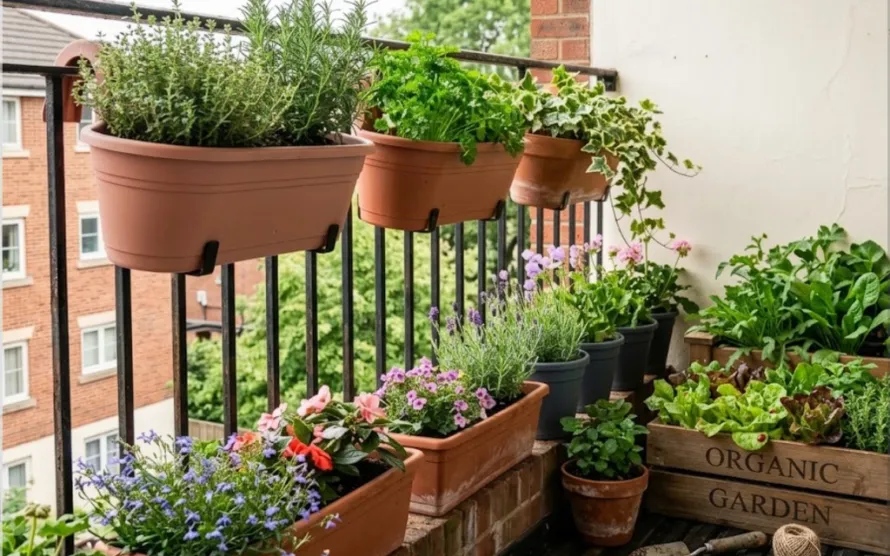
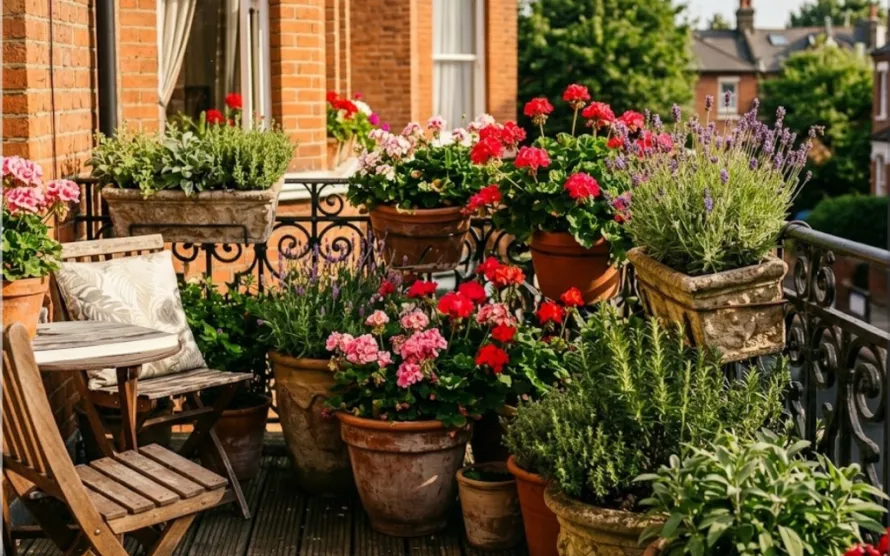
For a low-maintenance garden, go bigger. Large pots hold more soil, which means roots stay cooler and moisture lasts longer. Group pots together to create shade around their sides. Use drought-tolerant plants, not thirsty annuals that demand constant rescue.
Good container choices include rosemary, thyme, lavender, sedum, dwarf grasses, pelargoniums in sunny spots, and compact shrubs suited to your climate. Add a saucer only where drainage still works. Wet roots cause just as many problems as dry ones.
A Simple Container Rule
Pick one large planter over five tiny ones. You get stronger visual impact, easier watering, and fewer crispy plant funerals.
Design for Fewer Chores From Day One
Low-water gardening works best when the layout saves labor before you plant anything. Curves that trap the mower, skinny strips of grass, bare soil, and crowded plant mixes all create future work.
Keep the design simple. Repeat a limited plant palette in generous groups. Leave enough space for mature size. Add permanent edging where beds meet grass or gravel. Use stepping stones for access, so you do not compact soil while reaching the back of a border.
A good lazy garden has clear zones:
- Sitting area
- Main planting beds
- Access paths
- Storage or compost spot
- Any remaining lawn with easy edges
This kind of plan makes maintenance obvious. You can see what needs trimming, what needs watering, and what needs ignoring. Ignoring remains an underrated gardening skill.
The 5-Step Plan for a Garden That Almost Runs Itself
Start small, then build. A half-finished water-wise yard beats an expensive mess that stalls after one heroic weekend.
- Audit your yard. Track sun, shade, dry spots, wet spots, foot traffic, and the lawn areas you use.
- Remove one problem zone. Start with a thirsty strip of turf, a dead corner, or a cluster of tiny pots.
- Improve the soil. Add compost where needed and loosen compacted planting areas.
- Plant in layers. Use shrubs, perennials, grasses, herbs, and groundcovers suited to the site.
- Mulch and water deeply. Help new plants settle, then reduce watering as roots grow.
This phased plan keeps costs under control. It also gives you time to learn how your garden reacts before you change everything.
Common Mistakes That Make Low-Water Gardens Harder
The biggest mistake? Planting drought-tolerant plants, then watering them like lettuce. Many water-wise plants need regular moisture during establishment, then prefer a lighter hand. Too much water can weaken roots and invite disease.
Another mistake involves gravel. Gravel helps in the right place, but gravel alone does not make a garden low-water. Without plants, shade, and soil care, it can heat up and look harsh. Use gravel as a path, mulch for suitable plants, or a design base with planting pockets.
Crowding causes trouble too. Small starter plants tempt people into tight spacing. Two years later, the garden turns into a leafy wrestling match. Read mature sizes, then trust them. Future you will seem strangely wise.
Low-Water Does Not Mean Low-Beauty
A water-wise garden can feel generous, colorful, and full of life. Mix fine grasses with broad leaves. Pair silver foliage with deep green shrubs. Add long-blooming perennials, seed heads, bark, stone, and scent.
Think in seasons, not one perfect June photo. Spring bulbs can rise through groundcovers. Summer perennials can carry color. Autumn grasses can glow. Evergreen shrubs can hold the garden together in winter.
Wildlife adds another layer of charm. Bees, butterflies, birds, and beneficial insects prefer gardens with food, shelter, and fewer chemicals. A low-water yard can become a small habitat that also saves you from mowing every spare minute. That feels like a fair trade.
Practical Next Steps
Start this week with one square section, not the whole yard. Remove one unused lawn patch, buy three to five plants suited to that exact spot, add compost where needed, and mulch well after watering. Then watch it for a season.
A beautiful low-water garden grows from smart restraint. Choose plants that want to live where you put them. Water at the roots. Cover the soil. Keep useful lawn, lose pointless lawn, and let the garden do a little more of its own work.