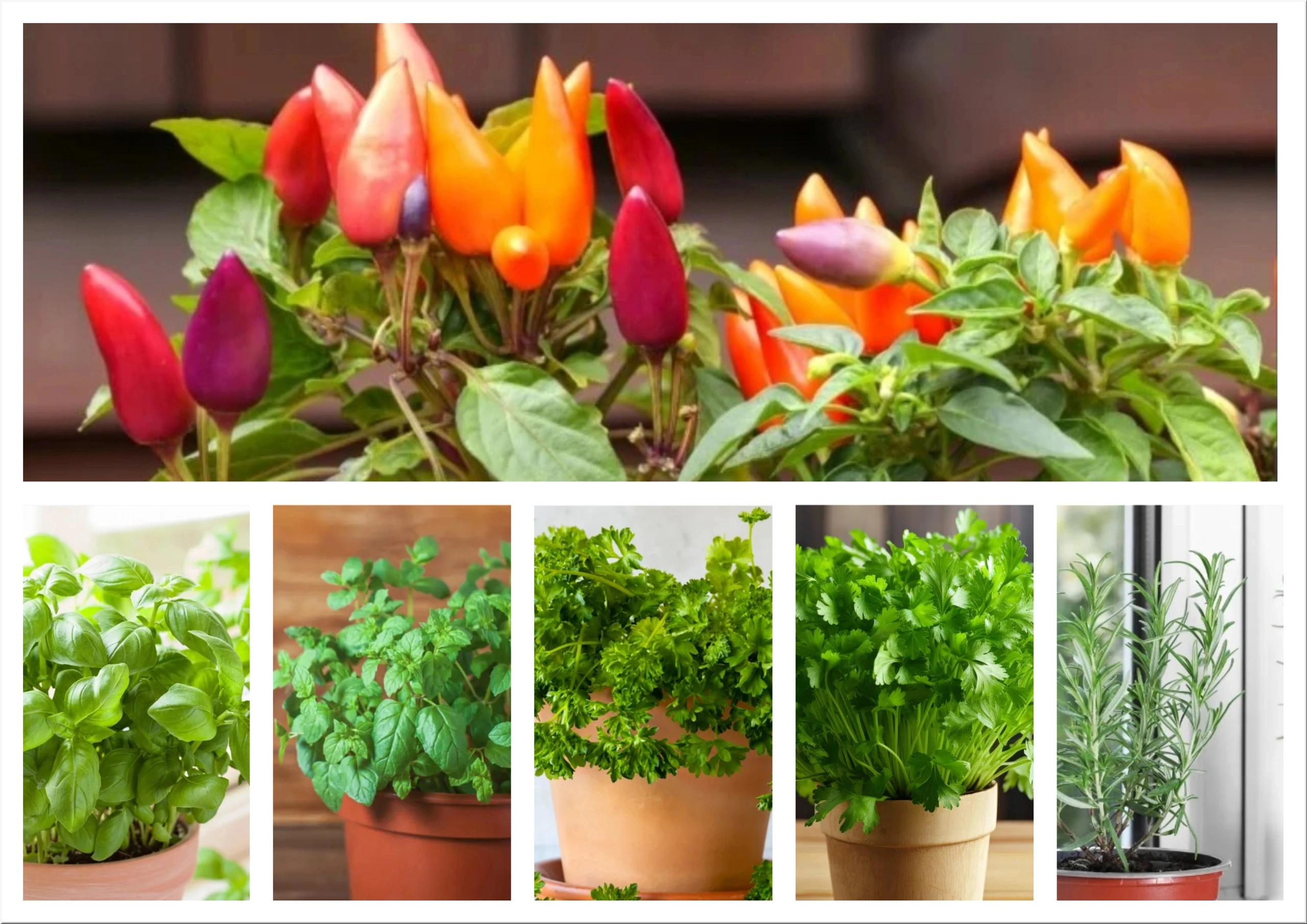
Your houseplants can do more than sit there looking leafy and expensive. A smart indoor setup can give you fresh garnish, real cooking staples, and a little smug satisfaction every time dinner gets a last-minute lift from something you grew three feet from the stove. The trick is simple: grow plants that like indoor life and pull their weight in the kitchen.
Why edible houseplants make sense
A good edible houseplant does two jobs at once. It adds life to a room and puts real food within arm's reach. That sounds small, but it changes how people cook. Fresh herbs get used more often when they are close by. A pot of chilies on a bright sill turns into a weeknight shortcut, not a weekend project.
Indoor growing also keeps things manageable. You do not need raised beds, a yard, or a grand plan. You need light, drainage, decent potting mix, and a short list of plants that forgive the usual indoor flaws.
That last part counts. Plenty of food plants hate indoor conditions. They want stronger sun, deeper roots, or more room than a kitchen corner can give. So skip the fantasy greenhouse mood and start with the plants that actually play nice indoors.
What makes a houseplant worth eating
Not every plant with edible parts belongs on your windowsill. Some are slow, fussy, or all leaf and no payoff. The best indoor edible plants share a few traits:
- They stay compact in pots
- They handle indoor temperatures well
- They bounce back after frequent trimming
- They offer strong flavor from small harvests
- They do not need a full backyard setup to produce
That is why herbs dominate this list. A single snip of basil or mint changes a dish fast. A tiny indoor tomato plant can be fun, but one bowl of pasta can erase your whole crop. Herbs are a better bargain.
A quick look at the best edible houseplants
| Plant | Light need | Ease level | Best use in the kitchen |
|---|---|---|---|
| Basil | 6 to 8 hours | Easy | Pasta, salads, sauces |
| Mint | Bright light | Very easy | Tea, desserts, drinks, sauces |
| Chives | 6+ hours | Easy | Eggs, potatoes, soups |
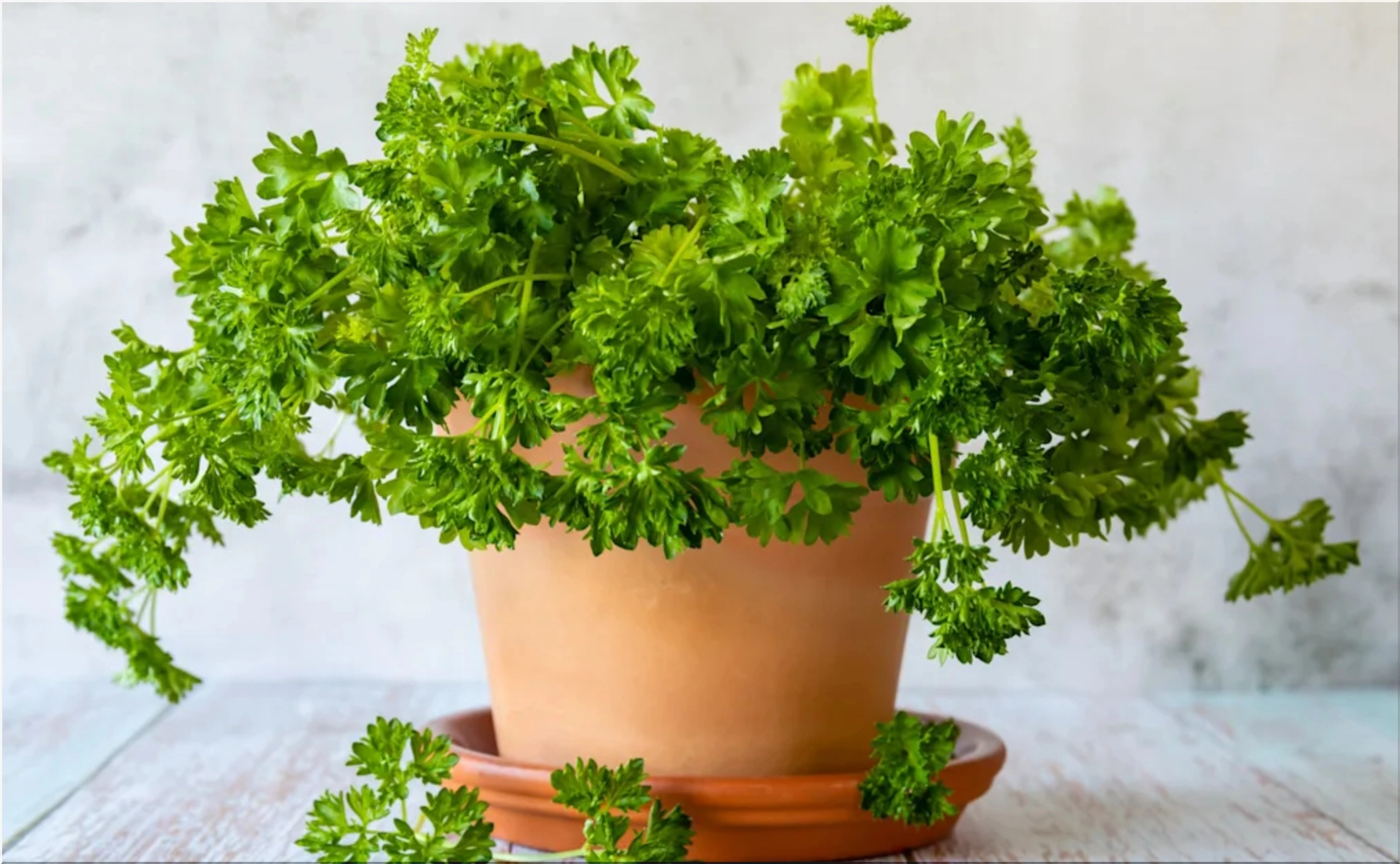
| Parsley | 6+ hours | Easy | Salads, stocks, finishing dishes |
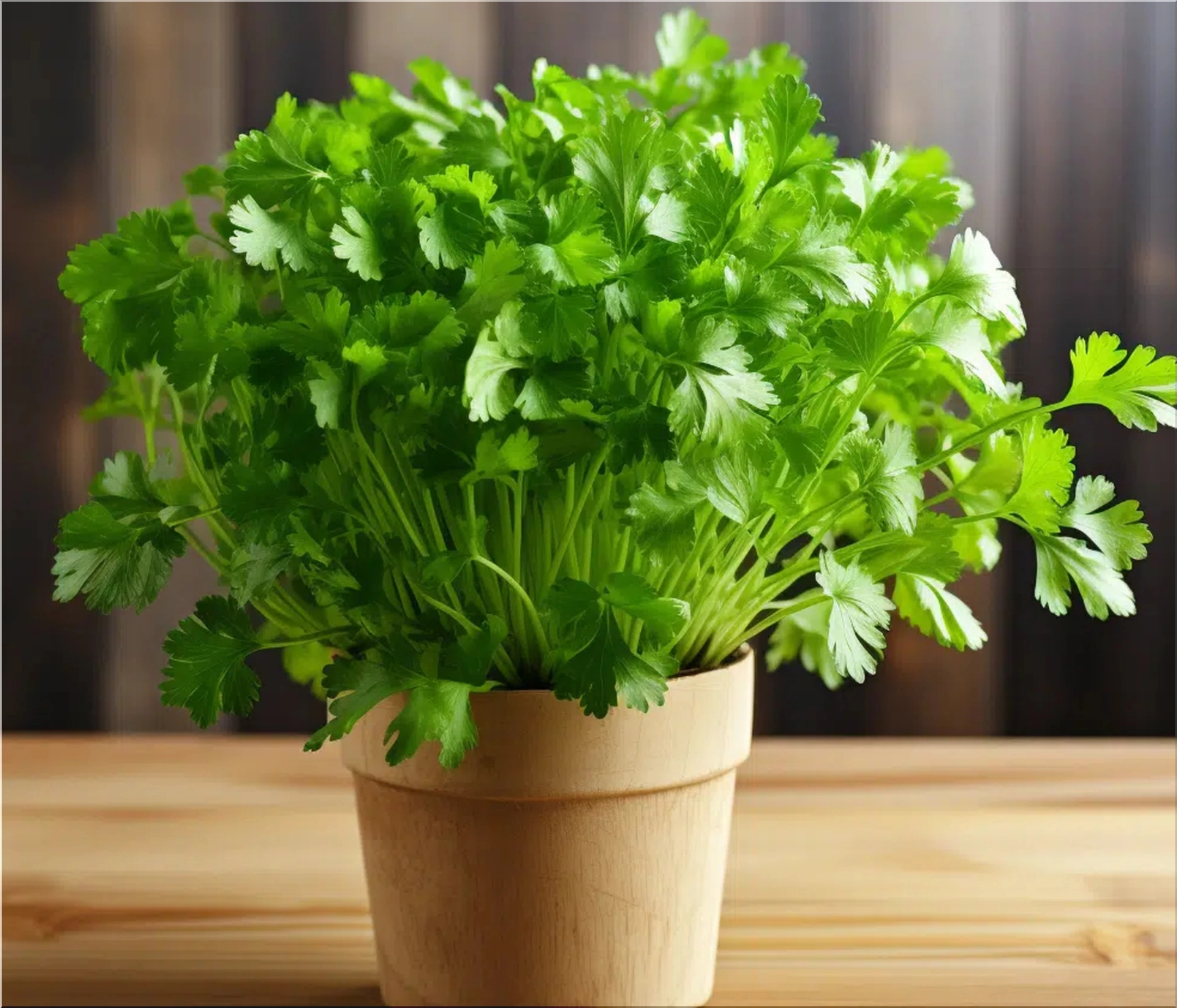
| Cilantro | Bright, cooler spot | Medium | Salsa, curries, soups |
| Rosemary | Strong light | Medium | Roasts, breads, potatoes |
| Thyme | Strong light | Easy | Chicken, beans, stews |
| Microgreens | Bright light or grow light | Very easy | Salads, sandwiches, garnish |
| Chili peppers | 6 to 8+ hours | Medium | Stir-fries, sauces, drying |
| Dwarf citrus | 6 to 12 hours | Medium to hard | Zest, juice, cocktails |
The easiest edible houseplants for daily cooking
Basil gives you the fastest payoff
If you cook pasta, eggs, sandwiches, or anything with tomatoes, basil earns its keep. It grows fast, tastes better than the limp store bunch you forgot in the fridge, and gets bushier when you harvest it the right way.
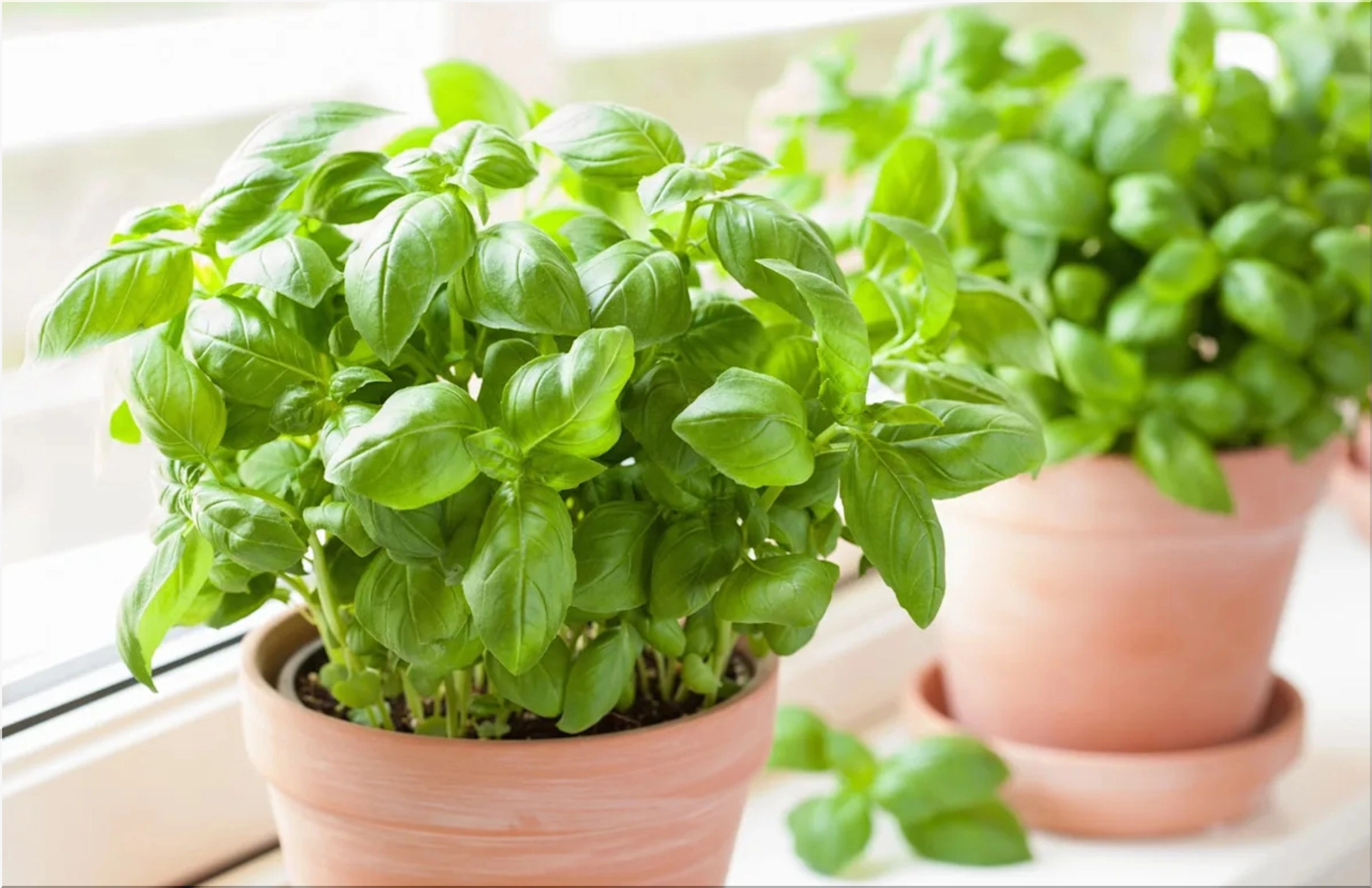
Pinch from the top, not the bottom. That small move pushes side growth and keeps the plant full instead of leggy. Basil likes evenly moist soil and plenty of light. Put it in a dim room and it will get tall, pale, and dramatic in the least helpful way.
Mint is hard to mess up
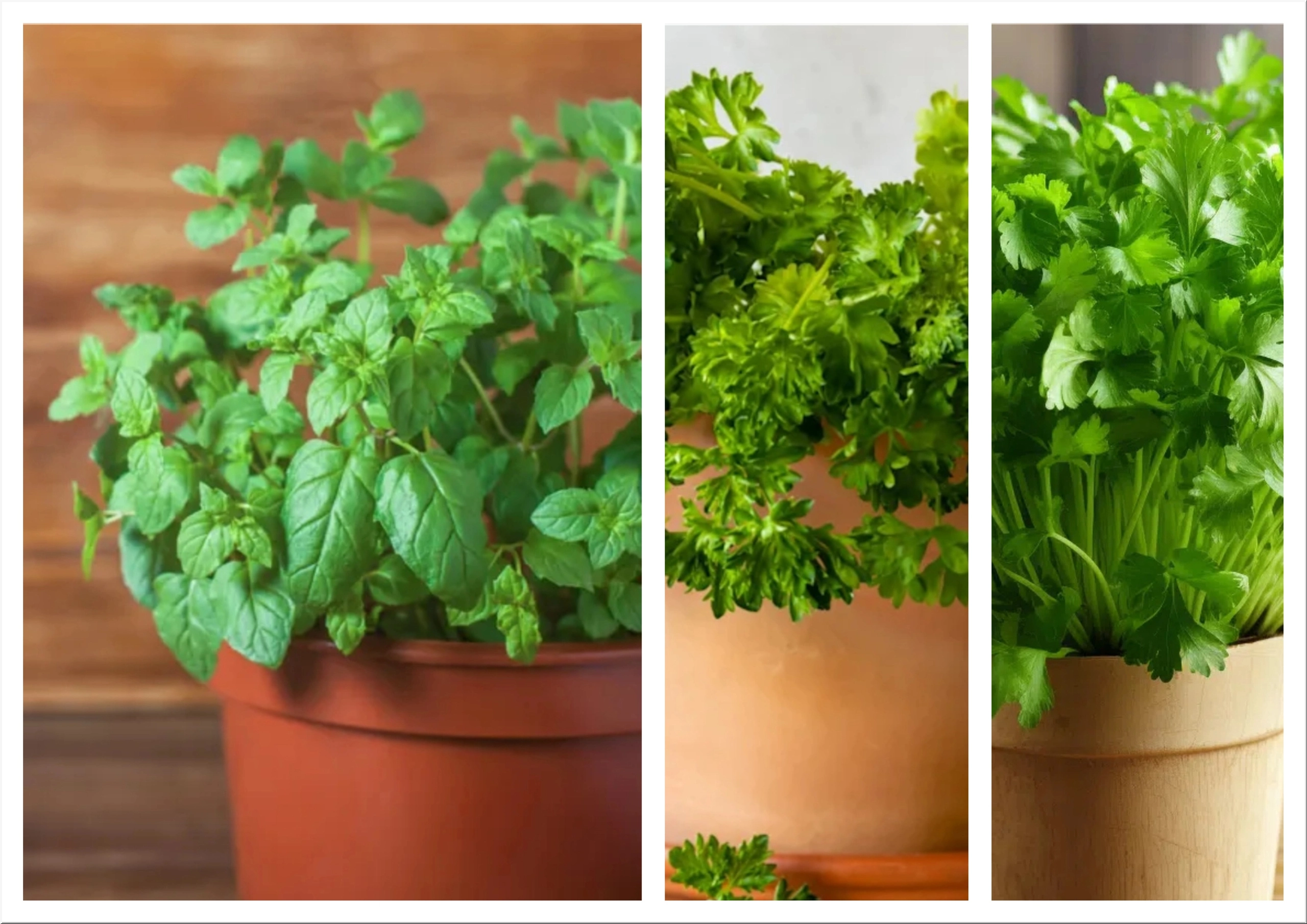
Mint is the overachiever of the group. It grows fast, forgives beginner errors, and works in both sweet and savory dishes. You can use it in tea, yogurt sauces, fruit bowls, noodle salads, and drinks that pretend to be restful.
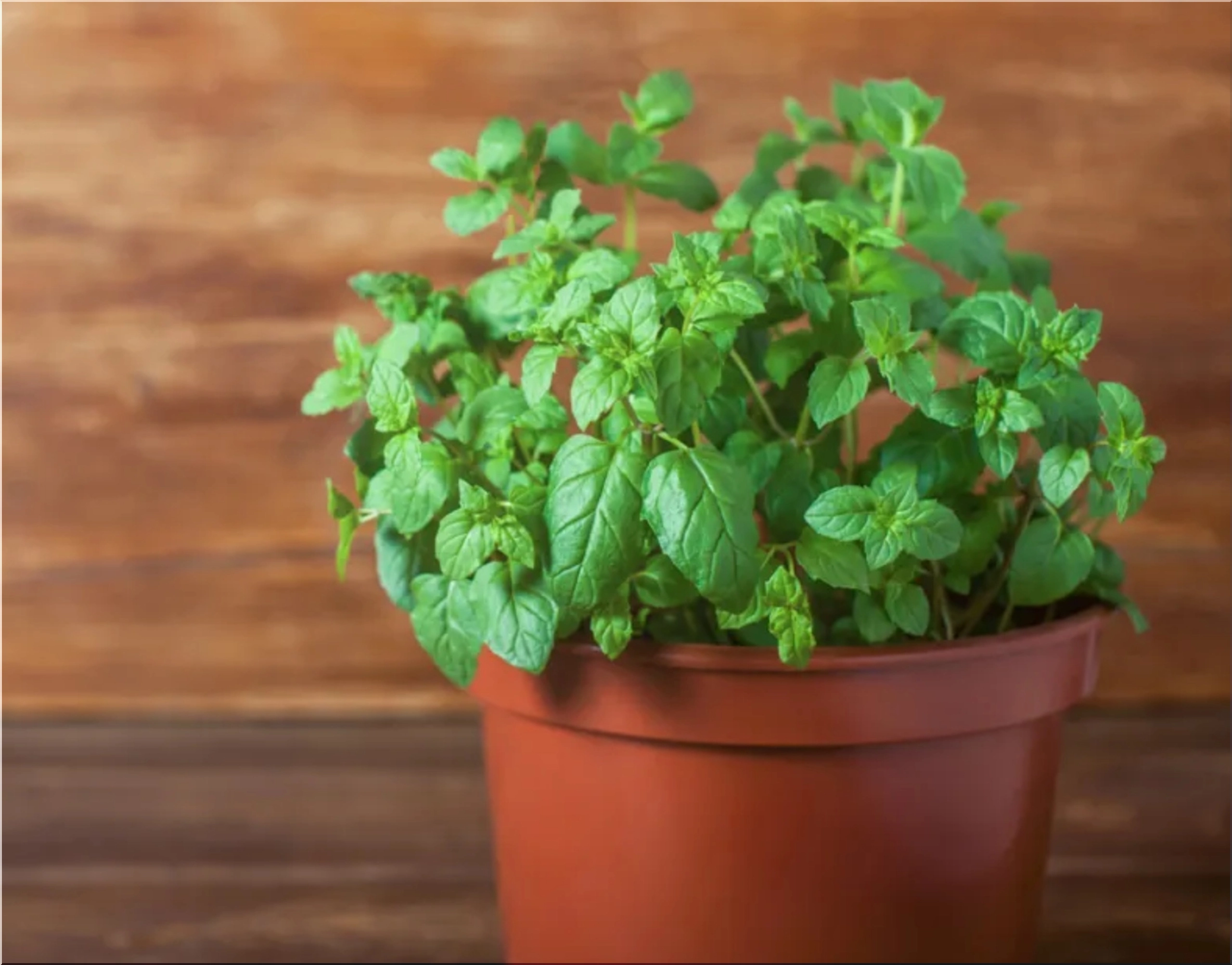
Give mint its own pot. Always. It spreads like gossip and does not share space politely. Indoors, that is less a crisis and more a container choice, but the point stands.
Chives and parsley earn quiet respect
These two rarely get top billing, which is unfair. Chives add a clean onion note without the full commitment of chopping a whole onion. Parsley brightens soups, grains, meat dishes, and salad dressings. Flat-leaf parsley gives more kitchen value than curly types, which tend to do a lot of posing.
Both plants do well on a sunny sill. Both recover well after regular cutting. And both save a surprising number of dinners from tasting flat.
The herbs that need a little more light, but pay you back
Rosemary and thyme bring big flavor from small cuts
Rosemary and thyme are the compact powerhouses of the indoor herb crowd. You do not need much. A few rosemary needles can wake up potatoes, focaccia, chicken, or beans. Thyme slips into soups, braises, roasted vegetables, and pan sauces without any fuss.
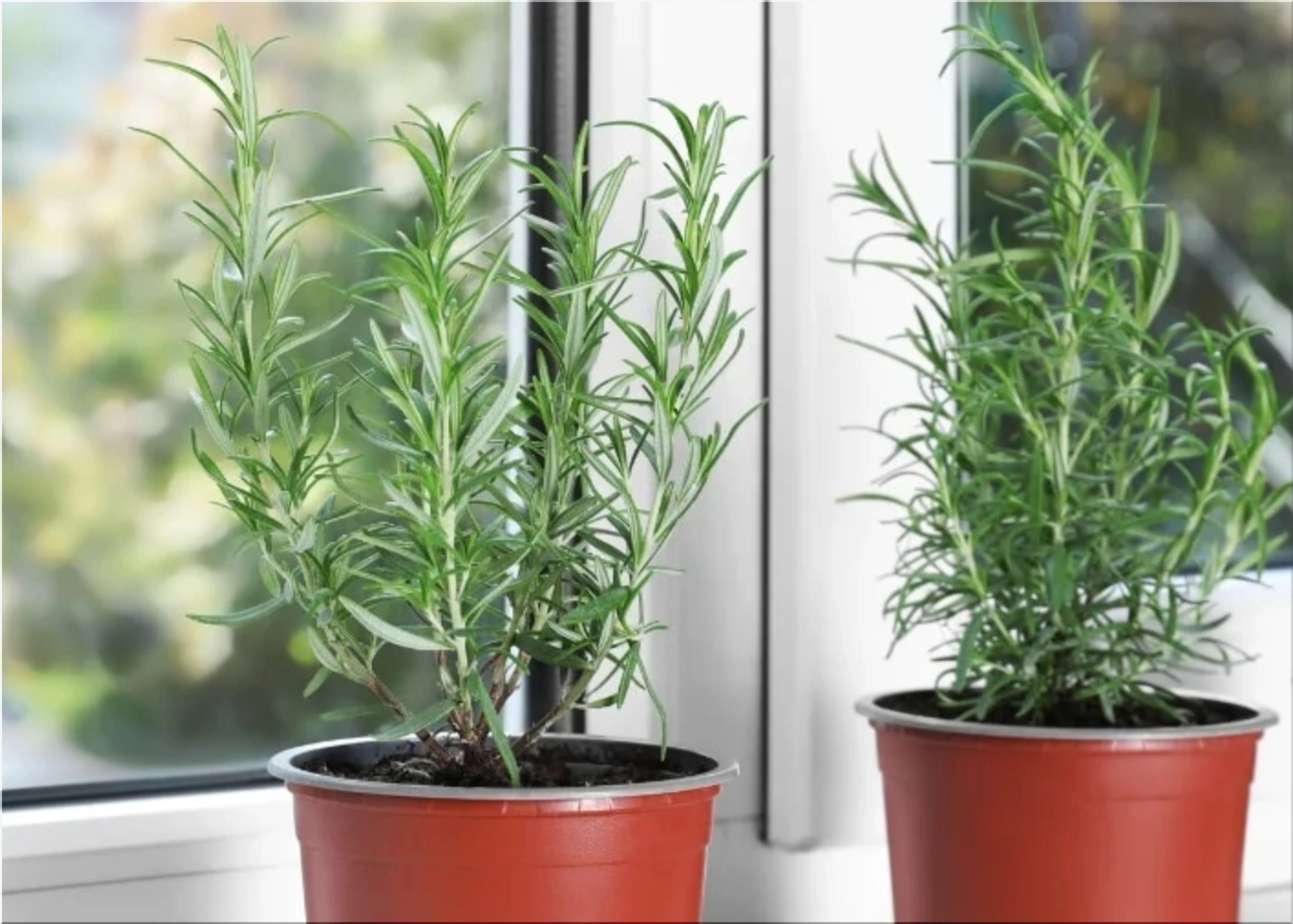
These herbs want stronger light than parsley or mint. They also hate soggy roots. Let the top layer of soil dry a bit before watering again. If rosemary starts dropping leaves, poor light or wet soil usually sits behind the problem.
Cilantro is worth the extra effort
Cilantro has opinions. It likes cooler conditions and tends to be shorter-lived indoors than mint or chives. Still, it is worth growing if you use it often. Fresh cilantro can shift a bowl of soup, rice, curry, or tacos from good to actually craveable.
Cut outer stems first instead of shearing the whole top. That buys you more time before the plant gives up and heads for seed.
The edible houseplants that feel a little more special
Microgreens are the fastest crop in the room
If patience is not your thing, microgreens fix that. They grow quickly, fit in shallow trays, and add crunch, color, and a mild peppery edge to meals. Radish, pea, sunflower, and broccoli microgreens all work well indoors.
They are not the same as sprouts, and that difference matters. Microgreens grow in soil or another growing medium and get cut above the surface. Sprouts grow in water and are eaten whole, seed and all. For many home growers, microgreens are the easier indoor choice.
Chili peppers bring color and real harvests
A compact chili plant is one of the few fruiting indoor plants you can eat without turning your home into a mini farm. Small pepper varieties stay attractive for months and hand you useful harvests one pod at a time. That makes them more practical than bigger indoor crops that need more root room and heavier feeding.
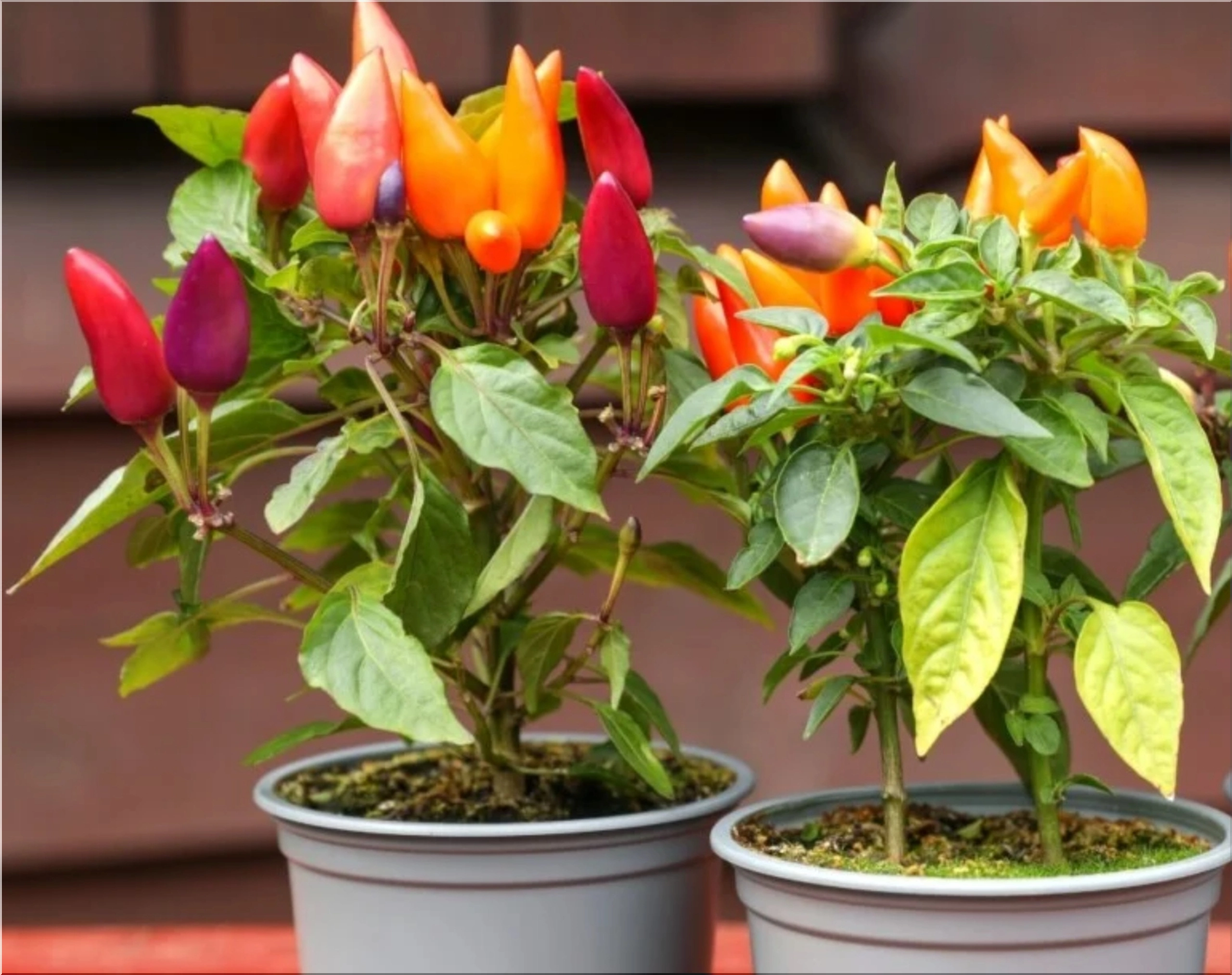
Use them fresh, dry them, or drop them into oil, stir-fries, and sauces. Just keep them in a truly bright spot. Peppers do not bargain with low light.
Dwarf citrus turns a sunny room into a pantry upgrade
A dwarf lemon, lime, or kumquat can work indoors, but this is the point where the bar gets higher. Citrus wants real sun, and a lot of it. In many homes, a south-facing window plus a grow light makes the setup much stronger.
Still, the kitchen value is real. Fresh zest alone can justify the plant. One swipe of lemon zest wakes up cakes, dressings, roasted vegetables, fish, and simple pasta. The tree also looks good while doing it, which is rare and useful.
Three edible houseplants people forget about
1. Bay laurel
Bay laurel grows slowly, which suits indoor life just fine. You snip leaves as needed, dry them, and use them in soups, rice, beans, and stews. It is not flashy. It is useful. That counts for a lot.
2. Lemongrass
Lemongrass gives soups, curries, and tea a fresh citrus note that bottled shortcuts never quite match. It likes warmth and strong light. Once established, it becomes a handsome clump and a handy cooking staple.
3. Ginger
A piece of grocery-store ginger can start a new plant in a pot. You grow it for the rhizome and for the pleasure of saying, very casually, that you harvested your own ginger. Indoors, it needs warmth, patience, and decent humidity.
The mistakes that ruin edible houseplants
Indoor gardeners do not usually fail from lack of effort. They fail from applying effort in the wrong direction. Too much water is the classic problem. Weak light comes in second. Fancy pots with no drainage holes deserve a stern talking-to.
Here is the clean fix:
- Put plants in the brightest spot you have.
- Use pots with drainage holes.
- Grow herbs in potting mix, not garden soil.
- Water by checking the soil, not by the calendar.
- Harvest often, but do not scalp the plant.
- Add a grow light if your room gets weak winter sun.
A grow light sounds serious. It is not. It is often the difference between a plant that survives and a plant that produces.
A practical safety rule: eat only plants you can identify with confidence
This should be obvious, yet it still needs saying. Do not snack on random houseplants. Many common indoor favorites are ornamental only, and some are toxic to pets or people. A pothos vine is not a salad green. A philodendron is not dinner. A pretty leaf is still just a pretty leaf.
Also, a plant being edible for people does not mean it is safe for cats or dogs. Aloe is a good example of a plant people may use in food or drinks, while pet safety lists flag it as a problem plant for cats. If you share space with pets, check each plant before bringing it home.
That small step saves stress, money, and one chaotic trip to the vet that no one asked for.
How to build a small edible houseplant setup that actually works
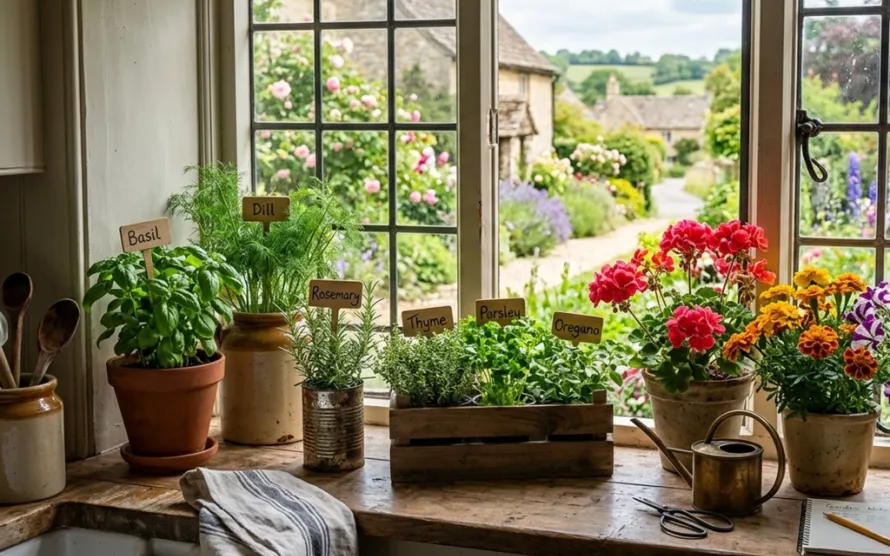
You do not need ten pots on day one. Start with a tight group that fits the way you cook.
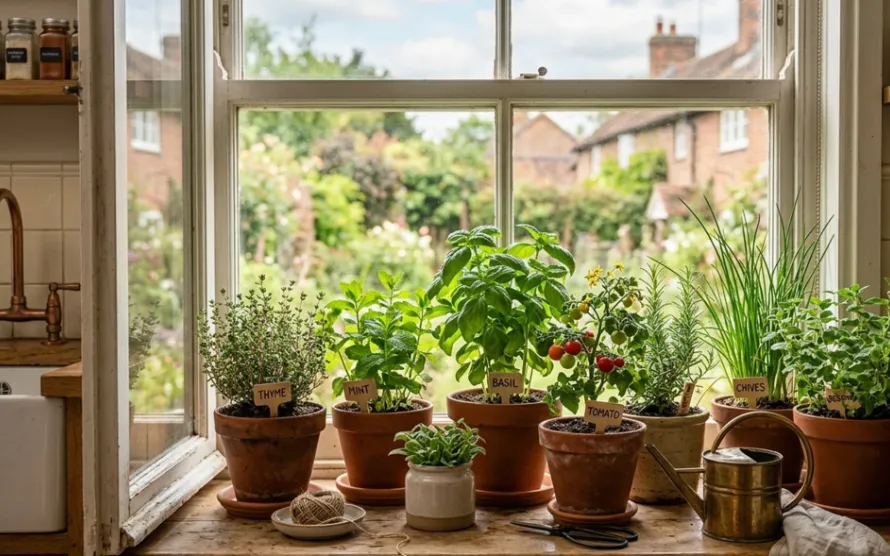
A smart beginner setup looks like this:
- Basil for daily cooking
- Mint for tea, desserts, and sauces
- Chives or parsley for savory dishes
- A tray of microgreens for fast wins
If your light is strong, add thyme or rosemary. If you have a very sunny window, add chilies. If you enjoy a challenge and want a plant with year-round shelf appeal, try dwarf citrus.
The goal is not to pack your windowsill with every edible species known to home gardening. The goal is to grow the plants you will actually cut, cook, and use.
Which edible houseplant fits your kitchen best?
Pick by habit, not by looks.
If you cook pasta and salad a lot, grow basil. If you make tea or yogurt sauces, grow mint. If your meals lean toward soups, eggs, and potatoes, grow chives and parsley. If you like Asian cooking, lemongrass, cilantro, and chilies make more sense. If baking or cocktails show up often, dwarf citrus pulls its weight.
That is the whole trick. Match the plant to the pan.
What to do next
Start with two or three plants, not ten. Put them in your brightest window. Use proper pots, cut from them often, and pay close attention to how fast you actually use each one. Within a few weeks, you will know which houseplants you can eat are worth more space and which ones were nice in theory.
A good edible houseplant does not need to be dramatic. It needs to make tonight's meal better. That is a much tougher test, and a much better one.