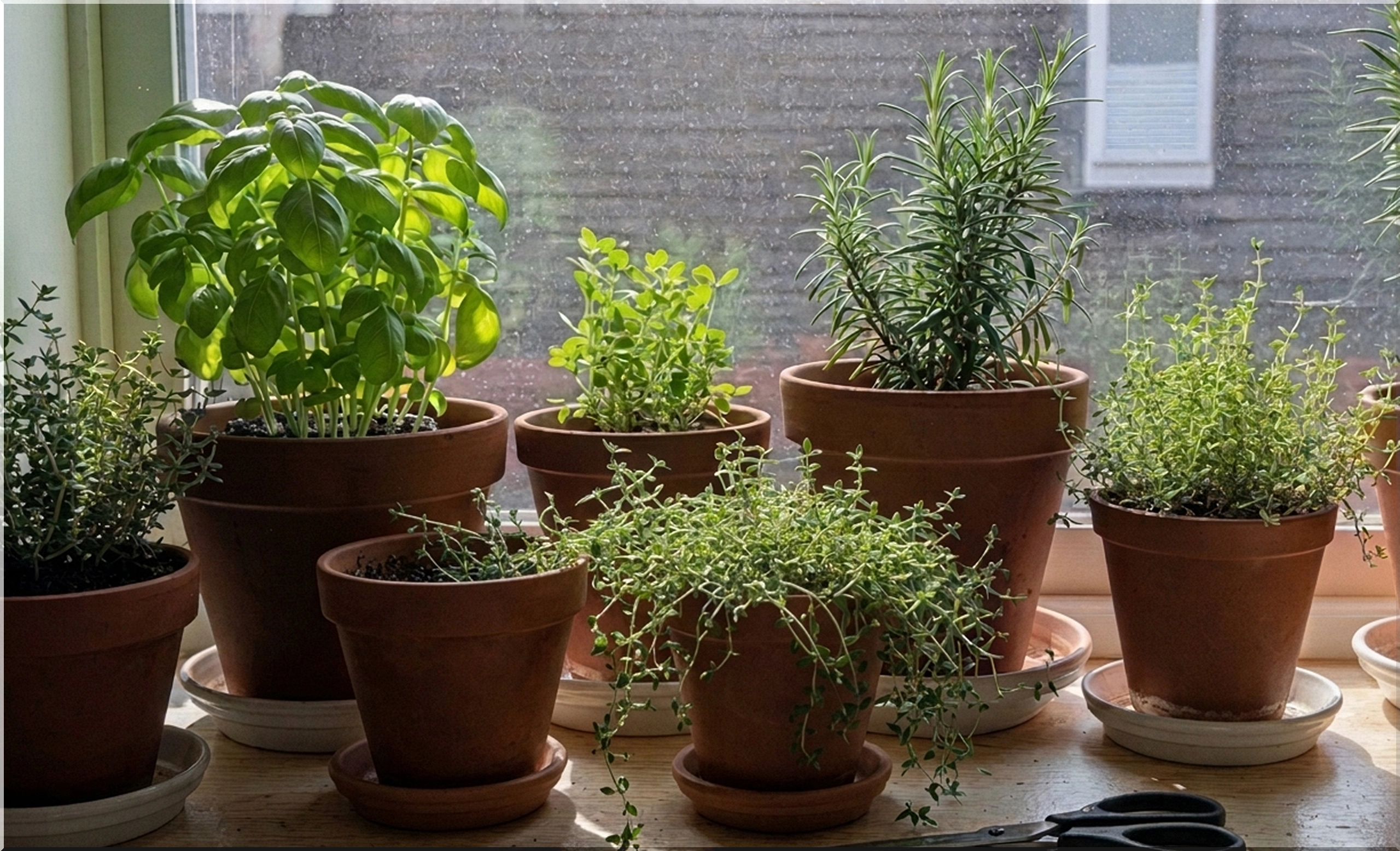
Your basil looked cheerful in August. By December, it leans toward the window like it wants to leave. Check the light before blaming your gardening skills. Many indoor herbs need a grow light during winter, but the right setup starts with your window, your plants, and how much you actually cook with them.
Do Indoor Herbs Need a Grow Light in Winter?
Indoor herbs need a grow light when natural daylight falls short of their needs. A sunny window can support some plants. A dim kitchen corner usually needs help when you want regular harvests.
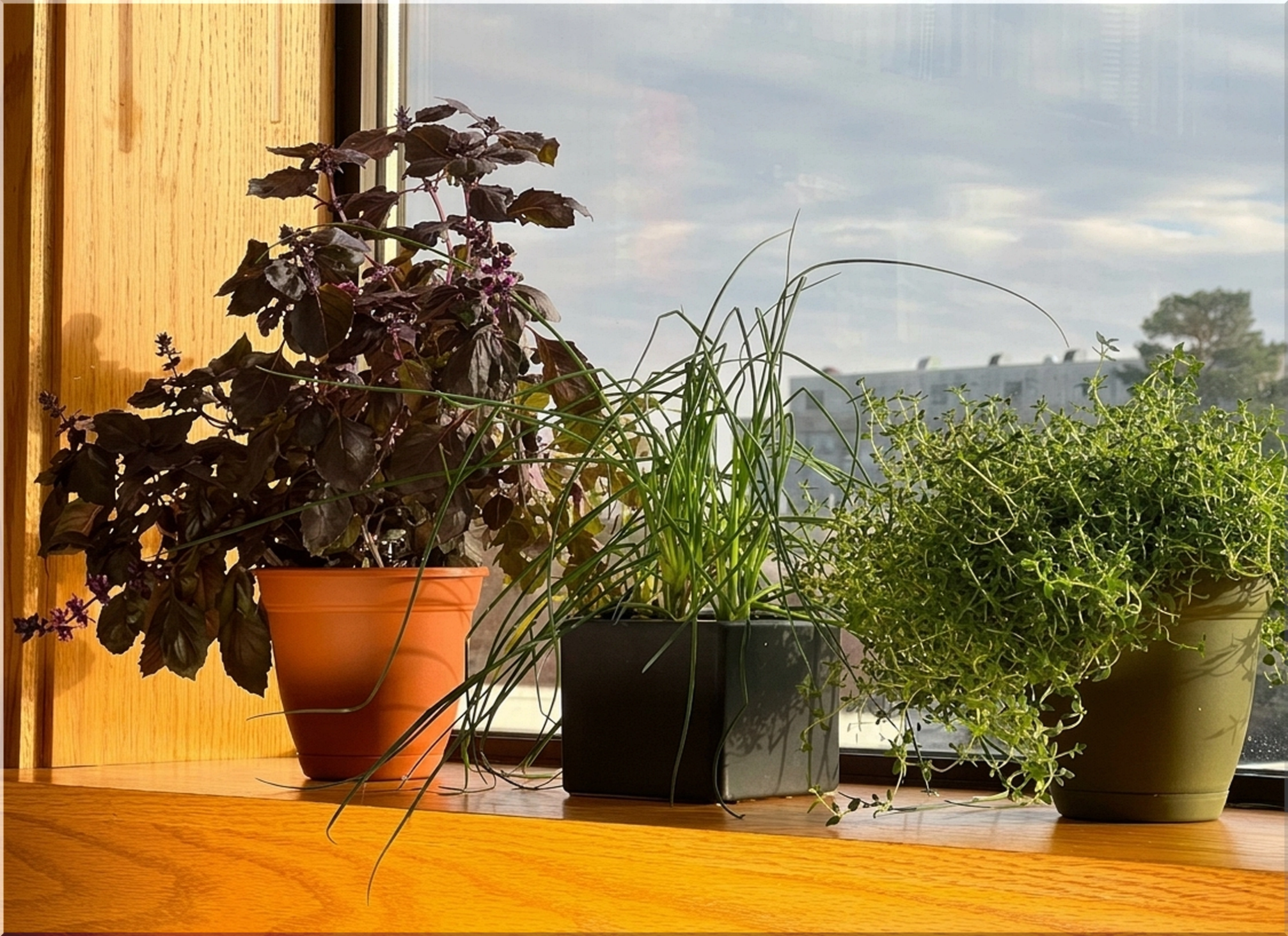
Most culinary herbs need roughly six to eight hours of direct sunlight. Chives and a few other herbs tolerate less. Bright-looking daylight across the room does not equal direct sun on the leaves.
Check your intended growing spot at breakfast, midday, and midafternoon. Watch for sunlight reaching the plants, nearby buildings casting shade, and curtains blocking the glass. In the Northern Hemisphere, south-facing windows often offer the strongest starting point.
Then watch new growth. Long stems, smaller leaves, and a persistent lean suggest insufficient light. Yellow leaves alone tell you less: wet roots and other problems can produce similar symptoms.
Decide what success means, too. Keeping rosemary alive until spring asks less than growing enough basil for weekly pesto. A small shelf can supply garnishes; it will rarely replace the entire produce aisle.
Choose a Grow Light for Your Actual Space
Shopping for grow lights can feel like comparing types of prom dresses: endless categories, unfamiliar labels, and far too many open tabs. Start with the space you need to light.
A bulb suits a small cluster of pots. A bar fits a row along a shelf. An integrated garden combines the light and growing containers, but gives you less freedom to rearrange everything.
Look for Useful Details, Not Big Claims
A full-spectrum LED grow light offers a practical starting point for leafy herbs. White light also makes it easier to check leaf color without turning your kitchen purple.
Check these details before buying:
- The growing area the fixture covers at its stated mounting height.
- A way to raise the light as plants grow.
- Actual electricity use in watts, rather than an equivalent-watt headline.
- A built-in schedule or compatibility with a separate timer.
- Voltage and mounting instructions that suit your home.
Wattage tells you electricity use, not how much useful light each leaf receives. A powerful bulb aimed between pots can still leave your parsley in the shadows.
Three Current Products Show the Main Options
These examples serve different spaces. None wins every kitchen.
| Product | Practical use | Check before buying |
|---|---|---|
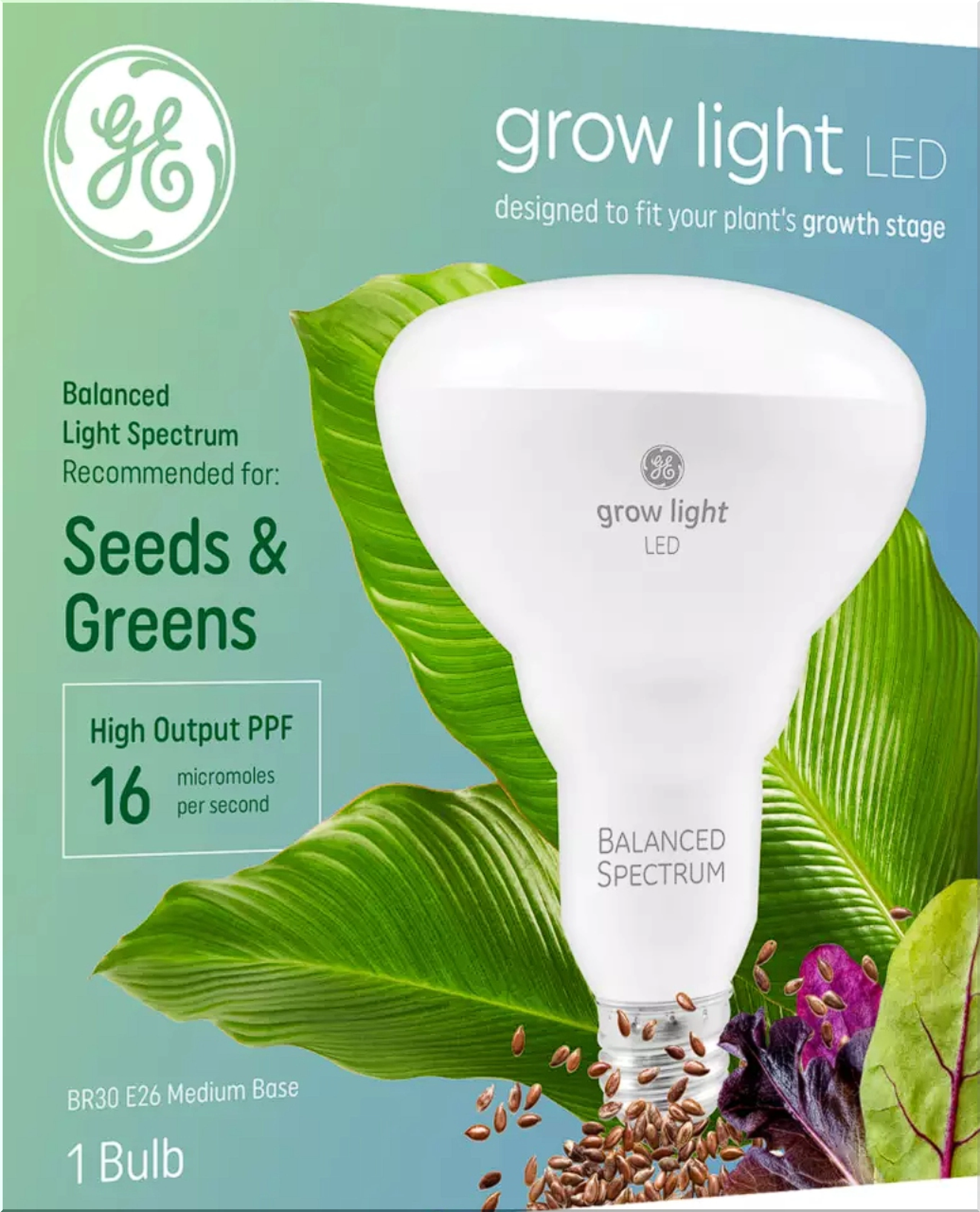
| GE Seeds and Greens BR30, 9W | An adjustable lamp over a small growing spot | The US model uses 120V and does not support dimming |
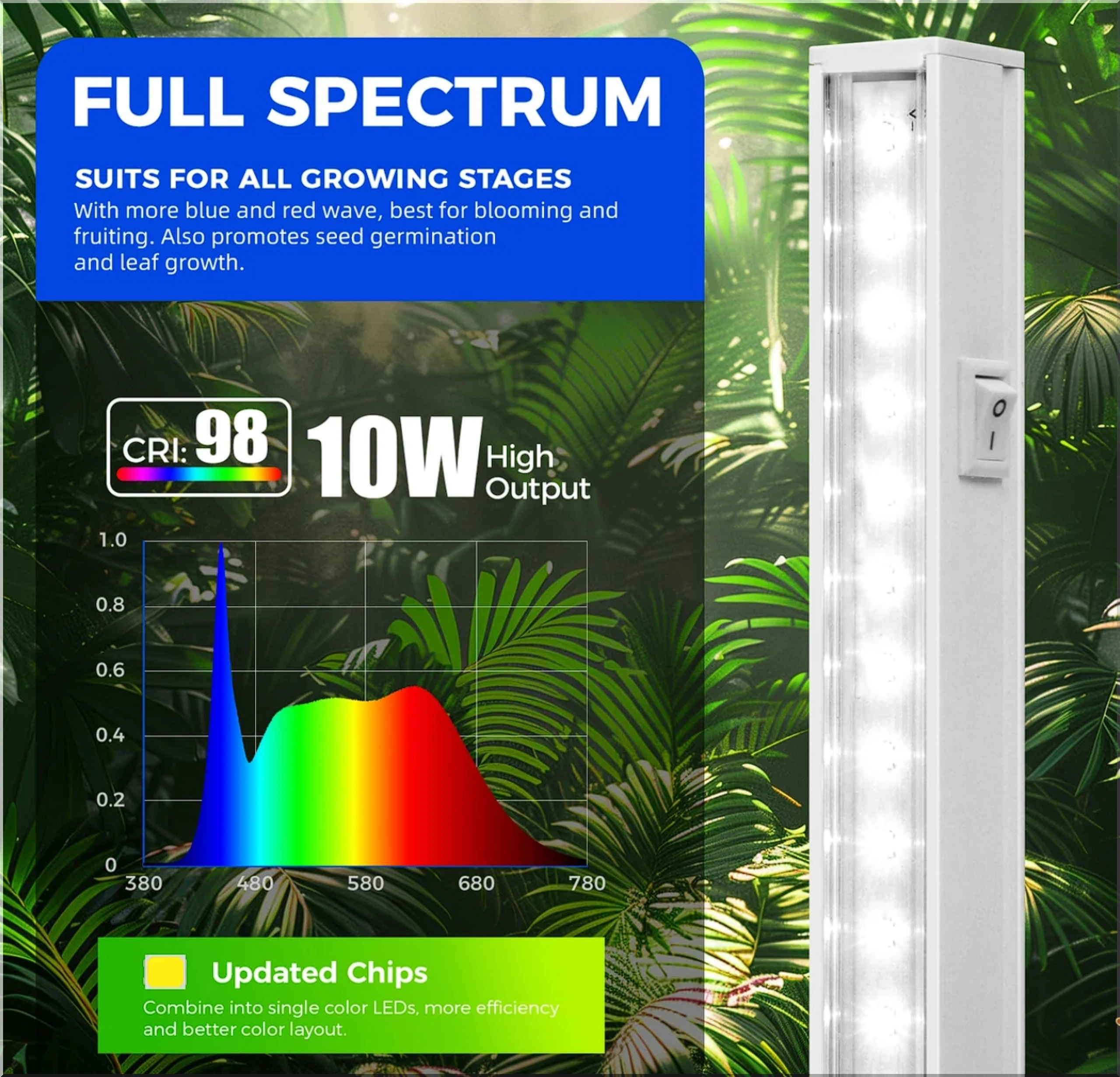
| Barrina T5 MF10, 2-foot, 10W per bar | Overhead lighting along a shelf | The listing offers multipacks; count the bars you need |
| Click & Grow Smart Garden 3 | A compact, integrated three-pod garden | It uses an 8W light and takes only three plant pods |
With the GE bulb, check that your lamp accepts its base, size, and operating requirements. With Barrina bars, plan the mounting before ordering. With Click & Grow, include replacement pods in your budget, not merely the garden itself.
Choose an arrangement you can reach comfortably. Watering should not require moving the toaster every morning.
Set the Light Height and Timer Correctly
Grow light distance depends on the fixture. A distance that suits a small bar may expose leaves to excessive intensity under a stronger panel. Follow the manufacturer's crop and mounting guidance first.
Some small indoor setups place lights around 6 to 12 inches above the leaves. Use that as context, not a universal instruction. Measure from the tallest leaves, rather than from the pot rim.
How Many Hours Should Grow Lights Run?
For a conventional potted herb setup, 14 to 16 hours of light daily provides a useful winter starting schedule. Some systems and crops use shorter schedules. Lamp strength, window light, and the herb itself all affect the result.
For example, set a timer from 7 a.m. to 9 p.m. for 14 hours. This schedule overlaps daytime and leaves a continuous dark period overnight. Avoid adding a full nighttime lighting shift after a sunny day.
Definition: Photoperiod means the hours of light a plant receives during each 24-hour day. It describes duration, not brightness.
Use this setup sequence:
- Position the pots beneath the fixture's useful growing area.
- Set the lamp at the manufacturer's starting distance.
- Set a consistent daily lighting schedule.
- Photograph the plants so you can compare new growth.
- Review height, coverage, and leaf condition each week.
Pro-Tip: Put shorter pots on stable risers so their leaves reach a similar height. Keep every pot steady and leave space for drainage.
Pick Herbs That Suit Winter Cooking
Start with two or three herbs you already use. An indoor garden should improve dinner, not assign you homework.
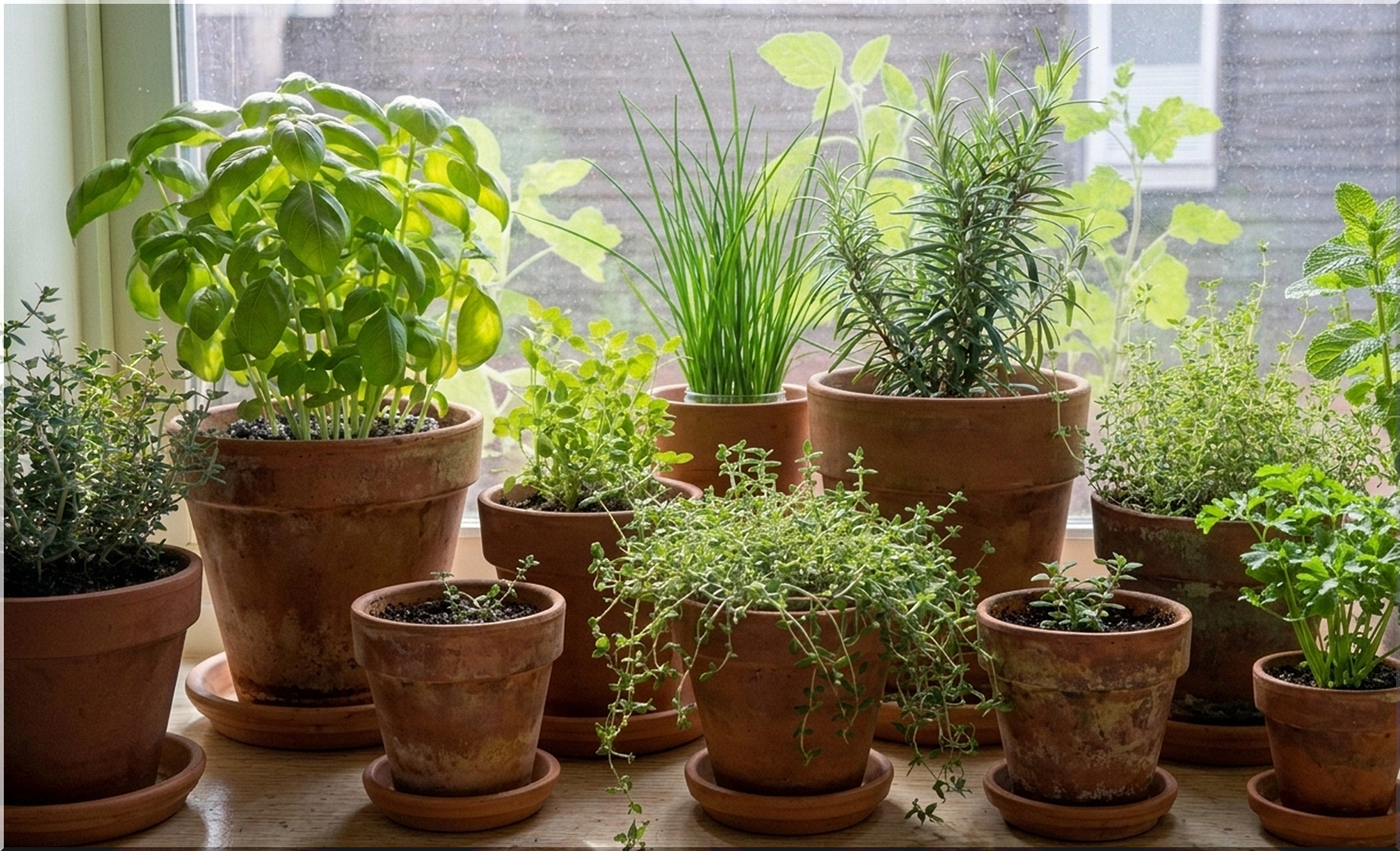
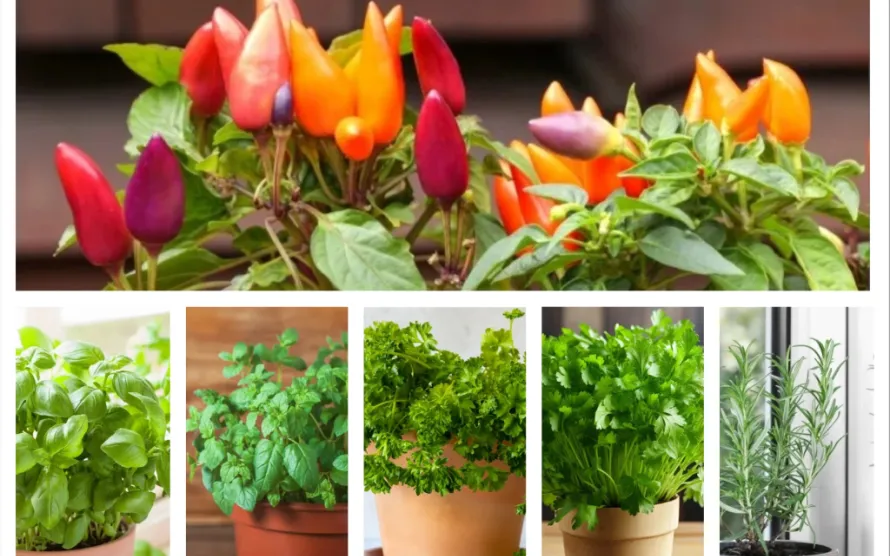
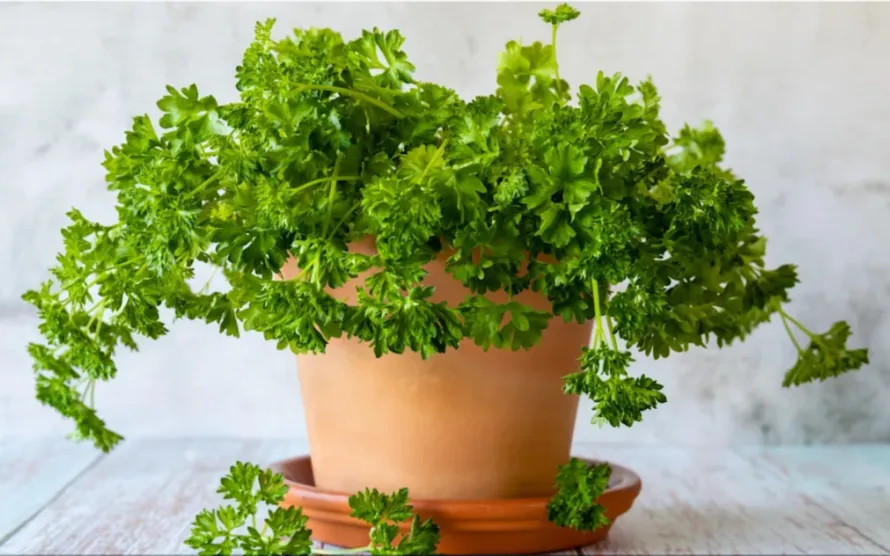
Parsley, mint, and chives make sensible first choices. Basil also grows indoors, but it asks for warmth and strong light. Rosemary can challenge beginners because indoor conditions often fail to meet its needs.
- Basil: Give it a warm position and plenty of light. Avoid cold glass and drafty windows.
- Chives: Choose these for small harvests that suit eggs, potatoes, and soups.
- Parsley: Grow it for frequent small additions to meals rather than huge bunches.
- Mint: Keep it in its own pot so you can manage its growth and watering separately.
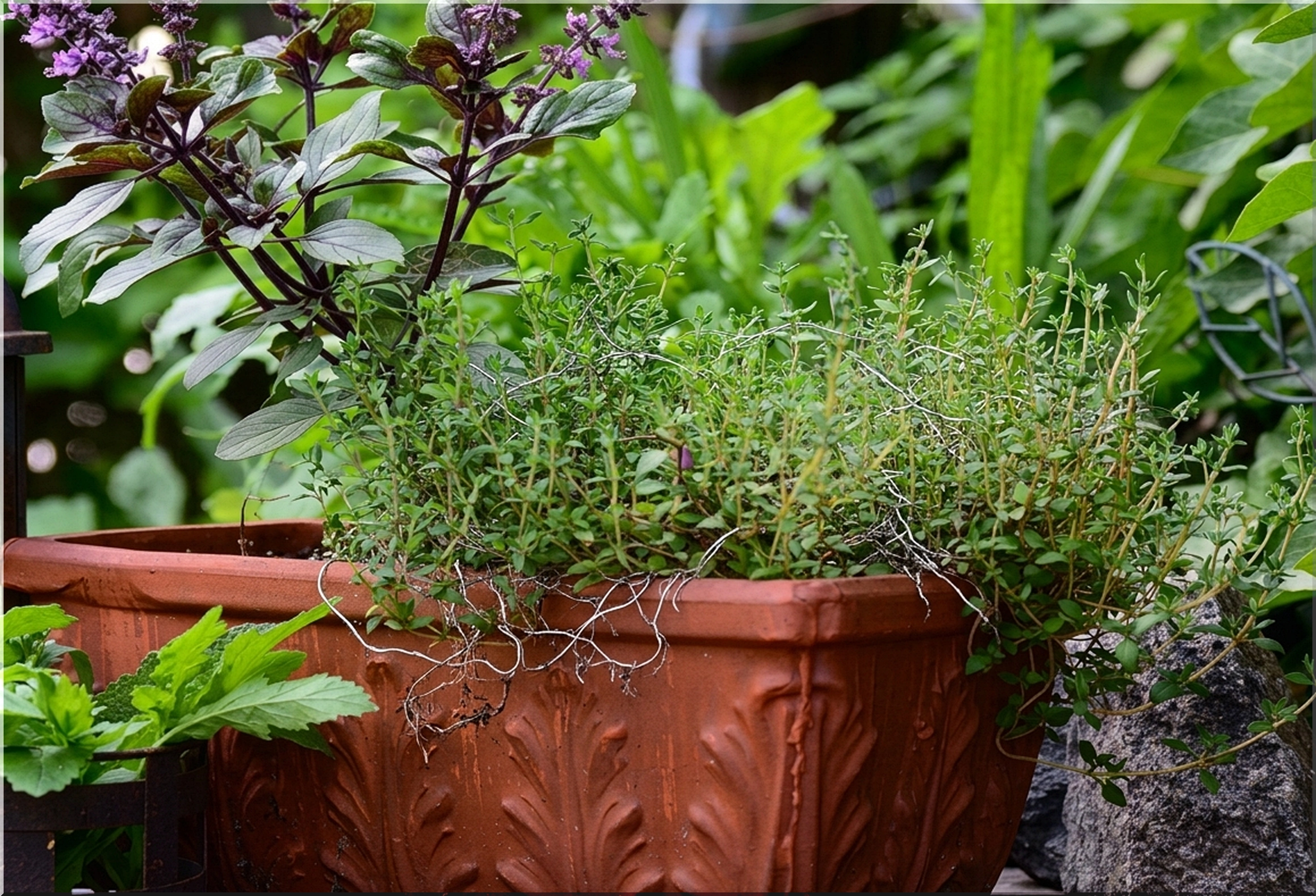
- Thyme: Let the mix dry somewhat between waterings; do not share its pot with thirsty basil.
Starter plants offer a quicker route to usable leaves than seeds. Seeds give you more choice, but parsley can test your patience. Begin with a plant if dinner needs herbs this month.
Get Watering and Containers Right
A grow light will not rescue roots that sit in water. Give each herb its own container with drainage holes and a saucer. Use a lightweight potting mix rather than soil from the garden.
Individual pots let you water basil without soaking thyme. They also let you remove one struggling plant without disturbing the entire collection.
Water the Pot, Not the Calendar
Check the mix with a finger and lift the pot before watering. A lighter container and drying surface suggest that the plant may need water. Check below the surface too; a dry crust can hide wet mix underneath.
Keep basil from drying out completely. Allow herbs such as thyme and rosemary to dry somewhat between waterings. Water thoroughly when needed, then empty the saucer after excess water drains.
Keep pots away from heating vents and cold drafts. Heating can dry a small container quickly, while weak light can slow water use.
Feed According to Growth
Herbs need modest feeding. Avoid adding fertilizer to a struggling plant before checking its roots, watering, and lighting.
If your potting mix already contains fertilizer, account for that supply. For plants that keep producing under lights, follow the fertilizer's edible-container directions conservatively. Hold back when growth stalls. Integrated pod gardens may supply nutrients through their growing medium, so follow their own instructions instead.
Fix Problems Before Buying Another Lamp
Check new leaves rather than expecting old stems to straighten or damaged leaves to recover. Your next round of growth gives you a better test.
- Stems keep stretching: Check lamp distance, timer operation, and shadows from neighboring plants.
- Upper leaves bleach or develop dry patches: Check excessive light, heat, and moisture before changing the schedule.
- Soil stays wet: Check drainage and watering frequency. More fertilizer will not solve wet roots.
- One pot struggles at the edge: Move it into the growing area or adjust coverage.
Change one setting at a time. Moving the lamp, doubling the watering, and adding fertilizer together leave you guessing which change helped.
Harvest Without Emptying the Plant
Wait until young plants establish themselves before taking substantial cuttings. Leave enough healthy foliage to support more growth.
For basil, snip a stem just above a pair of leaves. This encourages branching and gives you a bushier plant. Remove flower buds when you want continued leaf production.
Take modest harvests from slower plants. A few parsley stems or thyme sprigs can improve a meal without leaving the pot bare. Rinse your harvest before cooking.
Think in portions: enough chives for breakfast or mint for tea. If you repeatedly strip a plant, add another pot or reduce your harvest expectations.
What Does a Winter Grow Light Cost to Run?
A small LED setup uses relatively little electricity, but your tariff sets the cost.
For example, a 20W light running 14 hours daily uses 8.4 kilowatt-hours over 30 days. At an assumed electricity rate of $0.20 per kilowatt-hour, that costs about $1.68 monthly. Your bill may differ.
Budget for the lamp, timer, containers, plants, and any refills too. Avoid promises that every indoor garden quickly pays for itself. The value depends on your harvests and shopping habits.
Start With One Useful Shelf
Choose two herbs, check your winter window, and buy a light that covers their leaves. Set the timer, check moisture before watering, and review new growth weekly. Add more pots after the first ones produce reliably. A small supply of fresh herbs beats an ambitious collection of empty containers.