Your first trip alone should feel exciting, not like a survival exam with room service. A two-night break offers the sweet spot: enough time to gain confidence, yet short enough to keep costs, logistics, and nerves under control. With a few smart choices, you can turn Friday's jitters into Sunday's proud grin.
Why a Weekend Makes the Best First Solo Trip
A weekend asks less from your budget and your confidence than a week away. It also teaches you what kind of traveler you are when nobody else sets the pace. You may love slow breakfasts and packed afternoons. Or you may want one museum, one long walk, and an early night.
Choose two nights for your first attempt. One night often feels rushed, while three or four can add pressure. A Friday-to-Sunday plan gives you time to settle in, enjoy one full day, and return before fatigue takes over.
Definition: A solo weekend trip is a short break you plan and take alone, usually within easy reach of home. You control the schedule, spending, meals, and pace.
Pick a Destination That Feels Easy to Use
The best first destination needs simple transport, a safe-feeling central area, and enough things to do without a rigid schedule. A nearby city can feel fresh while keeping the language, payment system, and travel rules familiar.
Start with places you can reach in three hours or less. A direct train often beats a cheap flight once you add airport transfers, security lines, and waiting. If you drive, check parking prices before booking a central hotel. That bargain room loses its charm after a $45 daily garage fee.
Use this quick filter before you commit:
| Planning factor | Good first-trip choice | A choice to skip this time |
|---|---|---|
| Travel time | Direct route under three hours | Several changes or a tight connection |
| Arrival | Daylight or early evening | Late-night arrival in an unfamiliar area |
| Lodging area | Central, active, near transit | Isolated edge of town |
| Activities | Walkable sights and small group options | Long transfers for every activity |
| Phone access | Reliable service and offline maps | No signal with no backup plan |
Read recent hotel and transit reviews. Look for repeated comments about lighting, noise, front-desk availability, and the walk from the station. One angry review proves little. A repeated concern deserves attention.
Set a Budget That Buys Comfort in the Right Places
Solo travelers pay the full room rate and taxi fare, so small luxuries can push the total upward quickly. Set a trip cap before searching. Then divide it among transport, lodging, meals, activities, local travel, and a backup fund.
Spend first on choices that reduce friction. A central hotel may cost $30 more but save two late rides and an hour of commuting. Paying for ease means you know what helps you relax.
Try this simple allocation:
- 40% for lodging
- 20% for transport to and from the destination
- 20% for meals and drinks
- 10% for activities and local transport
- 10% for unexpected costs
Adjust those shares for your plans, but keep the backup money untouched unless plans change.
Book Transport and Lodging With Your Future Tired Self in Mind
Morning-you loves low prices. Friday-night-you wants clear signs, a working phone, and a bed that does not require two buses and a moonlit walk. Book for that person.
Choose a Forgiving Arrival Time
Aim to reach your destination several hours before dark. Daylight gives you time to find the hotel, inspect the area, buy water, and change plans if something feels wrong. Build a buffer around train changes or airport transfers. Your weekend has little room for a missed connection.
Review change and refund terms before payment, then save the confirmation offline.
Choose Lodging That Removes Small Worries
Pick a well-reviewed property near public transport and restaurants. Check reception hours, door security, and luggage storage. A staffed front desk can offer useful local help.
A private room gives many first-time travelers the right level of calm. If you want casual company, choose a hotel, hostel, or guesthouse with a lobby, lounge, or shared breakfast area. You can chat when you feel social and close your door when you do not.
Build a Loose Itinerary, Not a Minute-by-Minute Contract
An empty schedule can create decision fatigue. A packed one can feel like unpaid project management. Plan one anchor activity each day, then add flexible options nearby.
Here is a realistic two-night structure:
- Friday: Arrive and settle in. Check into your room, walk one familiar route, and eat close to your lodging. Save the big plans for tomorrow.
- Saturday: Do your main activity. Book a food tour, museum, guided walk, class, hike, or event. Add free time for a cafe, market, park, or nap.
- Sunday: Keep the morning gentle. Choose one easy stop, collect your bag, and leave enough time for the trip home.
Save two backup ideas for rain, low energy, or a closed venue. You need options, not obligations.
Pro-Tip: Mark your hotel, arrival station, main activity, pharmacy, and a late-opening food shop on an offline map. That five-minute task removes several small decisions later.
Create a Calm Solo Travel Safety Plan
Good solo travel safety starts before departure. It should support your freedom, not frighten you into watching the hotel television all weekend. Focus on simple actions that still work when you feel tired or distracted.
- Share your hotel, transport details, and rough schedule with one trusted person.
- Agree on one daily check-in time and state what they should do after a missed message.
- Keep your phone charged and carry a small power bank.
- Save local emergency numbers and your lodging's phone number.
- Store one payment card away from your wallet.
- Avoid telling new acquaintances your room number or that nobody expects you.
- Use licensed taxis or known ride services, and verify the car before entering.
- Leave any place that makes you uneasy, even if politeness protests.
Keep alcohol within a limit that protects your judgment. Watch your drink, and never accept an open one from a stranger. You owe nobody a long explanation when you want to leave. A firm 'No, thank you' works. So does walking away.
Add Extra Checks for an International Weekend
Check official entry rules, passport validity, visas, local laws, medication restrictions, and travel advisories before booking. Keep paper and digital copies of key documents in separate places. Review your medical coverage abroad, since many domestic plans offer limited or no overseas protection.
Travel insurance may cover medical care, cancellation, interruption, or lost baggage, but policies differ. Read the limits, exclusions, and deductible.
Pack Light Enough to Manage Everything Yourself
Pack one small bag you can lift into an overhead rack without staging a personal strongman contest. Two nights rarely require checked luggage.
Your solo weekend packing list should cover comfort, communication, money, and minor problems:
- Two interchangeable sets of clothes plus sleepwear
- Comfortable walking shoes
- Weather layer and compact umbrella
- Daily medication in labeled containers
- Phone charger and power bank
- Refillable water bottle
- Small first-aid basics
- Identification, payment cards, and a little cash
- Earplugs and an eye mask
- Downloaded tickets, addresses, and offline maps
Wear your bulkiest shoes and outer layer during transit. Pack items that work twice. Leave expensive jewelry and sentimental items at home.
Plan for Loneliness Without Assuming It Will Arrive
Many new solo travelers fear the dinner table more than the train ride. The first quiet hour may feel odd. Give your brain time to catch up with your new setting.
Place light social contact into the schedule. Join a small group walk, cooking class, tasting, or daytime tour. Sit at a counter instead of a hidden corner. Visit a market and ask a seller one genuine question. These tiny exchanges can make a day feel friendly without forcing you to spend hours with strangers.
For your first dinner alone, choose a casual restaurant with counter service or outdoor tables. Go before the rush. Nobody studies a solo diner as closely as the solo diner imagines.
If loneliness hits, text a friend, walk through a busy public area, eat something, and choose one simple activity. Do not judge the whole trip during a tired half-hour.
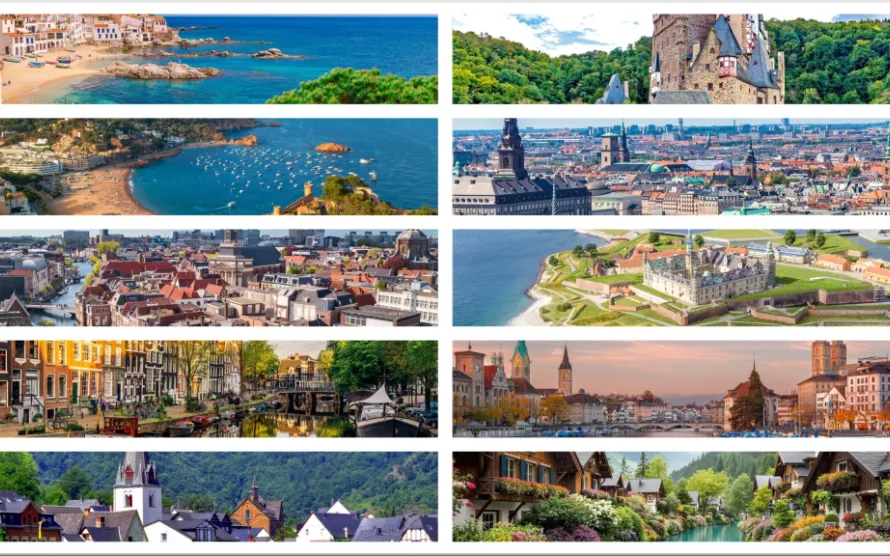
10 Places for Solo Weekend Trips
| Place | Why It Is a Good Choice | Quick Tip |
|---|---|---|
| Amsterdam, Netherlands | Compact central districts, frequent public transport, museums, canals, and busy cafes make solo sightseeing easy. | Stay near a tram or metro stop and reserve major museums early. |
| Copenhagen, Denmark | The compact center, reliable metro, waterfront walks, and casual food halls suit independent travelers. | Compare the City Pass with single fares before buying a transport ticket. |
| Vienna, Austria | Efficient public transport connects grand architecture, museums, markets, parks, and traditional coffeehouses. | Choose accommodation near a U-Bahn station to simplify evening travel. |
| Edinburgh, Scotland | The historic center packs major sights, guided walks, pubs, and museums into a small area. | Bring waterproof clothing and shoes with good grip for steep, uneven streets. |
| Lisbon, Portugal | Scenic districts, public squares, food markets, viewpoints, and group tours fill a two-night itinerary easily. | Stay near a metro station and use trams sparingly during crowded periods. |
| Prague, Czech Republic | A walkable historic center, frequent trams, riverside paths, and casual restaurants suit a short solo break. | Visit Charles Bridge early in the morning for fewer crowds. |
| Porto, Portugal | The riverside center offers markets, cafes, architecture, and guided food or boat tours within a compact area. | Use the airport metro and take the funicular when the hills become tiring. |
| Tallinn, Estonia | The small medieval center offers museums, cafes, viewpoints, and organized walking tours without long transfers. | Stay inside or close to Old Town so you can walk back before dark. |
| Montreal, Canada | A useful metro system connects lively neighborhoods, museums, bakeries, markets, and public spaces. | Book a room near the Green or Orange metro line and check the weather carefully. |
| Boston, Massachusetts | Walkable historic districts, public transport, museums, markets, and waterfront paths support an easy first trip alone. | Follow the Freedom Trail for a ready-made sightseeing route through central Boston. |