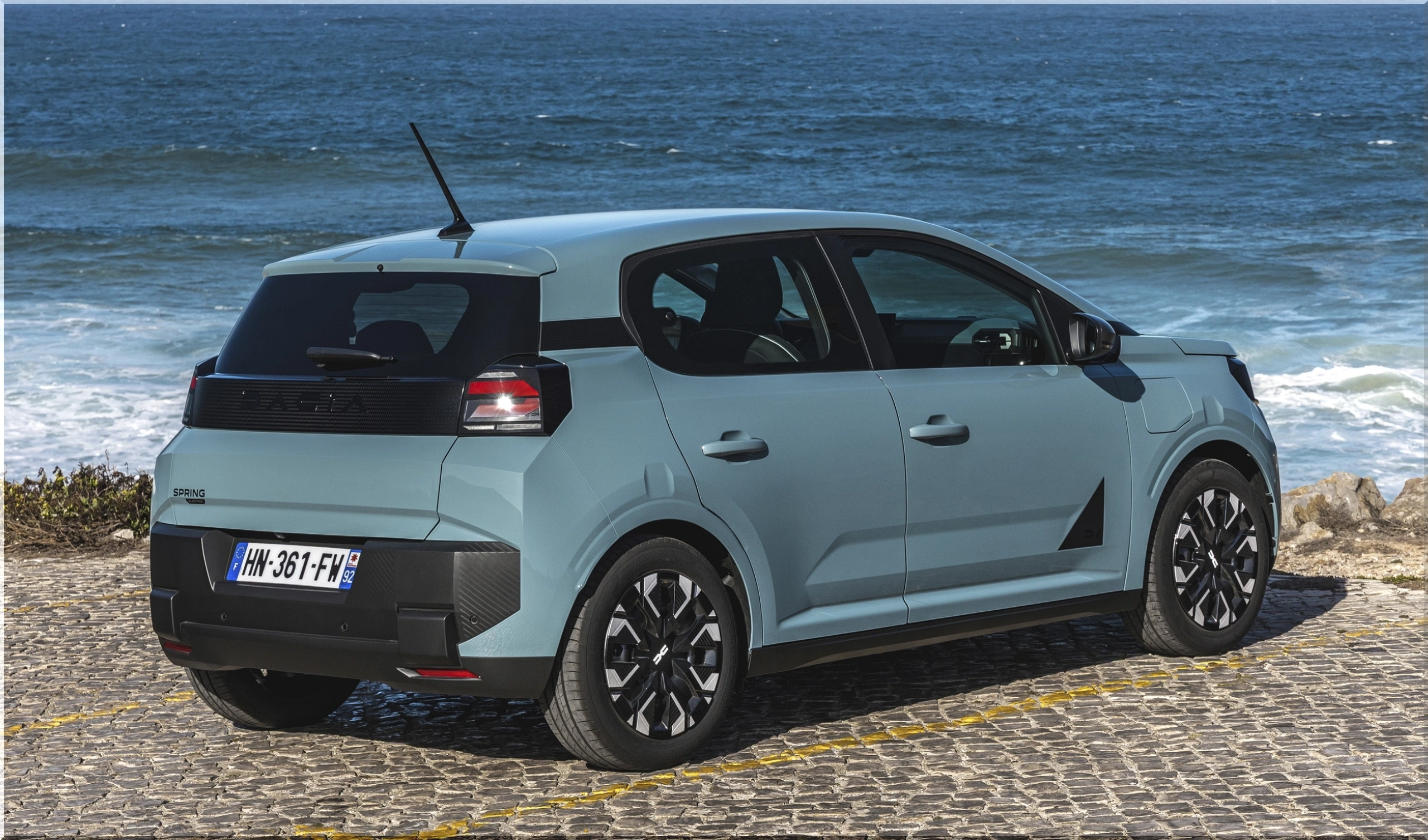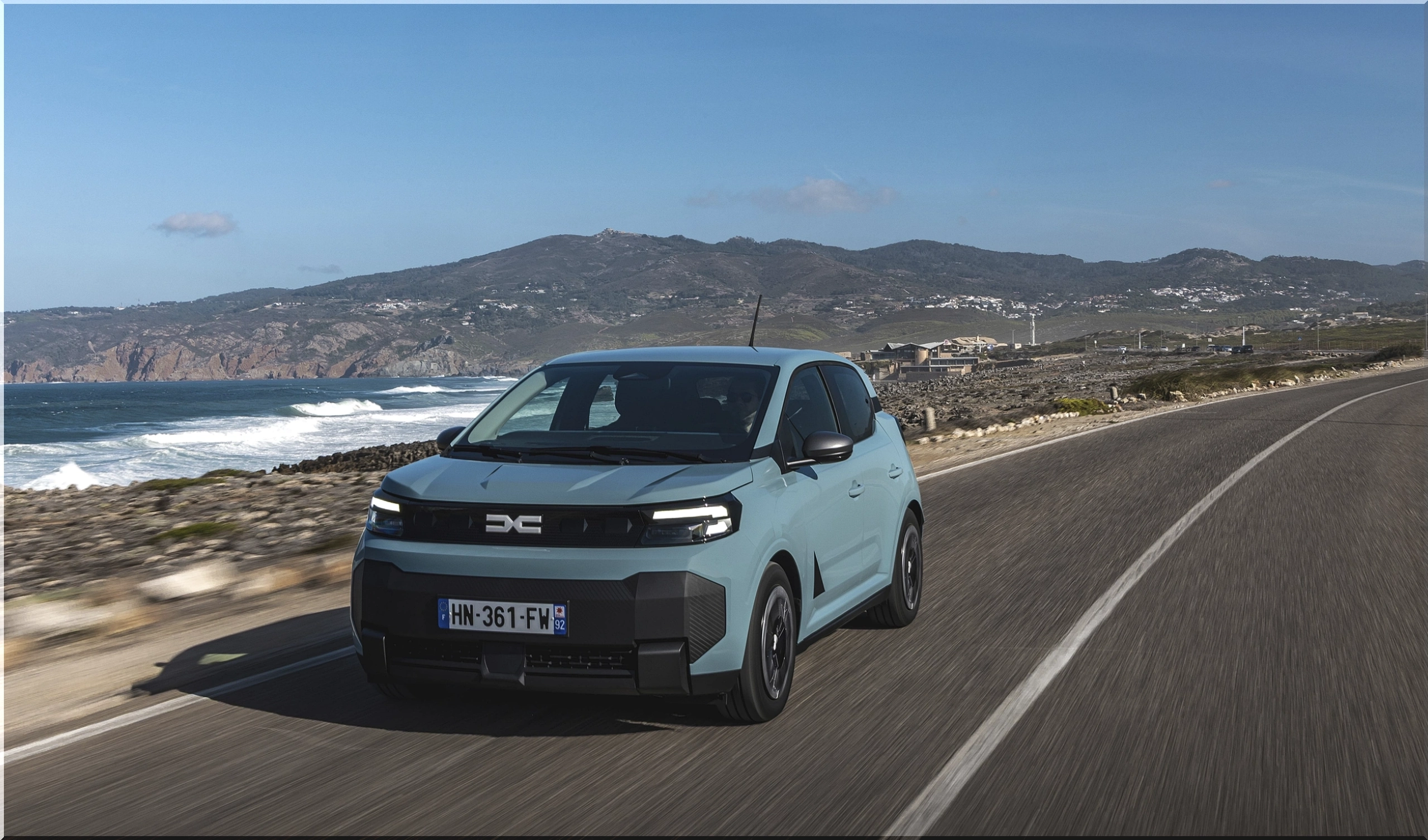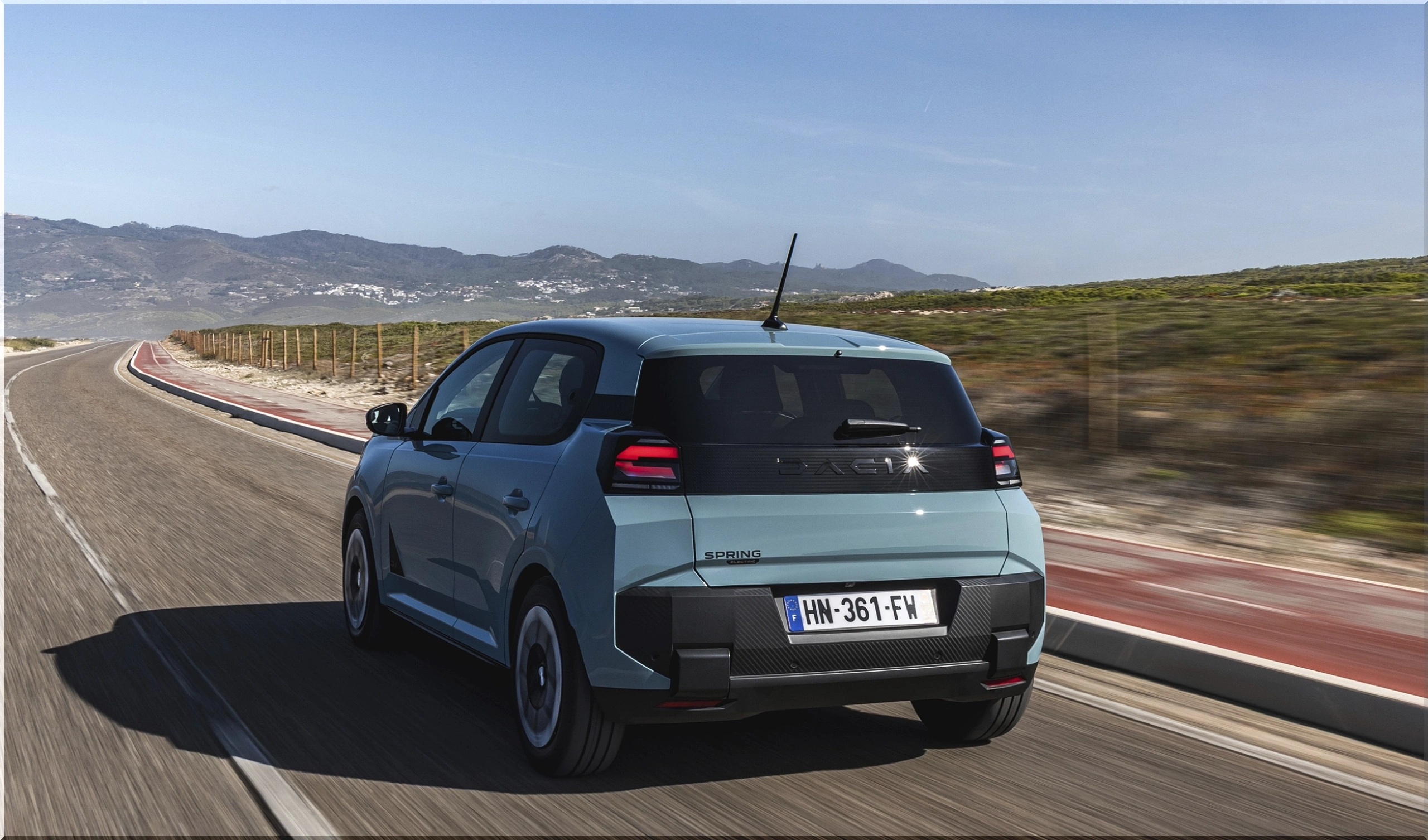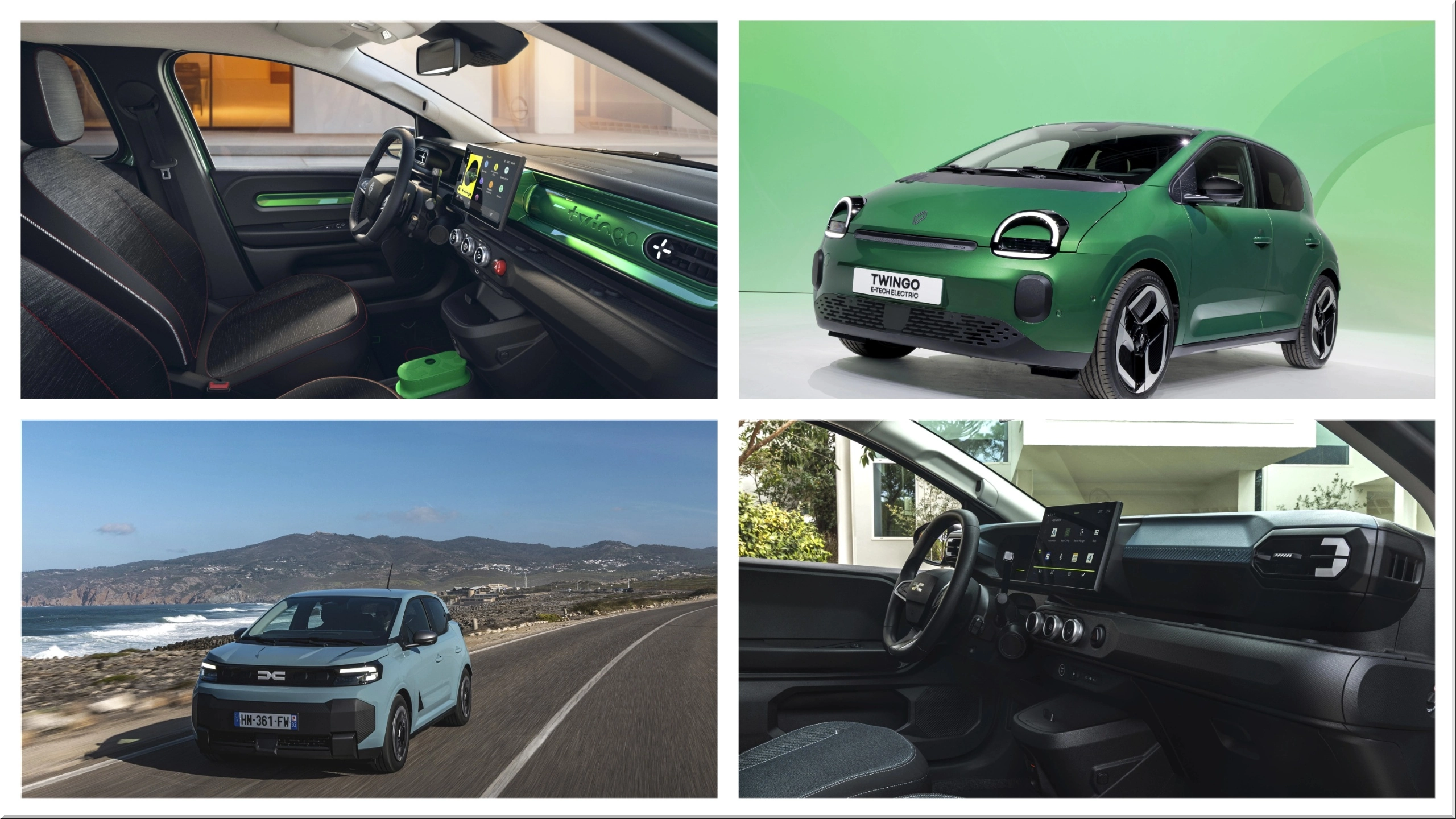
Add fast charging, and just €90 separates these electric city cars. In France, the Dacia Spring Journey with its charging pack costs €19,900 before grants. The Renault Twingo Evolution with its equivalent pack costs €19,990. That changes the buying decision.
This 2027 Dacia Spring vs Renault Twingo E-Tech Electric comparison covers the new European-built Spring and the Twingo generation that Renault launched in 2026. Manufacturer specifications and French prices, checked on 16 November 2026, underpin the figures below.
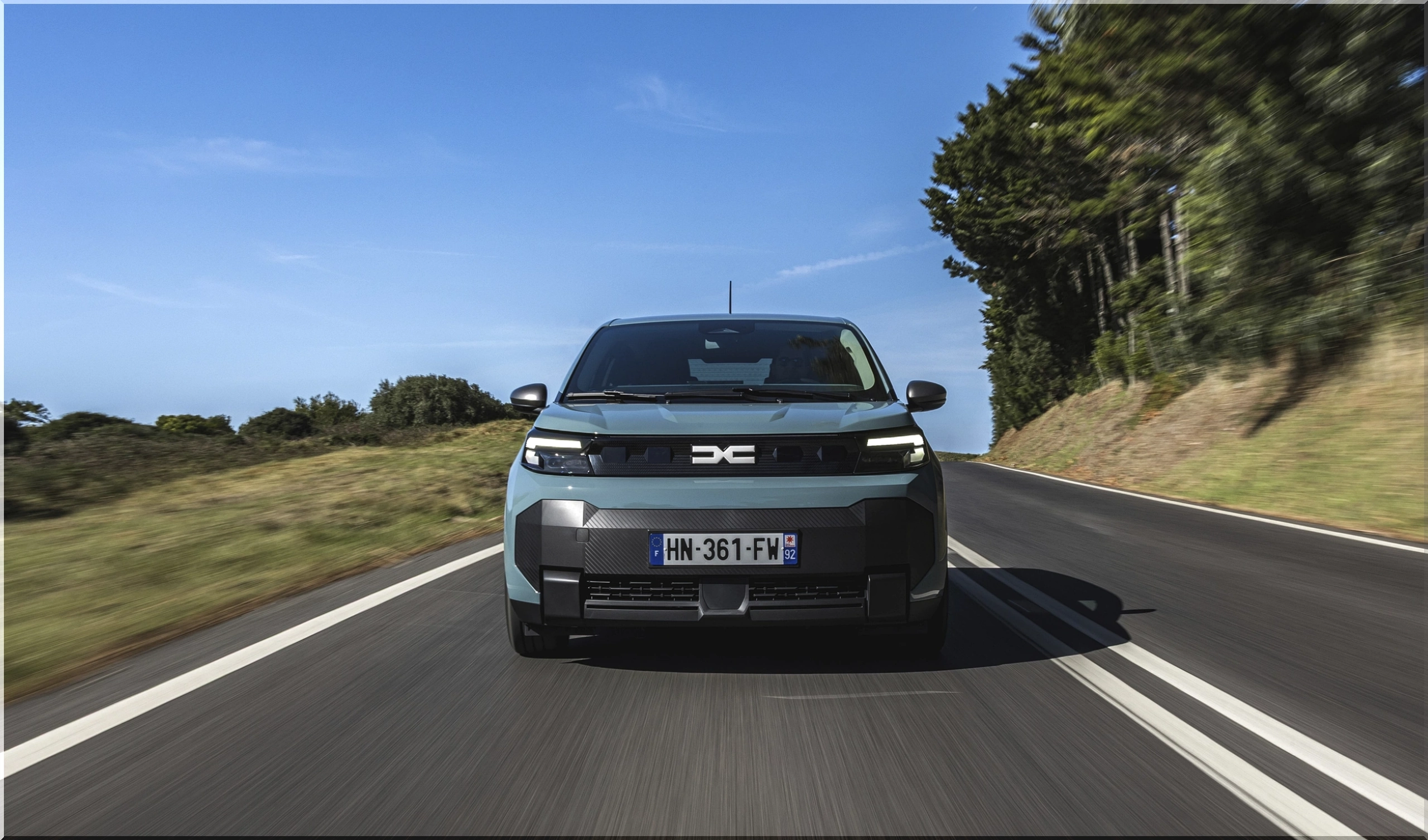
Same Power, Different Packaging
Both manufacturers build these four-seat EVs in Novo Mesto, Slovenia, using Renault Group's RGEV small architecture. Each car combines a 27.5 kWh usable battery with a 60 kW motor and 175 Nm of torque. Dacia's 80 hp and Renault's sometimes-quoted 82 hp labels do not establish a performance advantage: compare the matching kilowatt outputs.
| Specification | New Dacia Spring | Renault Twingo E-Tech Electric |
|---|---|---|
| Motor output / torque | 60 kW / 175 Nm | 60 kW / 175 Nm |
| Usable battery / chemistry | 27.5 kWh / LFP | 27.5 kWh / LFP |
| 0-100 km/h / top speed | 12.1 seconds / 130 km/h | 12.1 seconds / 130 km/h |
| Combined WLTP range | 246 km Expression; up to 250 km Journey | 264 km Evolution, French configurator |
| Length, brochure dimensions | 3,855 mm / 151.8 inches | 3,789 mm / 149.2 inches |
| Width, excluding mirrors | 1,722 mm / 67.8 inches | 1,720 mm / 67.7 inches |
| Height | 1,519 mm / 59.8 inches | 1,491 mm / 58.7 inches |
| Wheelbase | 2,492 mm / 98.1 inches | 2,493 mm / 98.1 inches |
| Turning diameter | 9.90 m | 9.90 m |
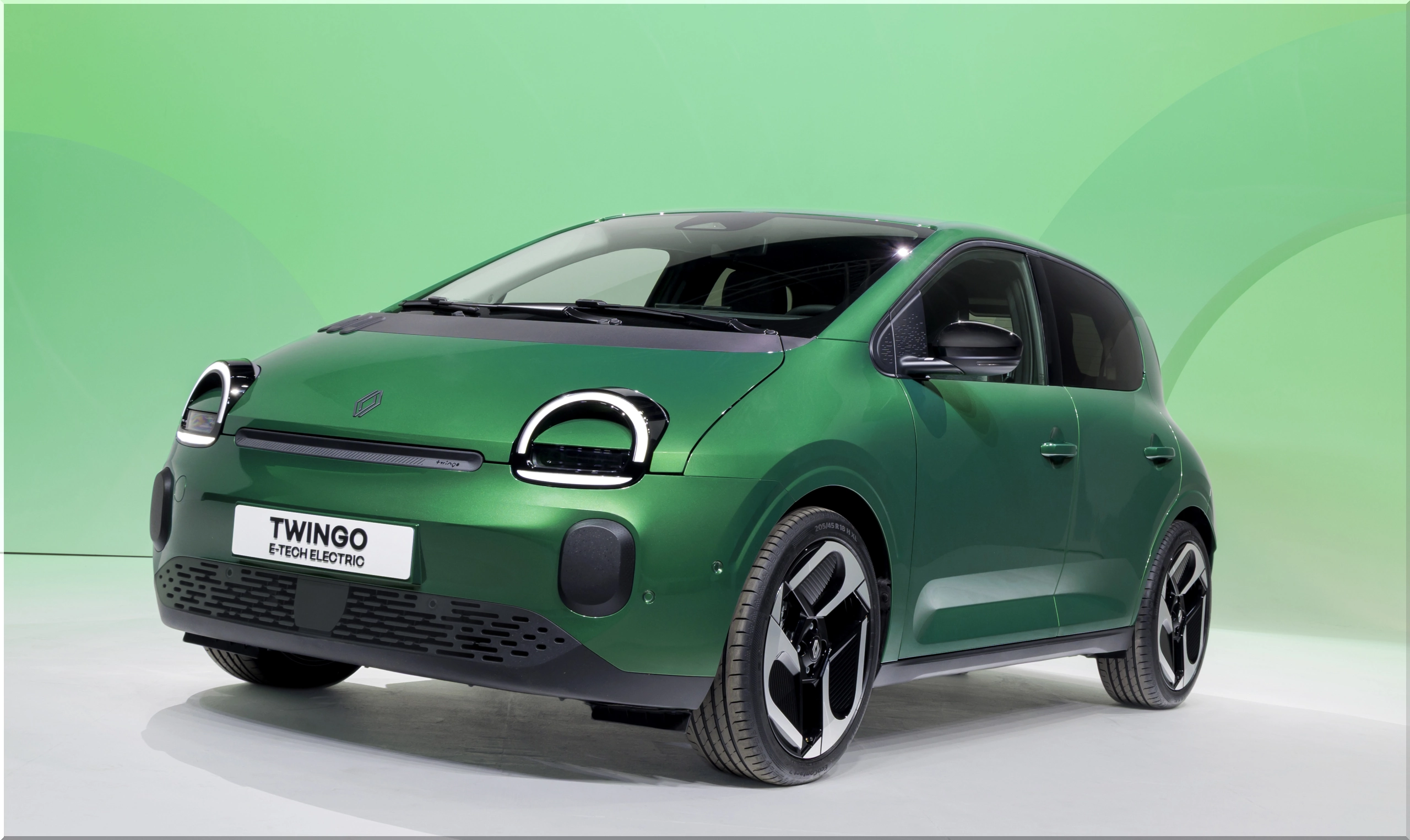
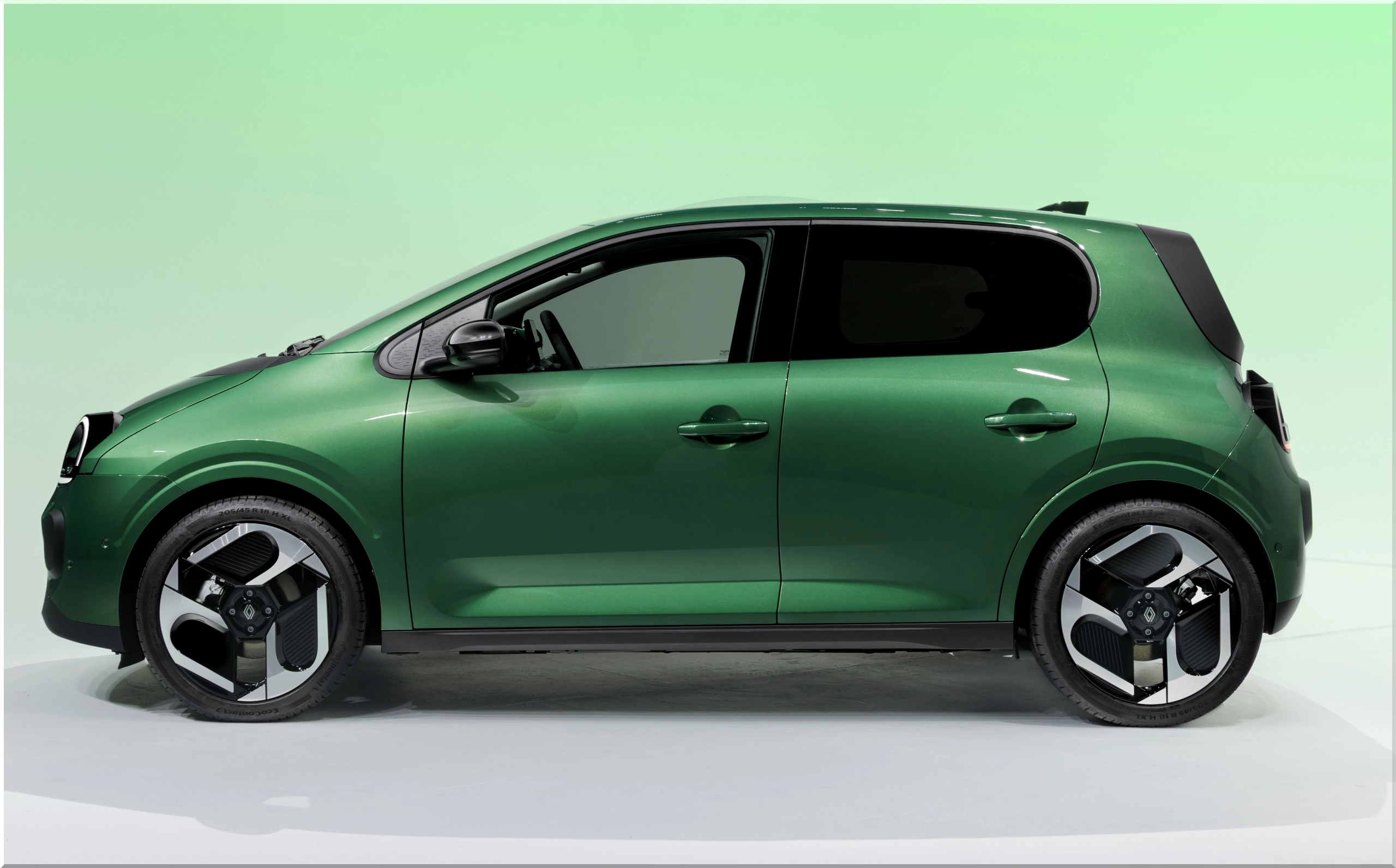
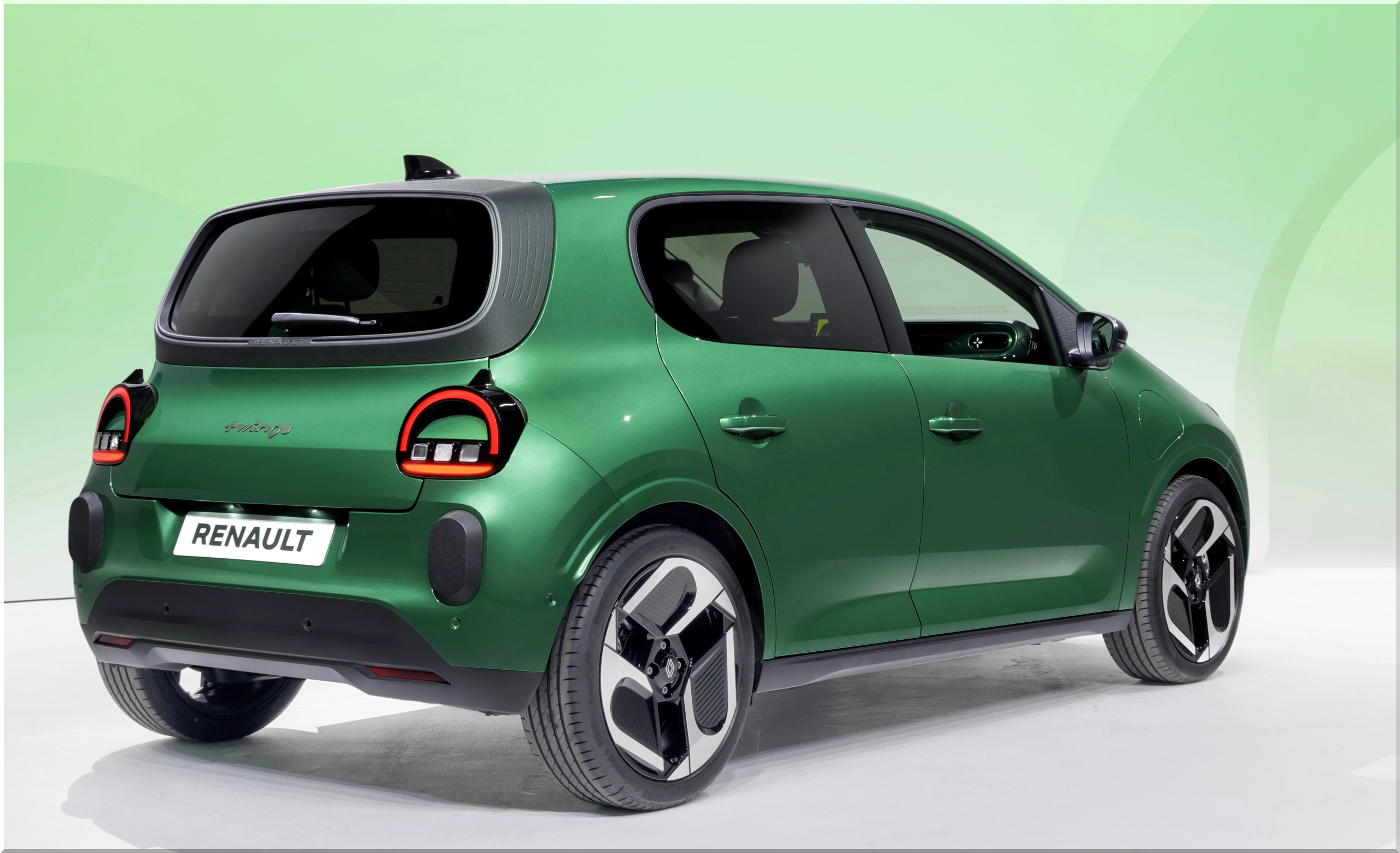
The Renault Twingo trims 66 mm from overall length while retaining virtually the same wheelbase. Its shorter combined overhangs help explain how Renault packages four seats inside a smaller parking footprint. Neither car offers an acceleration advantage on these figures.
Definition: LFP means lithium iron phosphate. This cobalt-free battery chemistry helps control material costs. Both designs also use cell-to-pack construction, which removes intermediate battery modules and assigns more pack space to cells.
Charging: Compare the Equipped Price
Both cars start with 6.6 kW AC charging. Their optional packs add 11 kW AC and 50 kW DC capability, but French trim restrictions change the bill: Dacia reserves its pack for Journey, while Renault offers its pack on Evolution and Techno.
| Price or charging specification | Dacia Spring | Renault Twingo |
|---|---|---|
| Entry price before grants | €17,900 Expression | €19,490 Evolution |
| Charging-pack price | €500, Journey only | €500, Evolution or Techno |
| Lowest DC-equipped configuration | €19,900 Journey with pack | €19,990 Evolution with pack |
| Standard / upgraded AC charging | 6.6 / 11 kW | 6.6 / 11 kW |
| Maximum DC charging with pack | 50 kW | 50 kW |
| Current quoted 15-80% DC time | 28 minutes | 28 minutes |
| Calculated energy added, 15-80% | Approximately 17.9 kWh | Approximately 17.9 kWh |
| Calculated average battery charging power | Approximately 38.3 kW | Approximately 38.3 kW |
Older Renault material quotes 30 minutes for 10-80%; its current French configurator quotes 28 minutes for 15-80%. Those statements describe different charging windows.
Looking at the data, a 65-percentage-point refill adds 17.875 kWh. Dividing that energy by 28 minutes gives approximately 38.3 kW, below the 50 kW peak rating. Battery temperature and the charging curve affect the time you actually spend plugged in.
Pro-Tips before ordering:
- Confirm the charging pack on the order form.
- Check whether your regular AC charger supplies three-phase power for 11 kW charging.
- Compare complete vehicle prices, including cables and paint.
Cabin Space: Sliding Seats Change the Calculation
Dacia advertises up to 337 litres of boot space, with the luggage cover removed. Its brochure also quotes 245 litres under the VDA block method for that configuration. Measurement methods matter; a larger headline number alone cannot settle a luggage comparison.
Renault advertises up to 360 litres and gives both rear seats 170 mm of independent sliding travel. Moving them forward exchanges passenger legroom for luggage space. The Spring uses a 50/50 split-folding rear bench, so test both cars with your passengers and regular bags before choosing.
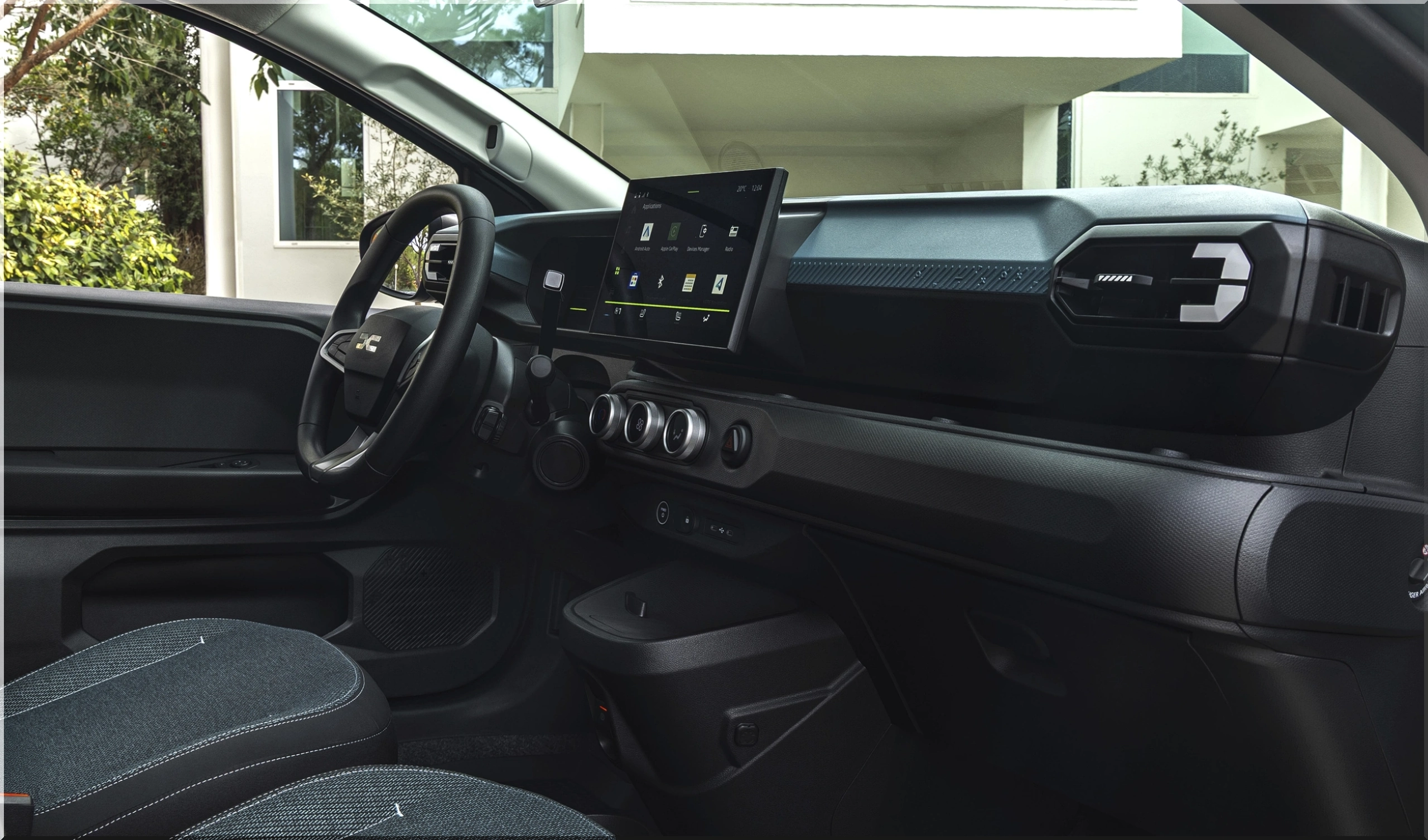
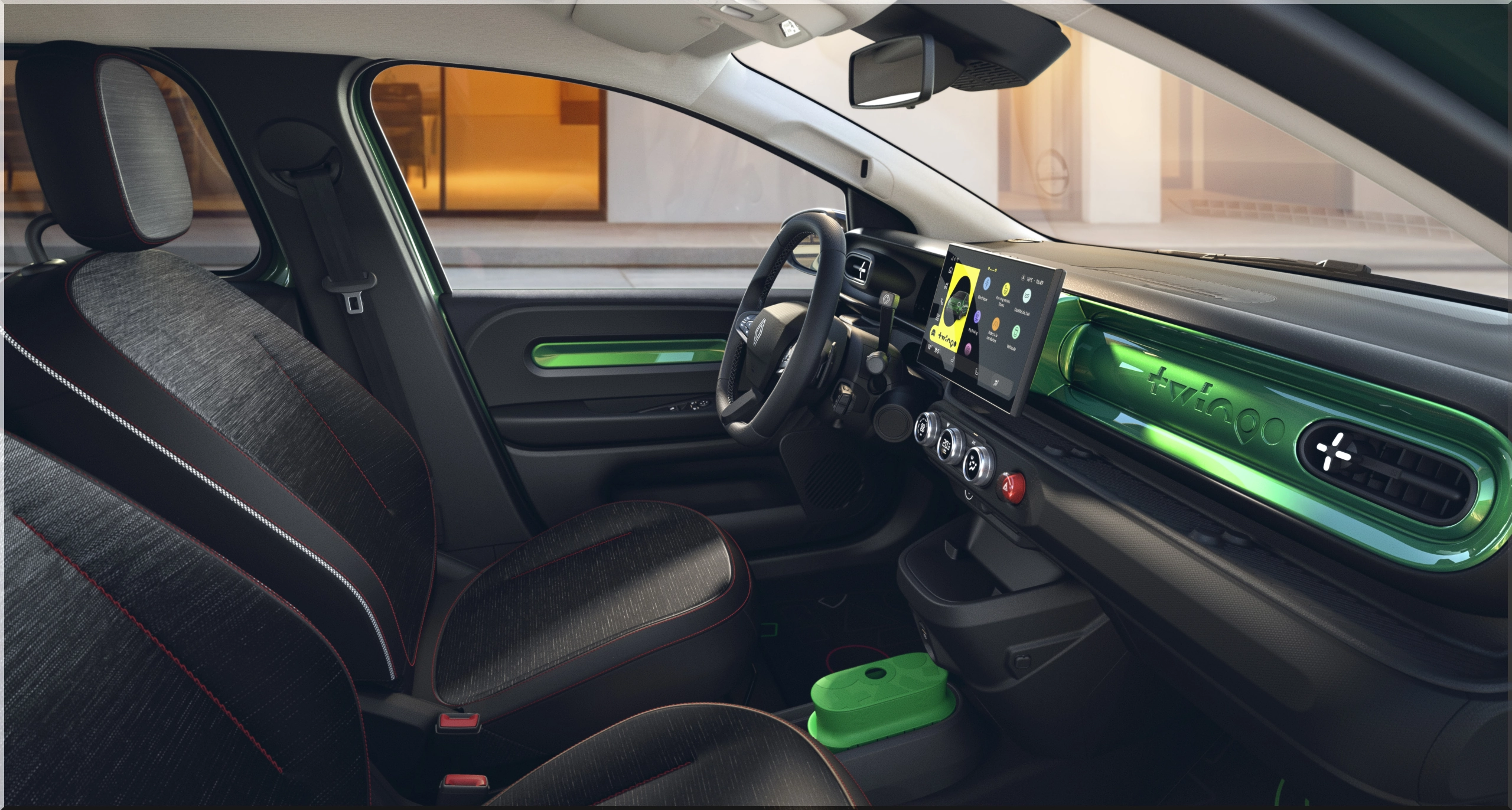
Equipment also changes the value calculation. 2027 Dacia Spring Expression uses a smartphone holder and Media Control; Journey adds a 10.1-inch navigation touchscreen and reversing camera. Twingo Evolution includes a central touchscreen, while the €21,090 Techno adds Google built-in, adaptive cruise control, automatic air conditioning, one-pedal driving and a reversing camera.
At the near-equal DC-equipped prices, the Dacia Spring Journey includes a camera that the Twingo Evolution lacks. Renault counters with its sliding rear seats.