
A low price can feel innocent at checkout. Then the piece makes two brief appearances and becomes an expensive decoration. Cost per wear exposes that shopping trick before your card leaves your wallet.
What Cost Per Wear Actually Tells You
Definition: Cost per wear shows how much a garment costs each time you wear it. It shifts attention from the price tag to repeated use.
The basic equation looks like this:
Cost per wear = purchase price / expected number of wears
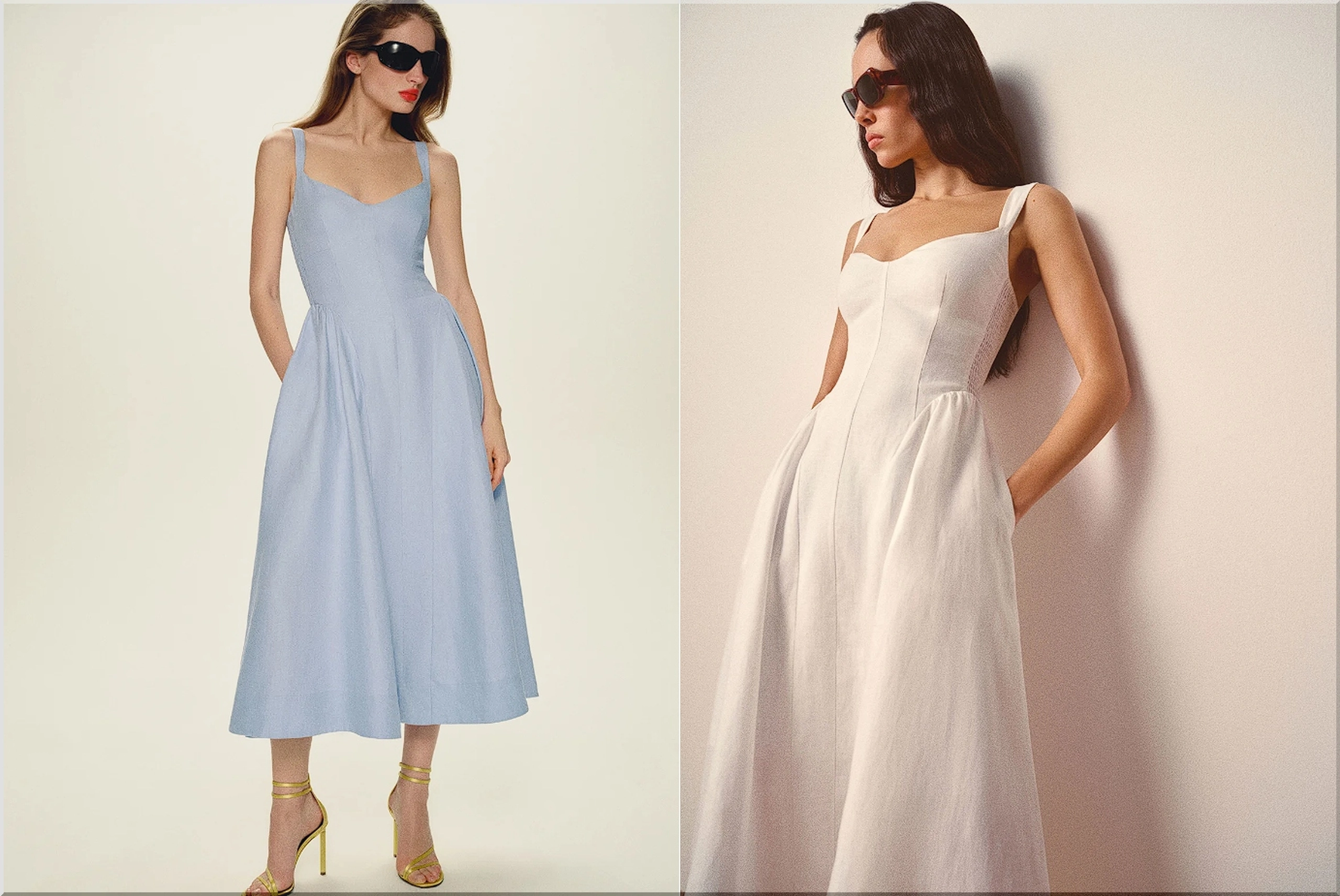
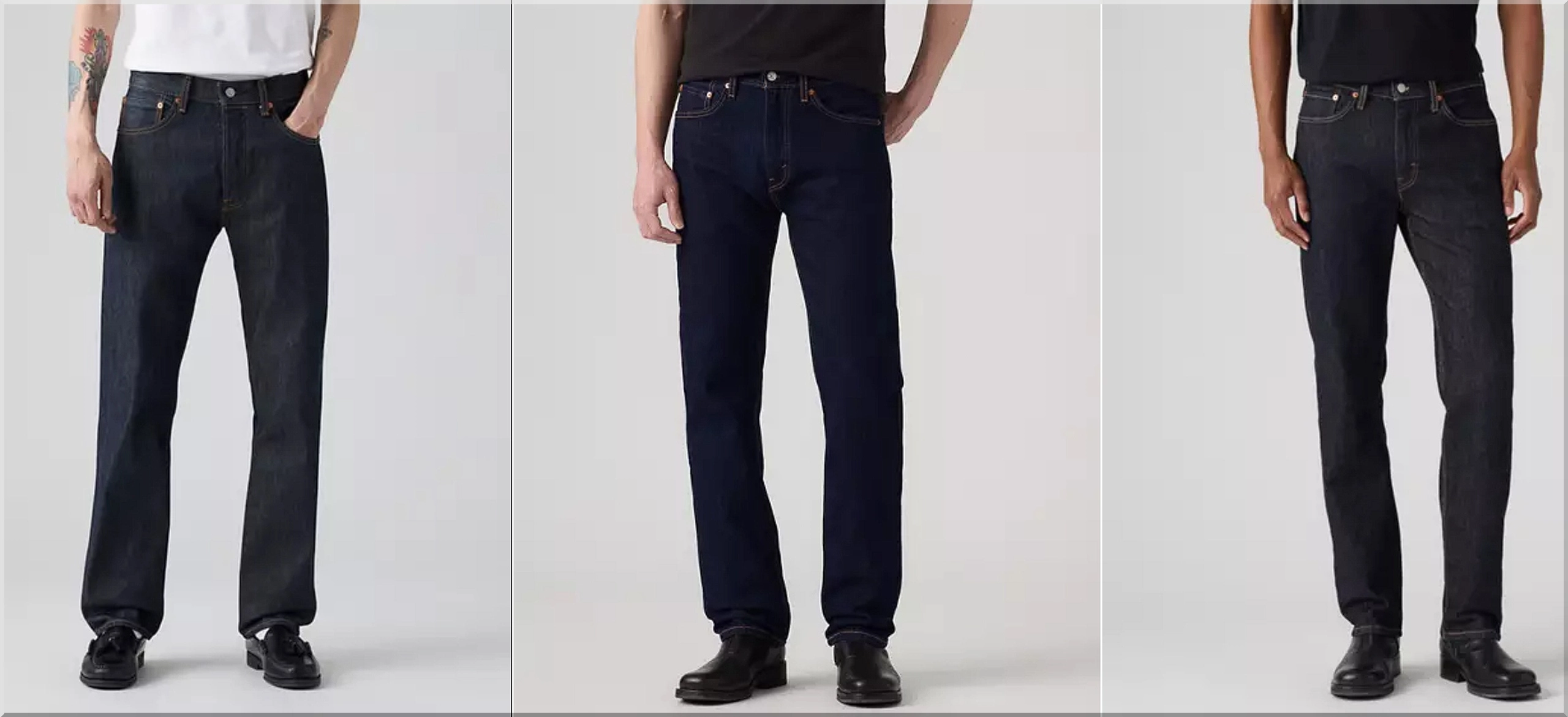
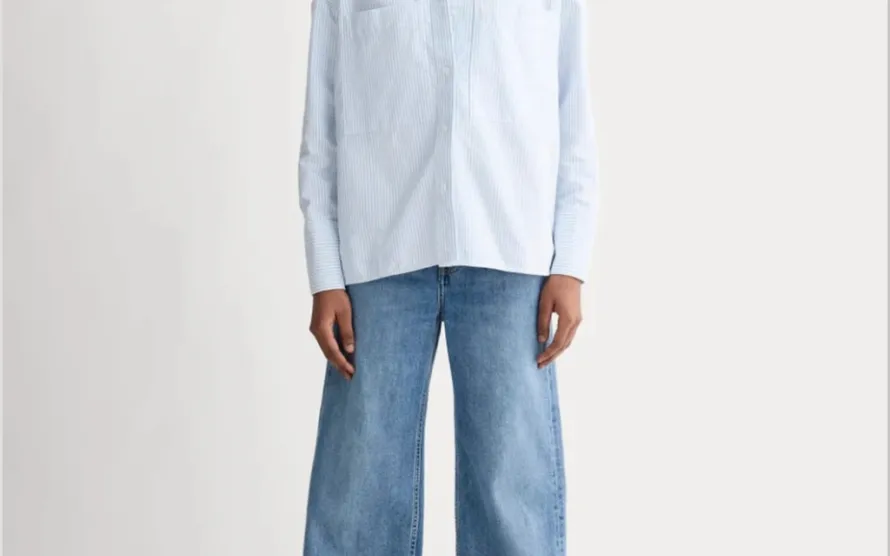
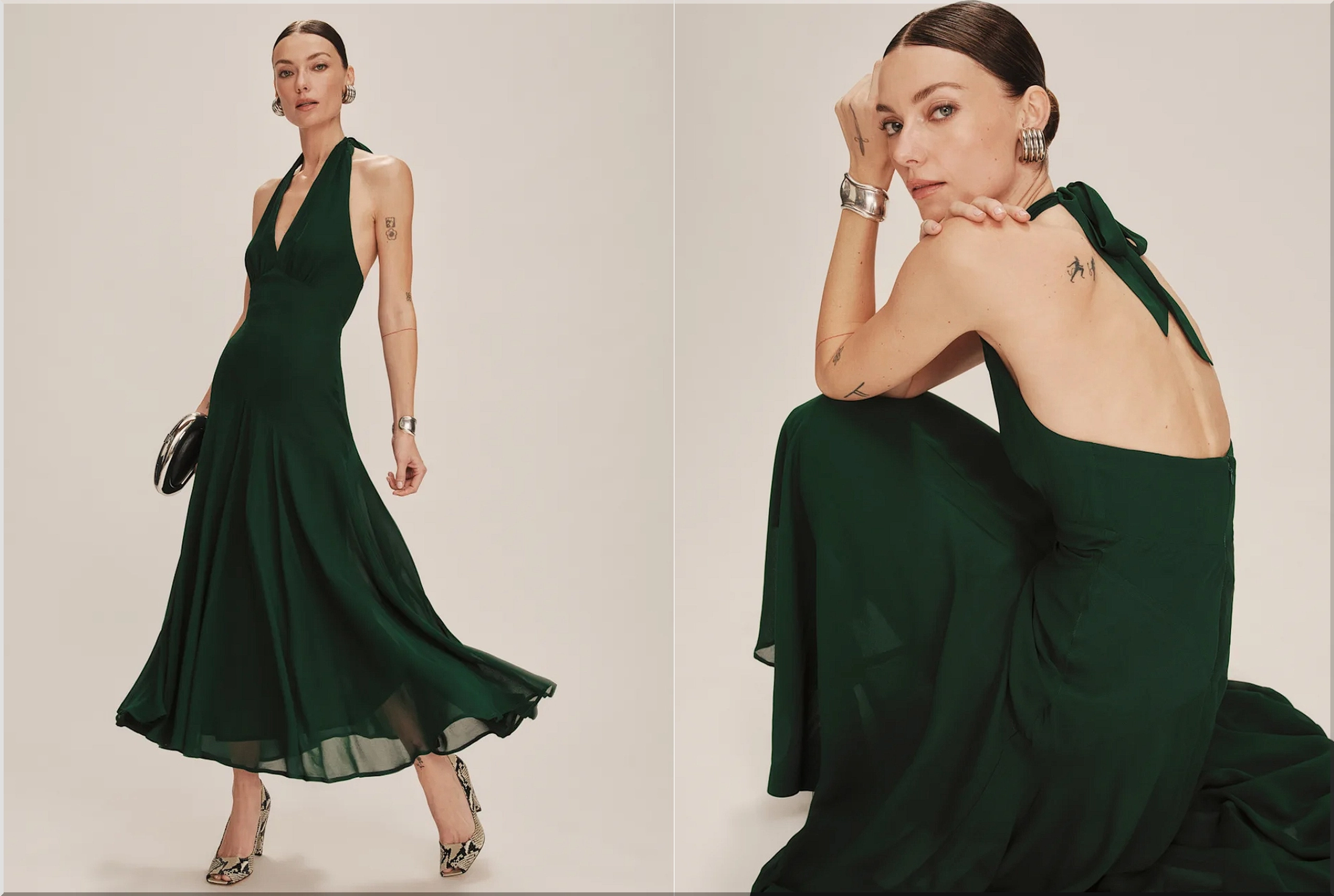
If you buy Levi's 501 Original Shrink-to-Fit Men's Jeans at the verified $74.99 sale price and wear them 100 times, each wear costs about $0.75. A $278 Reformation Tagliatelle Linen Dress costs $69.50 per wear after four uses. The wear count changes the verdict.
A stronger check includes the expenses that arrive after checkout:
Cost per wear = (purchase price + alterations + care + repairs - resale value) / expected wears
This version gives dry cleaning, shoe repairs, alterations, and realistic resale proceeds a seat at the table. Those costs can change the result sharply.
Cost per wear does not declare one garment good and another bad. It answers a narrower question: how much value could this piece return through real use?
Why Sticker Price Often Leads Shoppers Astray
Retail prices reward the sale. Your wardrobe rewards repeated use. Those two systems rarely agree.
A sale purchase can still disappoint when an awkward fit or fussy care label keeps it out of regular rotation. A higher price can work when comfort and versatility bring steady use.
That does not mean expensive clothes always win. Price offers no promise of comfort, durability, or frequent use. A costly mistake remains a mistake with nicer packaging.
Cost per wear before buying clothes helps because it forces three honest decisions. You must estimate frequency, useful life, and added expense. If your answer depends on a new social calendar, a different climate, or a personality transplant, the numbers need another pass.
How to Work Out Cost Per Wear Before Buying
You need a price, a realistic wear estimate, and a useful-life estimate. Add care and resale only when they have a credible basis.
- Start with the purchase price. Use the amount you will pay after a sale, tax, or discount.
- Add immediate extras. Include alterations, protective sprays, specialist cleaning before use, or required accessories.
- Estimate wear frequency. Base it on your current routine, weather, workplace, and social calendar.
- Estimate useful life. Ask how long the fabric, construction, fit, and design will keep the piece in rotation.
- Add care and repair costs. Count dry cleaning, resoling, mending, and other likely upkeep across that period.
- Subtract credible resale value. Use a cautious figure, and use zero when resale feels doubtful.
- Divide net cost by total expected wears. Then compare the answer with a similar piece, not an unrelated category.
For seasonal clothing, use this wear estimate:
Expected wears = wears per active month x active months per year x years of use
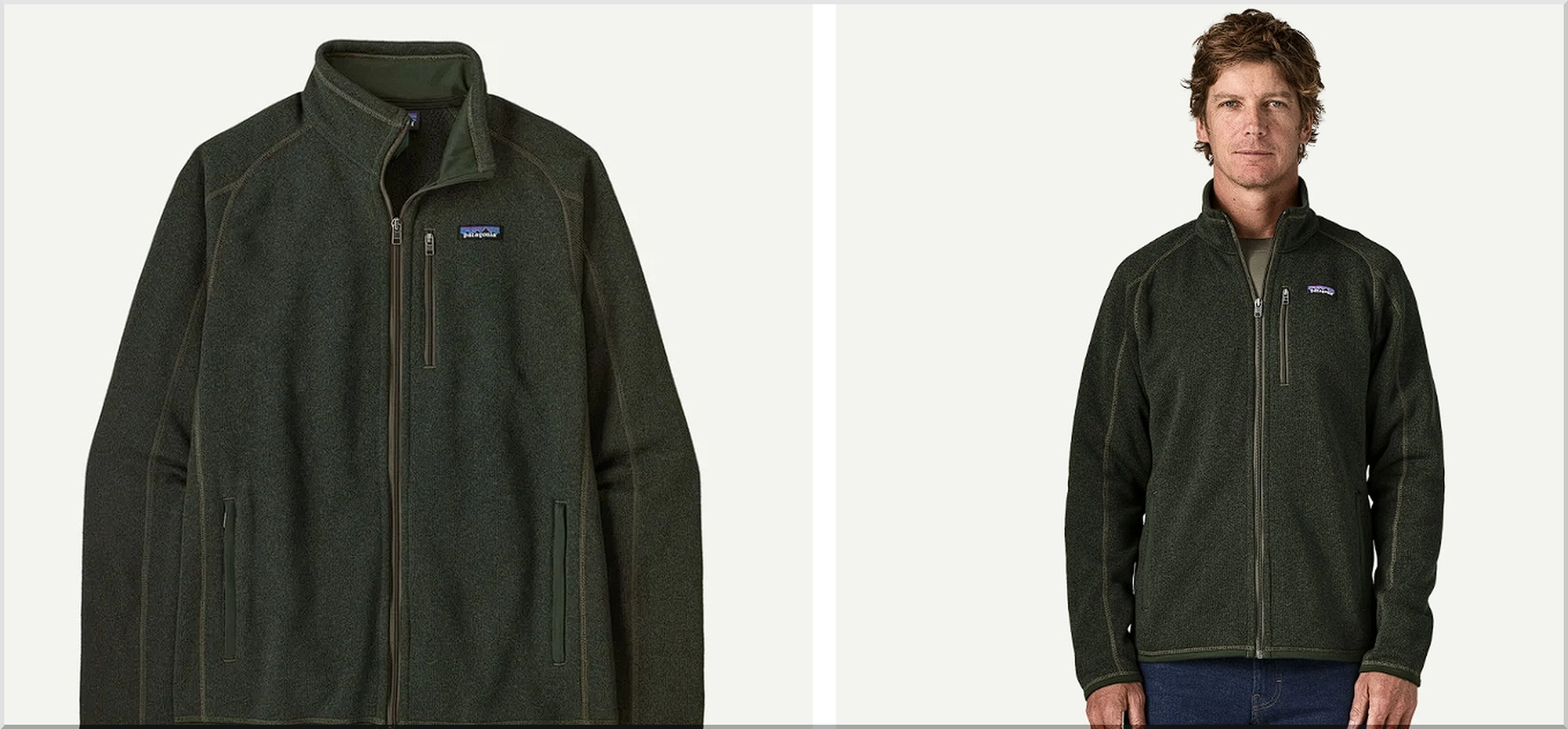
Suppose you consider the Patagonia Men's Better Sweater Fleece Jacket at its verified $169 price. Five wears a month across eight active months for two years gives 80 wears. With no specialist care or resale included, the result reaches about $2.11 per wear.
Real Products and Prices in a Cost Per Wear Test
Brand pages showed these US prices on September 16, 2026. Levi's offered a temporary sale, while the other rows used the displayed price. Retailers may change prices, colors, and promotions.
| Actual product | Verified US price | Modeled extras | Modeled wears | Modeled cost per wear |
|---|---|---|---|---|
| Levi's 501 Original Shrink-to-Fit Men's Jeans | $74.99 sale, $84.95 regular | $0 | 100 | $0.75 at sale price |
| Patagonia Men's Better Sweater Fleece Jacket | $169 | $0 | 80 | $2.11 |
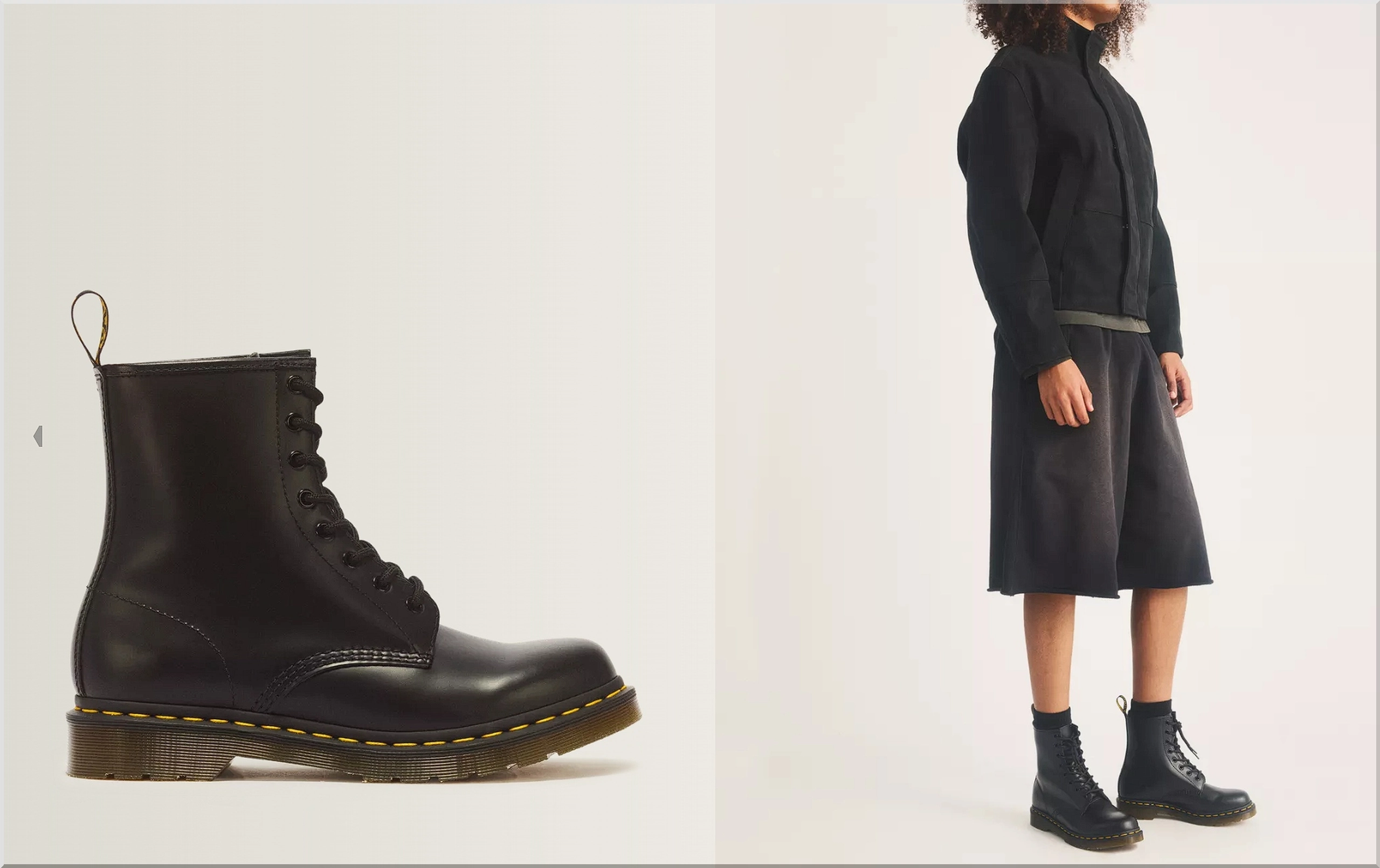
| Dr. Martens 1460 Smooth Leather Lace Up Boots | $180 | $30 for care | 120 | $1.75 |
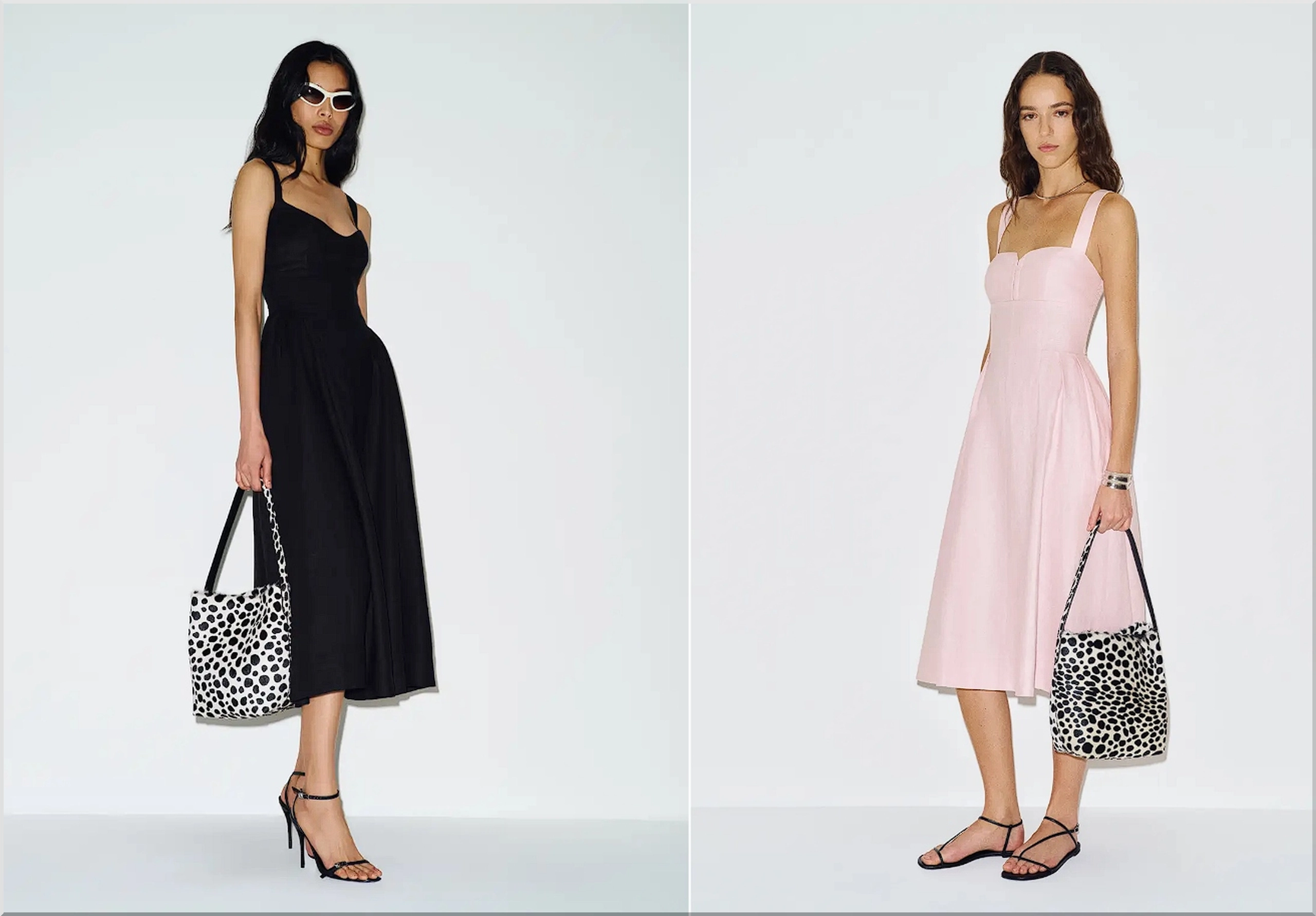
| Reformation Tagliatelle Linen Dress | $278 | $0 | 8 | $34.75 |
These figures demonstrate the method, not manufacturer promises. The modeled wear counts and added costs come from sample ownership scenarios. Do not rank jeans against a linen dress. Compare the Levi's jeans with other jeans and the Reformation dress with similar dresses.
The Reformation example also shows how one assumption changes the result. Eight wears produce $34.75 per wear. Twenty wears reduce it to $13.90. Same dress, same price, very different value.
How to Estimate Wears Without Fooling Yourself
The wear count drives the whole equation, and optimism can inflate it faster than a shop mirror inflates confidence. Use evidence from your own wardrobe.
Check Your Recent Habits
Look at similar pieces you already own. How often did you wear them during the past month or season? Your actual behavior offers better guidance than a hopeful promise made under flattering lights.
If you own four similar black sweaters, a fifth one will share their available wear days. It will not create a fifth winter. Divide likely use across the pieces you already rotate.
Use the Three-Look Test
Before buying, create three distinct looks using clothes and shoes you already own. Each one should suit a real activity in your present life. If the new piece requires another purchase to become usable, add that expense or walk away.
Cut Uncertain Estimates in Half
A new silhouette, bold color, or unfamiliar category carries extra risk. Run the math with half your original wear estimate. If the result still feels fair, your decision rests on firmer ground.
Respect Seasonality
Rain boots in a dry region, a heavy coat in a mild climate, or linen trousers during a short summer all face natural limits. Count active months, not twelve imaginary months of perfect conditions.
Pro-Tip: Name the next three dates or situations when you could wear the piece. Vague answers signal vague demand.
What Counts as a Good Cost Per Wear?
No universal target fits every clothing category. Daily shoes should reach a lower figure than a wedding suit. A winter coat may need several seasons to prove its value. A special dress may do its job in one memorable evening.
Use category-based comparisons:
- Compare the $74.99 Levi's 501 jeans with other straight-leg jeans, based on comfort, durability, care, and expected rotation.
- Compare office clothes using your actual office schedule, including remote-work days.
- Compare shoes after adding likely care, heel replacement, or resoling.
- Compare occasion wear with rental, resale, borrowing, and secondhand options.
- Compare trend-led pieces with a shorter useful life than dependable staples.
Your budget still sets the outer limit. A projected $1 cost per wear does not make a $600 coat affordable today. The equation spreads cost across future use, but the retailer charges you now.
Hidden Costs That Belong in the Math
Some garments bring small financial companions home with them. New trousers may need hemming. Leather boots may need polish and later repairs. The Dr. Martens example adds a modeled $30 for care across 120 wears.
Include costs you can reasonably expect:
- Alterations needed for a secure, comfortable fit
- Dry cleaning or specialist washing
- Repairs, resoling, replacement buttons, or zipper work
- Storage bags or protective care products
- Extra pieces required to make the purchase wearable
- Return postage when fit or quality remains uncertain
Resale value belongs on the other side of the equation, but keep it conservative. Brand recognition, condition, size demand, fees, and shipping can reduce what reaches your pocket. If you rarely sell clothes, enter zero. Future motivation makes poor currency.
Where Cost Per Wear Gives a Weak Answer
Math helps, but it does not understand your skin, memories, comfort, or finances. Use it as a filter, not a verdict.
It Does Not Test Comfort or Fit
A low projected figure means little if a waistband pinches or fabric irritates you. Sit, walk, bend, and raise your arms. Comfort creates repeat use.
It Does Not Prove Quality
A high price may reflect branding rather than better construction. Check seams, fabric recovery, closures, lining, care instructions, and the return policy.
It Does Not Price Meaning
An inherited coat or wedding dress may carry personal value outside ordinary use. Let sentiment keep its own account instead of forcing every cherished piece through a utility test.
It Can Excuse Overspending
Shoppers may choose a large wear estimate after falling in love with a costly piece. Run the numbers before deciding. A tiny projected figure never cancels debt, rent, or savings goals.