Fashion moves fast. Your wardrobe does not need to sprint after every microtrend with a tired credit card and a chair full of unworn clothes. The real skill lies in choosing clothes that fit, pieces that work hard, and details that make you look current without making you look like a shopping cart with legs.
What Staying on Trend Really Means
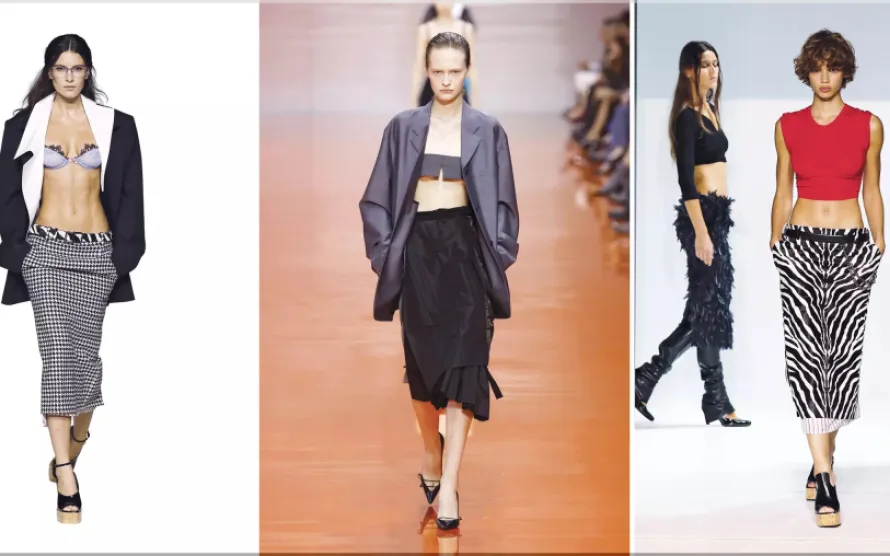
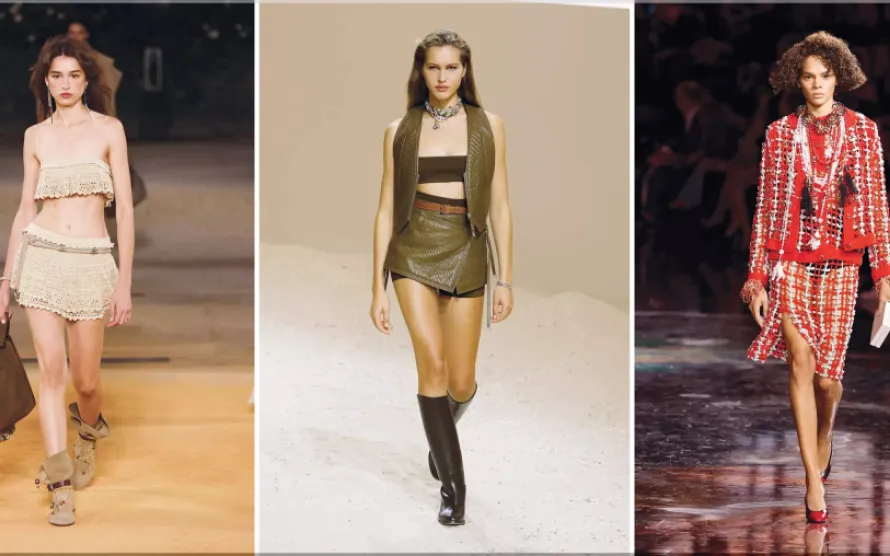
Staying on trend does not mean copying every runway idea, celebrity look, or social media haul. It means reading where fashion is going, then choosing what fits your body, your budget, and your daily life.
Good trends pass the real-life test. You can wear them to work, dinner, weekend plans, travel days, or a casual coffee without needing a full costume change.
A modern personal style starts with three simple questions:
- Does this piece fit me well?
- Can I wear it in at least three ways?
- Does it suit my real life, not a fantasy version of it?
When the answer feels honest, you found a useful piece. When the answer needs a long explanation, you probably found an impulse buy wearing nice lighting.
Start With Fit, Not Flash
A high-price piece looks cheap when the fit fails. Too tight, too loose, too long, too short: each one sends the same message. The clothes control the look, not you.
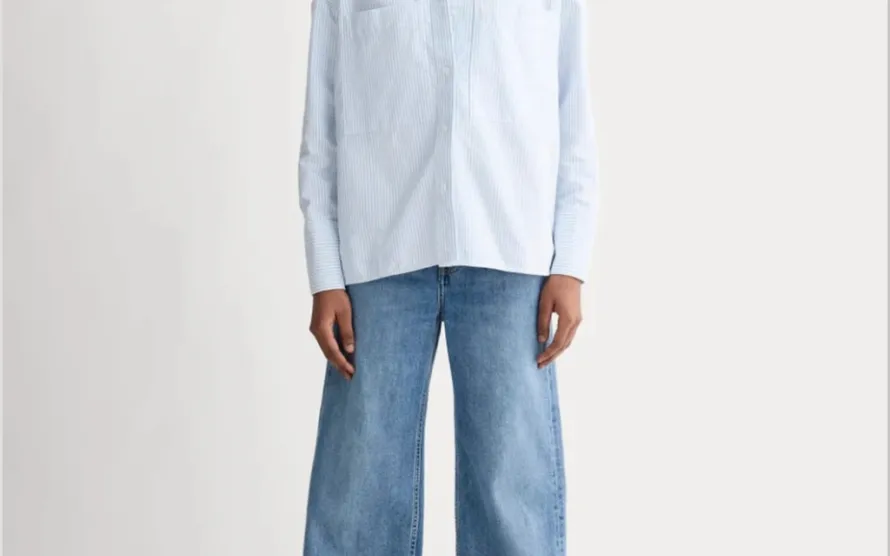
Clothing fit beats logos, trends, and price tags. A simple blazer that sits cleanly on the shoulders looks better than an expensive one that pulls at the buttons. A pair of straight-leg jeans with the right length looks sharper than trendy denim that bunches around your shoes.
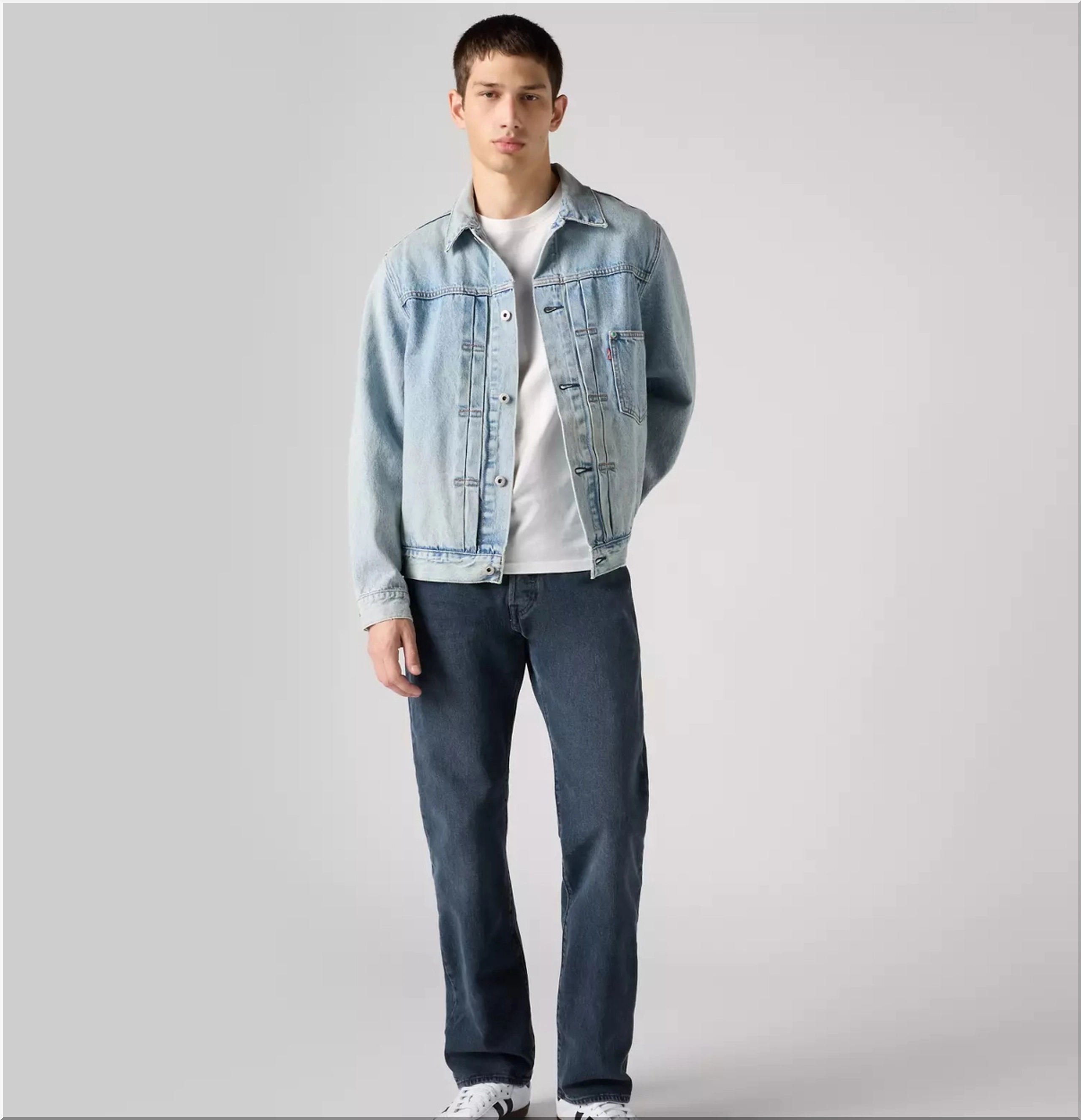
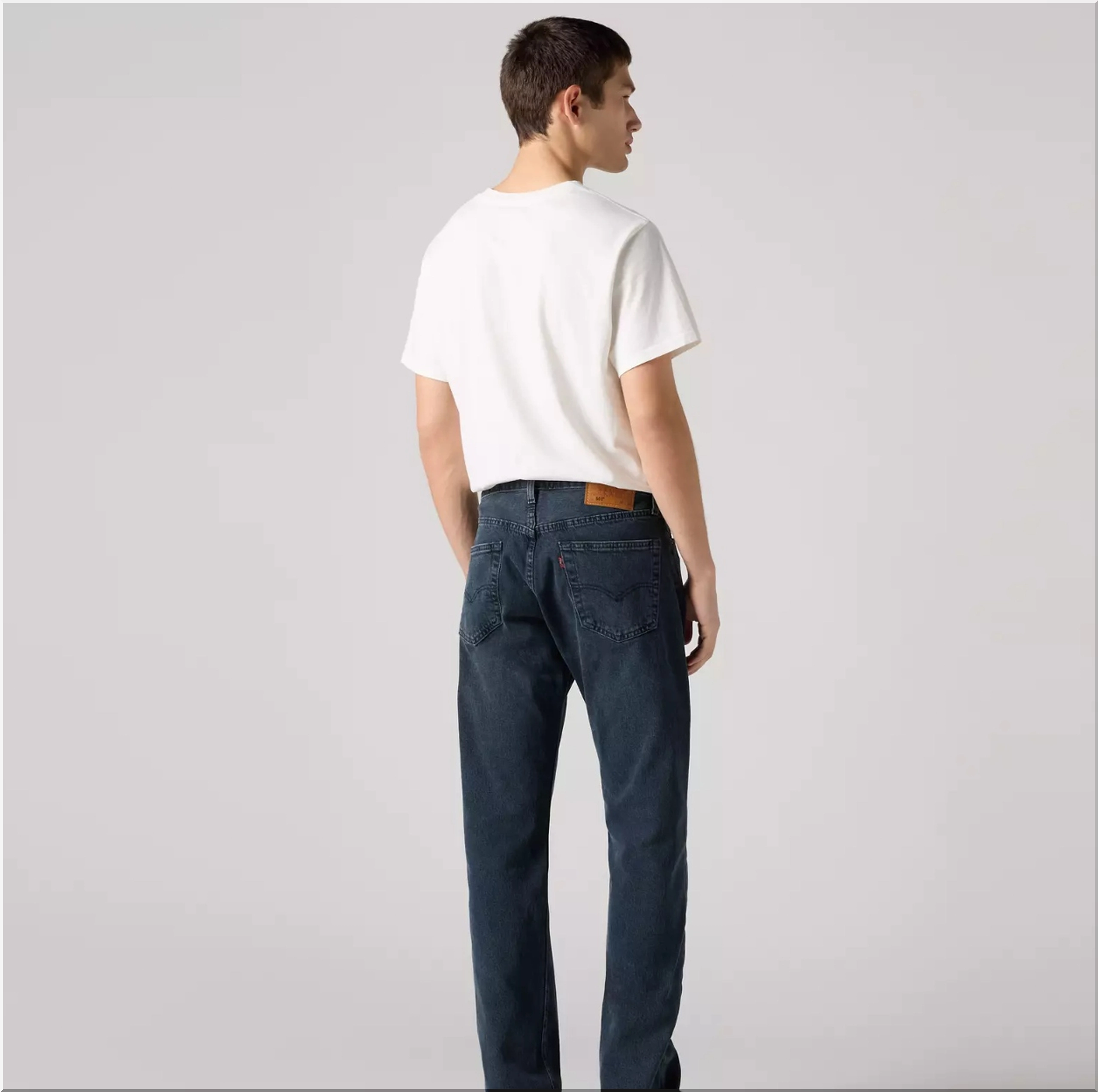
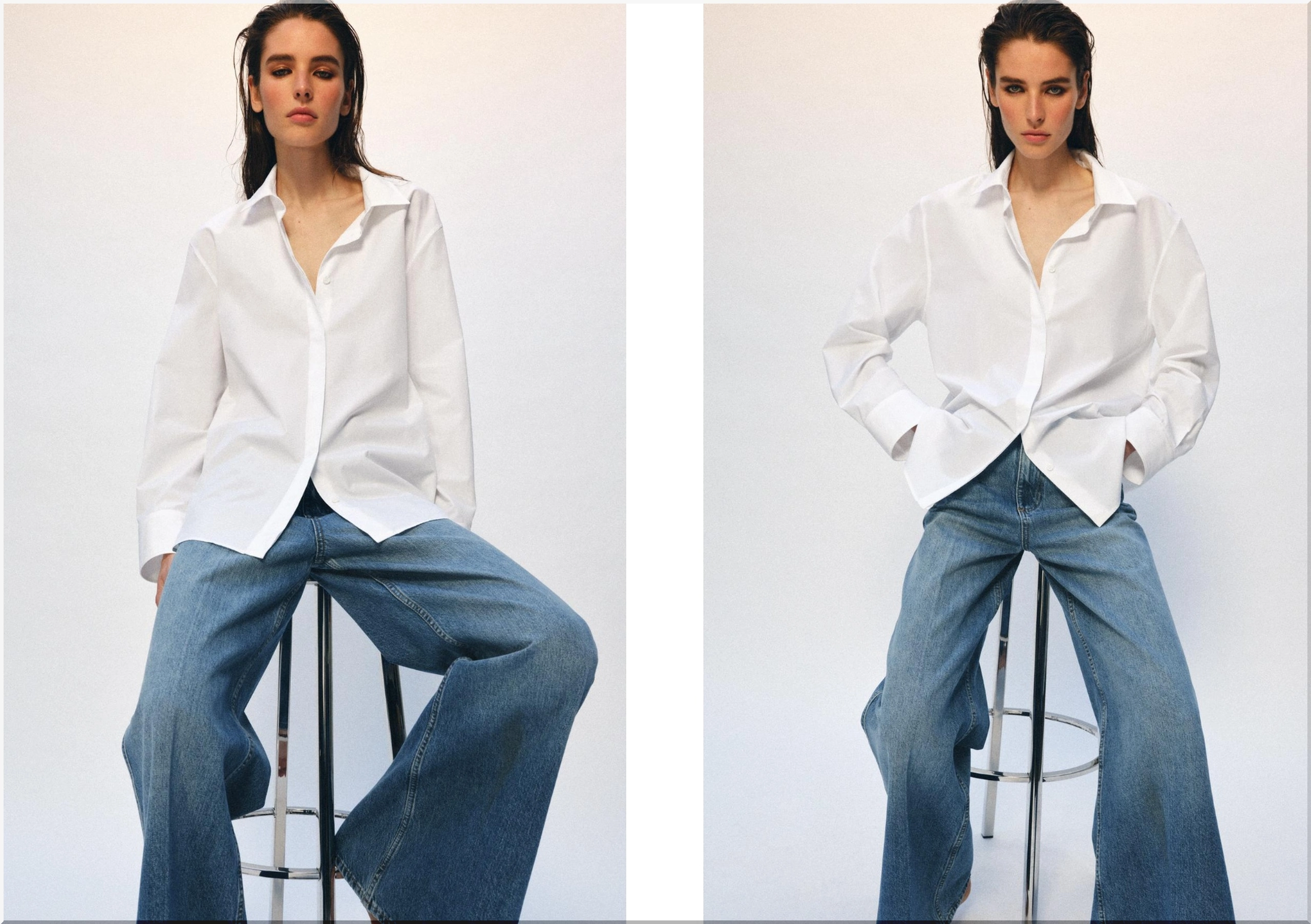
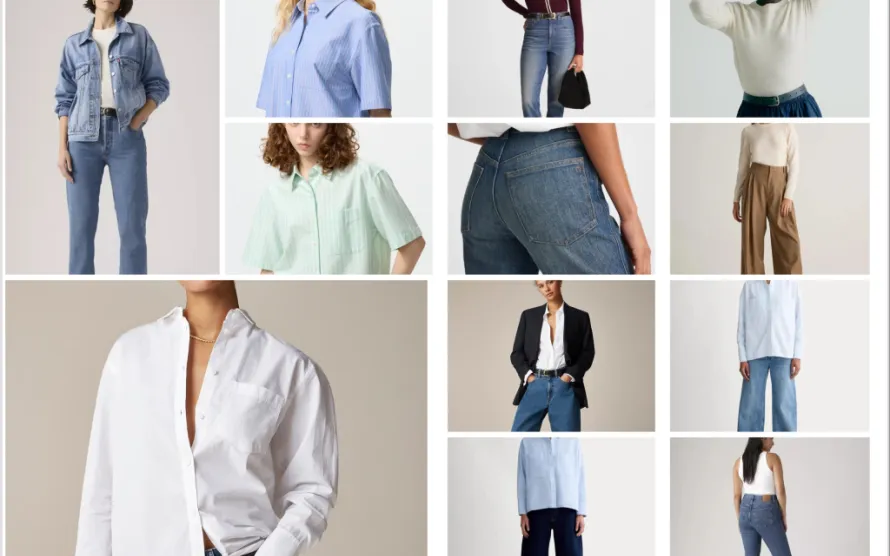
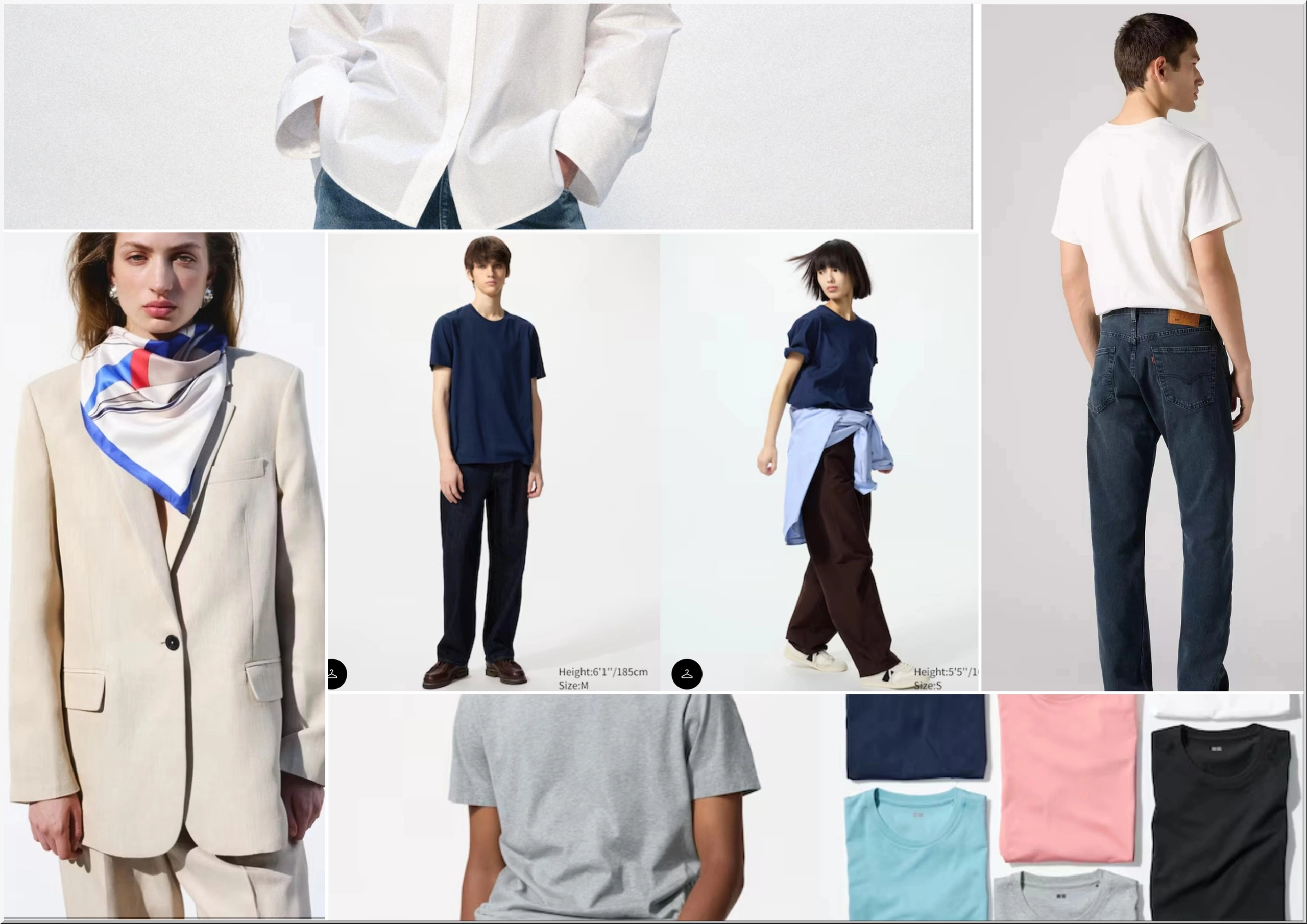
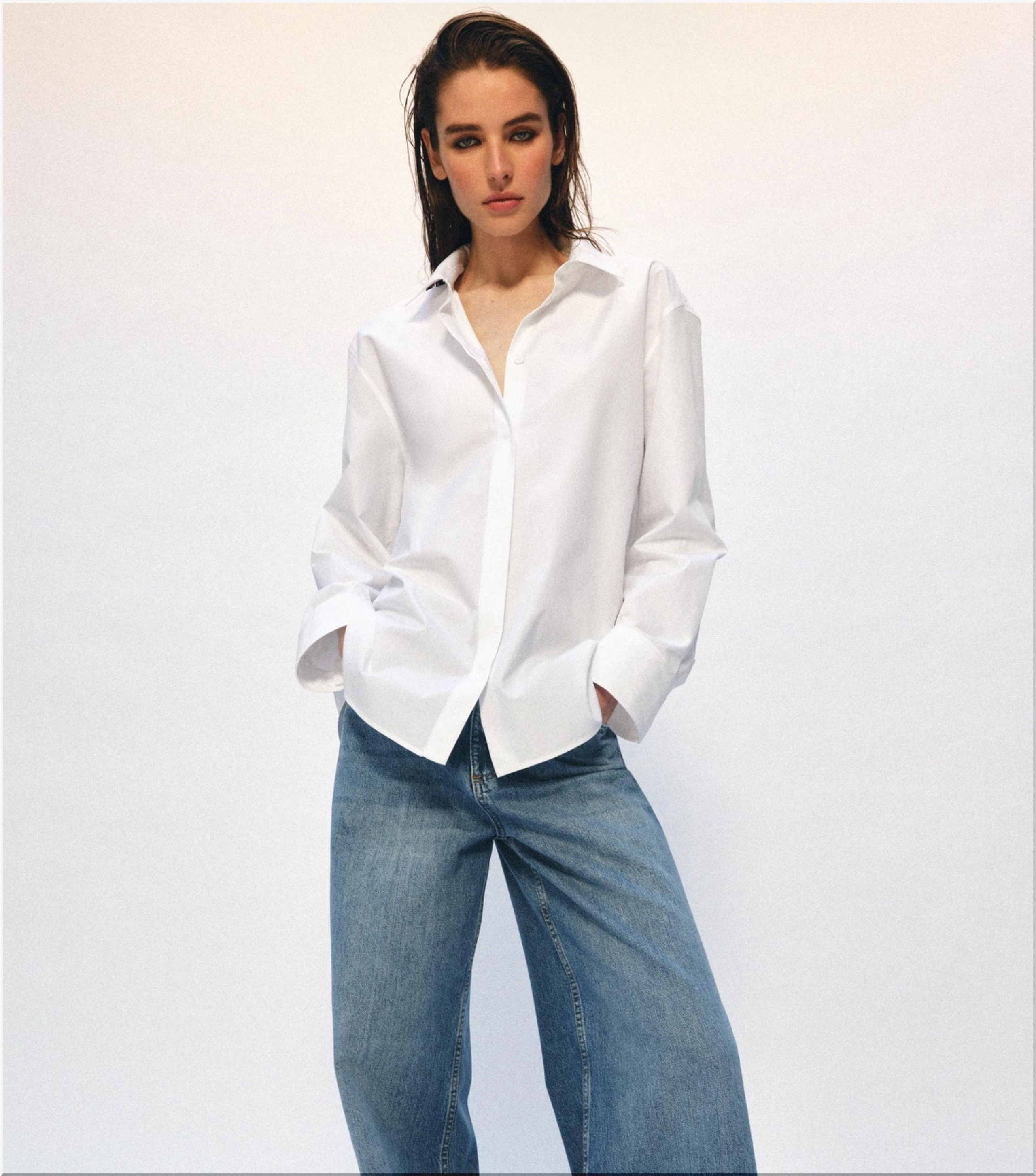
For a useful starting point, look at classics with clear shapes. The Levi's 501 Original Jeans give you a straight-leg denim reference that works across many wardrobes. For a crisp shirt, the Zara ZW Collection Poplin Shirt shows why a clean white shirt still earns its space.
Pro-Tip: A Good Adjustment Can Save a Great Piece
Do not give up on every imperfect item. Some clothes need a small adjustment, not exile.
Shortening sleeves, fixing hems, taking in a waist, or adjusting trouser length can turn a decent piece into one you wear all the time. Try the item with the shoes you plan to wear. Check the shoulders, waist, sleeves, and length. That is where polish lives.
Do Not Chase Every Trend With Your Wallet Open
Trends can charm anyone. They appear everywhere, feel urgent, and promise a quick refresh. The problem starts when you buy pieces that work with nothing you own.
A fashion trend deserves space in your wardrobe only when it supports your existing clothes. If you own strong basics, a seasonal color can add energy. If you wear denim often, a new cut can update your proportions. If your days stay casual, polished sneakers can earn their place.
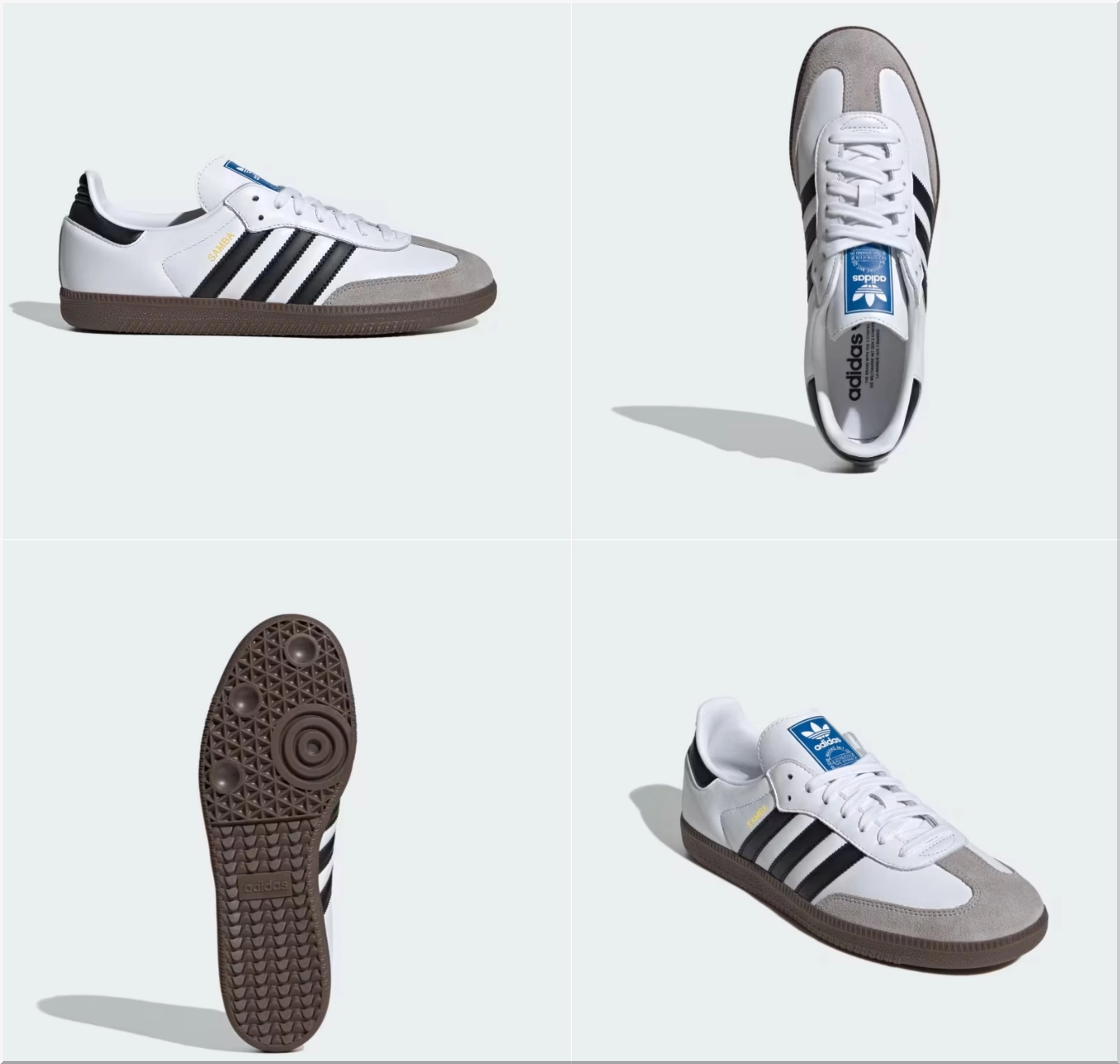
The adidas Samba OG Shoes show this well. They started with a sport-driven shape, but their low profile and clean finish now make them easy to wear with denim, trousers, skirts, and relaxed tailoring. That is the kind of trend-adjacent piece that can work beyond one season.
But if one item needs five new purchases before it makes sense, you bought a project, not clothing.
How to Choose Trends That Actually Work
Use a short decision process before you shop. It keeps your wardrobe clear and your spending smarter.
- Pick one trend you genuinely like.
- Check if the color works with your current wardrobe.
- Picture three looks using clothes you already own.
- Try it in natural light when possible.
- Wait 24 hours before buying anything expensive or highly seasonal.
That pause protects your money and your closet. Fashion should make daily dressing easier, not turn your morning into a small administrative crisis.
Build Around Wardrobe Basics That Work Hard
Statement pieces get the compliments. Wardrobe basics do the heavy lifting. Without them, your closet becomes a collection of interesting ideas that refuse to work together.
Basics should not feel boring. They should feel useful. Think of them as the calm, reliable cast that lets the main pieces perform.
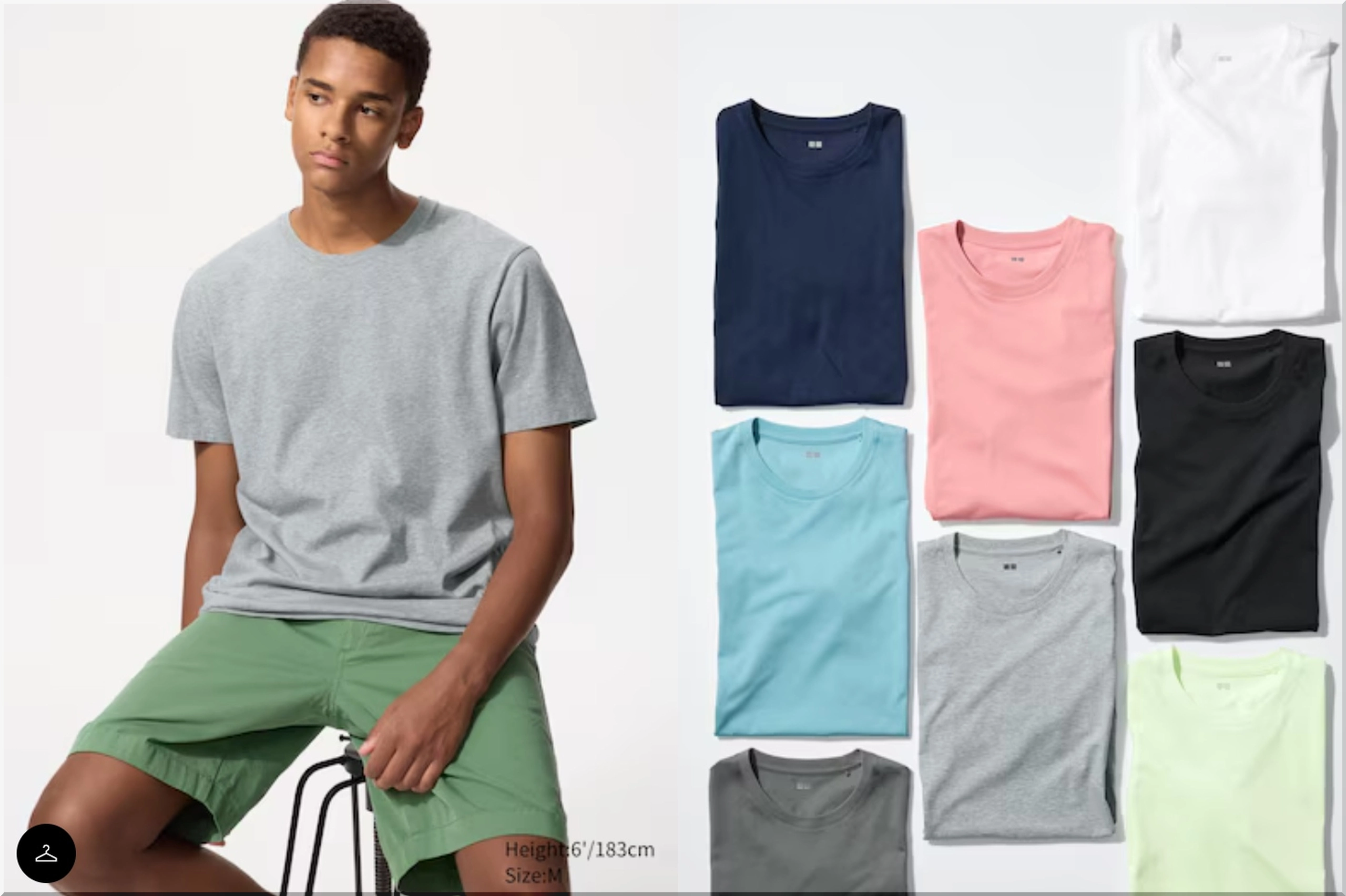
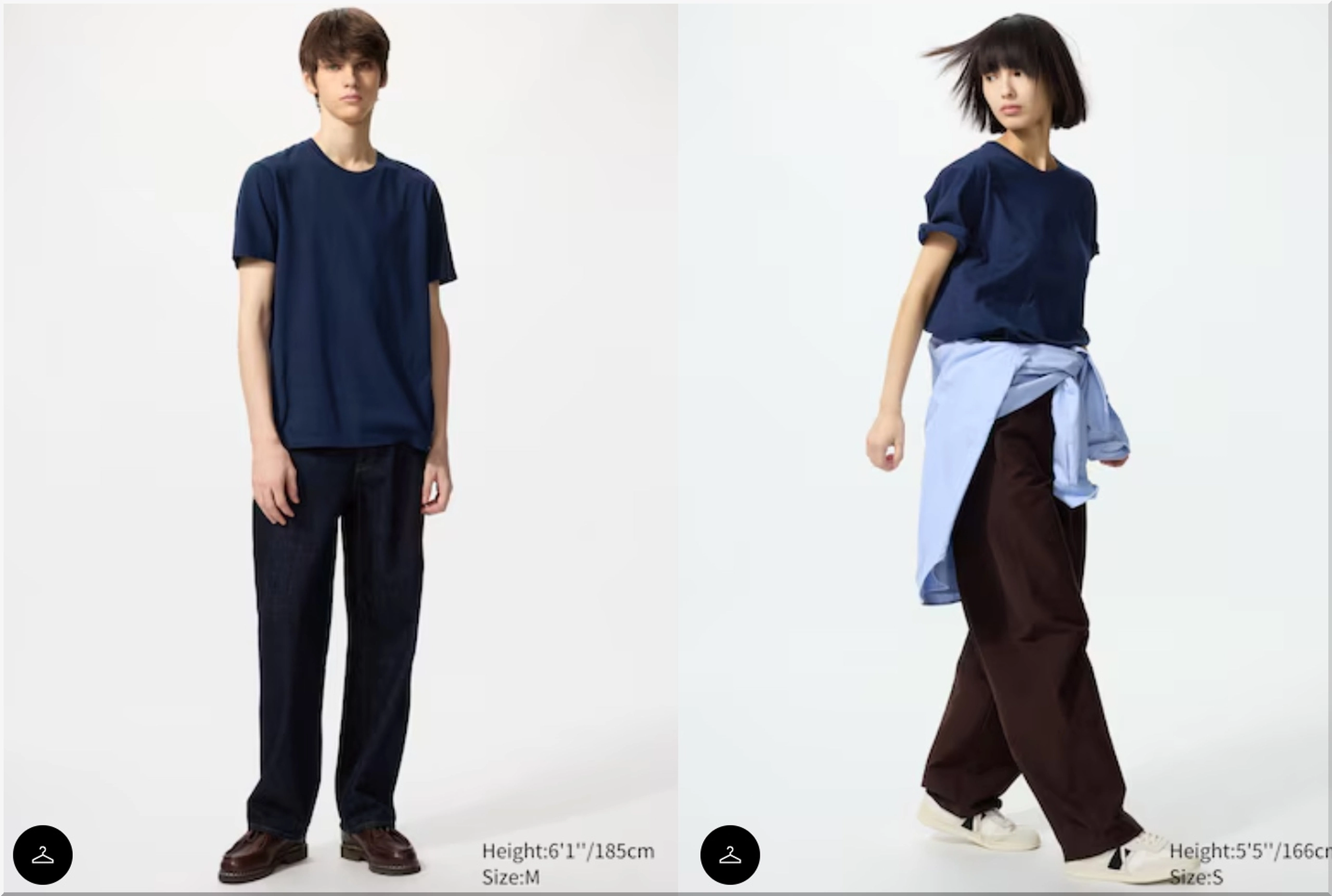
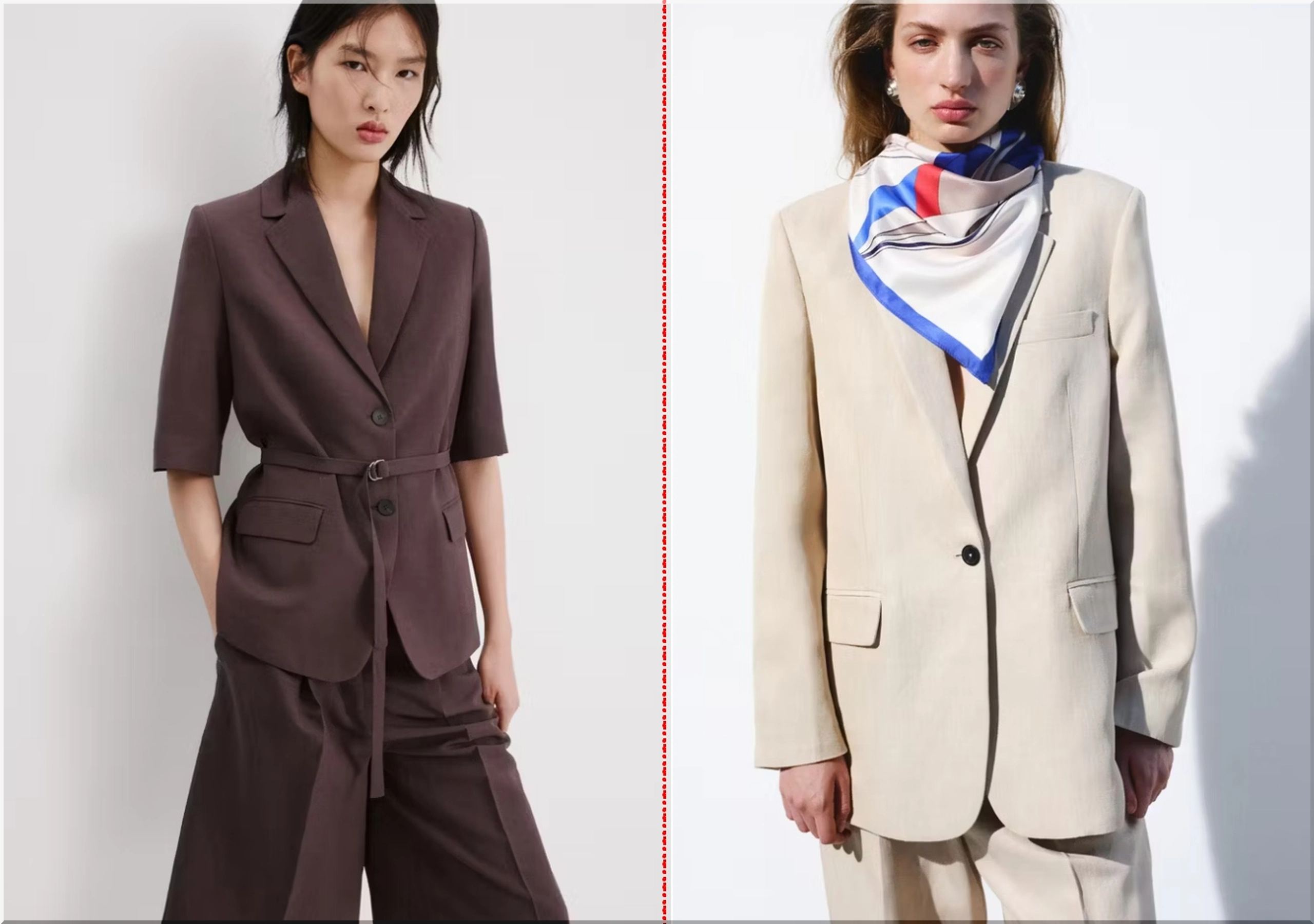
A UNIQLO 100% Supima Cotton T-Shirt works as a clean base layer. A Mango women's blazer can add structure to denim, dresses, or neutral trousers. A white shirt, straight-leg jeans, simple shoes, and a good belt can create dozens of strong looks with very little effort.
| Wardrobe basic | Brand example | Why it works |
|---|---|---|
| White shirt | Zara Poplin Shirt | Clean, sharp, easy to layer |
| Straight jeans | Levi's 501 Original Jeans | Classic shape, long-term wear |
| Neutral blazer | Mango Women's Blazers | Adds structure fast |
| Quality T-shirt | UNIQLO Supima Cotton T-Shirt | Works alone or under layers |
| Leather belt | COS Reversible Slim Leather Belt | Defines the waist and finishes simple looks |
A smart wardrobe works like a good kitchen. You do not cook every meal with rare ingredients. You need strong basics, a few special items, and enough sense not to buy saffron for toast.
Use Color With a Plan
Color can make a look memorable. It can also create chaos when it enters without a plan.
You do not need to wear only black, beige, and white. You do need a clear color base. Two or three core colors, plus one or two brighter shades, give you freedom without visual noise.
Neutral colors help your clothes work together. Navy, grey, cream, brown, white, black, and denim create a reliable base. Then you can add burgundy, olive green, cobalt blue, soft pink, butter yellow, or another shade that suits your skin tone and taste.
Definition: Personal Color Palette
A personal color palette means the group of shades that flatter you, mix well together, and appear often in your wardrobe. It cuts down on shopping mistakes and speeds up dressing.
Start with what you already wear most. Pull out your favorite pieces and check which colors appear again and again. Your real palette lives there, not in a saved folder full of clothes you never buy.
Balance Proportions Before Adding More Clothes
Proportion changes everything. A piece can have the right color and size but still look off if it cuts the body in the wrong place.
If you wear wide-leg trousers, try a closer-fitting top. If you choose a chunky sweater, pair it with a straight skirt or trousers with a clear waist. If you wear a loose dress, choose shoes that support the shape instead of dragging it down.
Balanced proportions do not require strict rules. They require attention. Look at where the hem falls, where the waist begins, and where the sleeve stops. These details separate relaxed from sloppy.
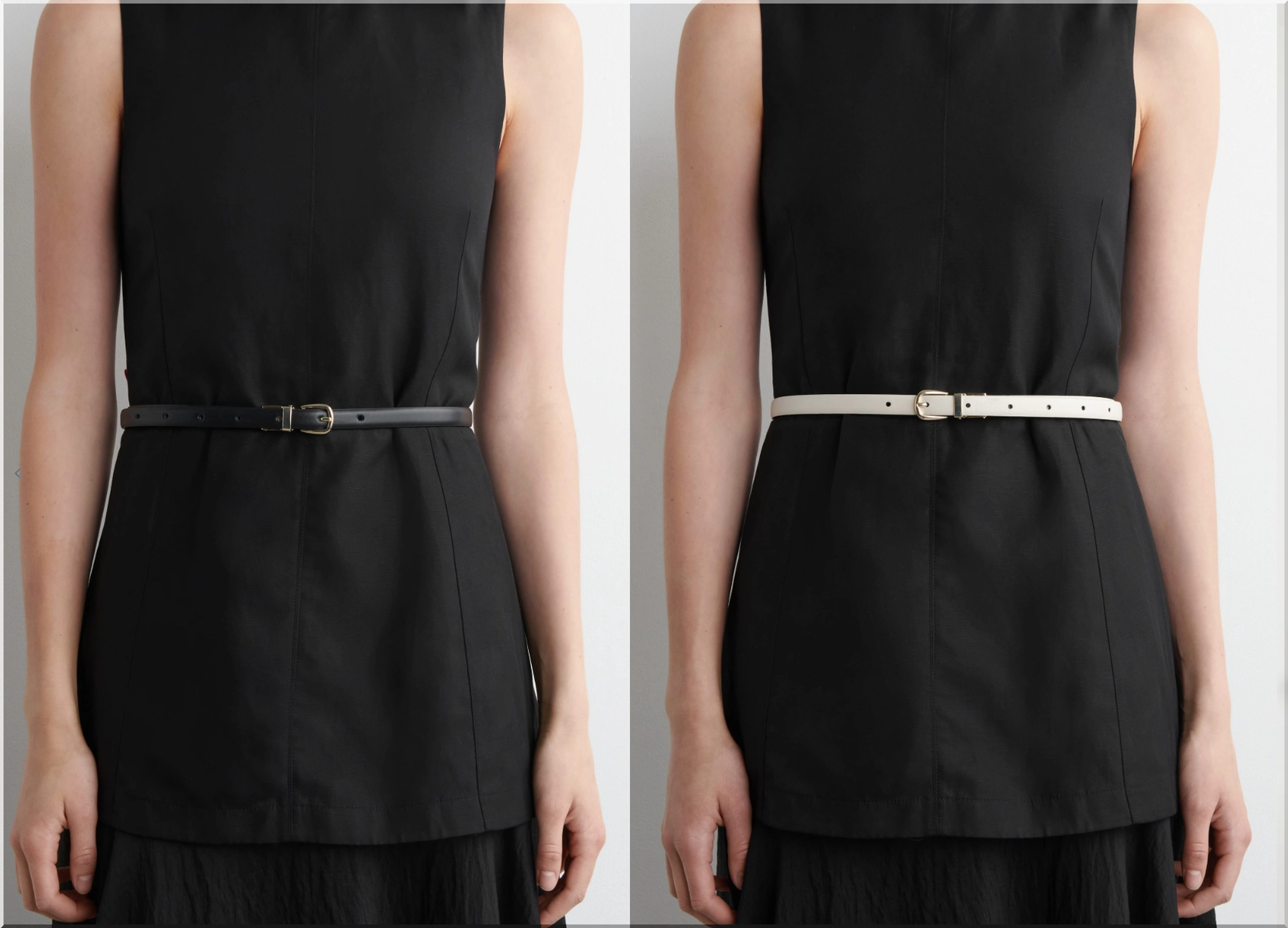
A slim leather belt, such as the COS Reversible Slim Leather Belt, can help define shape without shouting. It works with trousers, dresses, long shirts, and relaxed knitwear.
Let Shoes and Accessories Finish the Look
Shoes can ruin good clothes in five seconds. Yes, people notice. Scuffed, mismatched, or overly casual shoes can pull the whole look down.
You do not need a giant shoe collection. You need the right small set: comfortable daytime shoes, a smarter pair for polished plans, clean sneakers, and one practical seasonal option.
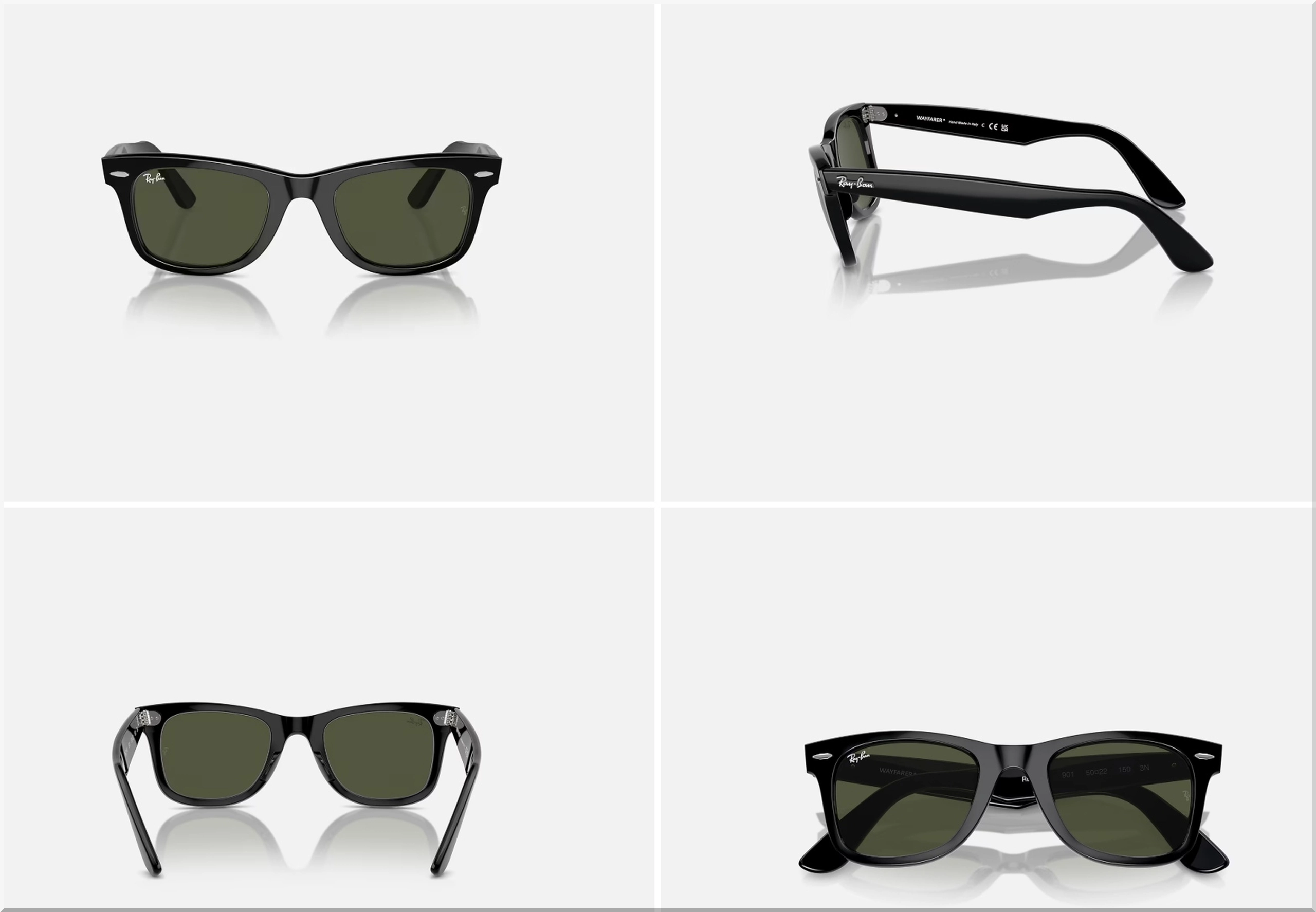
For a casual shoe that still looks considered, the adidas Samba OG works with jeans, trousers, and simple dresses. For sunglasses with a classic shape, the Ray-Ban Original Wayfarer Classic gives a familiar frame that still feels current.
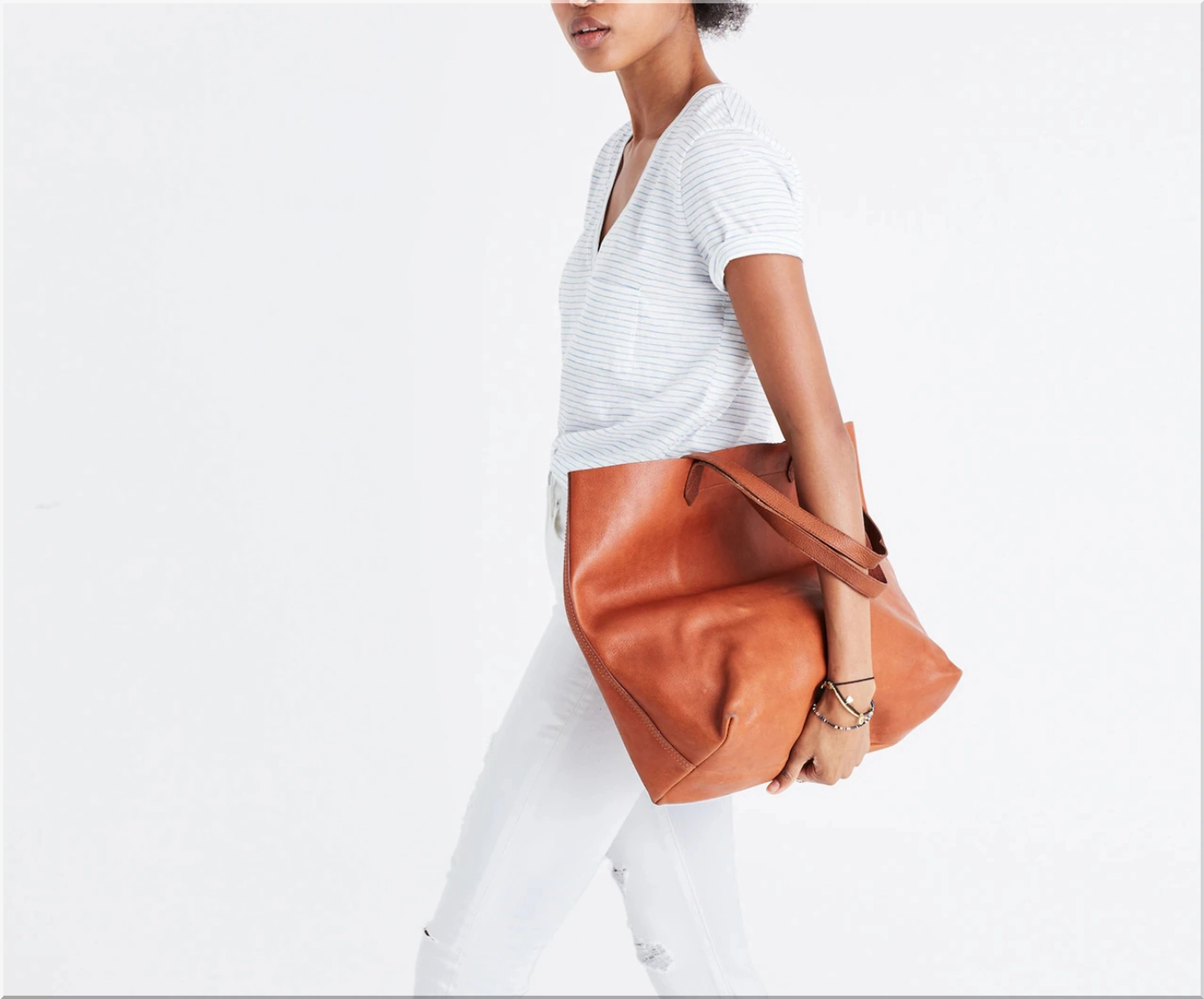
Bags deserve the same scrutiny. A structured tote can make simple clothes look finished. The Madewell Transport Tote has the kind of clean shape that works for office days, travel, and daily errands.
Pro-Tip: Pick One Main Detail
If you wear large earrings, keep the necklace quiet. If your bag brings strong color, keep the shoes calmer. If your clothes use a print, let the accessories stay simple.
Good taste often shows up when you stop one step earlier.
Care for Your Clothes Like You Want Them to Last
Wrinkled, pilled, faded, or tired clothes make even good pieces look neglected. A strong wardrobe does not end at the checkout. It starts there.
Wash clothes according to the care label. Use proper hangers. Air out knitwear. Clean your shoes. Remove lint and pilling. Steam or iron fabrics that need structure.
Clothing care saves money over time. Your pieces last longer, look better, and spare you from buying replacements too soon.
Small habits help:
- Fold heavy knitwear instead of hanging it.
- Wash dark clothes inside out.
- Use a fabric shaver on pilling.
- Clean leather shoes before they look damaged.
- Store seasonal pieces in breathable bags.
These steps sound simple because they are. They also work.
Build a Modern Wardrobe Without Closet Chaos
A useful wardrobe does not need hundreds of items. It needs pieces that earn their space.
Start with a direct closet edit. Take everything out and divide your clothes into four groups:
- You wear it often and it fits well.
- You like it, but it needs repair or adjustment.
- You have not worn it in over a year.
- It does not suit your size, color preferences, or daily life.
Keep the first group. Fix the second. Sell, donate, or recycle the third and fourth when they no longer serve you.
Then write a short shopping list. Maybe you need better black trousers, a transitional jacket, comfortable shoes, or higher-quality T-shirts. Shop for real gaps, not mood swings.
What to Wear When You Feel Stuck
Everyone has days with no fashion inspiration. The answer rarely means buying more. It means having reliable clothing formulas ready.
Build three personal looks:
- The fast day look: straight-leg jeans, UNIQLO Supima Cotton T-Shirt, blazer, clean shoes.
- The smart casual look: high-waist trousers, fine knit top, COS leather belt, loafers.
- The evening look: simple dress, clear jewelry, structured bag, comfortable shoes.
Take photos when a look works. On rushed mornings, you will not need to invent anything. You will just choose.
Smart Shopping Rules That Keep You on Track
Better shopping starts before you enter a store or open a tab. Your goal should not involve buying more. It should involve buying with sharper judgment.
Ask these questions before each purchase:
- Do I own something too similar?
- Does this fit my current body well?
- Can I wear it with three pieces I already own?
- Does the fabric feel good enough for repeated wear?
- Would I still want it without the sale price?
Sales create urgency. Good clothes create value. Those two things do not always arrive together.
Practical Next Steps for Better Style
Start with your current wardrobe. Try on the pieces you wear most, check the fit, clean your shoes, and identify the colors you reach for again and again. That gives you your real style map.
Then add trends with restraint. Choose one new color, one current cut, or one accessory that freshens what you already own. You do not need a full wardrobe reset. You need smarter choices.
Great personal style does not shout. It speaks clearly. It respects your body, budget, schedule, and taste. When fashion changes, you do not need to panic-buy. You choose what earns a place, leave the rest on the rack, and get dressed like someone who knows herself.