That perfect sweater has one job: survive life outside the shop. Yet softness, logos, and price tags tell you little about its future. Learning how to tell if clothes are good quality means checking the details sales photos skip. You can spot useful clues in minutes, without bringing a sewing kit shopping.
Start With the Fabric, Then Question the Label
Read the fiber percentages first. They tell you what the garment contains, but they don't promise years of wear. Cotton, wool, polyester, and linen can all serve a useful purpose. The yarn, fabric construction, stitching, fit, and care routine work together.
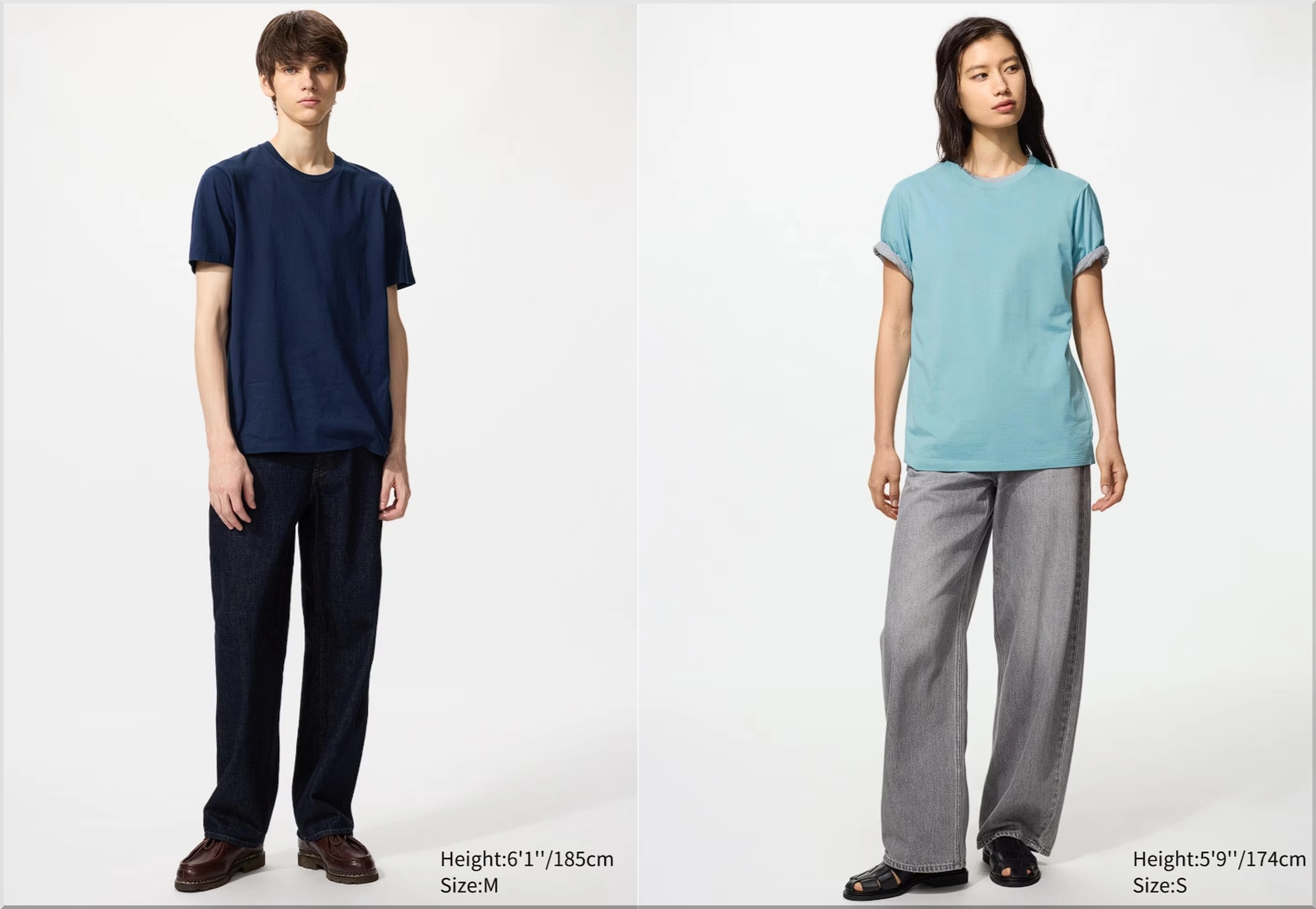
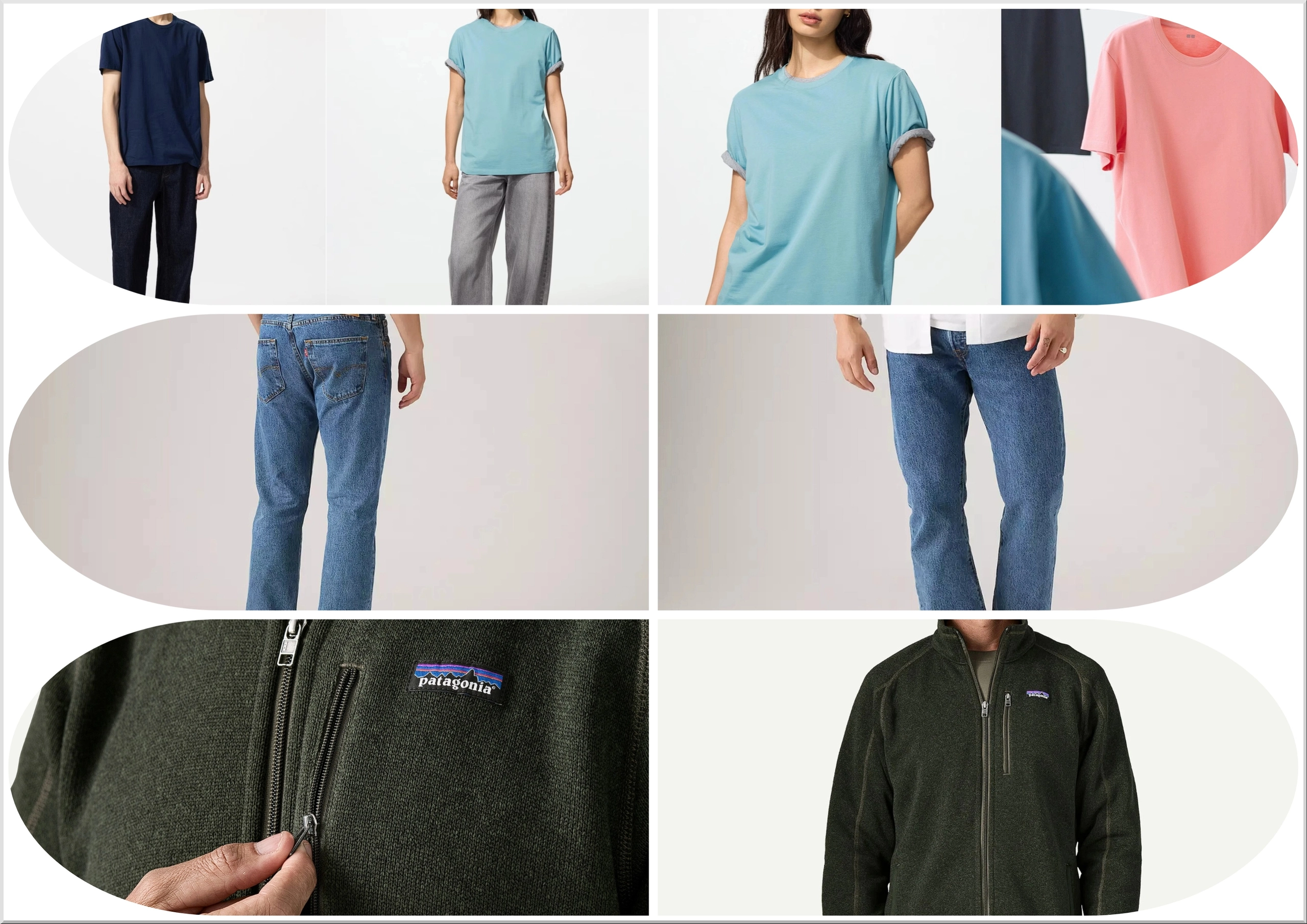
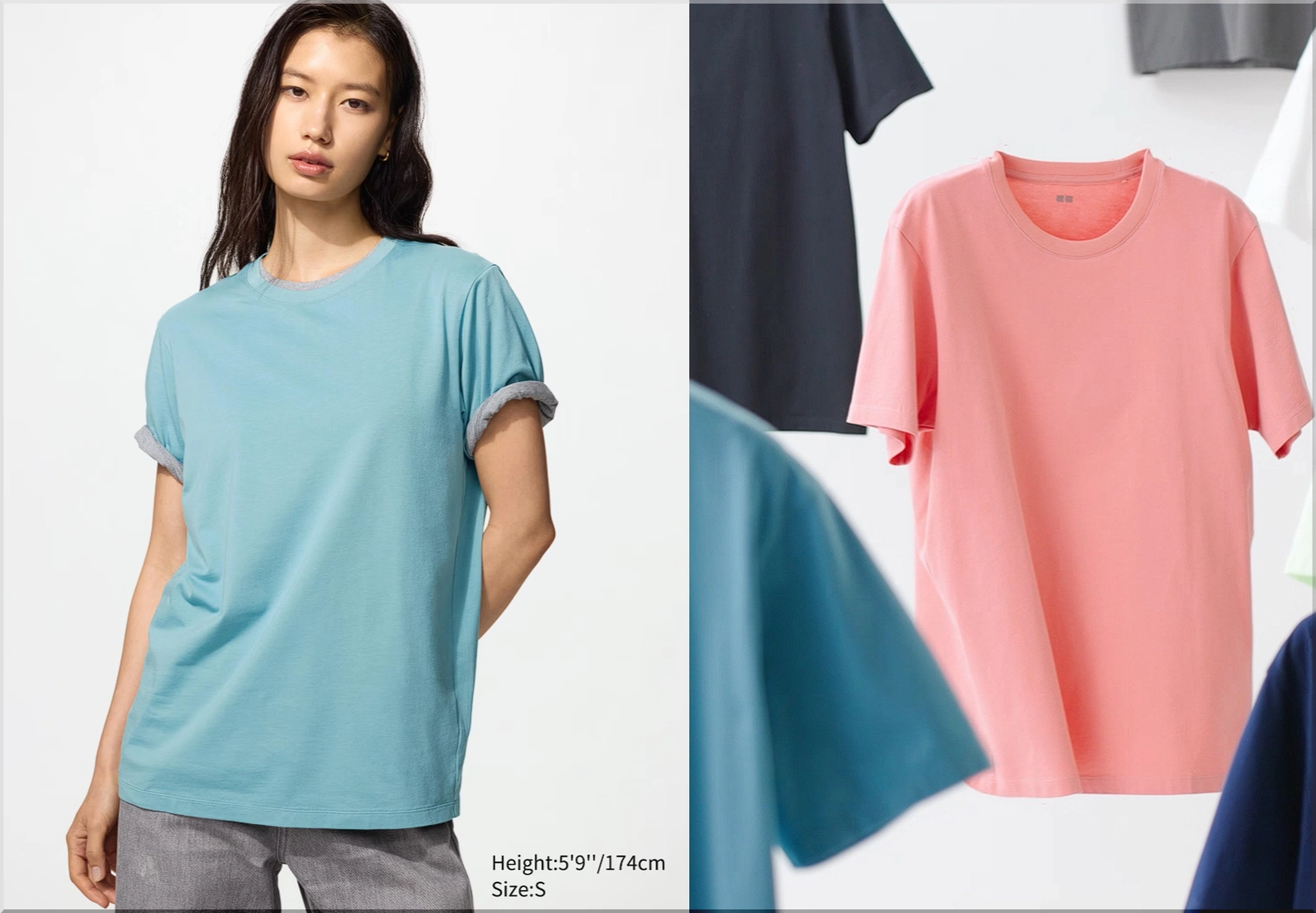
UNIQLO's Supima Cotton T-Shirt offers a practical example. Its US listing specifies 100% cotton and long fibers, with a current price of $24.90. That gives you a clear starting point. You still need to inspect the collar, side seams, and hem on the actual shirt.
Check Density Without Confusing Weight With Quality
Hold the fabric toward a light and compare similar garments. Look for unexpected thin patches, uneven knitting, or transparency that clashes with the garment's intended use.
A summer linen shirt can let light through and still suit years of careful wear. A loose, heavy sweater can snag. Weight alone doesn't settle the question.
GSM means grams per square meter, a measure of fabric weight. Use it to compare similar fabrics, rather than as a universal durability score.
Run your fingers lightly over the surface. Inspect existing fuzz, pulled loops, and worn patches. Skip aggressive rubbing tests: damaging shop stock won't give you a reliable forecast of future pilling.
Give Synthetic Fibers a Fair Hearing
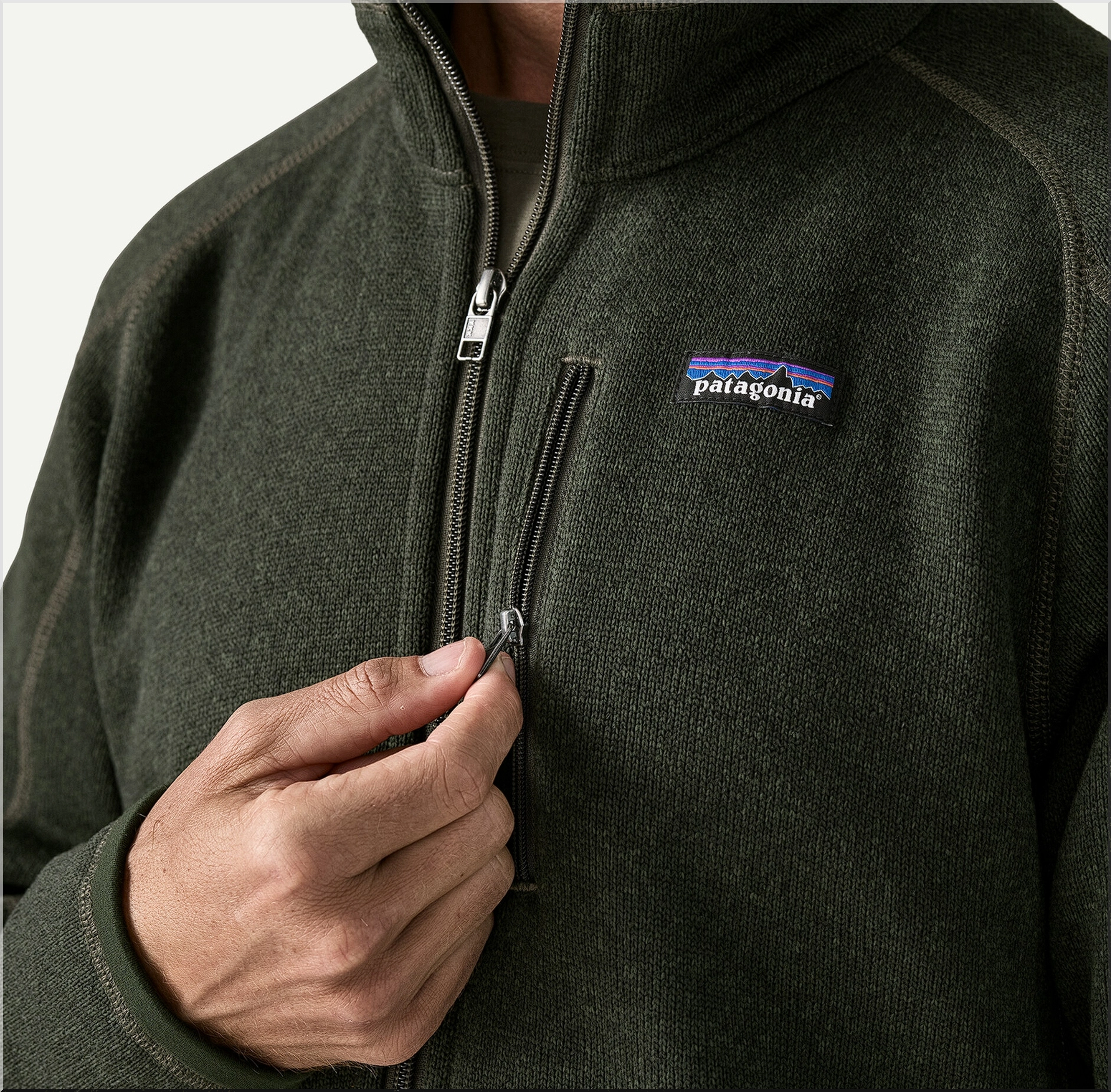
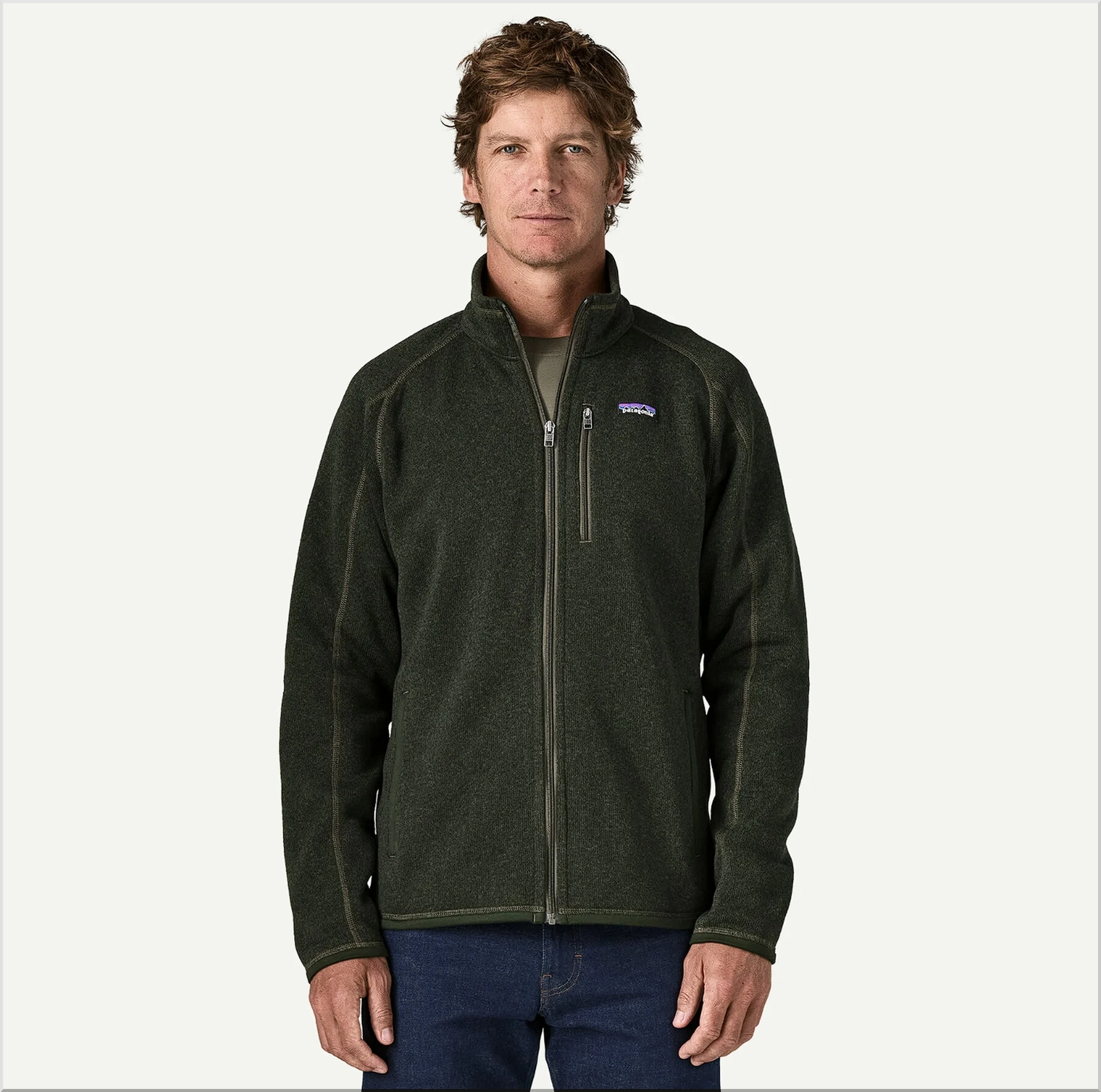
Patagonia's Men's Better Sweater Fleece Jacket uses 100% recycled polyester and currently lists at $169 in the US. Its product page also warns that the knit can pill. Those details offer a useful lesson: synthetic fibers don't automatically mean poor quality, and higher prices don't eliminate upkeep.
Choose fabric that suits the job. A daily fleece, a crisp shirt, and a delicate evening dress need different checks.
Turn the Garment Inside Out
The outside sells the garment. The inside helps you assess its construction.
Inspect the shoulder seams, underarms, crotch, pocket corners, and hems. Look for consistent stitching, secure joins, and tidy edges. Skipped stitches, holes beside a seam, and threads escaping from unfinished edges deserve attention.
Pro-Tip: Ask to inspect another garment in the same size. A single damaged item may reflect handling. Several items with the same flaw suggest a wider production issue.
Read the Seams in Context
A French seam encloses raw edges inside a second seam. A flat-felled seam folds and stitches the edges down. You may see these finishes on shirts or denim, but no single seam type proves quality across every category.
Neat overlocking can suit knitwear perfectly. Look at its execution, rather than dismissing it as cheap.
For woven clothing, check the seam allowance: the spare fabric between the stitching and cut edge. A very narrow allowance on fabric that frays leaves less margin for trouble. Extra allowance can also give an alterations specialist room to adjust the fit.
Don't chase the highest stitch count. Stitch length needs to suit the fabric; consistent, suitable stitching offers a better clue.
Inspect Closures and Stress Points
Use a short checklist:
- Open and close the zipper gently. Watch for catching fabric or uneven teeth.
- Check buttons for secure stitching and buttonholes for unraveling edges.
- Inspect pocket corners for extra stitches or other support.
- Look for a hem that lies flat without loose stitches.
- Check the lining for pulling, tears, and enough room to move.
A metal zipper doesn't automatically beat a plastic one. Smooth operation, suitable sizing, and sound installation give you more useful evidence than shine.
Test the Fit With Real Movement
A garment can look excellent while you stand still and strain every time you sit down. Give the fitting room a small dose of normal life.
- Sit, bend your knees, and reach forward.
- Raise your arms, then let them fall naturally.
- Check the shoulders, underarms, hips, and crotch for pulling.
- Look for seams that twist and hems that shift sideways.
- Try another size if closures gape or stitches carry visible tension.
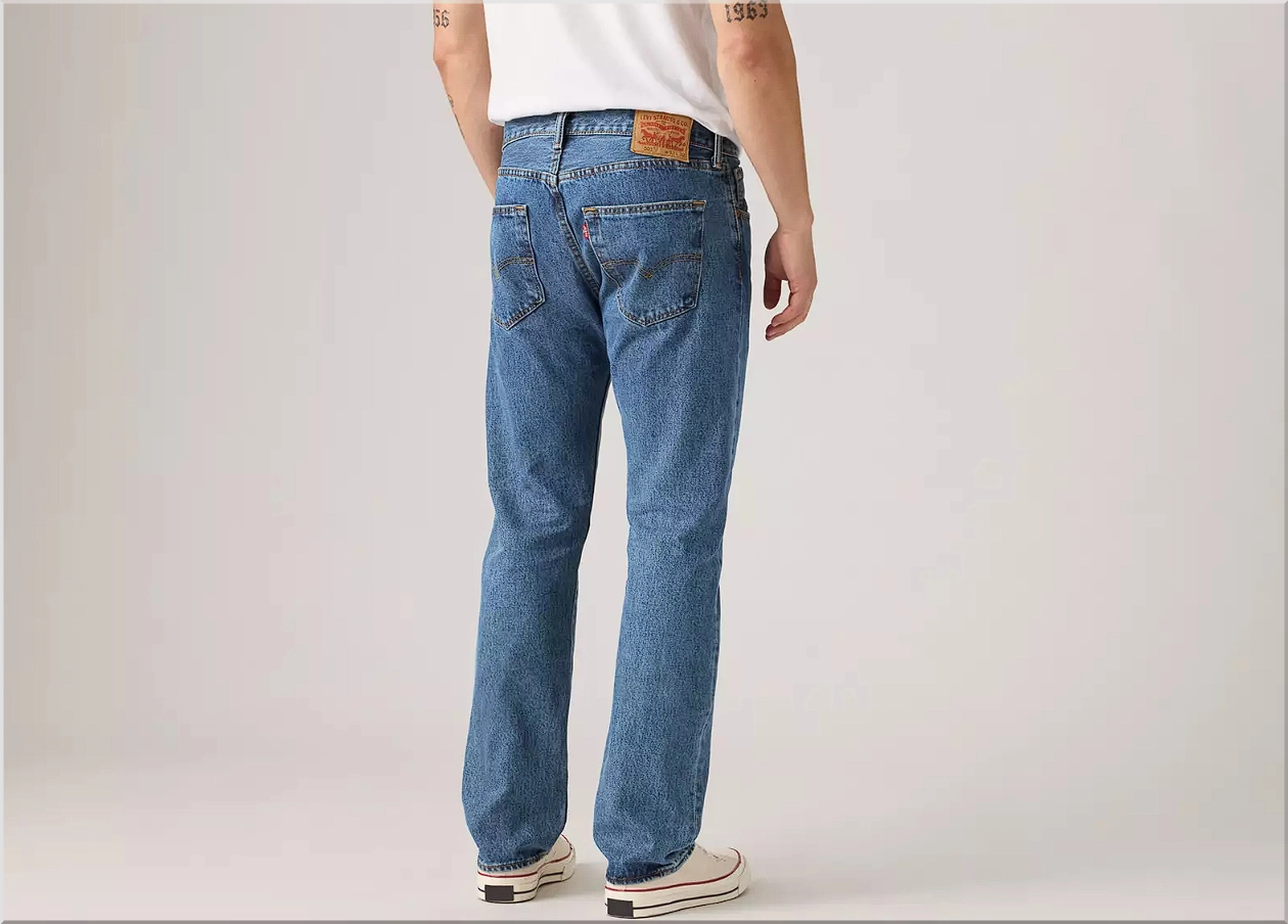
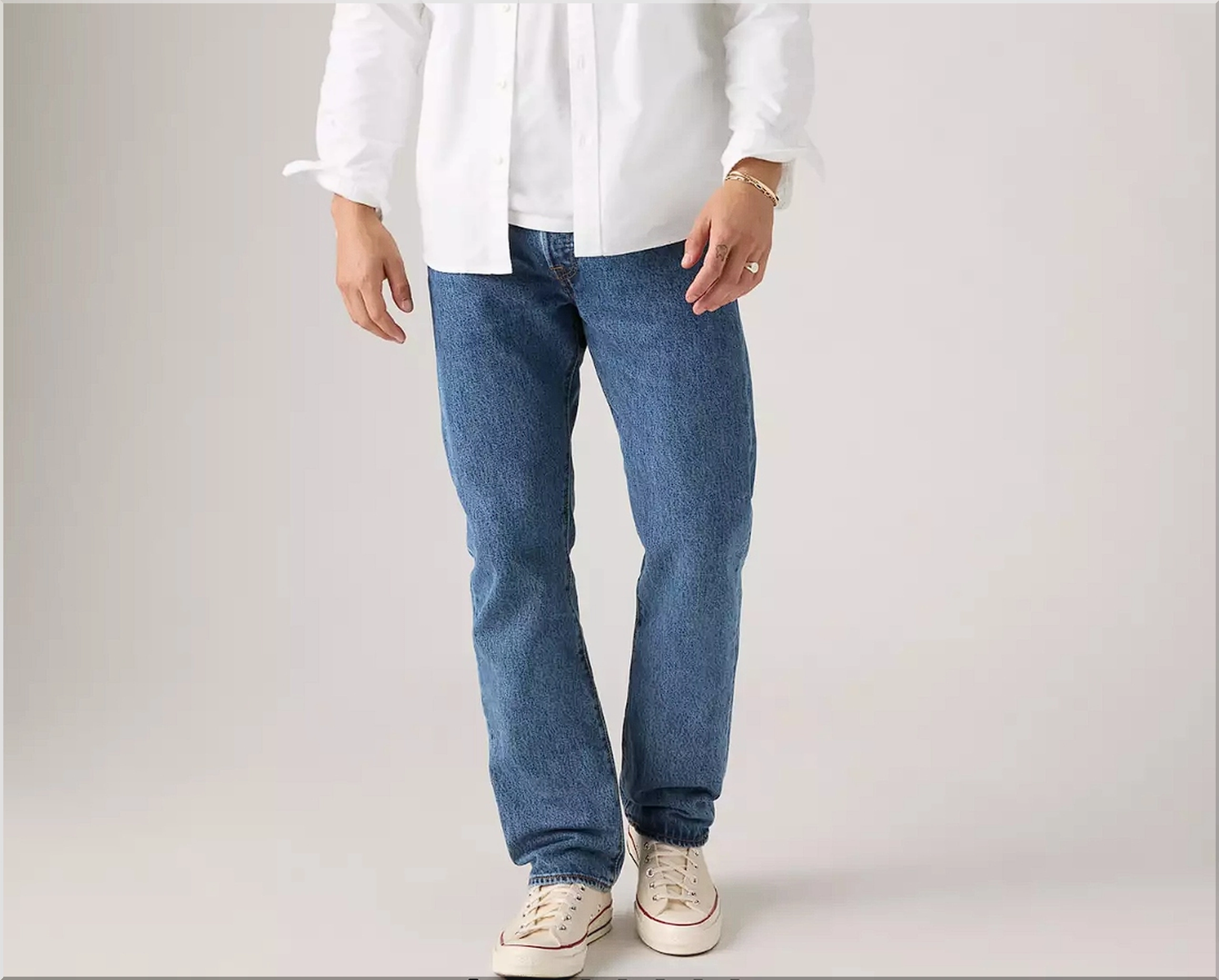
Levi's 501 Original Men's Jeans in Dark Stonewash provide a useful example. The selected US listing specifies non-stretch, 100% cotton denim, currently at $74.99, down from $84.95. Don't expect those jeans to behave like stretch pants. Choose enough room for sitting instead of relying on future softening to rescue a painful fit.
Use This Fitting-Room Check
| What you see | What to check next | Buying decision |
|---|---|---|
| Shirt buttons gape | Try another size and reach forward | Buy only if the closure sits comfortably |
| Trouser seam strains when sitting | Check hip and thigh space | Try a roomier cut |
| T-shirt side seams twist | Compare a second shirt | Skip persistent twisting |
| Jacket lining pulls | Reach forward with the jacket closed | Choose enough room in both layers |
For occasionwear, apply these checks across different types of prom dresses. Sit down, raise your arms, and inspect straps, fastenings, and decorative stitching. A beautiful photo won't reveal a strap that digs in halfway through dinner.
Judge Clothing Quality Online With Specific Evidence
Judge clothing quality online with questions that a useful listing can answer.
Look for Facts Behind the Adjectives
'Premium' tells you little. Exact fiber percentages, garment measurements, care instructions, close-up photos, and details about stitching tell you more.
Check the selected color or wash, too. A shared product name doesn't guarantee identical fabric across every version. Levi's 501 pages, for example, offer fabric choices with different stretch levels. Read the details after selecting your preferred version.
Compare garment measurements with a similar piece you own. Chest width, shoulder width, rise, and inseam offer a stronger starting point than a model's height alone. Check if the size chart gives body measurements or measurements of the clothing itself.
Inspect photos from the front, back, and side. Zoom in on seams and fastenings. Images may hide flaws through styling, so use them to identify questions rather than certify quality.
Read Reviews for Wear, Not Delivery
A five-star review that says 'arrived yesterday' tells you little about longevity.
Search reviews for shrinkage, twisting, fading, pilling, thinning, and broken closures. Favor accounts that describe several washes or months of use. Look for repeated complaints about the same version, rather than one dramatic comment.
Customer photos can help, but check the circumstances. A reviewer who ignored the care label offers different evidence from several buyers who followed it. Some retailers pool reviews across colors or related styles, so check which garment each reviewer bought.
If details remain unclear, ask customer service:
- What are the fiber percentages for this exact color?
- Can you provide garment measurements in my size?
- Can I see the inside seams or lining?
- What return fees and exclusions apply?
Vague answers leave you with uncertainty. A clear return policy gives you time to inspect the garment at home; it doesn't prove durability.
Match the Care Routine to Your Actual Life
Read the care label before paying. Dry cleaning, hand washing, and drying flat all demand time or money. A garment that needs care you won't provide makes a poor purchase, even with excellent stitching.
UNIQLO's Supima tee lists machine washing cold. Patagonia's Better Sweater page lists machine washing warm and tumble drying low. Follow each item's instructions instead of using one laundry setting for your entire wardrobe.
Think about your usual sources of friction, too. A backpack, desk edge, or rough jewelry can repeatedly rub the same area. Inspect those contact points on a similar garment you already own. That gives you a practical guide to where your next purchase needs extra attention.
Labels also answer different questions. OEKO-TEX Standard 100 checks textiles for harmful substances. It doesn't promise resistance to pilling, shrinking, or tearing. Read a certification's scope before using it as evidence of longevity.
Pay for Useful Construction and Repair Options
Price includes costs you never see in a seam: advertising, distribution, and branding. Spend more only when the garment offers benefits you can identify and will use.
Look for spare buttons, accessible seams, and fabric around an area you may need to adjust. Ask about repair services before buying expensive outerwear. Patagonia offers a repair route, but check the current terms, likely cost, and waiting time for your item.
A small button repair differs from replacing a worn-out panel. Don't assume every fault offers a cheap fix. For secondhand clothing, inspect the underarms, cuffs, inner thighs, and pocket edges before deciding that a low price makes the purchase worthwhile.
Make Your Next Purchase Pass Five Checks
Before checkout, check the fabric, inside seams, movement, care instructions, and available evidence of wear. If one check fails, compare another size, another garment, or another listing.
Start with an everyday item you already understand. Compare two T-shirts or two pairs of jeans side by side. Choose the piece whose construction you can inspect, whose fit allows movement, and whose care you can manage. The logo can wait its turn.