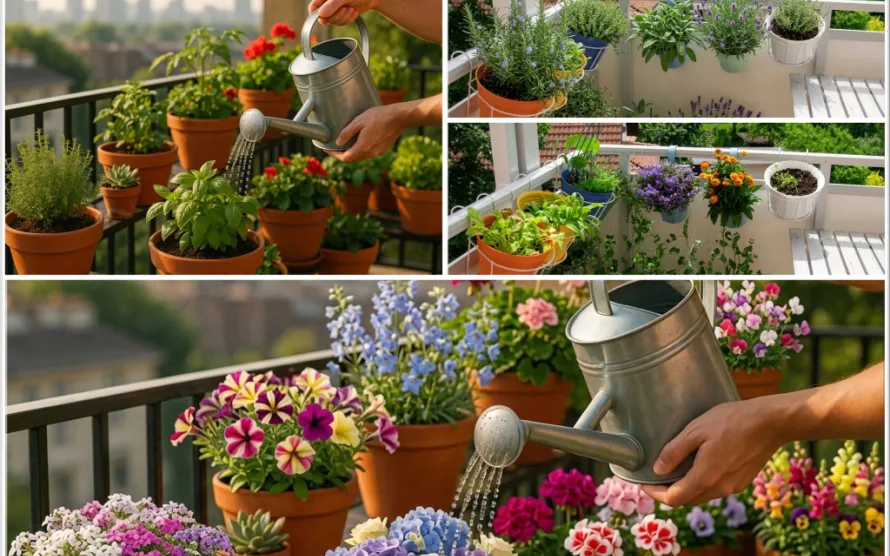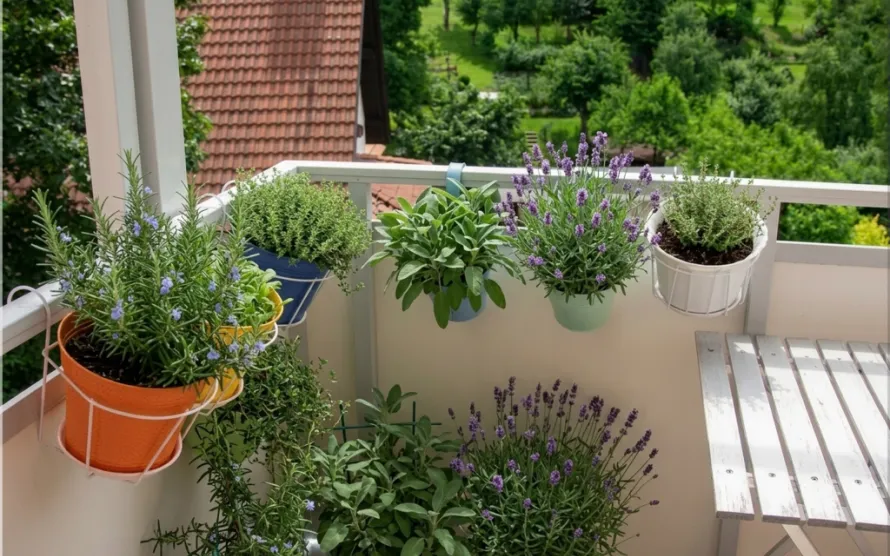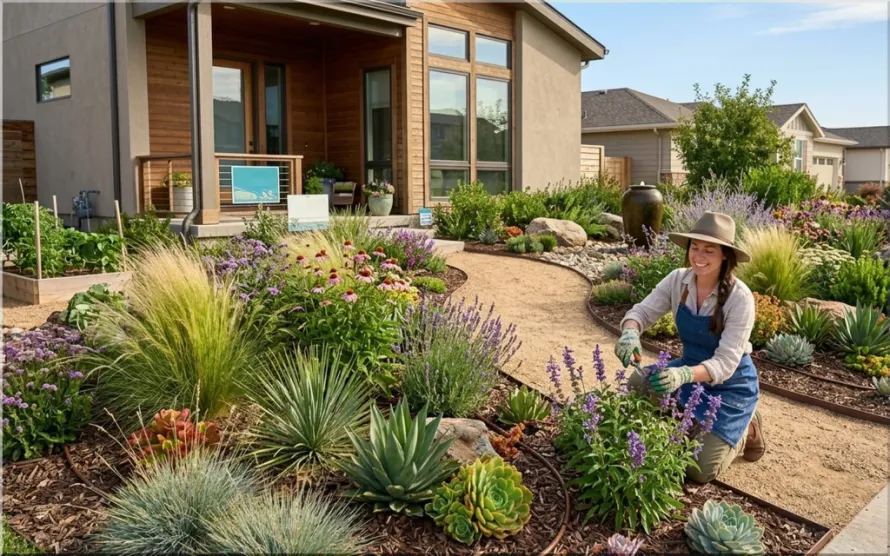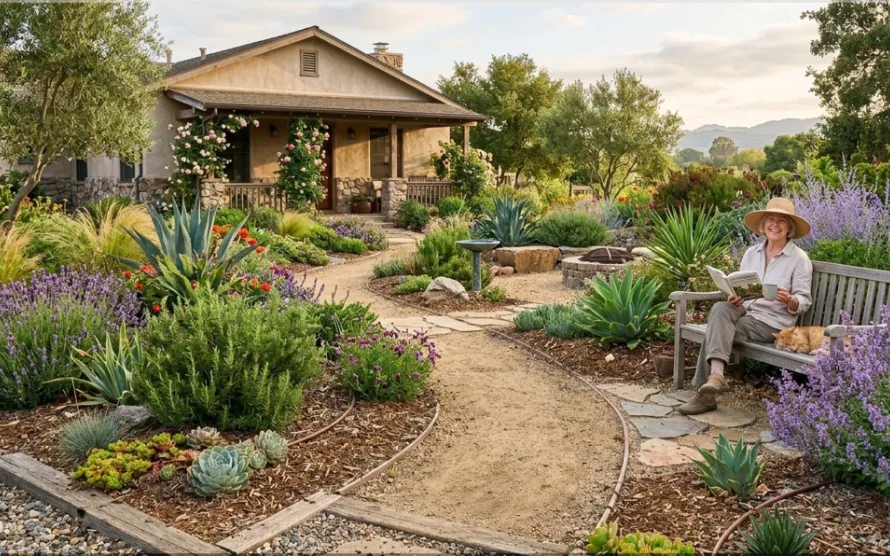
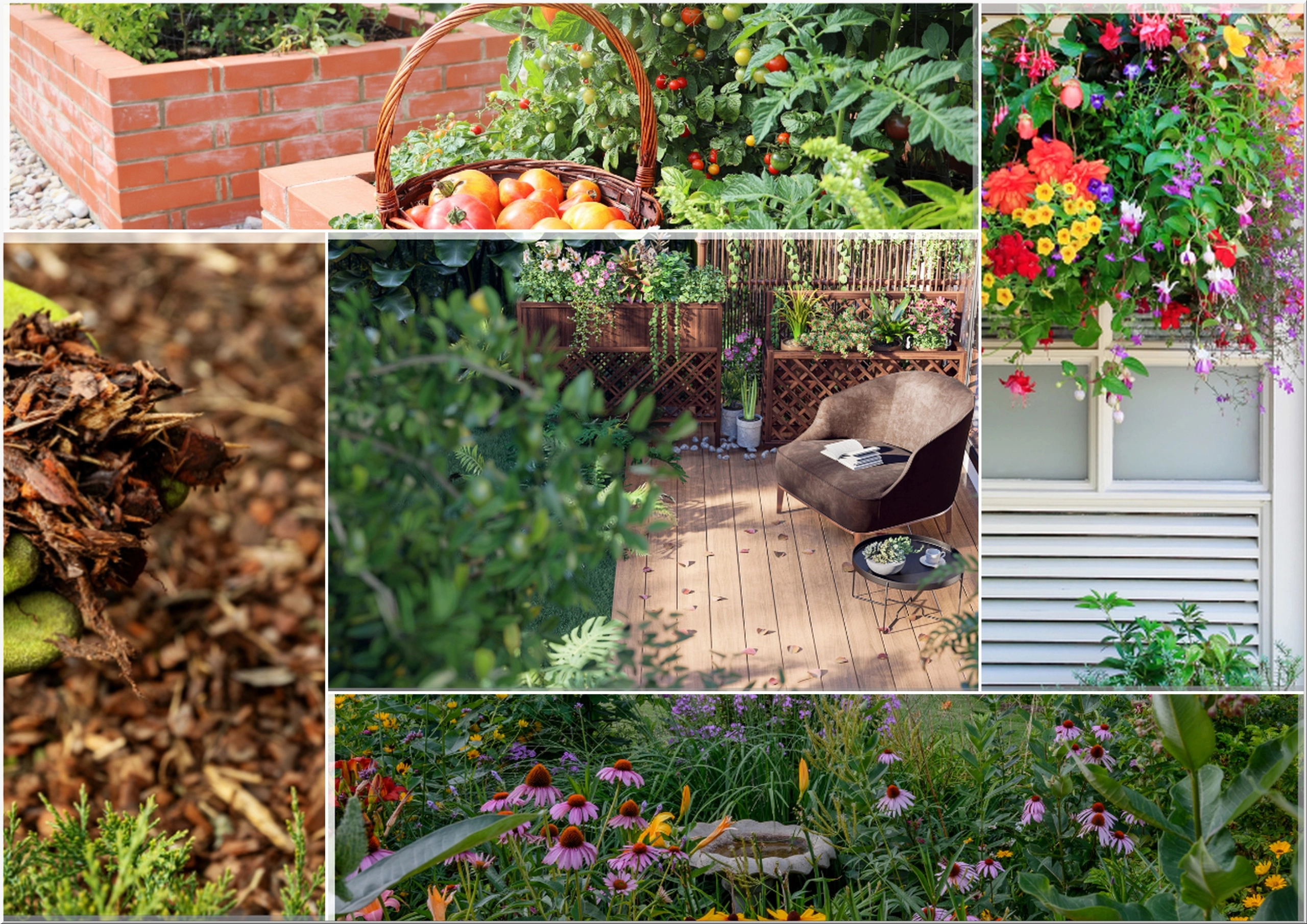
A good small-space garden should calm you down, not hand you a second shift. That is the charm of a low-maintenance native garden. It brings color, texture, birds, and pollinators into your space without turning every free hour into plant duty.
The logic is refreshingly plain. Native plants already suit local rain, soil, and temperature swings. Put the right plant in the right spot, and the garden starts doing a lot of the work on its own. For anyone with a tiny yard, a compact patio, or a windy balcony, that is a smart swap.
Why a Native Garden Works So Well in Small Spaces
Small spaces do not hide bad plant choices. One thirsty plant in a hot pot can wilt by noon. One oversized shrub can swallow a narrow bed. One flower that peaks for two weeks can leave the whole space looking tired for months.
That is why native garden ideas make so much sense in tight areas. Native plants often need less water once settled in. Many also ask for less feeding and fewer chemical fixes. In plain English, they fit the site better, so you spend less time trying to correct problems.
That does not mean no work at all. New plants still need attention at the start. Containers still dry out faster than ground beds. Still, the long-term care load can drop in a real, noticeable way.
Start With the Space You Actually Have
Before you buy a single plant, look at the site like a practical adult, not a hopeful person holding a cart at the garden center.
Check these basics first
- Hours of direct sun
- Shade from walls, fences, or trees
- Wind exposure
- Drainage after rain
- Size of the planting area
- How much time you want to spend on upkeep
That last point counts more than many people admit. If you want a space that looks good with one short care session each week, build for that. A garden that depends on constant attention will lose that fight fast.
The Core Formula for a Low-Maintenance Native Garden
A polished small garden does not need dozens of species. It needs a clean plan.
Use three plant roles
Most small-space gardens look better and stay easier to manage with three simple layers:
- A structure plant for shape and presence
- A flowering plant for seasonal color
- A softening plant for texture near the soil line
This formula works in a yard bed, a patio container group, or a balcony planting.
A quick guide to plant roles
| Plant role | Purpose | Good native-style options |
|---|---|---|
| Structure plant | Gives the space shape all season | Compact shrub, dwarf serviceberry, upright grass |
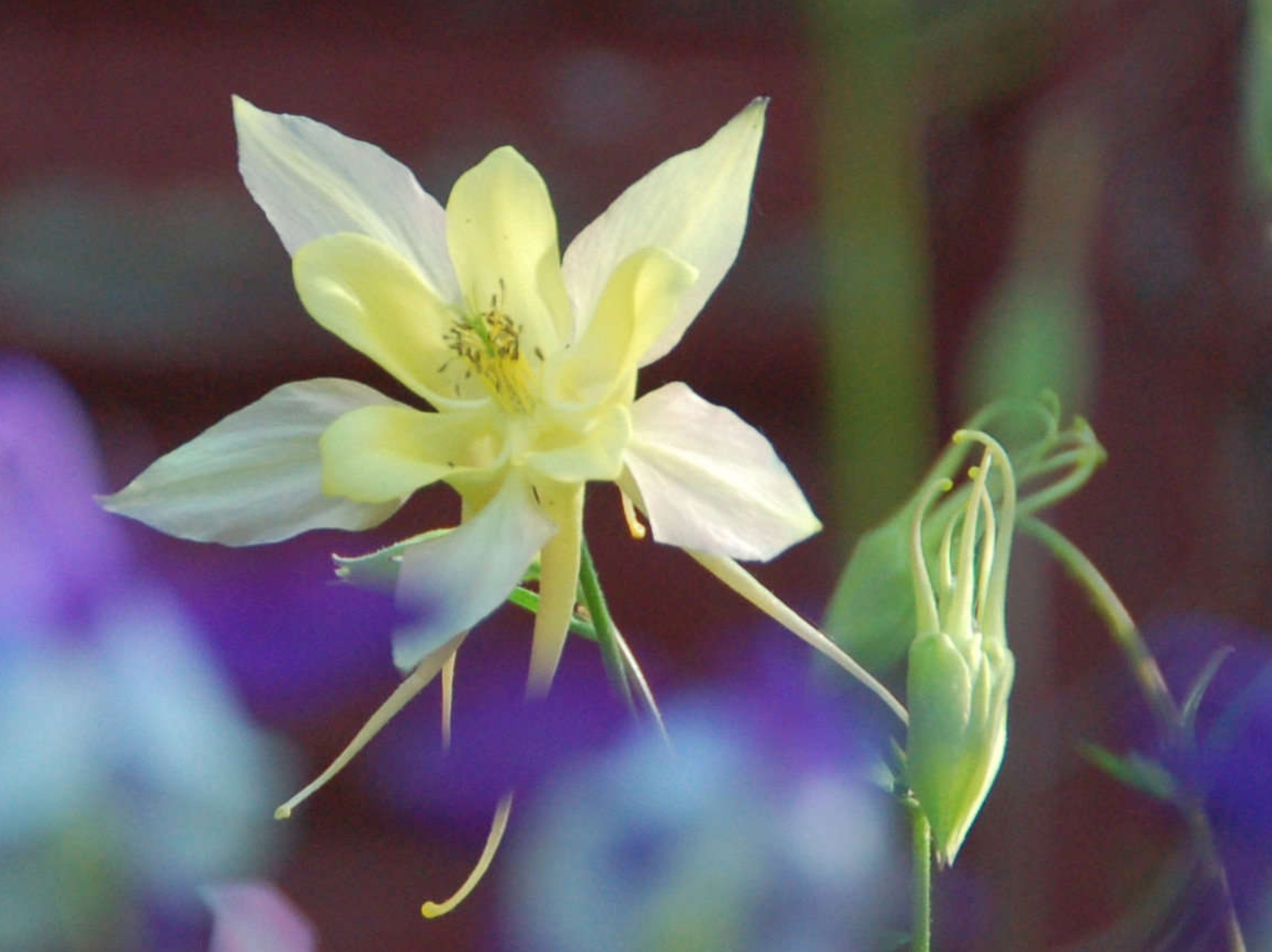
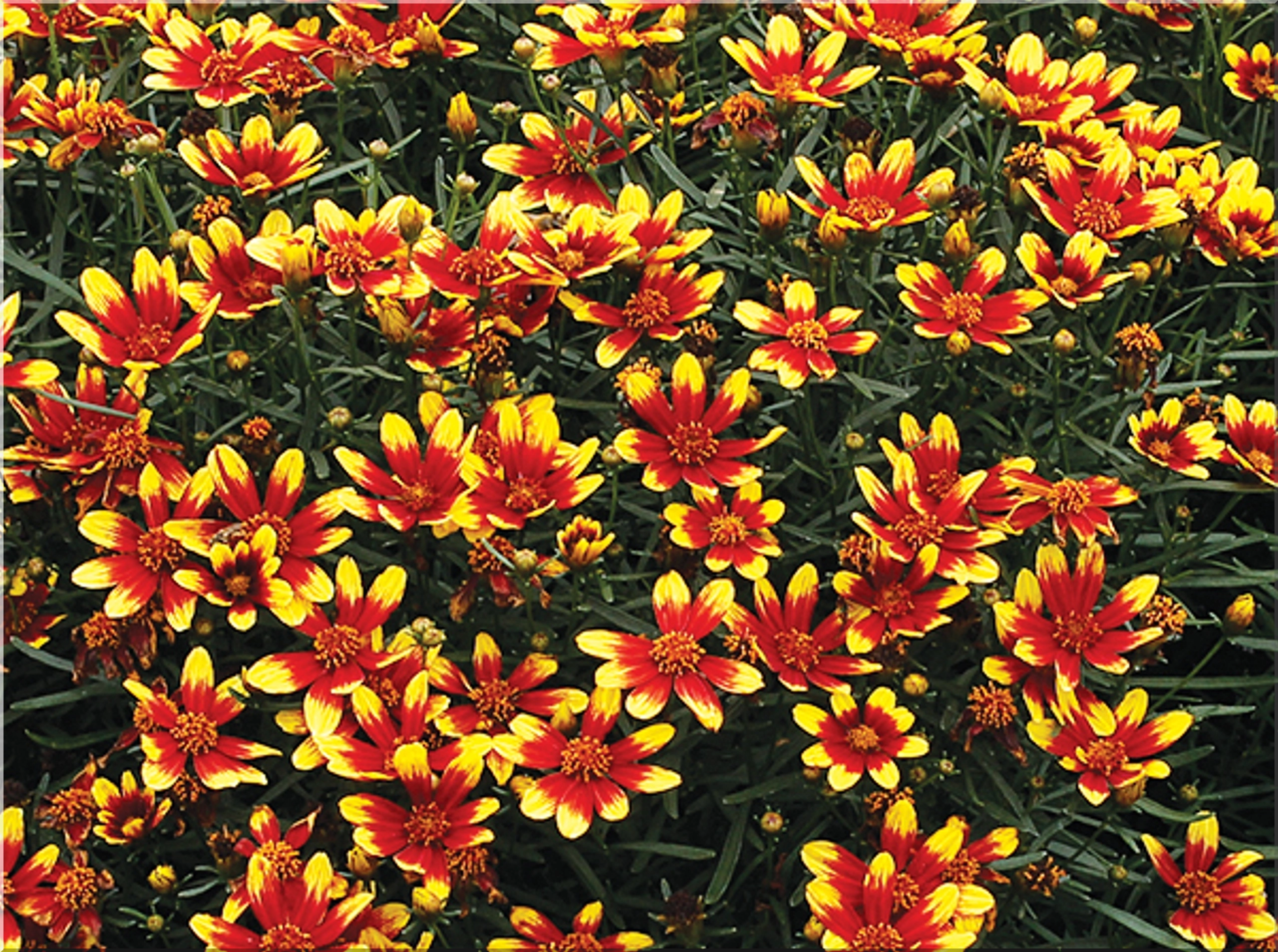
| Flowering plant | Brings color and pollinator activity | Aster, coreopsis, columbine, beebalm |
| Softening plant | Covers edges and adds texture | Sedge, prairie dropseed, low perennial |
A smaller plant list also gives the garden a cleaner look. Repetition makes a space feel settled. Random plant collecting does the opposite.
Small Yard Native Garden Ideas That Stay Easy to Manage
A small yard gives you more room than a balcony, though that extra room can tempt you into planting too much. Resist that urge. A modest, well-spaced bed will almost always look better than a packed bed that needs constant trimming.
Build a border bed along one edge
A border bed is one of the easiest ways to create a small yard native garden. Plant along a fence, path, or property line. Use one compact shrub as an anchor, then repeat two or three flowering perennials around it.
This gives you:
- clear structure
- easier mulching
- simpler watering
- less visual clutter
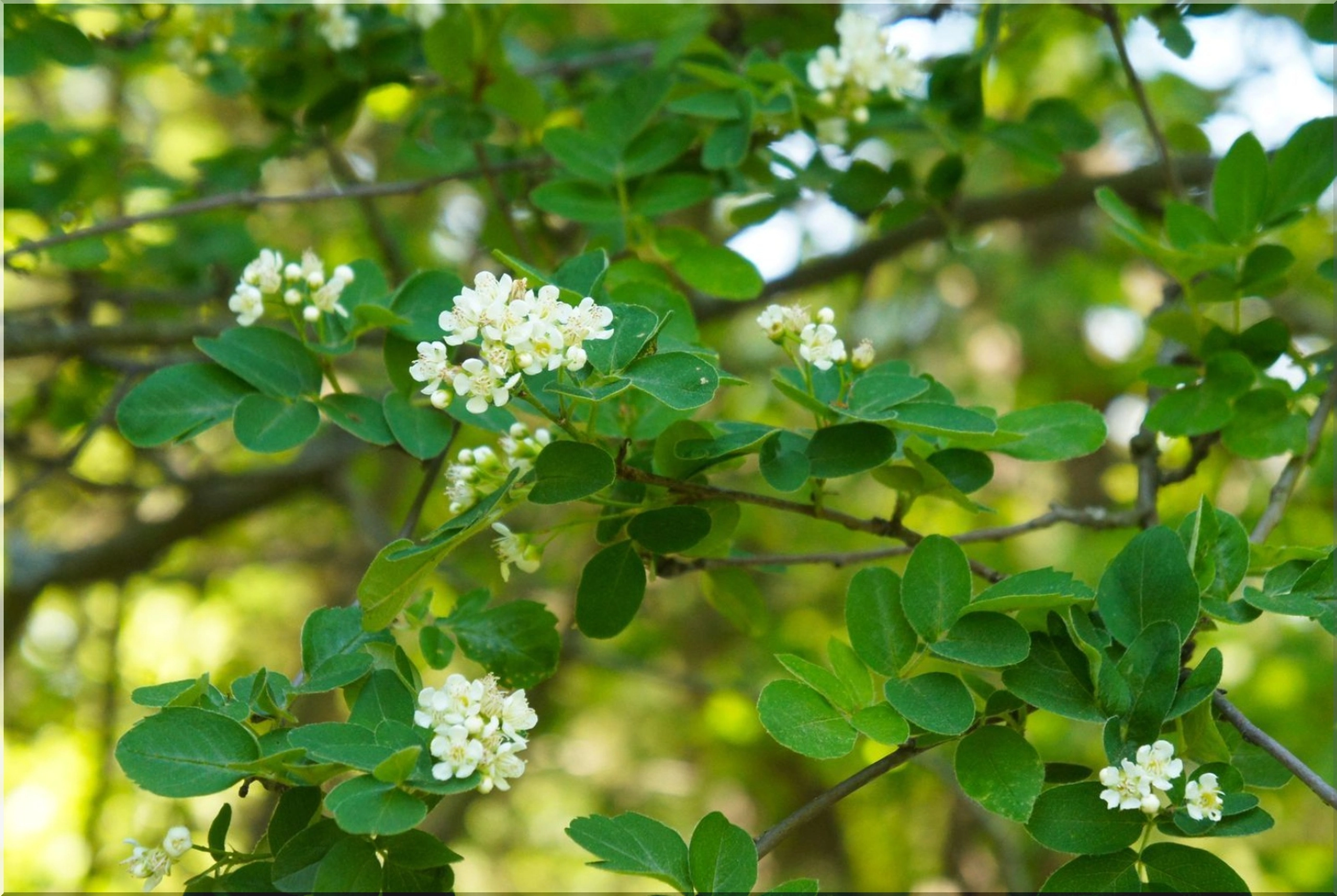
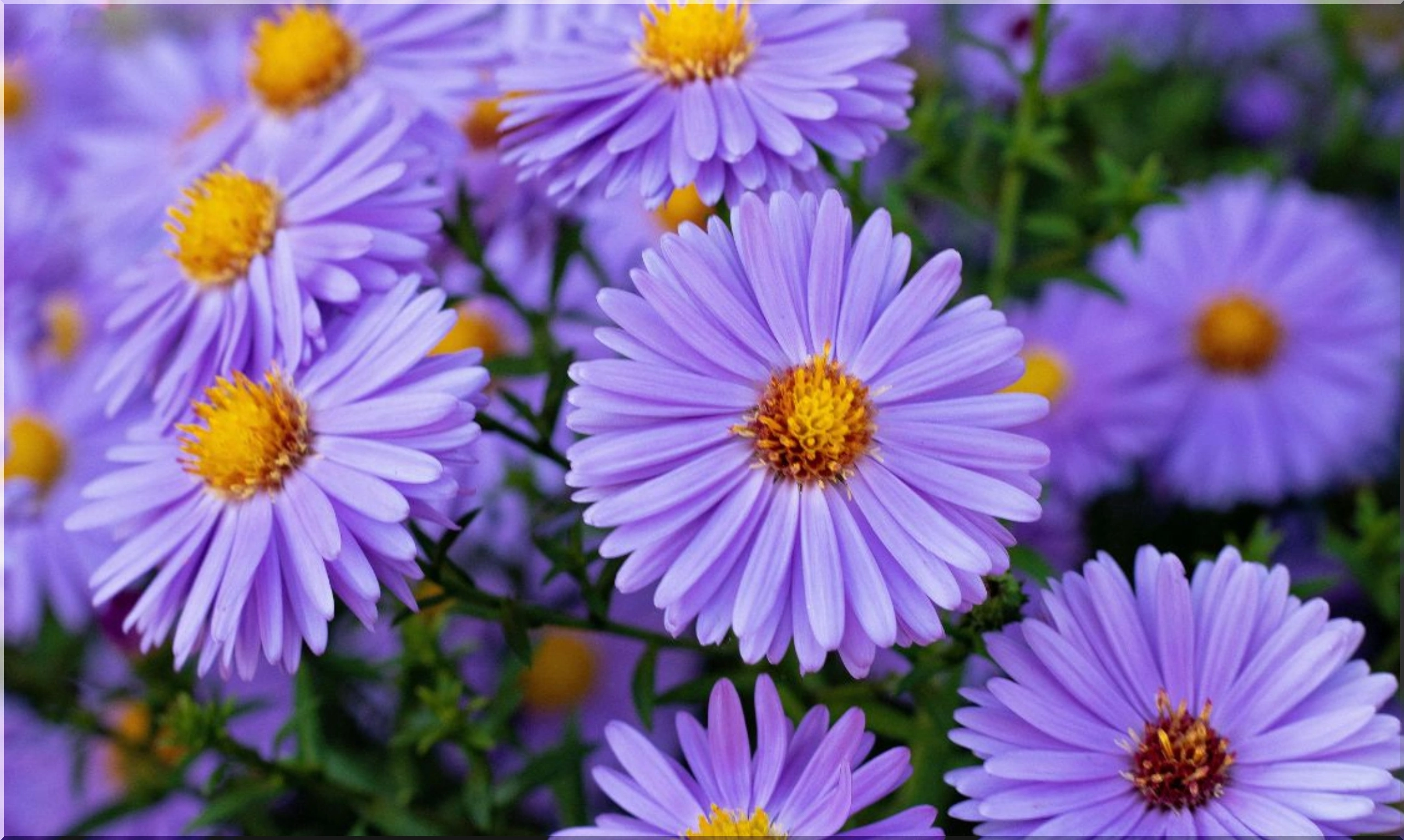
Example: Plant a dwarf serviceberry near the back of the bed, then repeat drifts of purple asters and yellow coreopsis in front of it, with sedges along the edge closest to the lawn. The result looks tidy, full, and easy to follow.
Create one pollinator zone
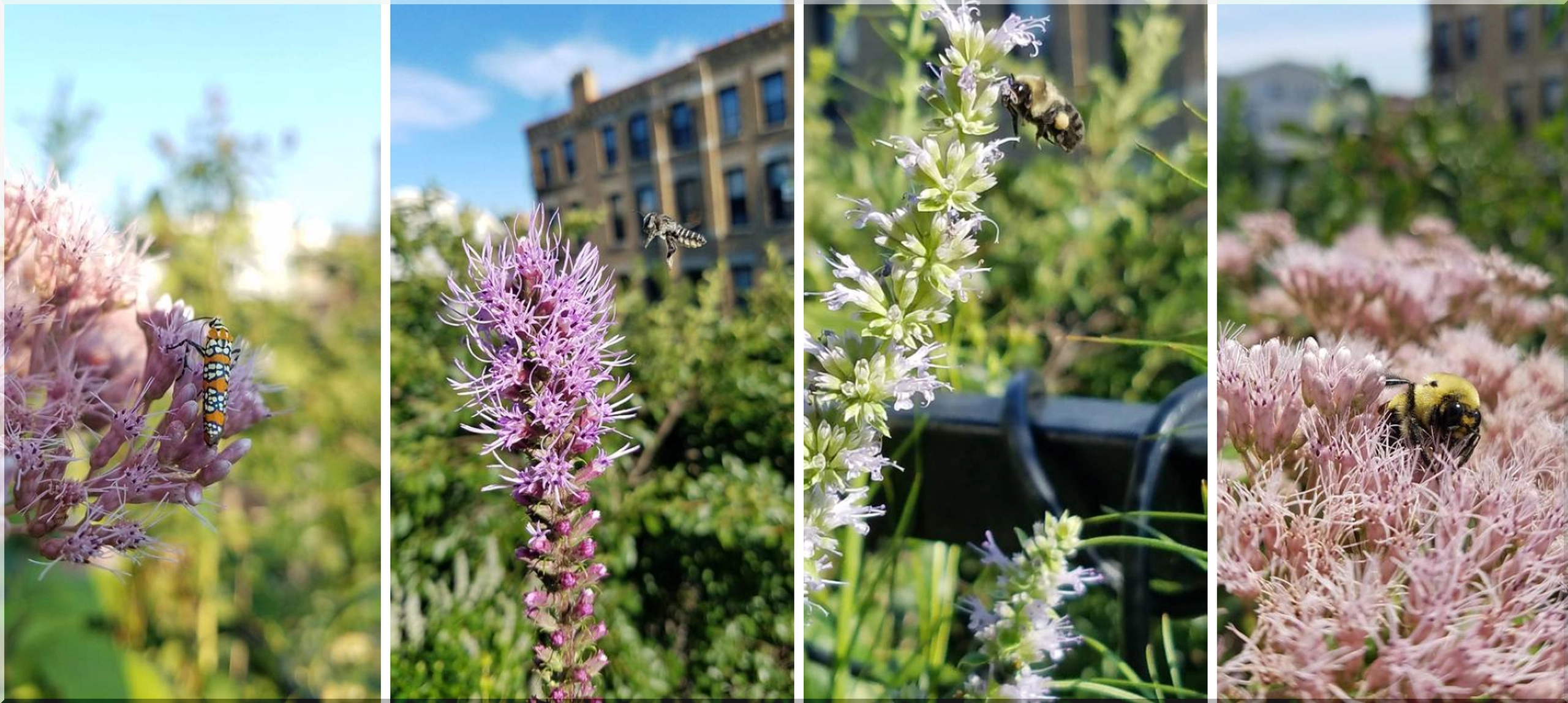
A sunny corner can become a compact pollinator patch. Keep the palette short. Pick a few reliable bloomers with different flowering times so the bed keeps some color from spring into fall.
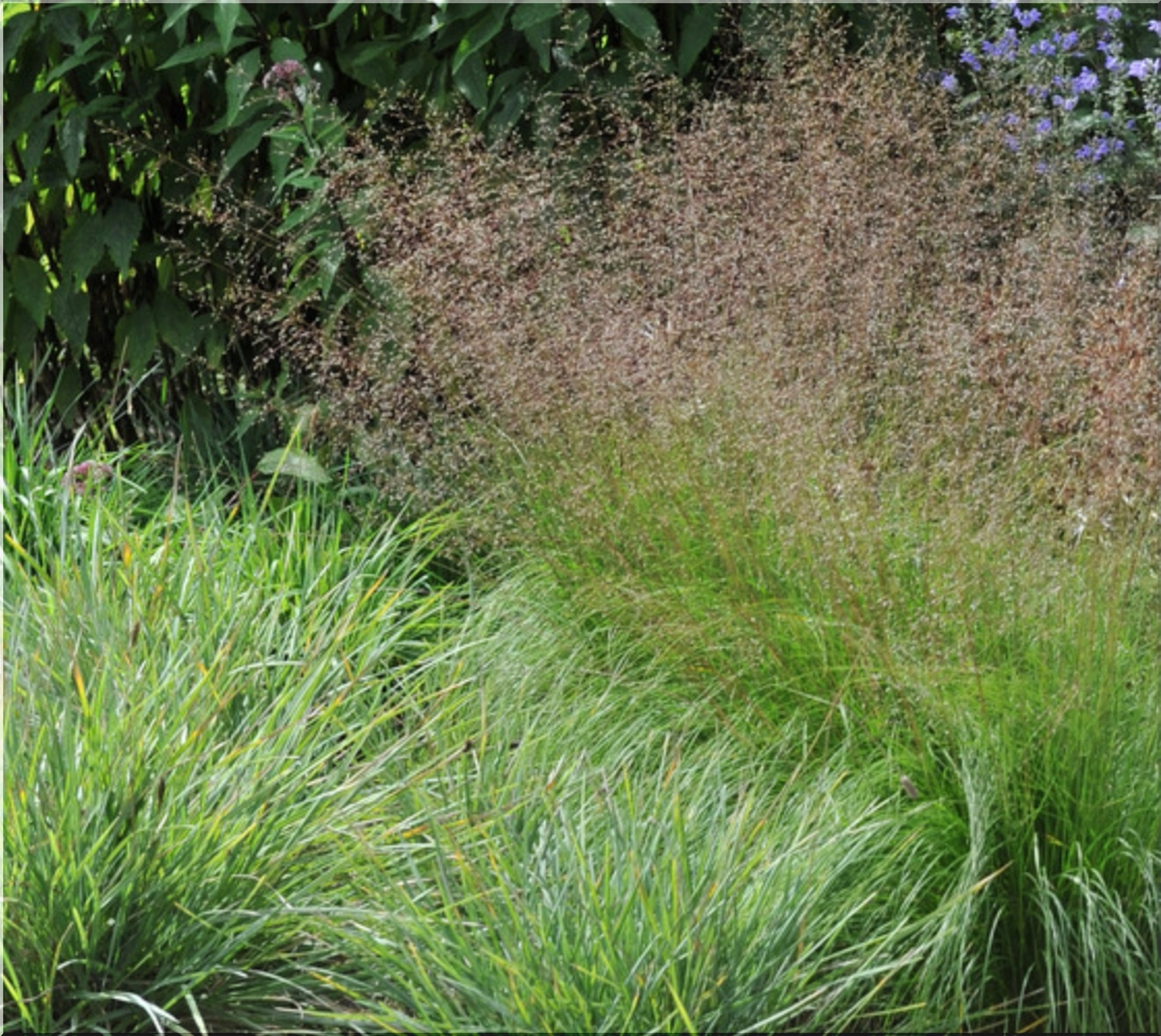
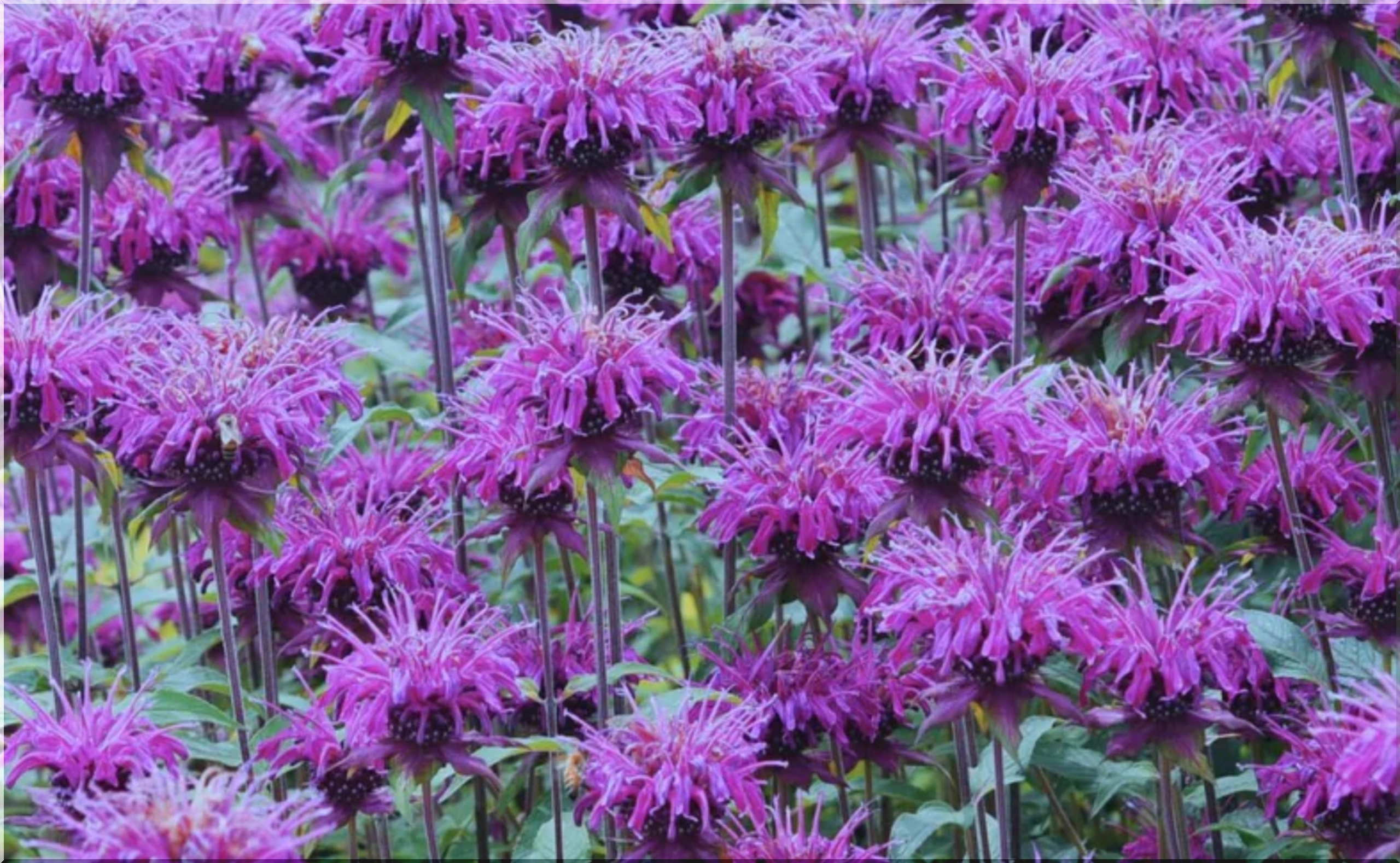
Example: In one 6-by-6-foot corner, use beebalm for summer color, asters for late bloom, and prairie dropseed to hold the planting together. It draws bees and butterflies without making the space feel wild or messy.
Reduce lawn where you can
Grass asks for mowing, edging, feeding, and water. A native planting bed can replace part of that workload with a mix that looks softer and asks for less routine care once established.
Example: Replace a narrow strip of lawn near a fence with a curved bed of sedges, columbine, and one compact shrub. You cut mowing time and gain a planting that looks far richer through the season.
Patio Native Garden Ideas That Look Sharp All Season
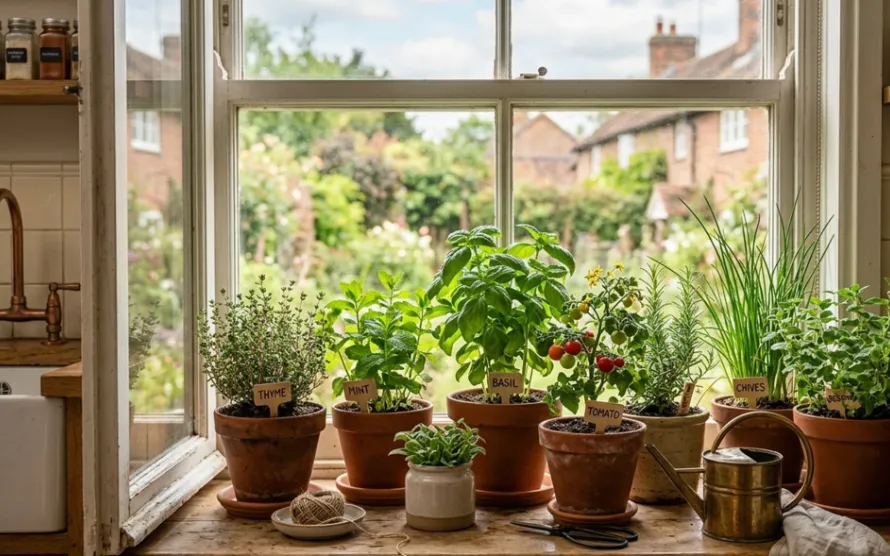
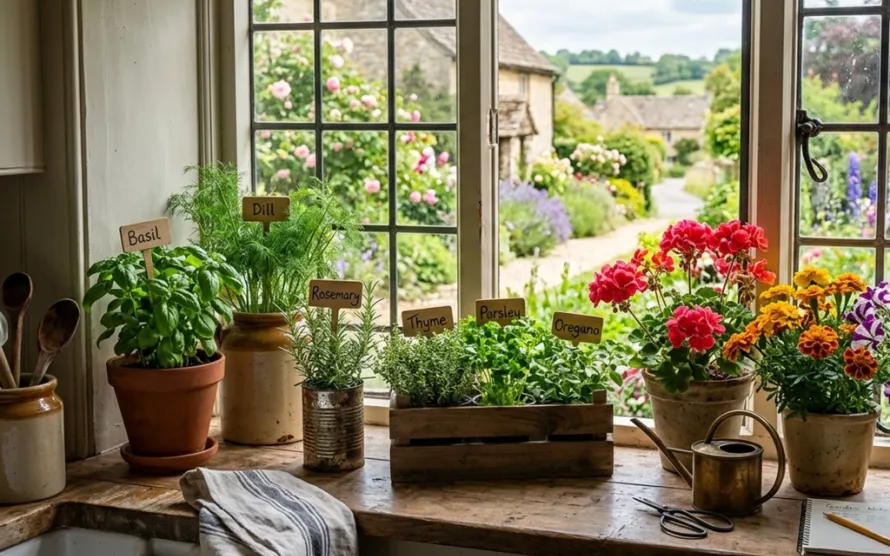
A patio garden should feel intentional, not crowded. Too many pots can make the space look messy and make watering drag on longer than it should.
Use fewer pots, but go bigger
Large containers are your friend. They hold more soil, stay moist longer, and give roots more stable conditions. Small pots dry out fast and punish missed waterings with brutal speed.
A strong patio setup often includes:
- one large statement pot
- two medium pots
- two or three small accent pots
That is enough to build a layered look without turning the patio into a maze.
Example: Put one large pot with prairie dropseed by the seating area, then flank it with two medium pots of coreopsis. Add two smaller pots of sedges near the steps. The space feels planned, not busy.
Good patio planting combinations
Sunny patio
Pair an upright native grass with coreopsis and a late-blooming aster.
Example: Use a tall grass in the biggest pot, bright coreopsis in two matching medium containers, and asters in smaller pots near the outer edge. You get structure in early summer and color that carries later into the season.
Part-shade patio
Use columbine, a sedge, and a compact shrub in the largest pot.
Example: Place a compact shrub in a large corner planter, tuck columbine into two side pots, and use sedges in smaller containers between them. The mix feels soft and calm without fading into green blur.
Patio that needs privacy
Place taller containers near the seating edge with grasses or shrubs that give a soft screen.
Example: Line the outer edge of the patio with three tall pots planted with upright grasses, then add lower flowering pots near the chairs. You gain a sense of enclosure without building a hard wall of plants.
Keep the color palette under control
Choose bloom colors that work together. Two or three tones are often enough. That makes the space feel calmer and more polished. It also makes future plant shopping easier, which protects you from those "I will make this fit" purchases that rarely end well.
Example: Stick with purple, yellow, and green foliage on a sunny patio. Asters and coreopsis carry the color, while sedges keep the look grounded.
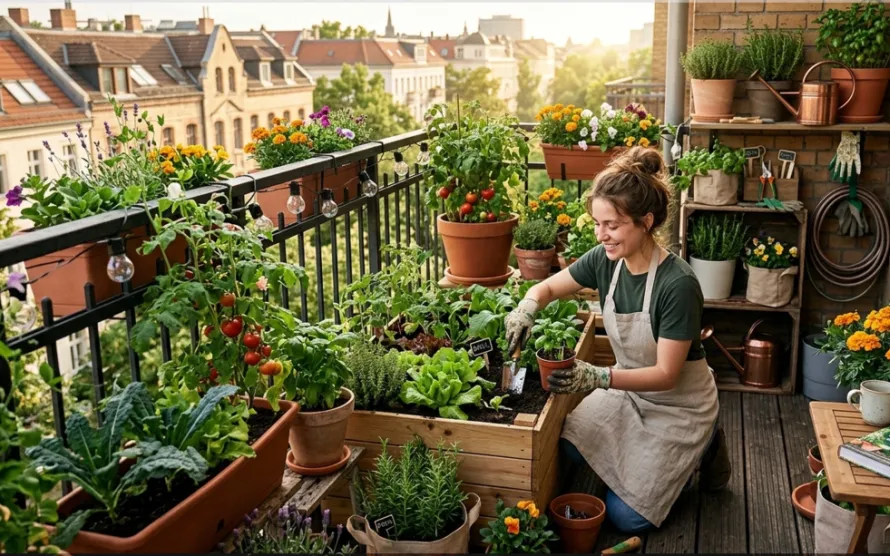
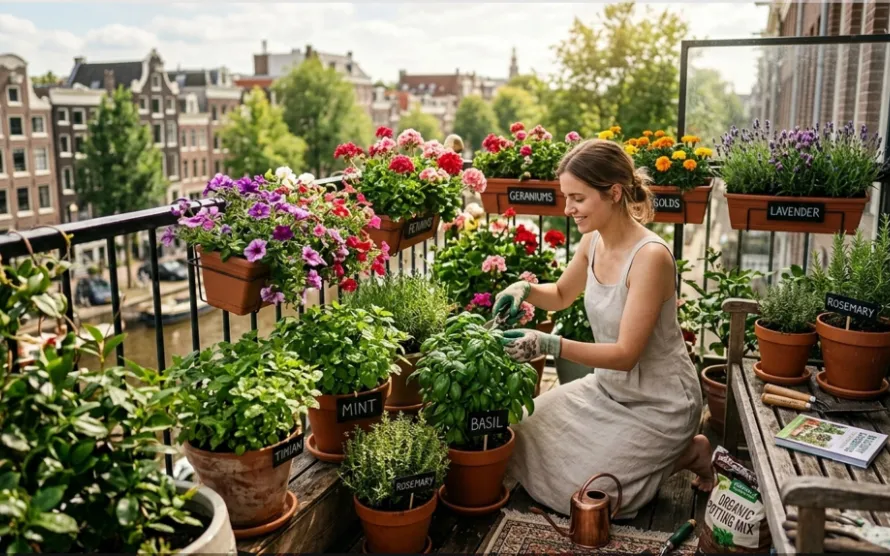
Balcony Native Garden Ideas That Can Handle Heat and Wind
Balconies are tough growing sites. They get reflected heat, stronger wind, and faster drying than most yard beds. Still, a native balcony garden can do very well with the right setup.
Choose bigger containers than you think you need
Large pots hold moisture longer and reduce stress on roots.
Example: Instead of six small rail pots, use three deeper containers on the floor or along the wall. They dry out more slowly and give your plants a much better shot during hot spells.
Keep the planting plan simple
Three to five plant types are plenty for most balconies.
Example: Use one grasslike plant, one spring bloomer, one summer bloomer, and one late-season flower. That could mean sedges, columbine, coreopsis, and asters in repeated combinations across the space.
Add one grasslike plant
Sedges and similar plants soften the design and make mixed containers look more finished.
Example: In a mixed planter with asters and coreopsis, add a sedge at the front edge. The container looks fuller and less stiff right away.
Group pots together
Clusters reduce the harsh, scattered look that single pots can create on a balcony.
Example: Set three containers in one corner at different heights rather than spreading them out in a thin line. The grouping feels lush and helps the balcony read as one planted space.
A balcony garden does not need to be large to feel generous. Good texture, smart spacing, and steady plant forms do a lot of visual work.
Best Native Plant Types for Low-Maintenance Gardens
Plant lists change by region, so local options should guide final choices. Still, a few plant categories often work well in small spaces and containers.
Strong options to look for
- Sedges for year-round texture
- Asters for late-season bloom
- Coreopsis for bright, long-lasting color
- Columbine for part shade and containers
- Prairie dropseed for tidy shape
- Serviceberry for multi-season value in yard beds
- Beebalm for pollinator traffic in sunny spots
Look for compact or smaller-growing forms when space is tight. That one step can save a lot of future pruning.
The Design Moves That Cut Work Right Away
A low-maintenance garden starts on paper before it starts in the soil.
Use these design habits from day one
- Group plants with similar water needs. This makes irrigation more sensible and cuts waste.
Example: Keep sedges and other moisture-loving plants in one zone, and place drought-tolerant grasses in another. - Leave room for mature size. Crowded plants create extra pruning and poor airflow.
Example: If a shrub will spread to 4 feet wide, do not plant it in a 2-foot gap and hope for the best. - Mulch after planting. Mulch slows weed growth and helps the soil stay damp longer.
Example: Add a clean mulch layer around a new yard bed so you spend less time pulling weeds after every rain. - Repeat the same few plants. Repetition creates order and makes replacements easier.
Example: Use the same sedge in three containers instead of trying three different edging plants that grow at different rates. - Start with one area. One finished bed looks better than three half-done ones.
Example: Complete the patio first, then move to the balcony next month, instead of scattering effort across the whole property.
These moves sound small. In practice, they can save hours over a season.
Common Mistakes That Turn a Simple Garden Into Extra Work
Planting too many species
A crowded mix often looks busy and grows unevenly. It also makes care more complicated.
Example: Ten different perennials in one narrow bed may sound fun at the store, but by midsummer the space can look confused and overstuffed.
Picking plants for flowers alone
Flowers count, though they are only one part of the picture. Form, foliage, and texture carry the garden for much longer.
Example: A patio with all bloom-heavy plants may look great for a few weeks, then flat after flowering slows. Add grasses or sedges, and the space keeps its shape.
Using tiny containers
Tiny pots demand more water and leave less room for root growth. They also heat up fast.
Example: A 6-inch pot on a hot balcony may need water far more often than a deep container beside it.
Ignoring light levels
A sun-loving plant in shade will limp along. A shade plant in hot afternoon sun will look rough in short order.
Example: Columbine in brutal west-facing sun may struggle, while the same plant can do nicely on a part-shade patio.
Skipping mulch
Bare soil dries faster and opens the door to more weeds. Mulch is not glamorous, though it earns its keep.
Example: Two similar yard beds can look very different by midsummer. The mulched one stays neater and holds moisture longer.
A Simple Planting Plan for Each Space
If you want a clear starting point, keep it easy.
For a small yard
Plant one compact shrub, two repeated flowering perennials, and one sedge or grass layer around them.
Example: Use a compact serviceberry, then repeat asters and coreopsis, with sedges edging the bed.
For a patio
Use one large anchor pot, two medium bloom pots, and two smaller accent containers with repeated plant choices.
Example: Anchor the space with prairie dropseed in the largest pot, then add coreopsis and asters in matching containers nearby.
For a balcony
Choose three to five tough native plants, use larger containers with drainage, and group the pots for a fuller look.
Example: Build a balcony mix around sedges, columbine, and asters in three deep pots placed together near the sunniest wall.
This approach gives you structure without overloading the space.
How to Keep the Garden Looking Good With Less Effort
Once the garden is planted, maintenance should stay simple.
Your basic routine
- Water new plants deeply until roots settle in
- Check containers more often during hot spells
- Pull weeds while they are small
- Cut back dead growth at the right season for each plant
- Refresh mulch as needed
Example: A patio garden with five larger pots may need one steady watering round every few days in warm weather, rather than daily rescue work on a dozen tiny containers.
That is the rhythm. Not glamorous. Very effective.
What to Do Next
Pick one zone: yard, patio, or balcony. Watch the light for a few days. Measure the space. Then build a plant list with clear roles instead of buying at random.
A good low-maintenance native garden does not ask for constant rescue. It asks for a smart start, a small dose of patience, and a layout that fits real life. Get those pieces right, and your garden can look rich, settled, and alive without asking you to spend every weekend babysitting plants.