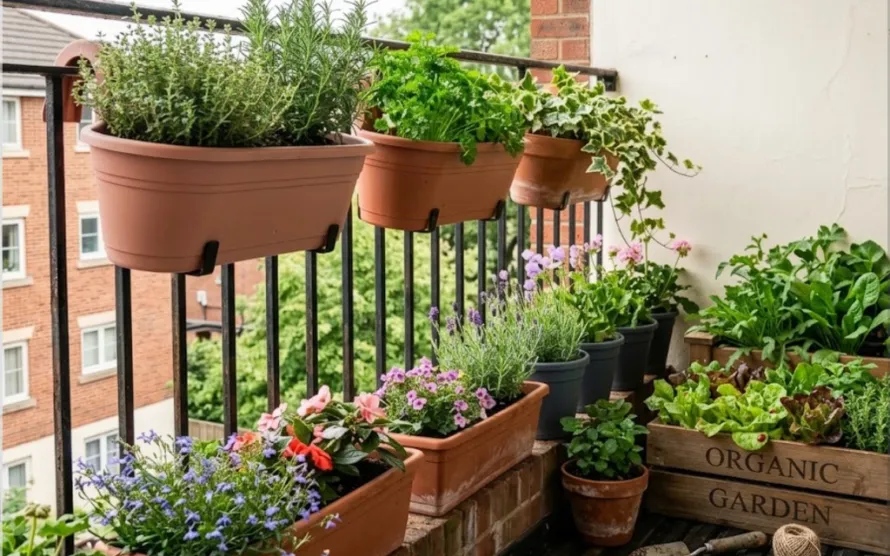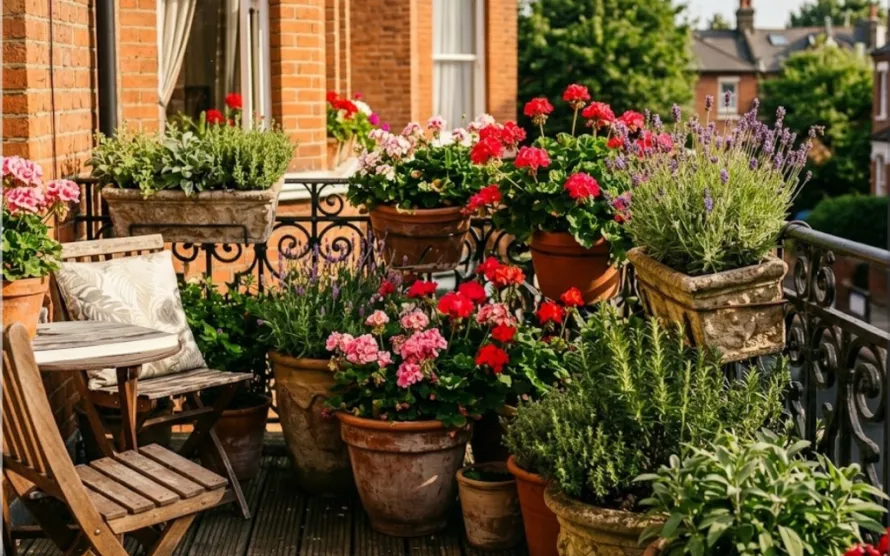
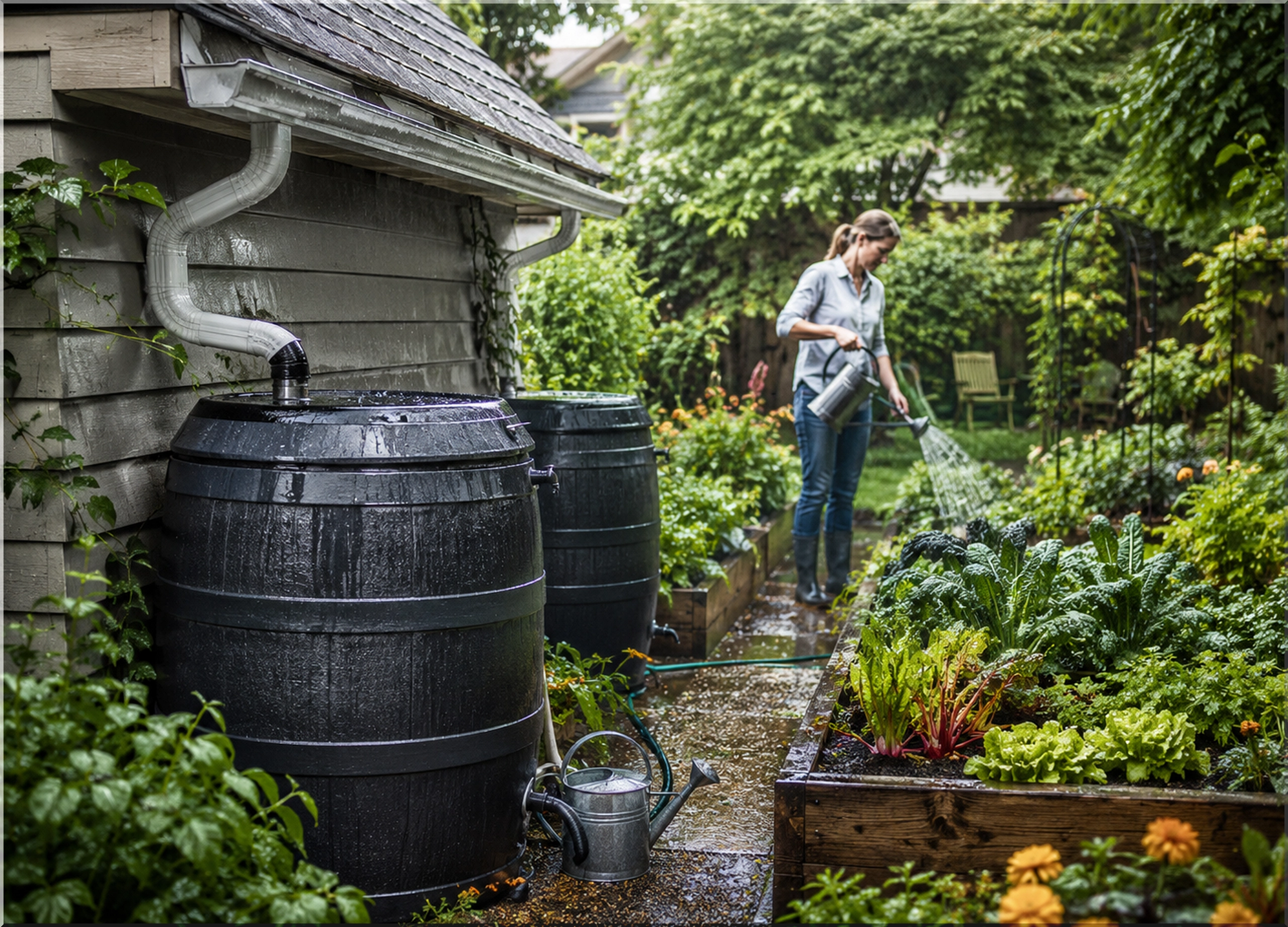
Rain does excellent work. Then most gardens politely wave it goodbye as it runs off roofs, patios, paths, and driveways. A smart rainwater harvesting garden stops that waste, stores the water, and sends it back to the roots that need it.
Why Rainwater Harvesting Makes Sense Now
Gardeners face a strange problem. Heavy rain can flood paths in March, while the same garden can beg for water in July. The issue does not come from a lack of rain alone. It comes from poor timing, hard surfaces, dry soil, and runoff that leaves the garden before plants can use it.
Rainwater harvesting gives you a practical fix. You collect rain from roofs, sheds, greenhouses, or other clean surfaces. Then you store it in barrels, tanks, or planted drainage areas for later use.
This saves tap water. It lowers watering costs. It helps plants cope during dry spells. It also reduces pressure on drains during downpours. Your garden becomes less thirsty and more resilient, without asking you to buy a tractor, dig a moat, or develop an alarming interest in plumbing catalogs.
What Rainwater Harvesting Means in a Home Garden
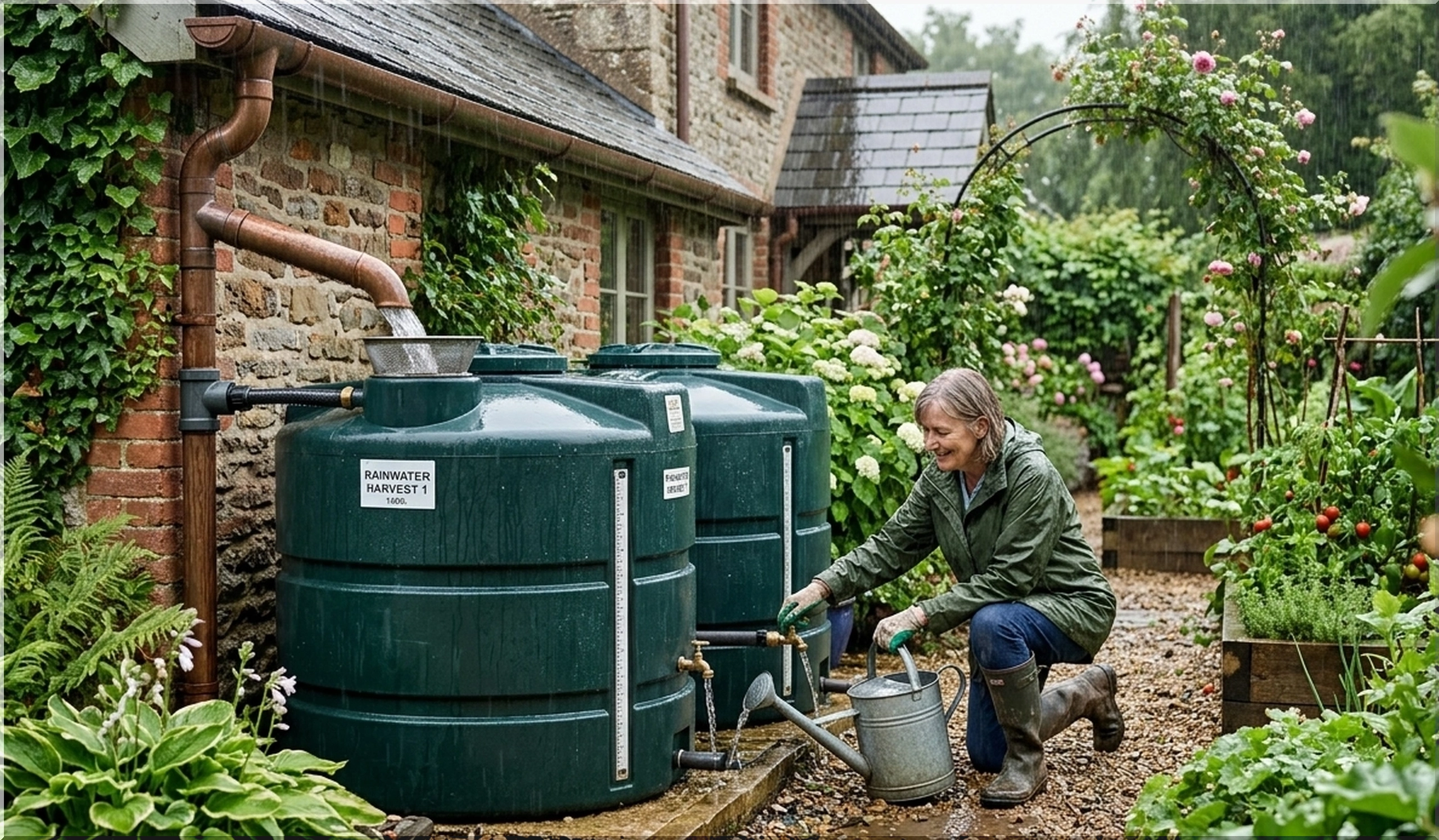
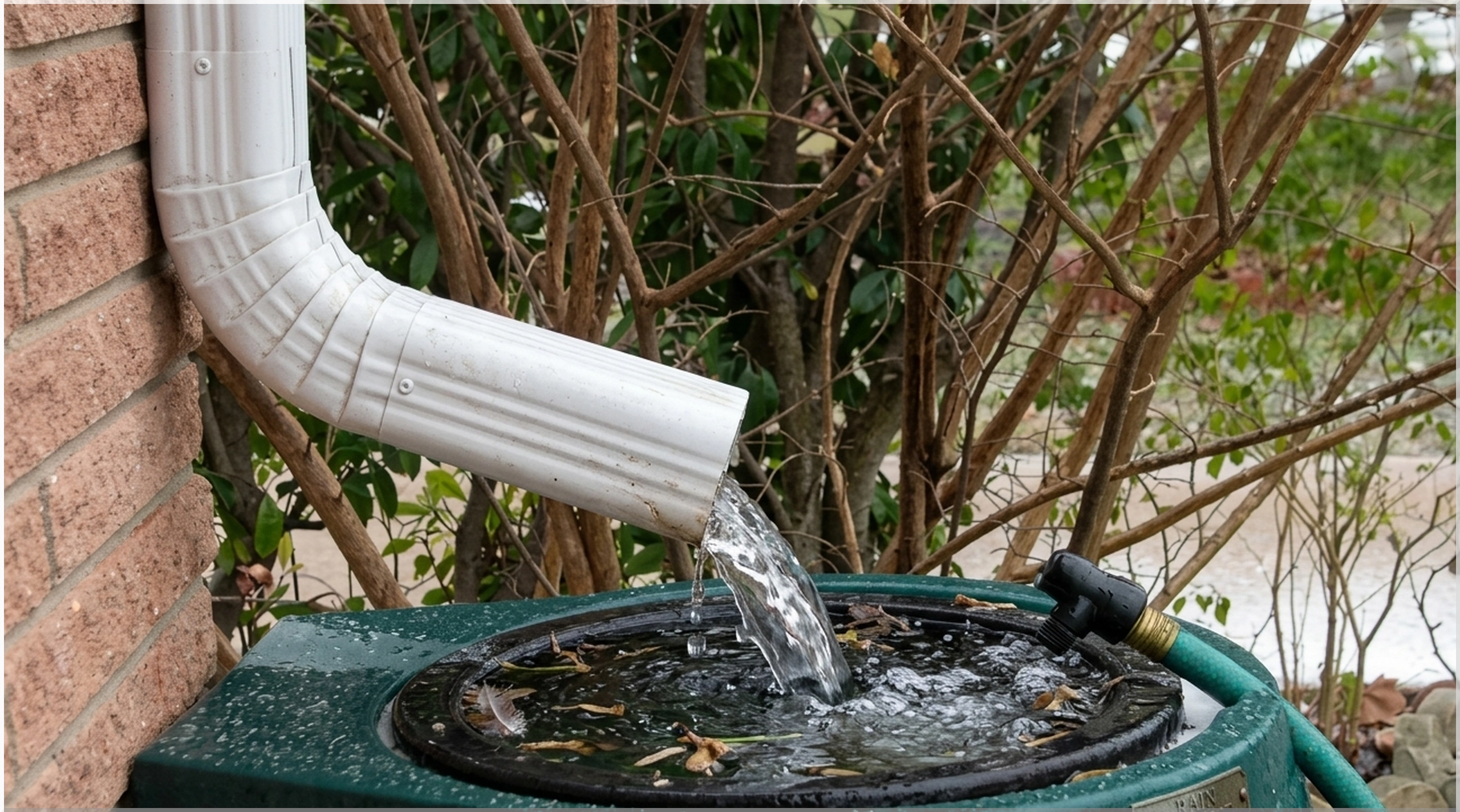
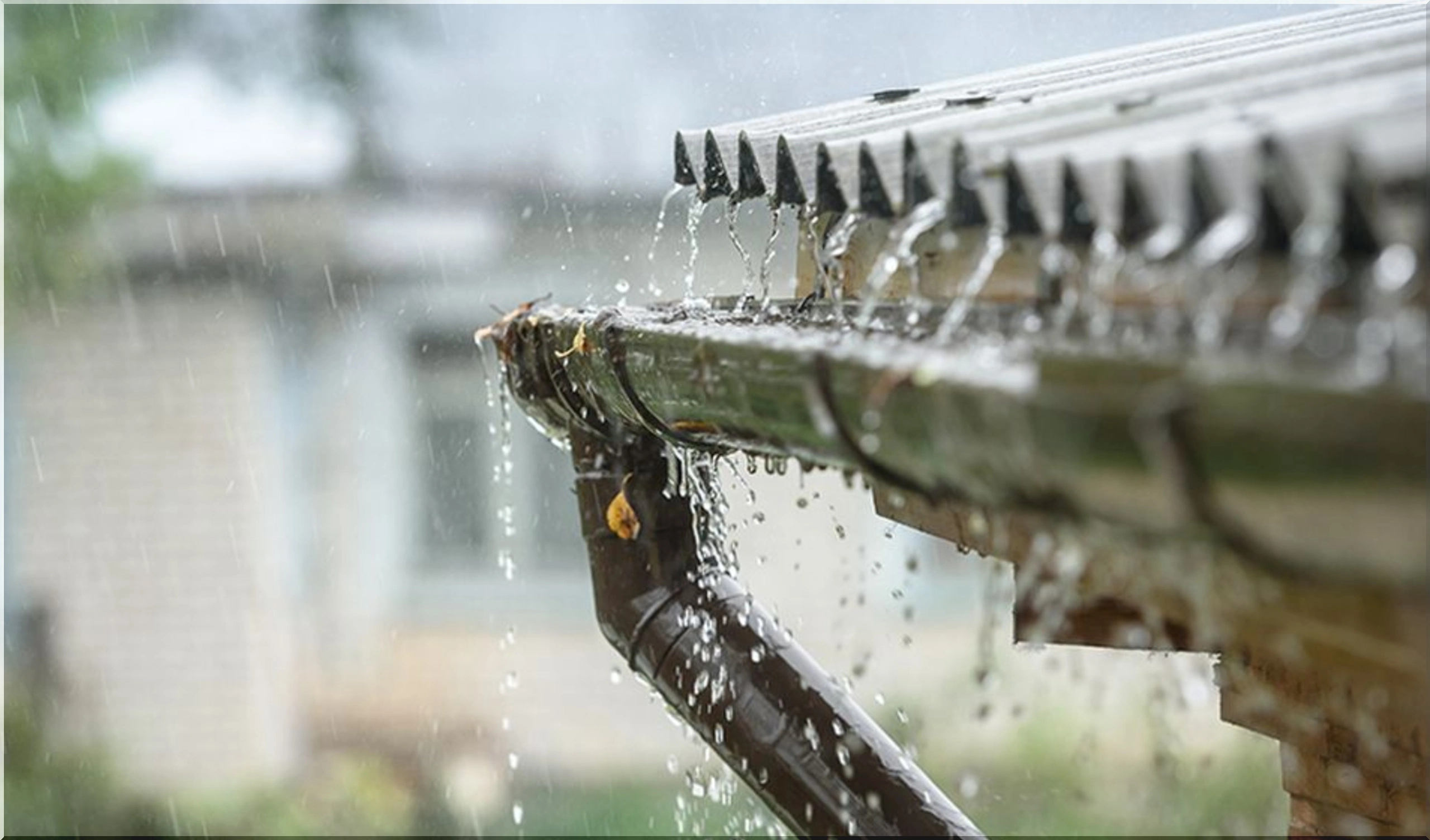
Rainwater harvesting means catching, storing, and using rainfall where it lands. In most home gardens, that starts with a roof and a barrel. Rain hits the roof, runs into the gutter, moves through a downpipe, then enters a covered container.
From there, you use it for beds, borders, pots, lawns, greenhouses, and young shrubs. You can also direct overflow into a rain garden, a shallow planted area that absorbs extra water after storms.
Start With the Best Collection Point
Your roof already works as a water catcher. A house roof, garage roof, shed, greenhouse, or pergola can feed a barrel. The trick lies in choosing the spot that gives you clean water and easy access.
A good collection point has:
- A sound gutter with steady flow
- A downpipe near beds or pots
- A level area for a barrel or tank
- Space for an overflow hose
- A safe path for carrying a watering can
- Shade, if possible, to slow algae growth
Avoid dirty roof surfaces, peeling coatings, and areas with heavy debris. Clear leaves from gutters before you connect a barrel. A few minutes with a ladder and gloves can save you from a barrel full of sludge later.
Choose the Right Rain Barrel Setup
A good rain barrel system does not need to look like a science project parked beside your house. It needs to catch water cleanly, store it safely, and make watering simple enough that you use it every week.
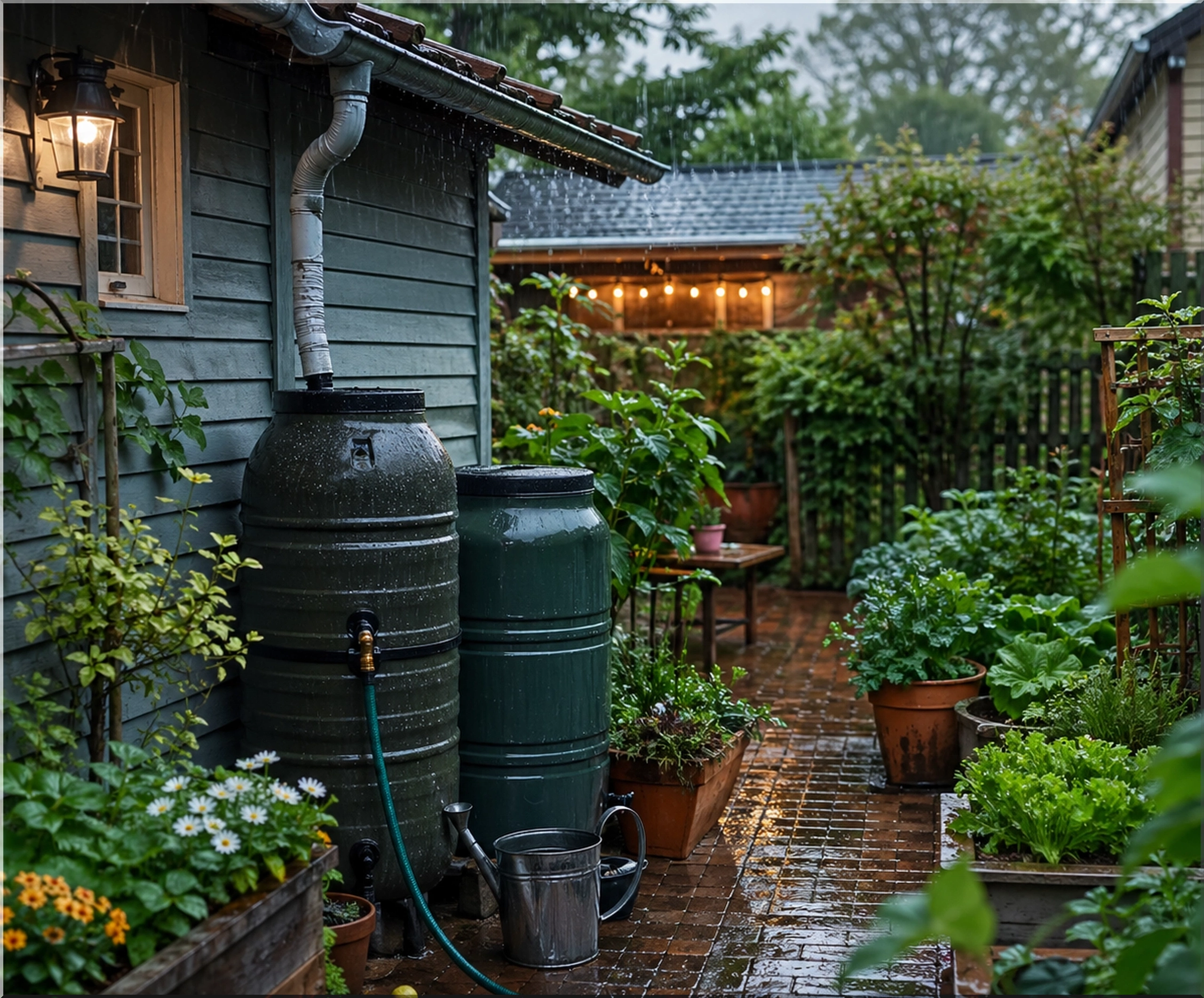
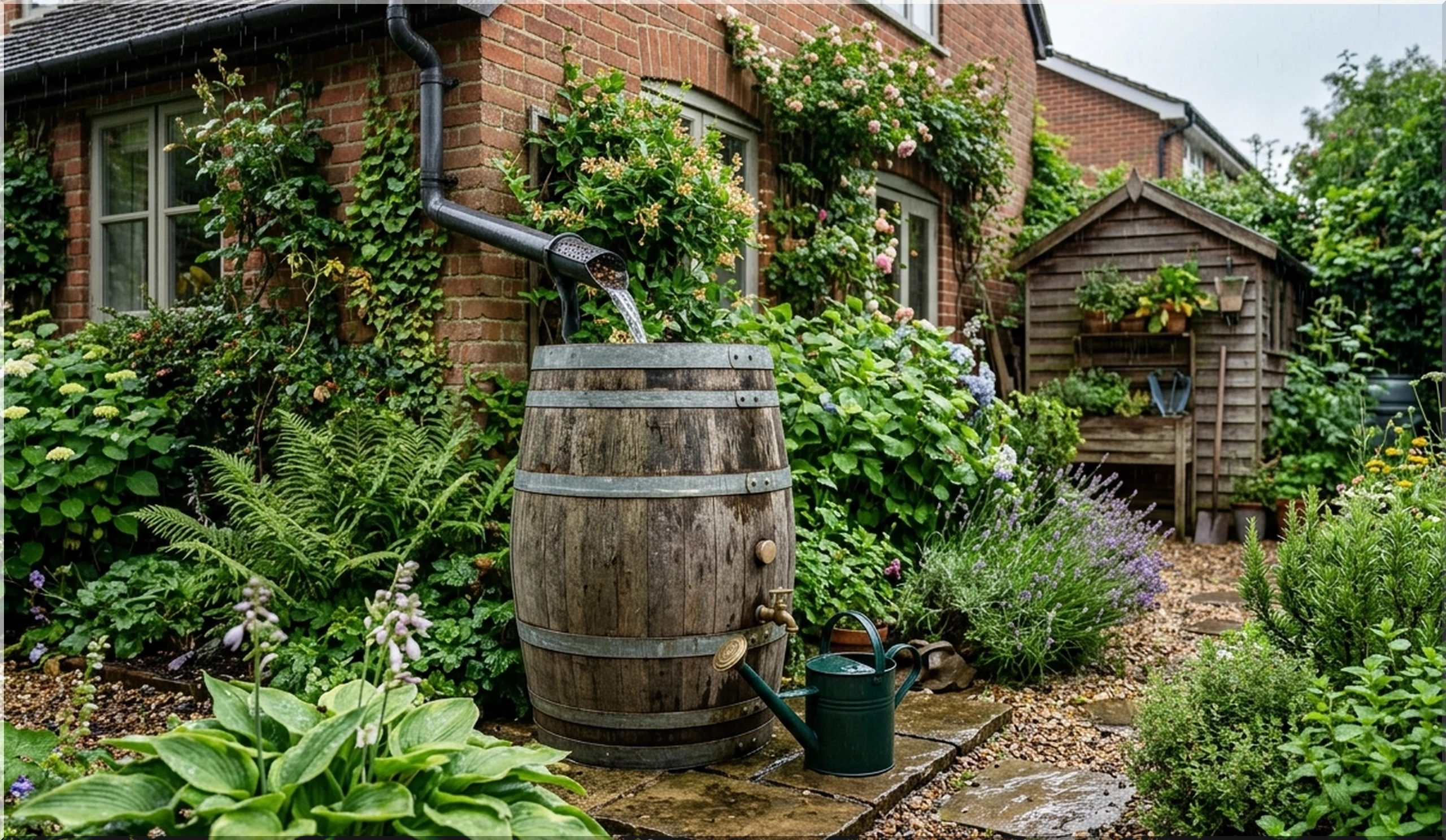
For most gardens, start with a covered barrel, a downpipe diverter, a debris screen, a tap, and an overflow outlet. That setup collects roof runoff, keeps leaves and insects out, lets you fill a watering can, and sends extra water away from the house during heavy rain.
Placement matters as much as capacity. Put the barrel on a strong, level stand near the plants you water most. The extra height helps gravity move water through the tap and gives you space to slide a watering can underneath without tilting it like a desperate teapot.
Rain Barrel Worth Knowing
Several brands sell practical rainwater collection systems for home gardens, and each one suits a different space, budget, or garden layout.
| Brand | Best For | Useful Feature |
|---|---|---|
| Good Ideas Rain Wizard | Everyday garden use | Linkable barrels, brass spigots, debris screens |
| FCMP Outdoor Raincatcher | Small spaces near walls | Flat-back designs and wide openings |
| RTS Home Accents Rain Barrel | Traditional garden styling | Wood-barrel look without real wood maintenance |
| Gardener's Supply Rainwater Urn | Patios and visible garden areas | Decorative urn designs with useful capacity |
| Algreen Rain Barrels | Decorative rainwater storage | Stone-inspired and ceramic-style designs |
The right choice depends on where the barrel will sit. A flat-back barrel works well in a narrow side yard. A decorative urn suits a patio or front garden. A linkable barrel system makes more sense near vegetable beds, greenhouses, and larger container areas.
A Simple Rain Barrel Setup
- Pick the downpipe nearest the plants you water most.
- Clean the gutter so leaves, grit, and roof debris stay out.
- Install a diverter to send roof water into the barrel.
- Add a mesh screen to block insects and floating debris.
- Fit a tight lid to reduce algae, pests, and accidental contamination.
- Attach an overflow hose that sends extra water away from walls and foundations.
- Test the tap before the first heavy rain, not during it.
Pro-Tip: Put Water Where You Will Use It
A huge tank in the far corner may impress visitors. It may also sit untouched while you keep reaching for the outdoor tap.
Place garden water storage close to thirsty plants, raised beds, pots, or the greenhouse. When the setup feels easy, you use it more often. Convenience turns a rain barrel from garden decor into a daily water-saving tool.
How Much Rainwater Storage Do You Need?
Storage needs vary by garden size, roof area, rainfall, and plant choice. Start with your watering habits. Do you water pots every day in summer? Do you run a greenhouse? Do you grow vegetables? Those answers guide your setup.
| Garden Area | Useful Storage Size | Best Use |
|---|---|---|
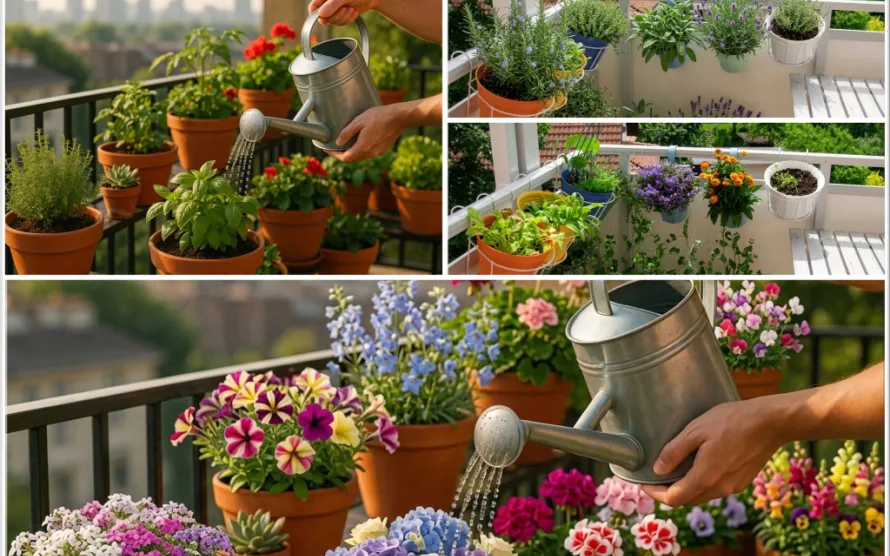
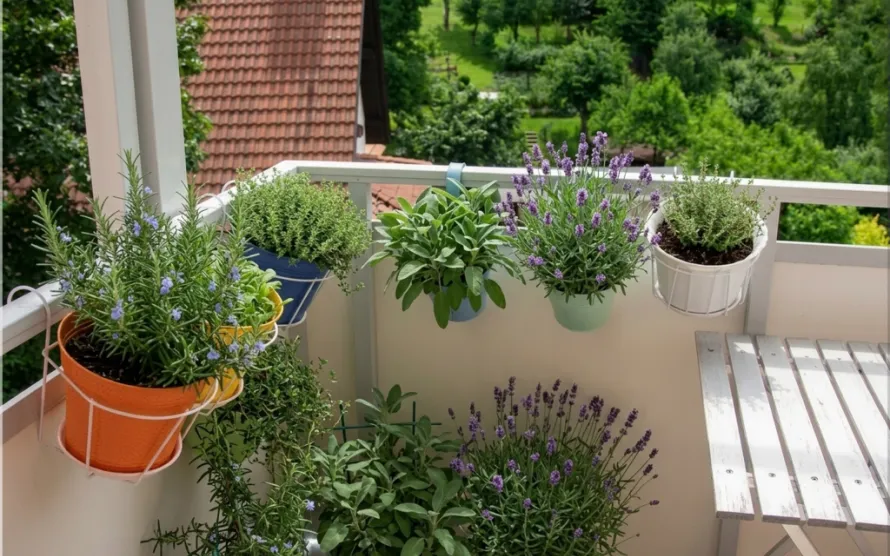
| Balcony pots | 25 to 50 gallons | Herbs, flowers, small containers |
| Small back garden | 50 to 100 gallons | Beds, borders, patio planters |
| Vegetable patch | 100 to 250 gallons | Soil-level crop watering |
| Greenhouse | 150 to 300 gallons | Seedlings, tomatoes, peppers, pots |
| Large garden | 300 gallons or more | Linked barrels or a larger tank |
You can start small. One 50-gallon barrel can handle many container gardens. Two linked barrels can double storage without demanding much extra space. A larger tank suits gardeners who already water often and want a serious reserve.
Keep Stored Rainwater Clean and Useful
Stored rainwater needs care. It does not need perfection. It needs sensible habits.
Keep barrels covered. Screen inlets. Clean gutters. Use the water often. Rinse the barrel once or twice a year. If the water smells bad, empty the container and scrub it.
Use stored rainwater mainly for plants. Do not drink it. Do not use it to wash food. When watering edible crops, aim at the soil. Avoid spraying leaves, fruit, or salad crops.
This simple care plan keeps your garden water storage useful:
- Clean gutters in spring and autumn
- Remove leaves from inlet screens
- Keep the lid closed
- Drain hoses after use
- Scrub barrels when sediment builds up
- Keep barrels away from direct heat where possible
- Use older stored water first
Pro-Tip: Add a First-Flush Diverter
A first-flush diverter sends the dirtiest early roof runoff away from your barrel. The first minutes of rain often carry dust, droppings, grit, and roof debris. A diverter helps keep the main supply cleaner, mainly when you collect from a large roof.
Use Rain Gardens to Handle Overflow
A full barrel still needs a plan. During heavy rain, extra water must go somewhere safe. Send it to a bed, drain, second barrel, or rain garden.
A rain garden is a shallow planted dip that catches runoff. Water gathers there after a storm, then slowly soaks into the soil. The plants handle short wet periods and dry gaps.
This feature suits areas near downpipes, patios, and sloped paths. It can reduce puddles, protect soil, and add color. It can also turn a problem corner into a useful planted zone.
Where to Place a Rain Garden
Choose a spot that:
- Sits away from house foundations
- Receives runoff by gravity
- Drains within a day or two
- Has enough sun for chosen plants
- Allows extra water to leave safely
- Does not block paths or access
Do not place a rain garden where water already sits for many days. That points to poor drainage, not a simple runoff problem.
Best Plants for Rain Gardens
Use plants that handle wet roots for short periods and dry weather later. Native perennials, grasses, sedges, and moisture-tolerant shrubs often work well.
For the wet center, choose plants suited to damp soil. For the higher edges, choose plants that cope with drier conditions. Plant in groups so the area looks planned, not accidentally abandoned by a garden center truck.
Improve Soil So Rain Stays Longer
A barrel catches water. Soil stores it. Poor soil lets rainfall vanish too fast.
Add compost, leaf mold, or well-rotted organic material to beds. These materials help soil hold moisture, feed soil life, and reduce surface crusting after heavy rain. Mulch adds another layer of protection.
Good mulches include:
- Garden compost
- Leaf mold
- Composted bark
- Straw around vegetable plants
- Wood chips for paths and shrubs
- Grass clippings in thin layers
Mulch keeps soil cooler. It slows evaporation. It also stops hard rain from beating bare soil into a crust.
For pots, use quality peat-free compost and group containers together. Pots dry from all sides, so they need more attention than beds. Move the thirstiest pots closer to your rain barrel.
Water Plants the Right Way
Rainwater harvesting works best when you water with care. A full barrel can vanish fast if you sprinkle everything lightly.
Water deeply and less often. Aim at roots. Early morning works well because plants can use moisture before midday heat. Evening watering can also help, though wet leaves overnight may raise disease risk for some plants.
Use this simple watering method:
- Push a finger into the soil.
- Water only when the root zone feels dry.
- Aim the flow at the base of the plant.
- Soak slowly so water sinks in.
- Stop when water begins to pool.
- Check again the next day before watering more.
Vegetables, new shrubs, pots, and greenhouse plants need the most attention. Established perennials and shrubs often cope better after their roots spread.
Common Rainwater Harvesting Mistakes
A few small errors can turn a good idea into a soggy nuisance. Most problems come from poor placement, weak overflow planning, or dirty storage.
Avoid these mistakes:
- Placing a barrel on soft or uneven ground
- Letting overflow drain near foundations
- Leaving the barrel uncovered
- Forgetting to clean inlet screens
- Spraying stored water onto edible leaves
- Buying a large tank before planning access
- Ignoring mulch and soil care
- Letting stored water sit unused for months
A rain barrel should make gardening easier. If it creates puddles, smells, or wobbles, fix the setup fast.
A Weekend Plan for Beginners
You can start rainwater harvesting for beginners with one weekend and a modest budget.
Saturday: Build the Collection Point
Clean the gutter. Choose a downpipe. Set a covered barrel on a stable stand. Add the diverter, screen, tap, and overflow hose. Run a small test with hose water to check flow and leaks.
Sunday: Make the Garden Ready
Mulch the beds nearest the barrel. Move pots closer to storage. Mark a safe overflow route. Choose a spot for a rain garden if storm runoff causes puddles. Group thirsty plants so watering takes less time.
This plan gives you storage, cleaner runoff, better soil, and easier watering. That is a strong return for two days of work.
What Now? Build Your First Rain-Smart Garden
Start with one downpipe and one covered barrel. Place it close to the plants you water most. Add a safe overflow route. Then improve the soil with compost and mulch.
After that, expand only where the garden proves it needs more help. Link a second barrel. Add a rain garden. Upgrade to a larger tank. Small steps can save a surprising amount of water.
Rain will still fall when it wants. You can still put it to work when your garden needs it.