Spring makes people grab pruners fast. That instinct costs flowers. The core issue stays simple: many spring-flowering shrubs and small flowering trees already built their flower buds last year. Cut them in early spring, and you do not "tidy them up." You cut off the show before it opens. In addition, a second group of trees reacts badly to spring cuts for a different reason: rising sap pressure. That does not always kill a tree, but it can create messy bleeding and poor timing.
Looking at the data from horticulture sources, the rule holds steady. Plants that bloom on old wood usually need pruning after blooming, while sap-heavy trees like birch and maple usually handle pruning better after the spring growth flush. Get that timing wrong, and your yard pays for it with fewer blooms, weaker structure, and wasted work.
Definitions every gardener should know before cutting anything
You do not need a botany degree for this. You need two pruning terms.
- Old wood: stems and branches that grew last season and already carry this year's flower buds.
- New wood: fresh growth produced in the current growing season that will carry this year's flowers later.
- Renewal pruning: removing a share of the oldest stems at ground level over several years to rebuild an overgrown shrub.
- Rejuvenation pruning: cutting a multi-stem shrub hard to reset size and force new shoots. This works on some shrubs, but it will usually wipe out that season's bloom.
That old wood vs. new wood split drives almost every smart spring pruning call.
The plants you should not prune in spring
The list below covers the main trees and shrubs that gardeners cut at the wrong time every year.
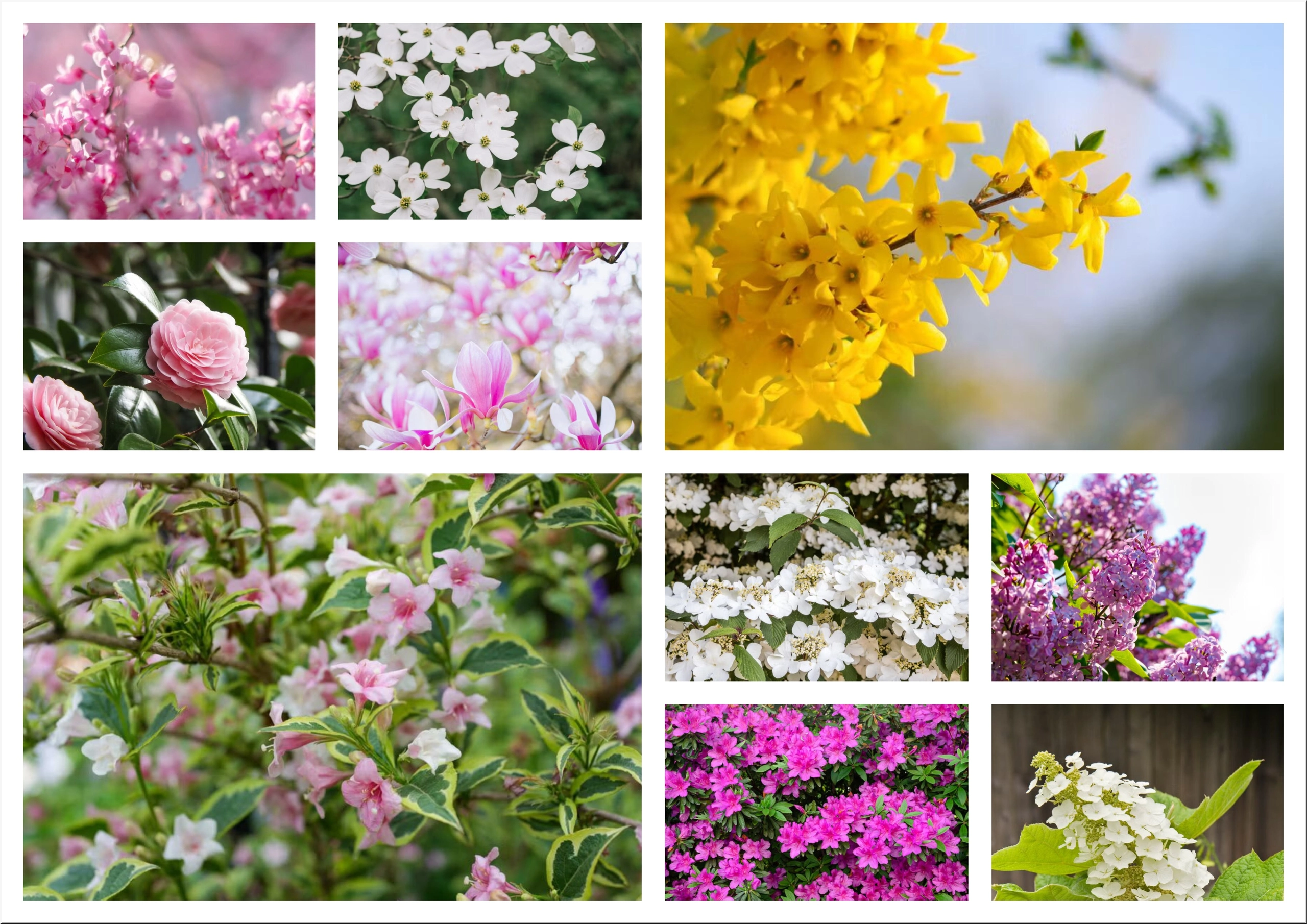
| Plant | Why spring pruning backfires | Best pruning window | What to do |
|---|---|---|---|
| Lilac | Sets next year's buds right after flowering | Right after bloom in late spring | Thin old canes at ground level |
| Forsythia | Flowers on last year's stems | Right after yellow blooms drop | Shape lightly or renew old stems |
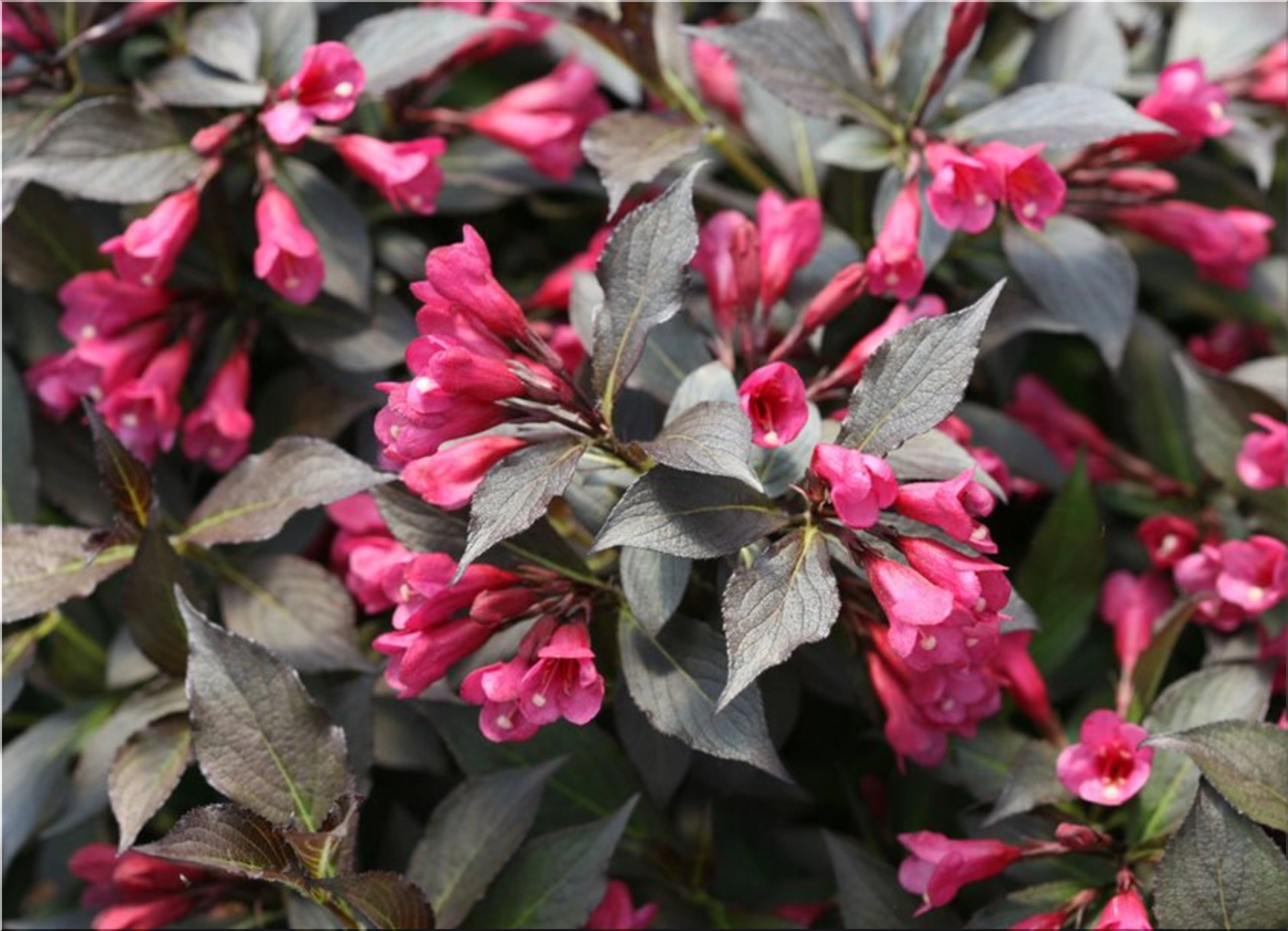
| Weigela | Spring bloom comes from older wood | Late spring to early summer after bloom | Remove spent flowering shoots |
| Viburnum | Early-season blooms form before spring pruning time | After flowering | Thin, do not shear |
| Azalea | Buds form soon after bloom cycle | Late spring after flowers fade | Shape lightly only |
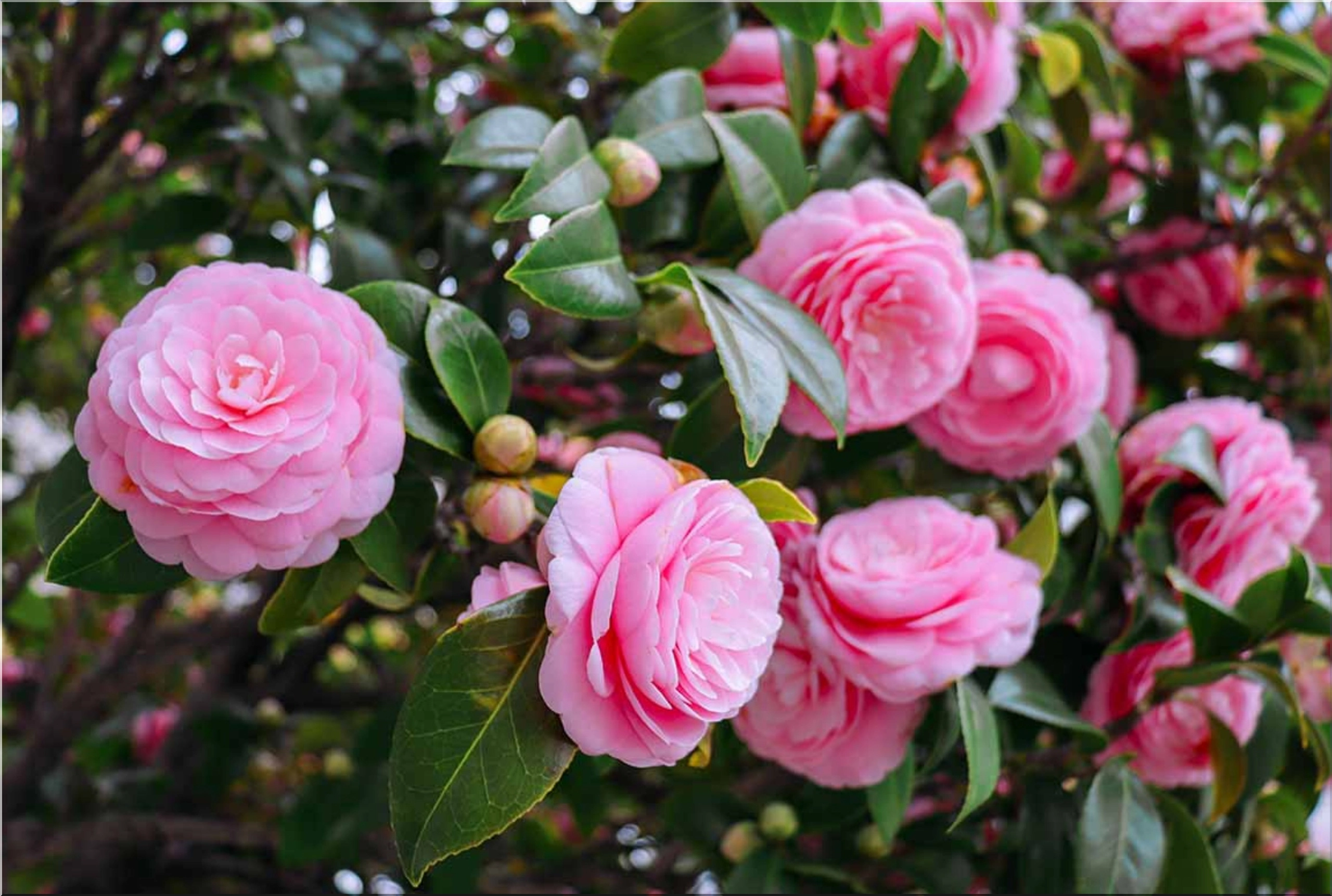
| Camellia | Later pruning removes next flower buds | Right after flowering or early summer | Thin for size and branching |
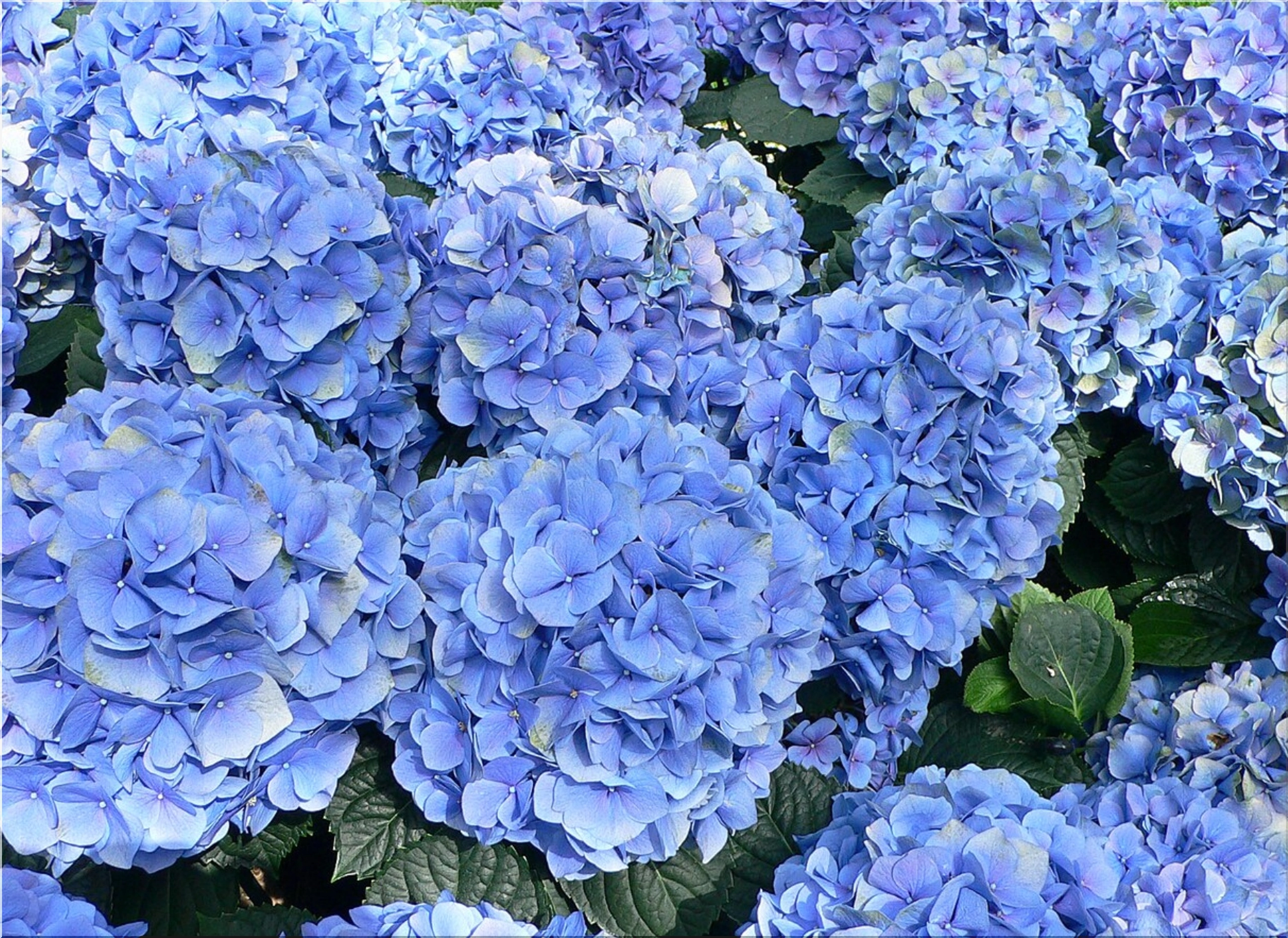
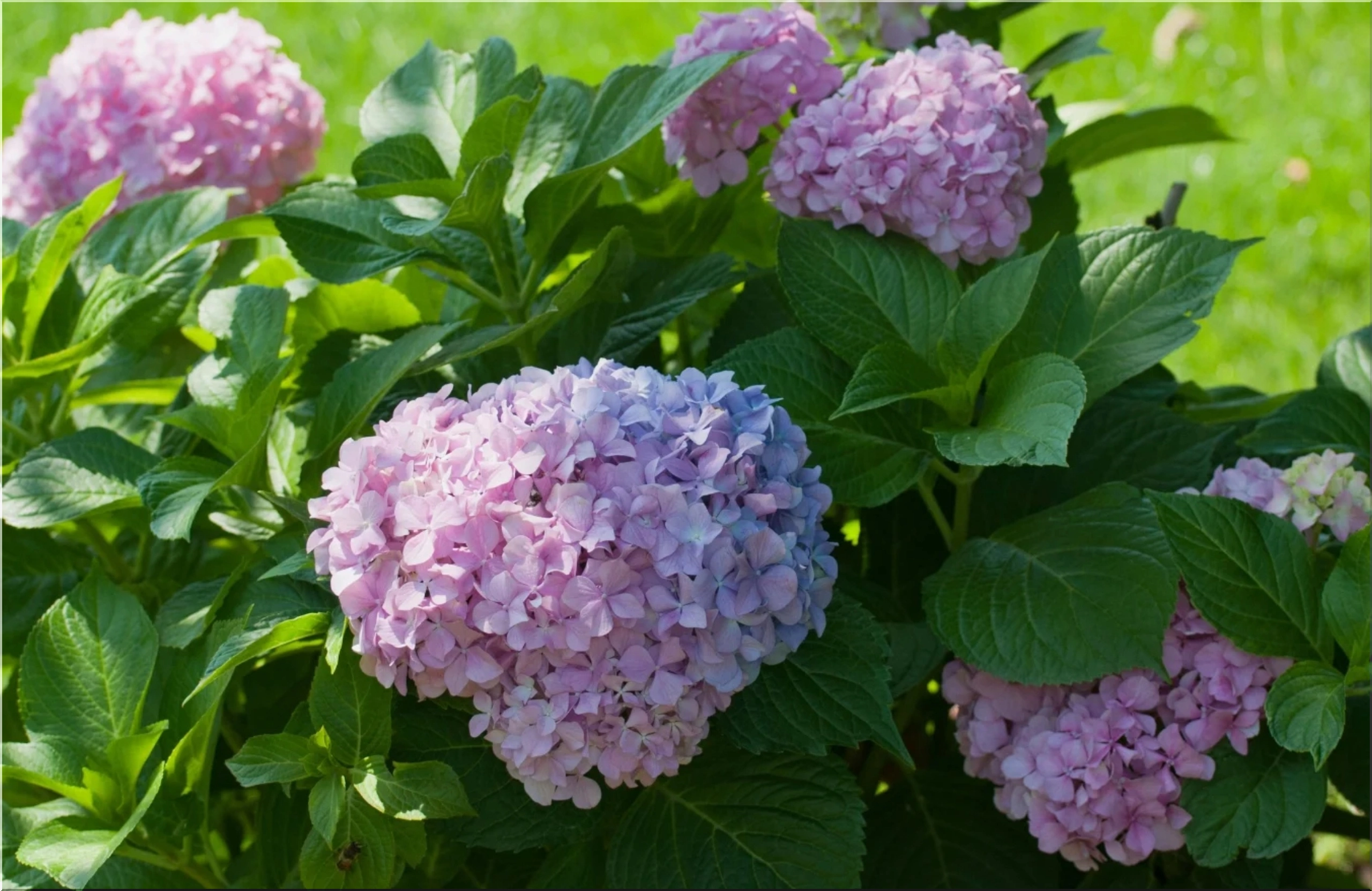
| Bigleaf hydrangea | Many types bloom from buds formed the prior season | After flowering and before late summer | Cut lightly, keep budded stems |
| Oakleaf hydrangea | Flower buds sit on older stems | After flowering | Remove dead wood and stray stems |
| Dogwood | Spring bloom sits on buds already set before the season | After bloom, if pruning is needed at all | Keep cuts minimal |
| Redbud | Flower buds form before spring show | After flowering and leaf-out | Remove only crossing or damaged branches |
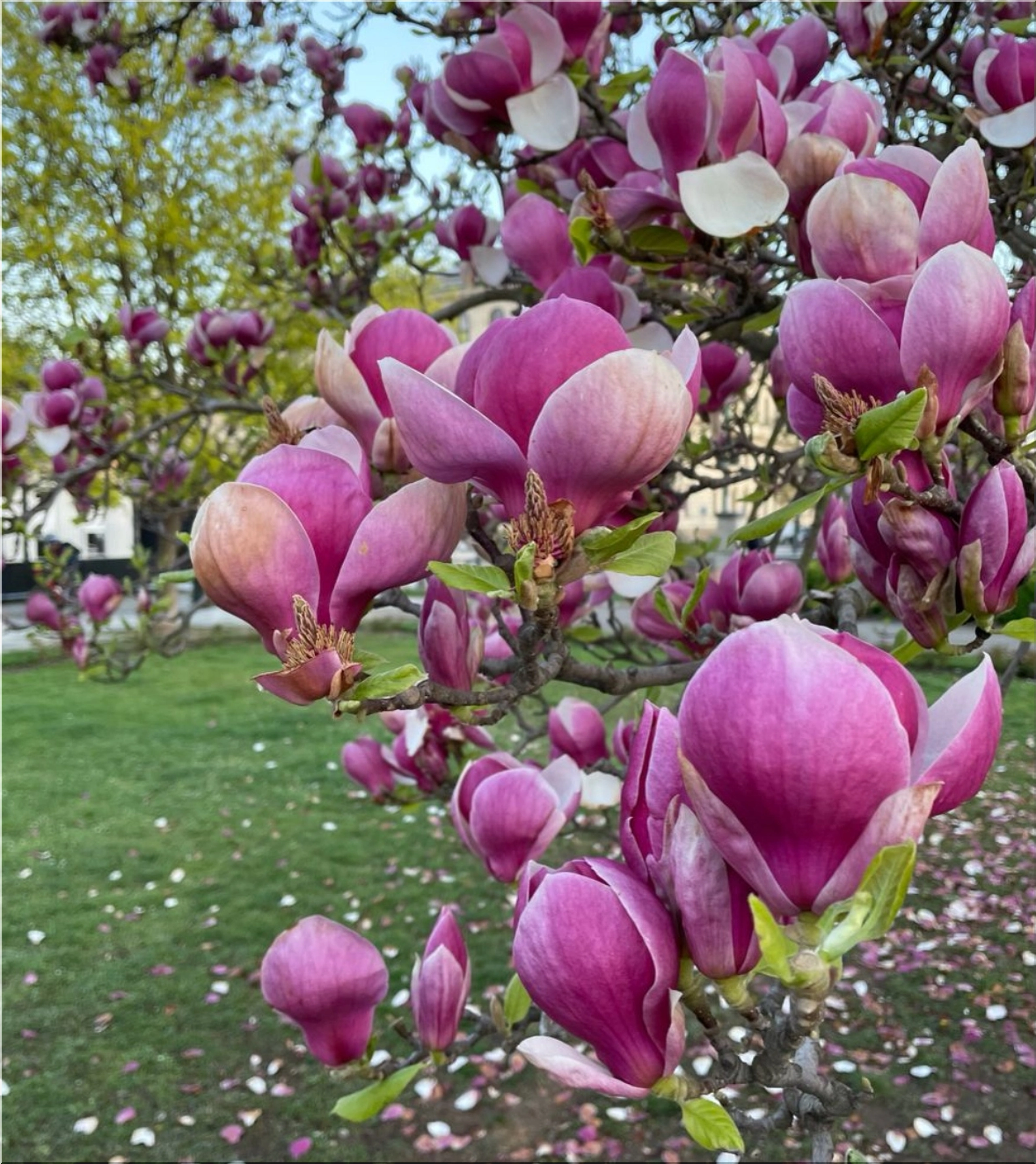
| Deciduous magnolia | Budded wood already carries the spring display | Right after bloom | Prune sparingly |
Why old-wood bloomers hate spring pruning
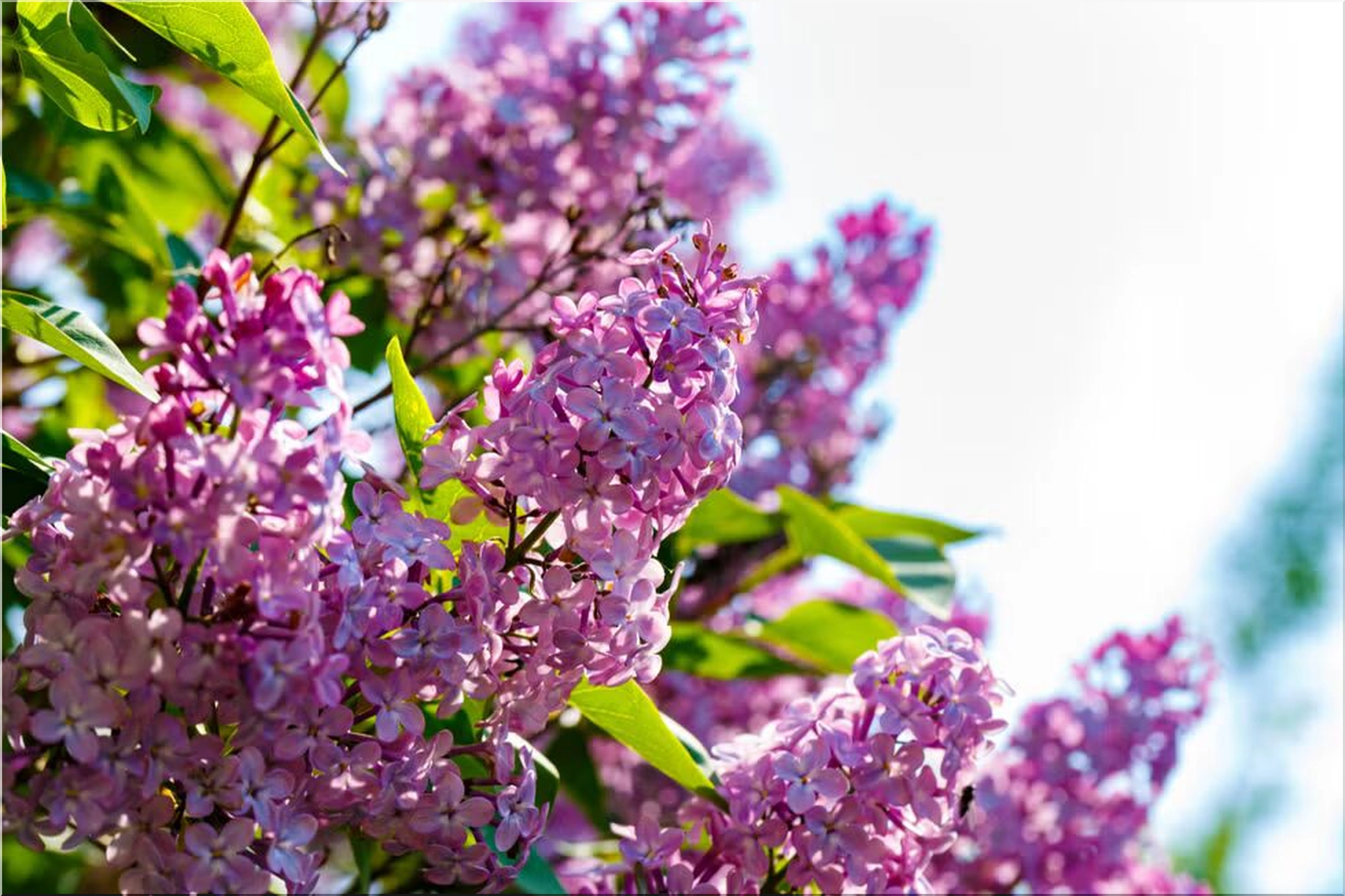
A lilac does not wake up in March and decide to build May flowers from scratch. It already built those flower buds after last year's bloom cycle. The same pattern drives forsythia, weigela, many viburnum types, and a long list of other spring shrubs. Consequently, if you shear or shorten them in spring, you remove the exact stems that would have flowered.
This is why many gardeners think a shrub "didn't bloom well this year" when the real issue was pruning time, not fertilizer, weather, or age. From an expert perspective, timing beats effort. Ten minutes with pruners at the wrong time can erase a full season of flowers.
Lilac and forsythia: the classic pruning mistakes
Gardeners hack these two back all the time because both can get rangy. The fix still depends on restraint.
With lilac, use a renewal method on older plants. Remove up to one-third of the oldest, thickest stems at ground level each year instead of giving the whole shrub a haircut. That keeps bloom wood in place while younger stems come on strong. Forsythia responds well to the same logic, though you can push it harder if the shrub has turned into a sprawling mess.
Weigela and viburnum: shape them after the flower show
Both shrubs tempt people to trim in early spring because their structure looks rough after winter. Resist that urge. Weigela and many viburnum types set up their bloom display before the season starts. Cut in spring, and you trade shape for silence.
By comparison, pruning right after bloom lets you control size without wiping out next year's flower set. That timing also gives the plant a full growing season to build fresh shoots and new buds.
Azalea, camellia, and hydrangea need sharper timing
These shrubs punish bad timing fast.
Azaleas bloom on older wood and start setting future buds soon after the spring flush. Wait too long into summer, and you snip off the next round. Camellias work much the same way. Their best pruning slot lands right after flowering, not months later.
Bigleaf hydrangea and oakleaf hydrangea create even more confusion. Many gardeners hear "prune hydrangeas in spring" and assume that advice fits all types. It does not. Panicle and smooth hydrangeas usually bloom on new growth, but bigleaf and oakleaf types do not follow that script. If you cut those hard in spring, you can remove nearly every flower bud on the plant.
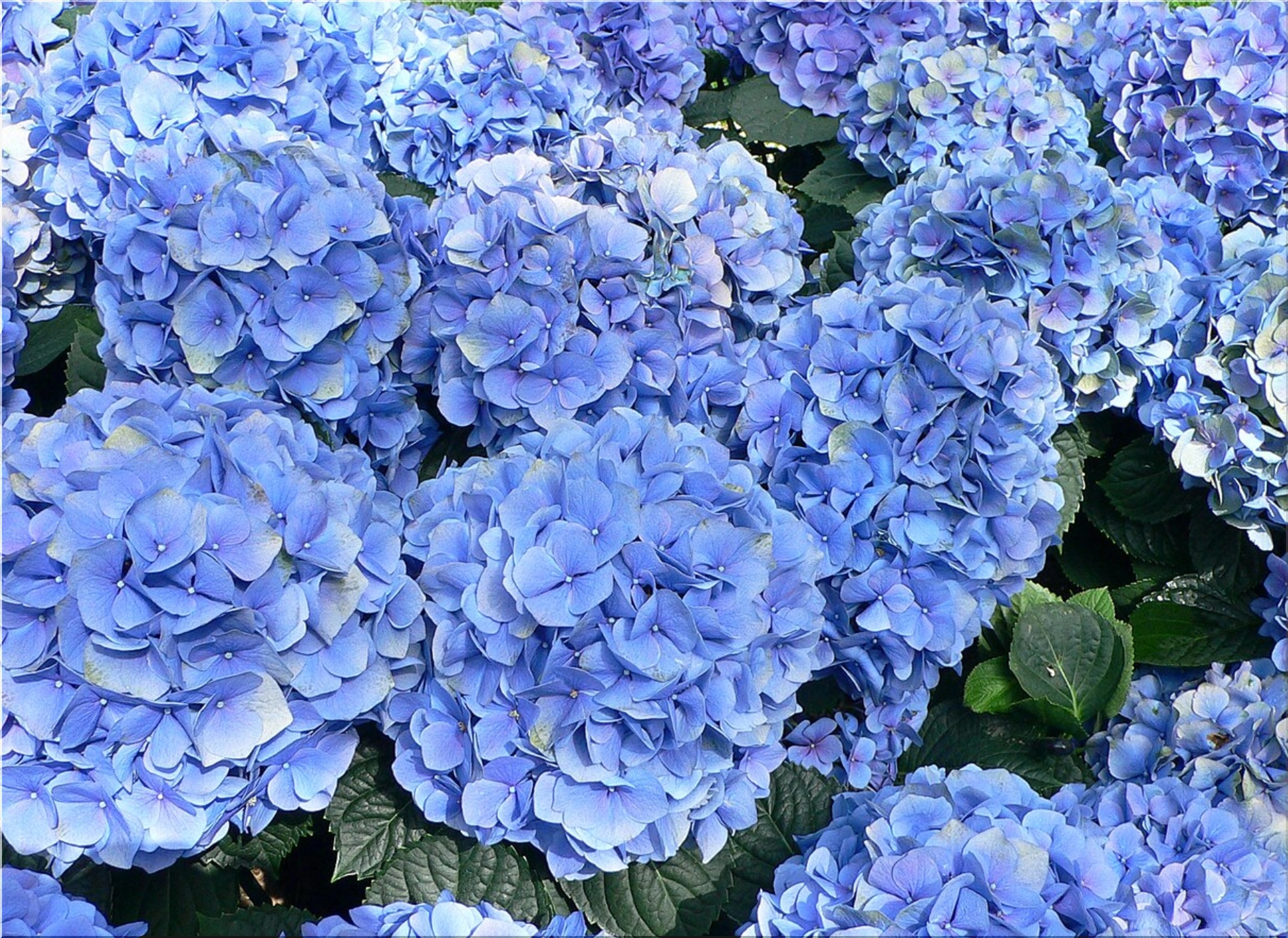
Hydrangea confusion costs a lot of flowers
This plant group trips people up because the category label stays broad while the pruning rules do not. A panicle hydrangea can handle late-winter pruning. A bigleaf hydrangea often cannot. Some reblooming bigleaf cultivars can flower on old and new wood, but even then, a hard spring cut can still reduce the first flush and shrink the total display.
If you do not know the type, use the conservative move: remove dead stems, leave healthy budded wood alone, and wait until after bloom for shaping cuts.
Dogwood, redbud, and deciduous magnolia deserve a lighter hand
These flowering trees and large shrubs rarely need aggressive cutting in the first place. That fact gets lost because people feel pressure to "clean everything up" at the same moment in spring.
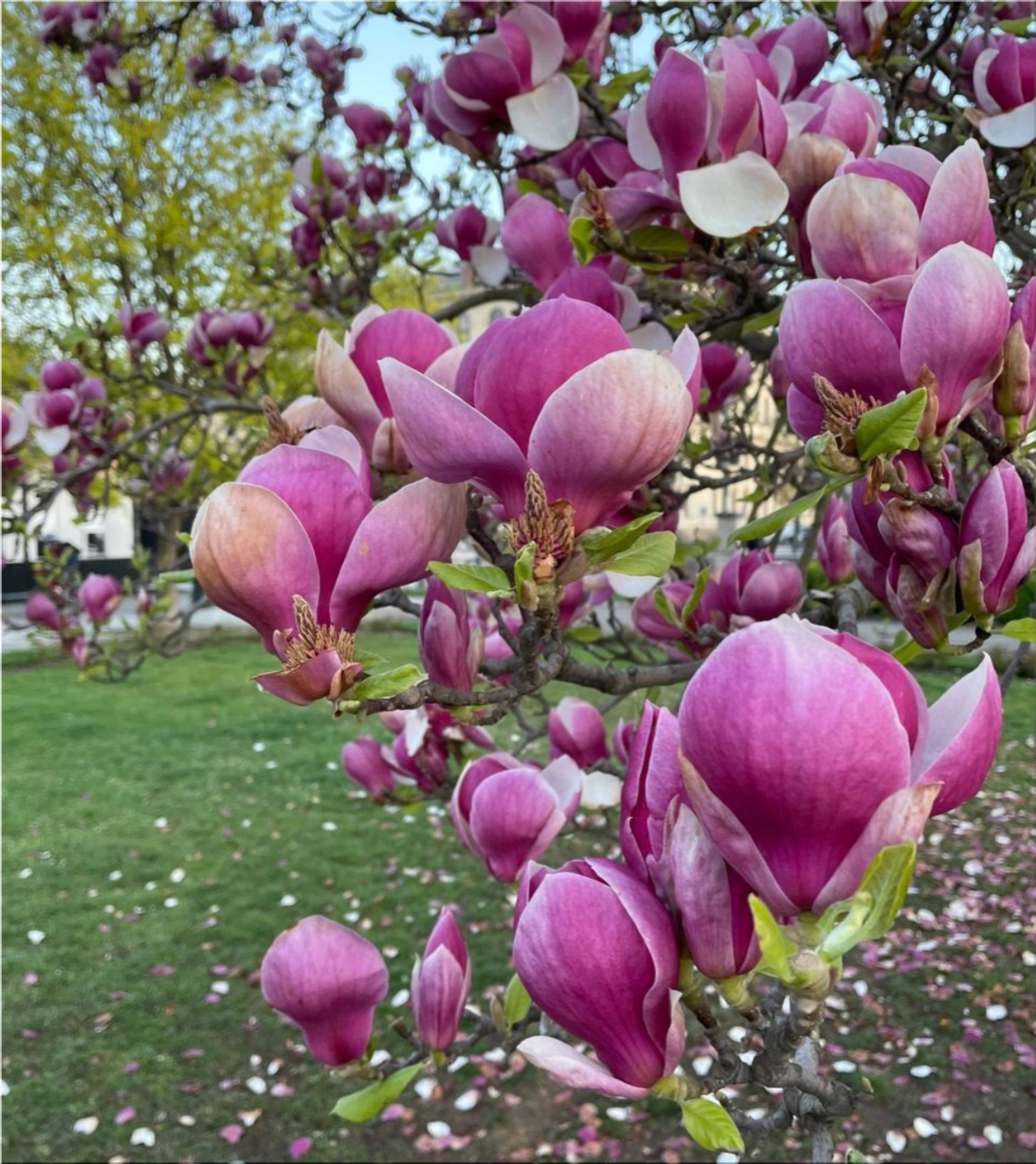
Dogwood and redbud bloom before or around leaf-out from buds formed earlier. If you prune hard before bloom, you strip away the main event. Deciduous magnolia works the same way, and magnolias usually look best with very little interference anyway.
Keep cuts tight and purposeful on these plants. Remove dead wood. Remove rubbing branches. Correct structure on young plants with patience. Do not carve them up just because the calendar hit spring.
The second group to avoid in spring: sap-bleeding trees
Not every "do not prune in spring" warning comes from bloom loss. Some trees simply push a lot of sap as growth starts. Cut them at that point, and they can bleed heavily.
That bleeding often creates a cosmetic mess rather than a death sentence, but timing still matters. Birch, maple, walnut, and a few other trees usually respond better after the spring growth flush, when leaves have fully expanded and hardened.
| Tree group | Spring issue | Better pruning window | Limit |
|---|---|---|---|
| Maples | Heavy sap bleeding | Late spring to early summer after leaf expansion | Remove no more than 25% of live foliage |
| Birches | Heavy sap flow from cuts | Late spring to early summer | Keep cuts light |
| Walnuts / butternuts | Bleeding sap in spring | Late spring to early summer | Avoid large live-wood removal |
| Willows / poplars | Can bleed and push weak regrowth from bad cuts | After growth flush, or use trained arborist timing | Keep structure cuts selective |
Specifically, do not confuse "the tree survived it" with "that was smart timing." A bleeding maple may still leaf out fine, but you still chose a messy, inefficient window.
What you can prune in spring without wrecking the plant
"Never prune in spring" needs one correction. You can still remove problem wood.
Safe spring cuts
- Dead, diseased, or damaged wood can come off right away.
- Small corrective cuts on healthy trees can work if they stay minor.
- Crossing branches that rub and wound bark deserve attention.
- Storm damage should not wait for perfect bloom timing.
The key lies in scale. A few surgical cuts protect plant health. A full reshaping job can wipe out flowers or stress the plant.
Make the cut in the right place
A bad cut can do damage even in the right month.
Use these mechanics:
- Cut small stems about 1/4 inch (6 mm) above an outward-facing bud.
- Do not leave stubs.
- Do not shear every spring bloomer into a tight ball.
- On old lilacs and similar shrubs, take old canes to ground level instead of shortening every branch.
- On trees, avoid heavy live-wood removal in one session.
That sounds basic, but clean cut placement often separates a stronger shrub from one that turns leggy, bare, and bloom-poor.
Pro-Tips for pruning without losing flowers
- Tag bloomers in your phone right after they flower, then schedule pruning for that same week next year.
- If a shrub blooms before mid-June, treat it like an old wood candidate until proven otherwise.
- If you just planted a flowering tree, do less. Young plants need structure, not styling.
- If a dense shrub may hold nests, inspect carefully before cutting. In many places, active nests receive legal protection.
- If you inherited an overgrown shrub, rebuild it over two or three seasons instead of forcing one brutal reset.
What now? Use this spring pruning checklist
Walk your garden once before you touch the pruners.
Ask these questions in order:
- Does this plant flower in spring?
- Did it already set visible buds on older stems?
- Am I cutting for health, or just for appearance?
- Can I wait until right after bloom?
- Would renewal pruning solve the size problem better than shearing?
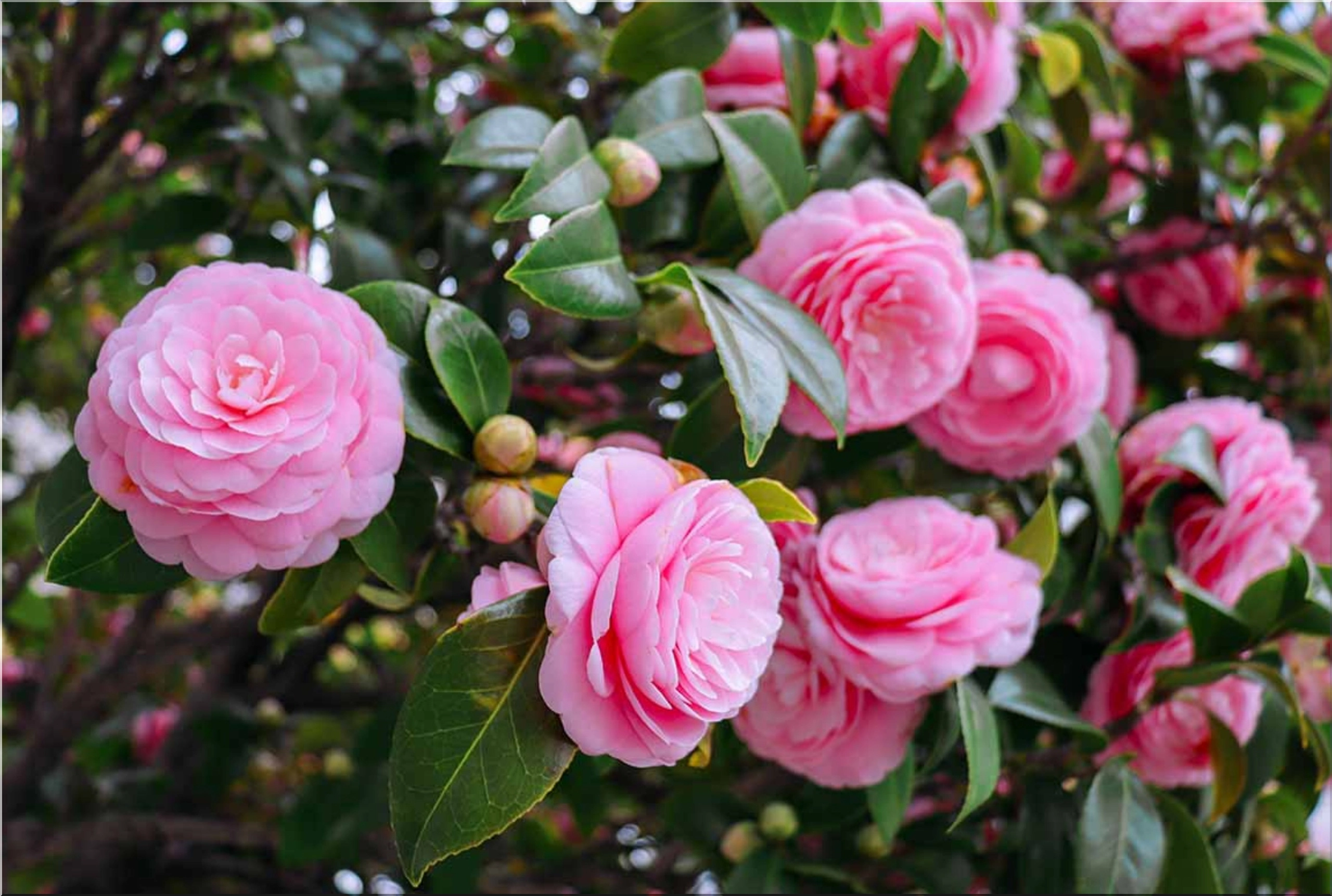
If the plant is a lilac, forsythia, azalea, camellia, weigela, viburnum, bigleaf hydrangea, oakleaf hydrangea, redbud, dogwood, or deciduous magnolia, put the pruners down until the bloom show ends. If the plant is a maple, birch, or walnut, delay non-urgent pruning until after the spring flush.
That one change fixes a huge share of spring pruning mistakes. Your flowers stay on the plant, your cuts do real work, and your garden stops paying the price for bad timing.