A cheap European city break can feel clever, fun, and faintly smug. The trick? Spend less on the dull stuff, skip the obvious money pits, and keep room for coffee, wandering, and one excellent dinner.
Start With the Real Trip, Not the Fantasy Version
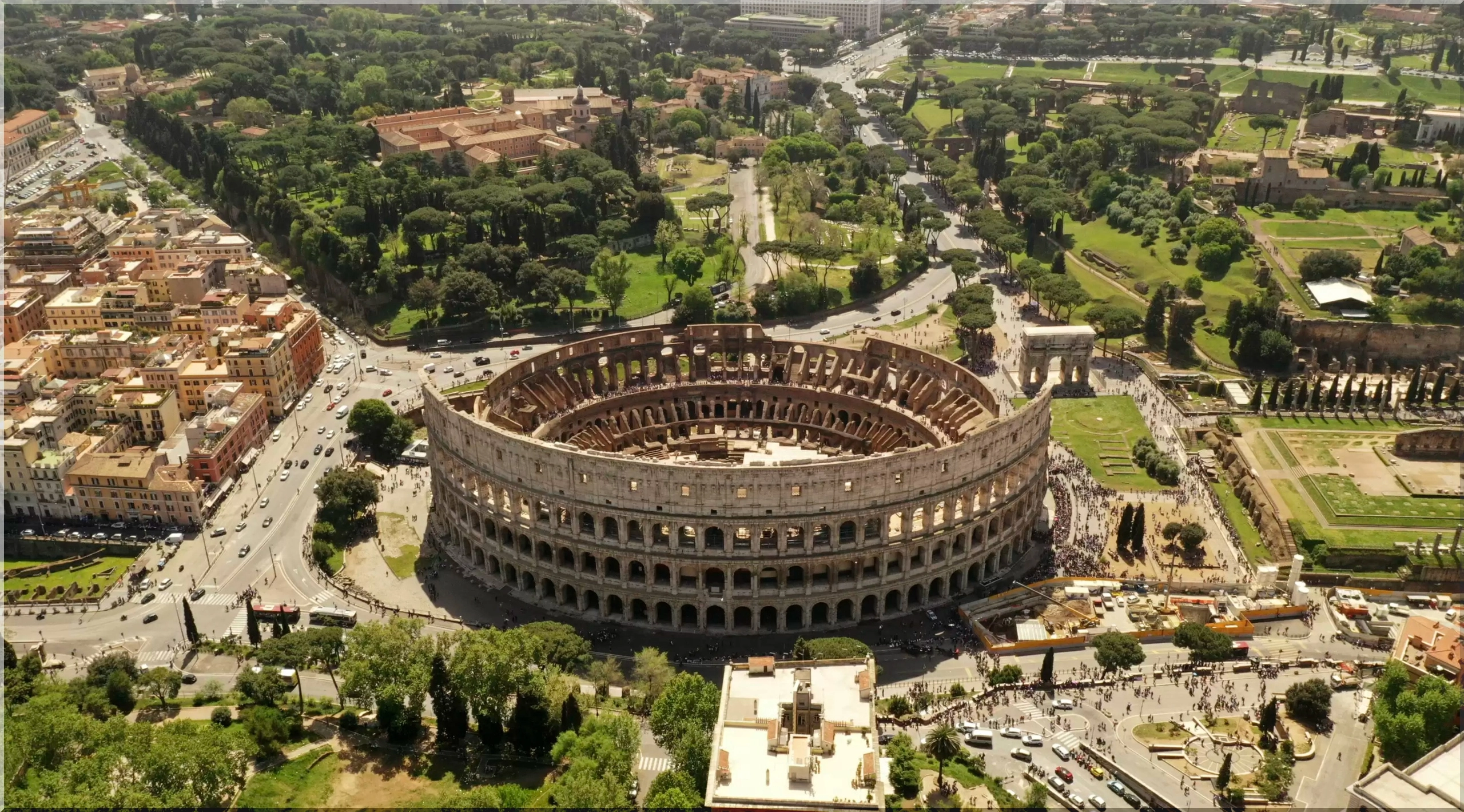
Many short breaks fail before anyone books a flight. People plan three days in Rome, then land late Friday, leave Monday morning, and wonder why their weekend felt like a speed-walking exam.
Start with the hours you actually control. A late arrival gives you dinner, a short walk, and sleep. An early departure gives you an alarm clock, not a holiday. Count full days on the ground, then shape the trip around that number.
For most travelers, a strong European city break on a budget works best across two or three nights. Two nights cut hotel costs and still give you enough time for a compact city. Three nights suit larger places, slower travelers, or anyone who hates packing under pressure.
What Counts as a Cheap European City Break?
A cheap European city break pairs low daily costs with smart choices around location, transport, food, and timing. The cheapest trip does not always mean the lowest flight price. It means the final bill still looks friendly after meals, transfers, activities, snacks, taxes, and those mysterious little purchases nobody admits buying.
That fridge magnet did not buy itself.
Pick the City by Total Cost, Not the Flight Alone
A $39 flight can lie to your face. It may land miles from the city, arrive near midnight, and force you into a taxi that costs more than dinner. It may also take you to a city where hotels, coffee, museums, and simple meals drain your budget by lunchtime.
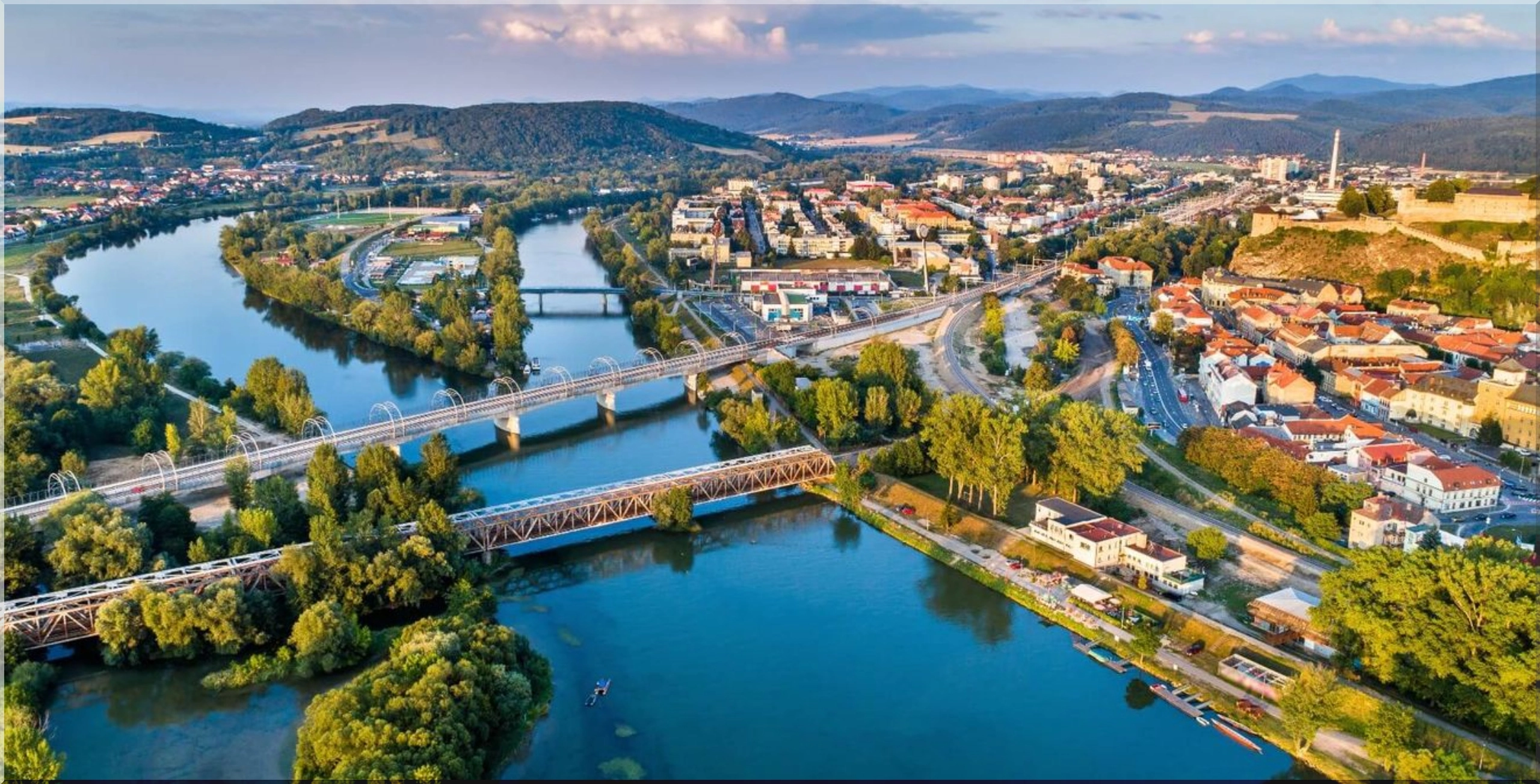
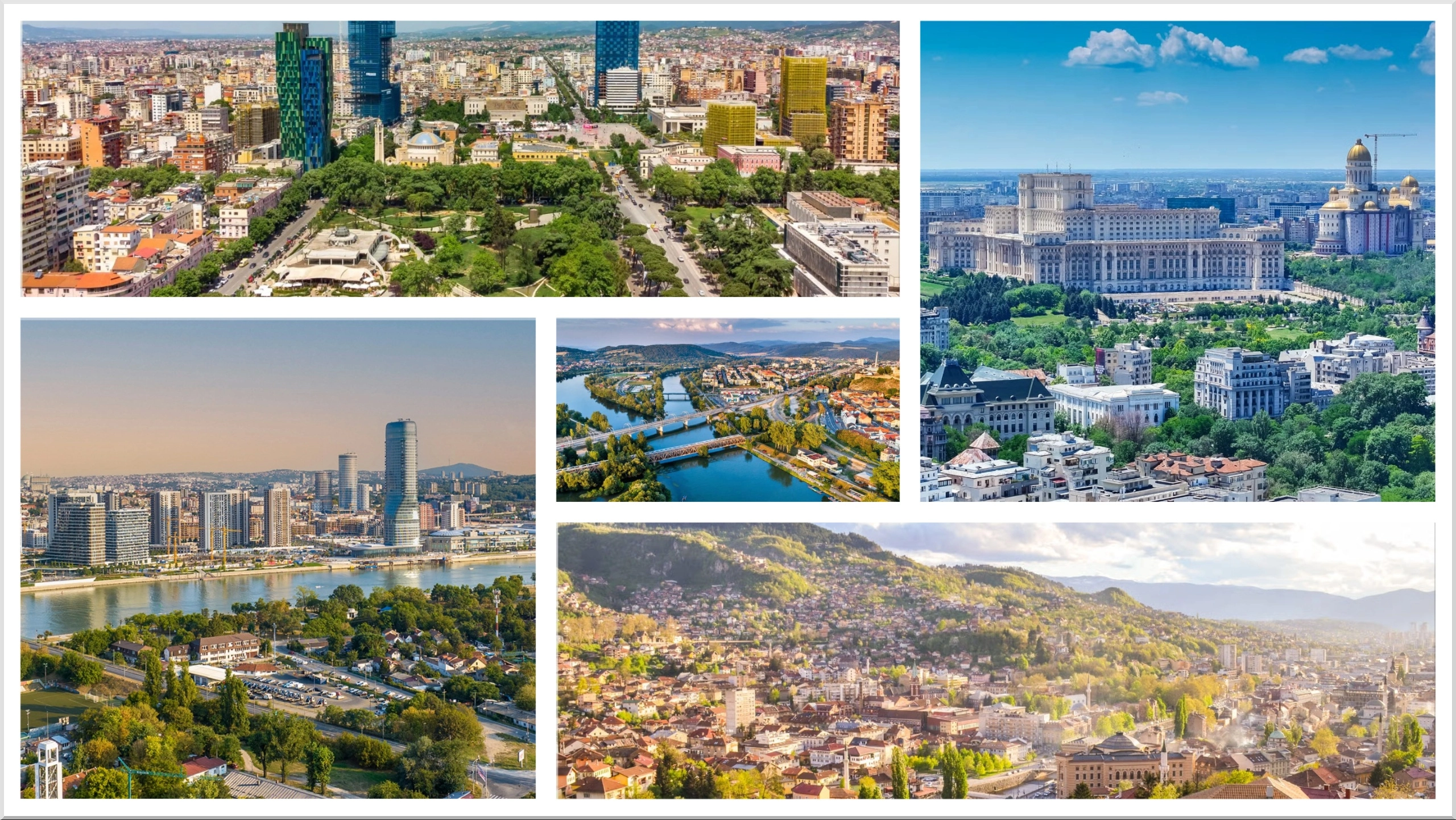
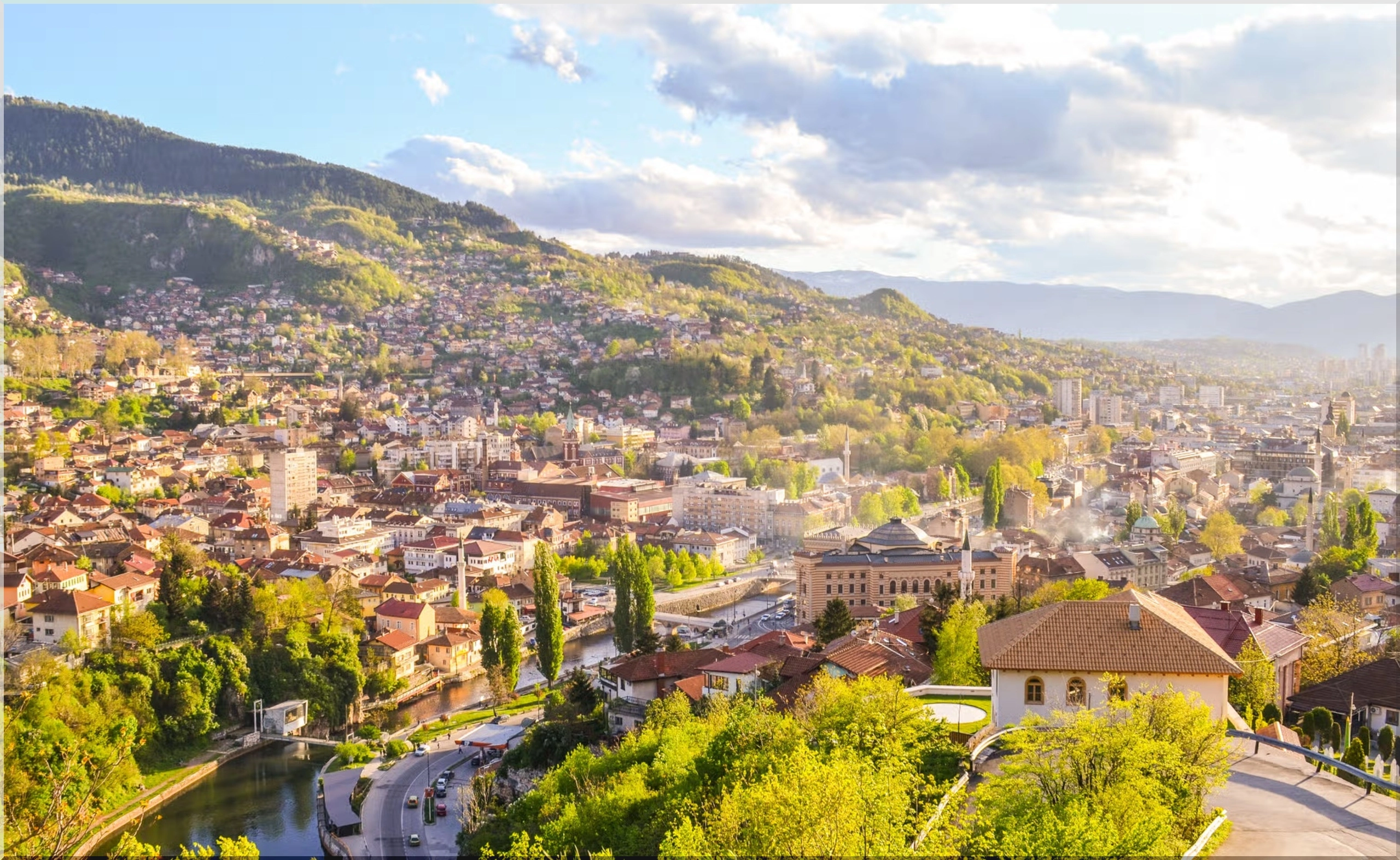
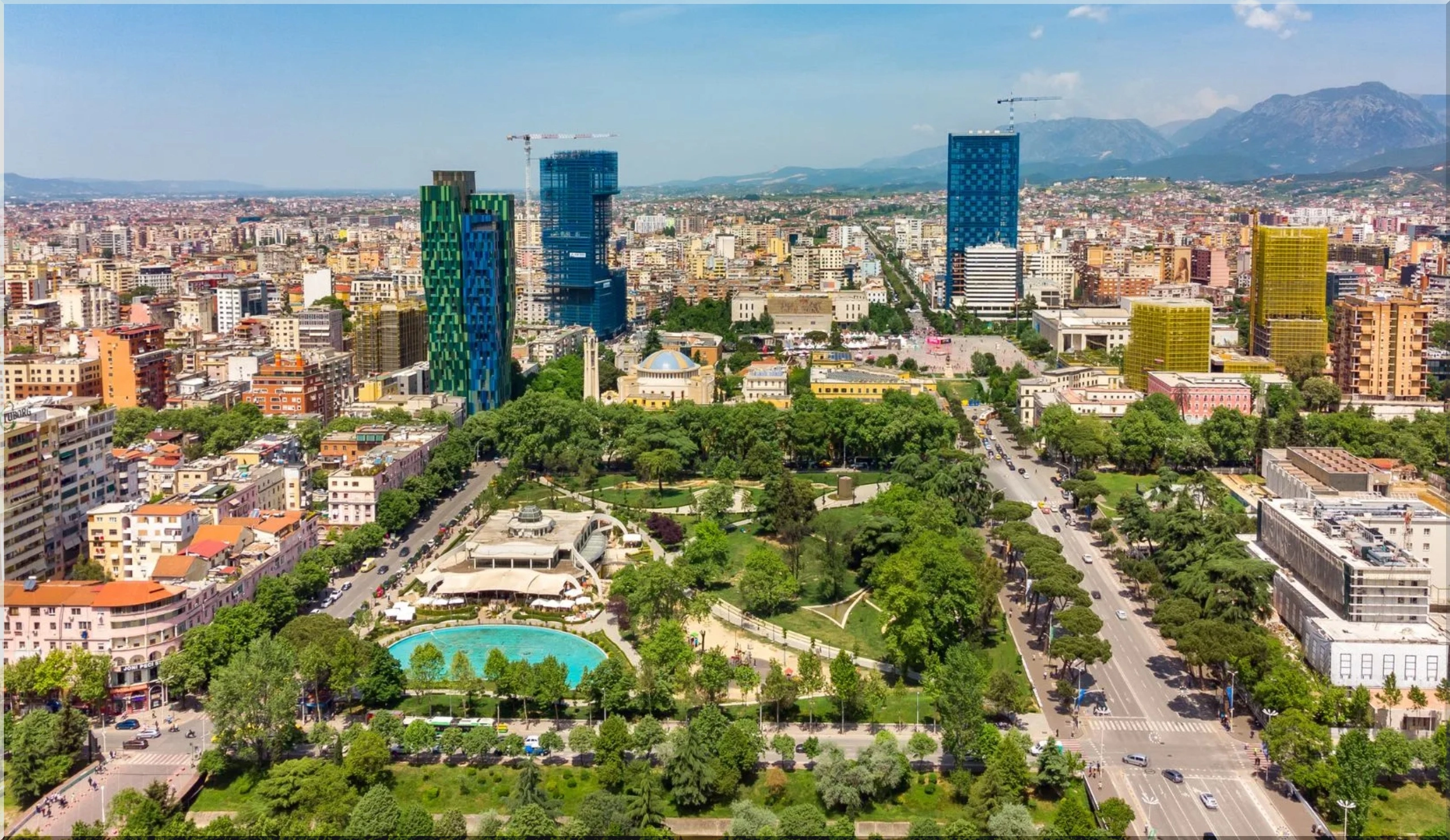
Better value often comes from cities where local costs stay low after arrival. For 2026, Post Office Travel Money compared 12 common short-break costs for two people across 50 European cities, including lodging, meals, drinks, transport, attractions, and airport transfers. Its best-value list favored Sarajevo, Bucharest, Tirana, Belgrade, and Trencin.
| City | Why it works for a budget break | 2026 two-person cost |
|---|---|---|
| Sarajevo, Bosnia and Herzegovina | Low food, transport, and attraction costs | About $330 |
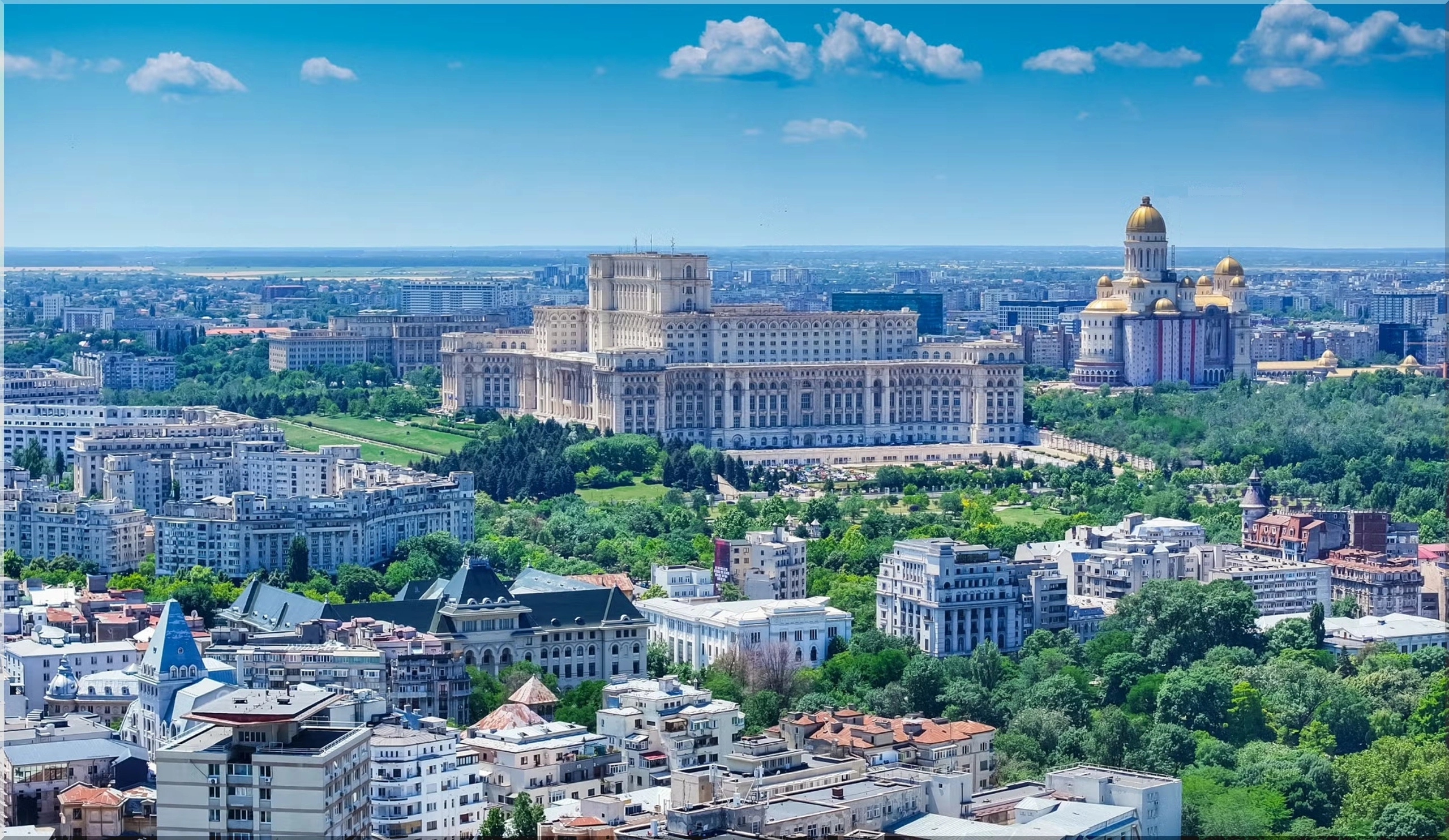
| Bucharest, Romania | Good value lodging, parks, cafes, and nightlife | About $343 |
| Tirana, Albania | Lower lodging costs and easy cafe hopping | About $350 |
| Belgrade, Serbia | Strong food scene, river walks, and lower daily spend | About $352 |
| Trencin, Slovakia | Smaller scale, walkable center, low meal costs | About $362 |
This list does not mean you must ignore Paris, Amsterdam, Barcelona, or Venice. It means you should price the whole trip before you fall in love with a cheap fare. Romance feels less romantic when breakfast costs more than the flight.
Choose a Base That Saves Time and Cash
Your hotel area can make or ruin a budget European city break. A cheaper room far from the center may cost you extra time, extra transport, and extra patience. Nobody needs a tram, a bus, and a mild identity crisis before breakfast.
Choose your base by asking four plain questions:
- How will I get from the airport or station to the room?
- Can I walk to dinner without using a taxi?
- Will the area feel pleasant after dark?
- Can I reach my main plans without crossing the city twice?
A slightly pricier room in the right area can beat a cheaper room at the edge of town. You spend less on transport, lose fewer hours, and enjoy the city each time you step outside.
The Sweet Spot: Close, But Not on the Main Square
The main square often charges a convenience tax with a side of laminated menus. Stay nearby instead. Look for streets 10 to 20 minutes on foot from the highest-demand area, near public transport, bakeries, local cafes, and a supermarket.
This small shift can cut meal costs, reduce noise, and place you closer to daily local life. It also helps you dodge restaurants that sell "authentic local pasta" in eight languages, three of them misspelled.
Build a Simple Two-Day Plan
A city break should not feel like a task list with a passport. Plan a few anchors, then leave space between them. You will spend less, walk more, and make better choices when hunger strikes.
Try this two-day rhythm:
- Pick one paid activity for each full day.
- Add one free area walk near that activity.
- Choose one dinner spot before you travel.
- Leave one afternoon loose.
- Keep the final morning easy and close to your room.
This plan gives the trip shape without squeezing out the good bits. You know where the day starts, but you still leave room for a market, a river path, a bakery window, or a museum you spot by chance.
Book the Right Things Early
Book activities early when a time slot truly helps: major museums, small guided walks, concerts, train seats, and restaurants with limited tables. Skip early booking when the city has many similar boat tours, walking tours, or day trips at similar prices.
A smart rule: fix the scarce things, keep the common things flexible. That protects your budget and your mood.
Spot Tourist Traps Before They Eat Your Budget
Tourist traps rarely announce themselves with a tiny villain laugh. They look convenient. They sit near famous sights. They wave menus with flags, photos, and promises of "best local food."
Use these signs to step away:
- A staff member pulls you in from the pavement.
- The menu shows hundreds of dishes across many cuisines.
- Prices hide behind vague phrases.
- The place faces a major landmark and has empty tables at peak time.
- Reviews praise the view but say little about the food.
You do not need a secret map. Walk five streets away from the main sight, then check where locals sit, eat, and talk. A bakery breakfast, a market lunch, and one good dinner can beat three average meals in premium spots.
Eat Well Without Paying the Tourist Tax
Food creates a big share of European city break budget pressure, yet it also gives you the easiest wins. Start with breakfast from a bakery or supermarket. Grab lunch from a market, cafeteria, or casual local place. Save your sit-down budget for dinner.
This pattern keeps the trip fun without turning every meal into a spreadsheet. It also gives you permission to buy the pastry. Buy the pastry.
Use Public Transport Like a Local
Airport transfers can punish lazy planning. Many cities offer trains, buses, metro links, or shared transit cards that cost far less than taxis. Check routes before departure, screenshot the details, and know the last service time if you land late.
Once in the city, walking often wins. Compact European cities reward slow feet with side streets, parks, bridges, and shops you would miss from a tour bus. Use public transport for longer hops, bad weather, tired legs, or late nights.
Before buying a pass, compare it with your real plan. A 48-hour card helps when you will take many rides. Single tickets may cost less when your hotel sits close to the main areas.
Travel Off-Peak and Midweek When You Can
Timing shapes the price almost as much as the city. Friday-to-Sunday trips cost more because everyone wants them. School breaks, major concerts, sports events, bank holidays, and festival weekends can push rooms into silly territory.
Try Tuesday to Thursday, Saturday to Monday, or Sunday to Tuesday. These patterns often give you better room rates and calmer streets. Spring and autumn usually bring mild weather, lower demand, and fewer queues than peak summer.
Before booking, search the city event calendar. A medical conference or football final can turn a budget room into a financial prank.
Keep One Daily Budget Number
You do not need a complicated travel spreadsheet. Set one daily spending number for food, local transport, attractions, and extras. Then set lodging and transport to the city as separate items.
Use this quick budget method:
- Set your total trip cap.
- Remove flights or train tickets.
- Remove lodging.
- Divide the rest by the number of full and partial days.
- Add a small buffer for delays, snacks, and impulse gelato.
A buffer saves the mood. It also stops one small surprise from turning the whole trip into mental accounting.
Pack Light, Pay Less, Move Faster
Budget airlines make bags a business model. A carry-on backpack can save fees, speed up airport exits, and spare you from dragging a tiny suitcase over ancient paving stones.
Bring shoes you can walk in, layers that match the weather, a refillable bottle where tap water suits visitors, and a small day bag.

Choose Value, Not Punishment
A cheap trip should still feel like a break. Cutting every cost can turn a fun escape into a survival drill with pastries. Pick one or two paid things that will make the trip feel rich.
Maybe you choose a museum, a food walk, a thermal bath, a rooftop drink, or a small concert. Then save elsewhere with public transport, bakeries, free viewpoints, and a hotel area that works hard for you.
The best affordable European city breaks do not come from spending nothing. They come from spending on purpose.
Your Next Steps for a Smarter Cheap European City Break
Choose three possible cities, then price each one by total trip cost rather than flight fare alone. Check lodging location, airport transfers, local food costs, and two activities you truly want. Pick the city that gives you the best mix of price, ease, and actual pleasure.
Then plan lightly. Book the scarce items. Walk away from tourist-trap menus. Eat the pastry. Leave one afternoon open, because a good city break needs a little breathing room.