Summer gets the postcards. Shoulder season travel in Europe gets the smarter trip. Go in late spring or early fall and a lot of the usual travel annoyances start to fade. Hotel prices often soften. Lines shrink. Side streets feel like actual streets again. You can sit at a cafe without feeling like you joined a slow-moving parade with backpacks.
Better still, many parts of Europe still serve up mild days, long sightseeing hours, and enough sunshine to make your camera feel useful.
That is the core appeal of shoulder season travel. You do not give up the good parts of Europe. You just dodge some of the expensive, sweaty, shoulder-to-shoulder chaos.
What Shoulder Season Means in Europe
In most of Europe, shoulder season usually falls in these windows:
- April to early June
- September to late October
Those dates shift a bit by country, coast, and altitude. Norway does not play by the same weather rules as southern Spain, and a Greek island in October behaves very differently from Prague in November. Still, the pattern holds. These months often hit a sweet spot between price, crowd levels, and comfort.
Peak summer still pulls the biggest crowds. Recent European tourism data shows that travel demand stays heavily concentrated in summer, with June through September carrying a large share of longer trips. That leaves spring and early fall as the months when smart timing can still buy you breathing room.
Why Shoulder Season Travel Works So Well
The value is not just lower prices. It is the full math of the trip.
You usually pay less
Airfare and hotel rates often ease outside the height of school-holiday demand. You may not land rock-bottom winter deals, but you can often do far better than July and August.
You waste less time in lines
A city feels very different when you can move through it without standing in a queue every 40 minutes. Museums, landmarks, ferries, and scenic train routes all feel easier when the crowds thin out.
You get more comfortable sightseeing weather
Walking a city for six hours feels very different at 68 to 75 degrees Fahrenheit than at 95. That is about 20 to 24 degrees Celsius for travelers who prefer their conversions without drama.
You get a better read on the place
In shoulder season, the trip feels less like a theme park operating at full tilt. Markets, neighborhoods, and restaurants often feel more grounded.
The Best Months for Shoulder Season Travel in Europe
Not every month carries the same value. Some months look good on paper and then run straight into spring rain, holiday crushes, or closed seasonal services.
Spring shoulder season
April and May work well for city breaks, food trips, and scenic routes. Flowers are out, days get longer, and many destinations feel lively without going full summer.
Early June can still work in some places, though prices and crowd levels often start climbing fast.
Fall shoulder season
September may be the strongest all-around month in Europe. Sea temperatures still suit coastal breaks in the south, cities cool down, and major sights often feel easier to manage.
October can also be excellent, mainly in southern Europe. You trade some beach certainty for lower prices, harvest-season food, and lighter foot traffic.
Where Shoulder Season Travel Works Best
Some places shine brighter than others once you move out of high summer.
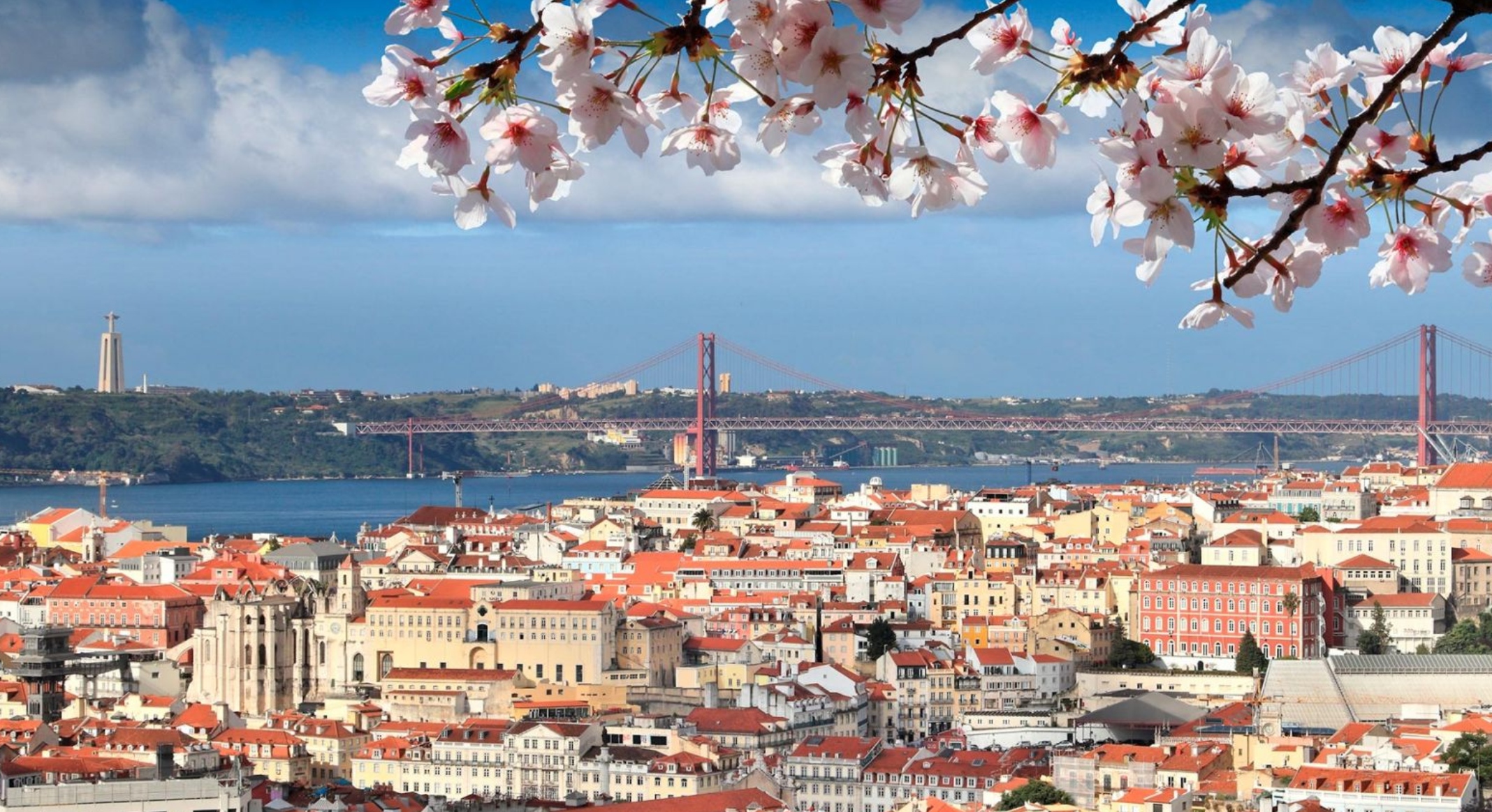
Best bets for spring
- Lisbon
- Porto
- Seville
- Rome
- Florence
- Amsterdam
- Paris
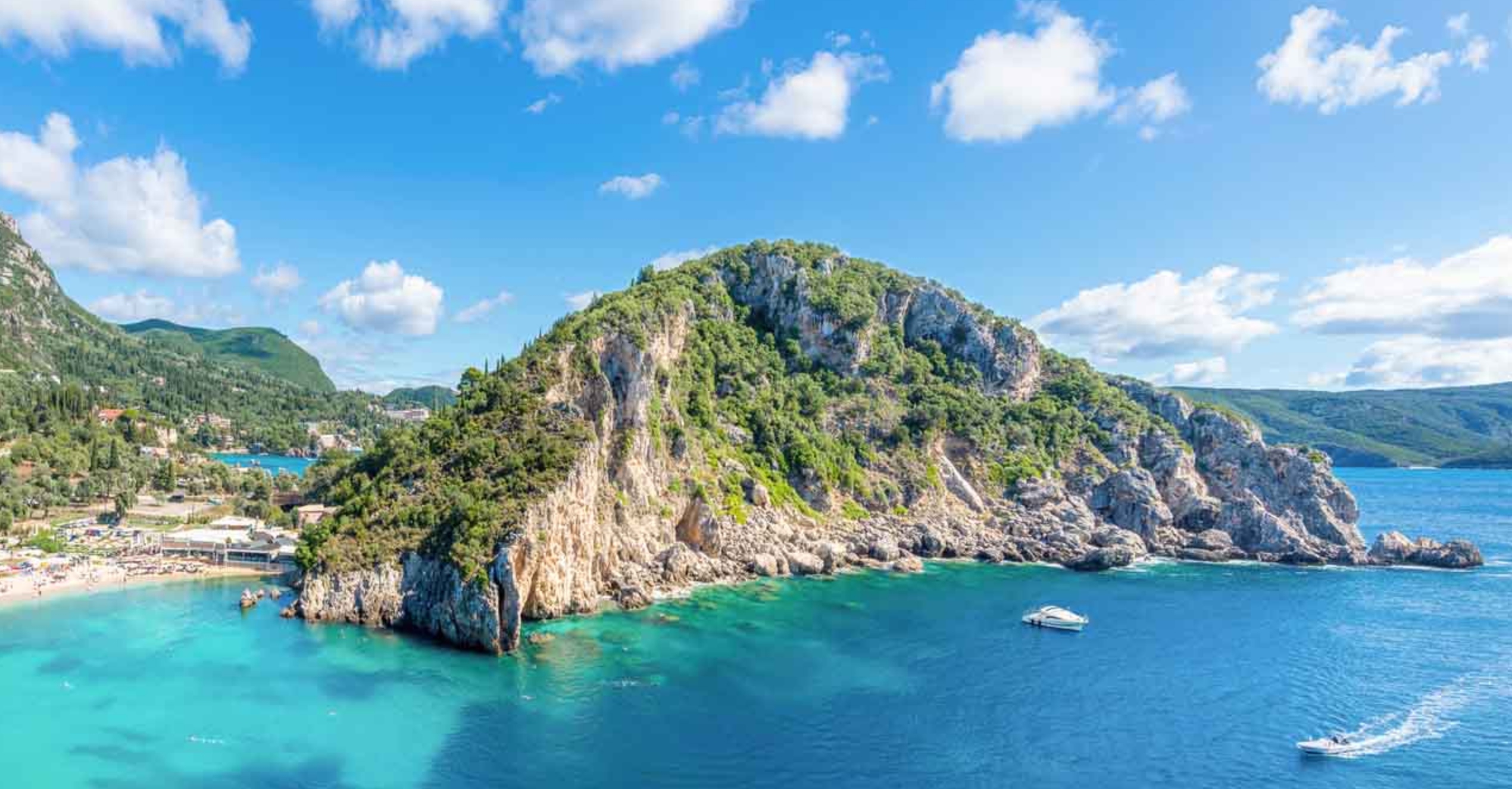
- Croatia's coastal towns before summer crowds arrive
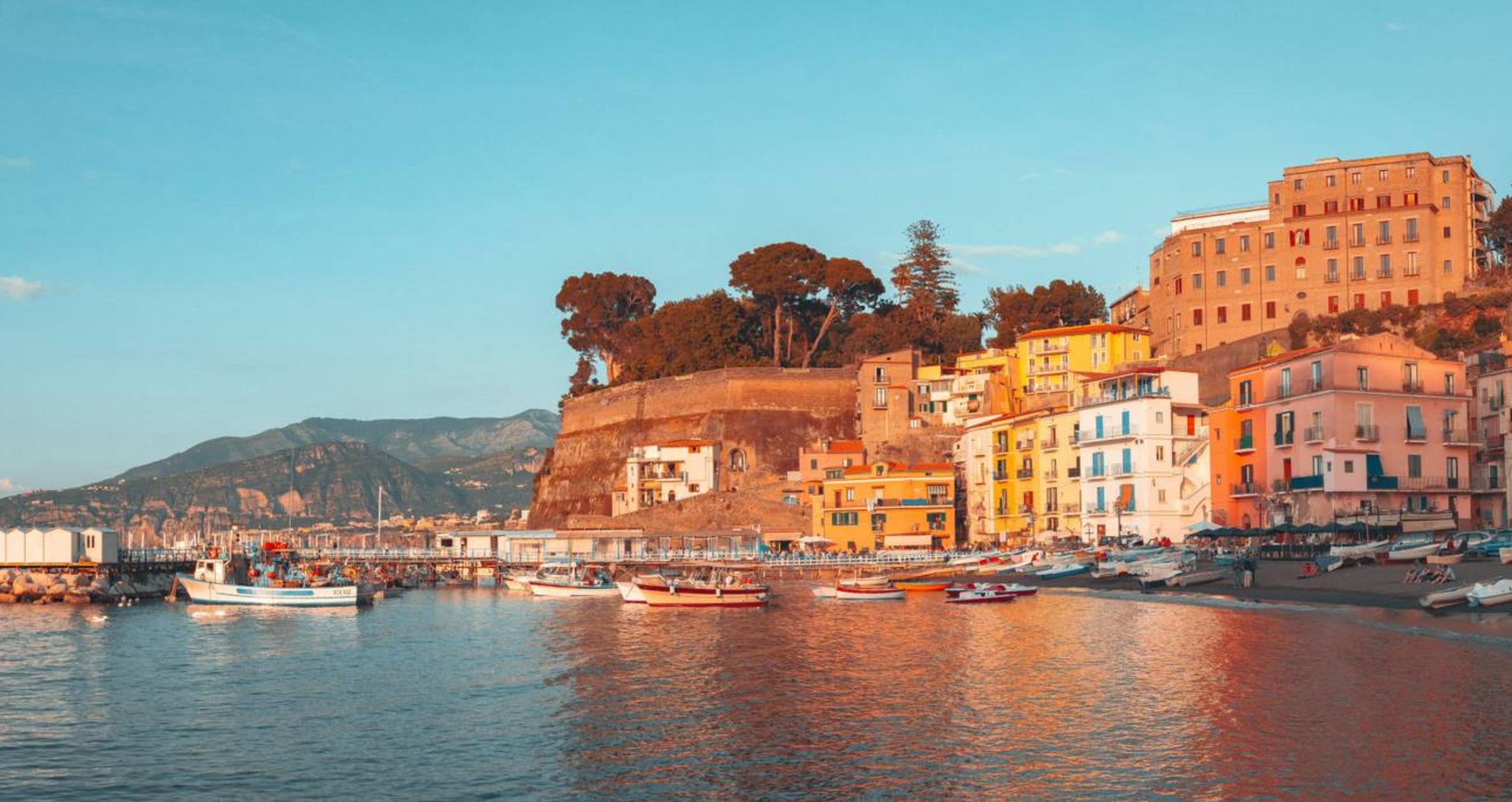
Best bets for early fall
- Barcelona
- Valencia
- Sicily
- the Algarve
- Dubrovnik and Split
- Athens
- the Greek islands with longer seasons
- southern Italy
Cool-weather shoulder season picks
If you want crisp air instead of beach weather, look north.
- Oslo
- Bergen
- fjord regions in Norway
- Copenhagen
- Stockholm
- Edinburgh

These places often work best in May, early June, late August, and September.
A Quick Europe Shoulder Season Cheat Sheet
| Destination type | Best shoulder window | Why it works |
|---|---|---|
| Southern Europe cities | April-May, September-October | Mild days, easier walking, fewer crowds |
| Mediterranean beach towns | May, September, early October | Better rates, warm water in fall, less crowding |
| Central Europe city breaks | April-May, September | Pleasant temperatures, strong sightseeing conditions |
| Nordic cities and fjords | May, early June, late August-September | Longer days, open services, lighter demand than peak summer |
How to Save Money Without Wrecking the Trip
A cheaper trip still needs good timing. Go too early, and you may run into limited ferry schedules or half-awake resort towns. Go too late, and you may lose daylight and key seasonal services.
Use these rules
- Fly midweek when possible. Tuesday and Wednesday departures often price better than Friday flights.
- Stay just outside the tourist core. A hotel one or two metro stops out can cut costs fast.
- Book cities and coastlines differently. Cities can work well in April and October. Beach trips usually do better in May, September, or early October.
- Watch school-holiday periods. Prices can spike even in shoulder season.
- Price open-jaw trips. Flying into one city and out of another can save time and trim backtracking.
A lot of travelers fixate on airfare and miss the larger savings. A trip with lower hotel rates, fewer taxi rides, and less time lost in lines often delivers the better deal even if the ticket price only drops a little.
How to Skip Crowds Without Hiding in Your Hotel
You do not need a secret map and a fake name. You just need better timing.
Plan your days like this
- Visit major sights at opening time
- Save crowded squares and shopping streets for early evening
- Book top museums in advance even in shoulder season
- Use secondary airports only if the ground transfer still makes sense
- Stay overnight in smaller cities instead of day-tripping with everyone else
Pro tip: A shoulder season trip still needs reservations in popular places. Rome, Barcelona, Amsterdam, and Lisbon do not suddenly become empty because you showed up in October feeling clever.
How to Get Great Weather and Avoid Bad Surprises
This part needs plain talk. Great weather in Europe during shoulder season does not mean perfect weather every day.
Spring can bring showers. Fall can bring cooler evenings. Northern Europe can shift moods faster than a budget airline gate assignment. Still, many official tourism boards across Portugal, Spain, Italy, Croatia, and Norway point to spring or fall as prime periods for city breaks, coastal drives, hiking, and scenic travel because the temperatures often feel milder and more comfortable than summer highs.
Weather rules that hold up
Pick the south for late fall
Southern Portugal, southern Spain, Sicily, and parts of Greece often stay pleasant longer.
Pick central Europe for late spring
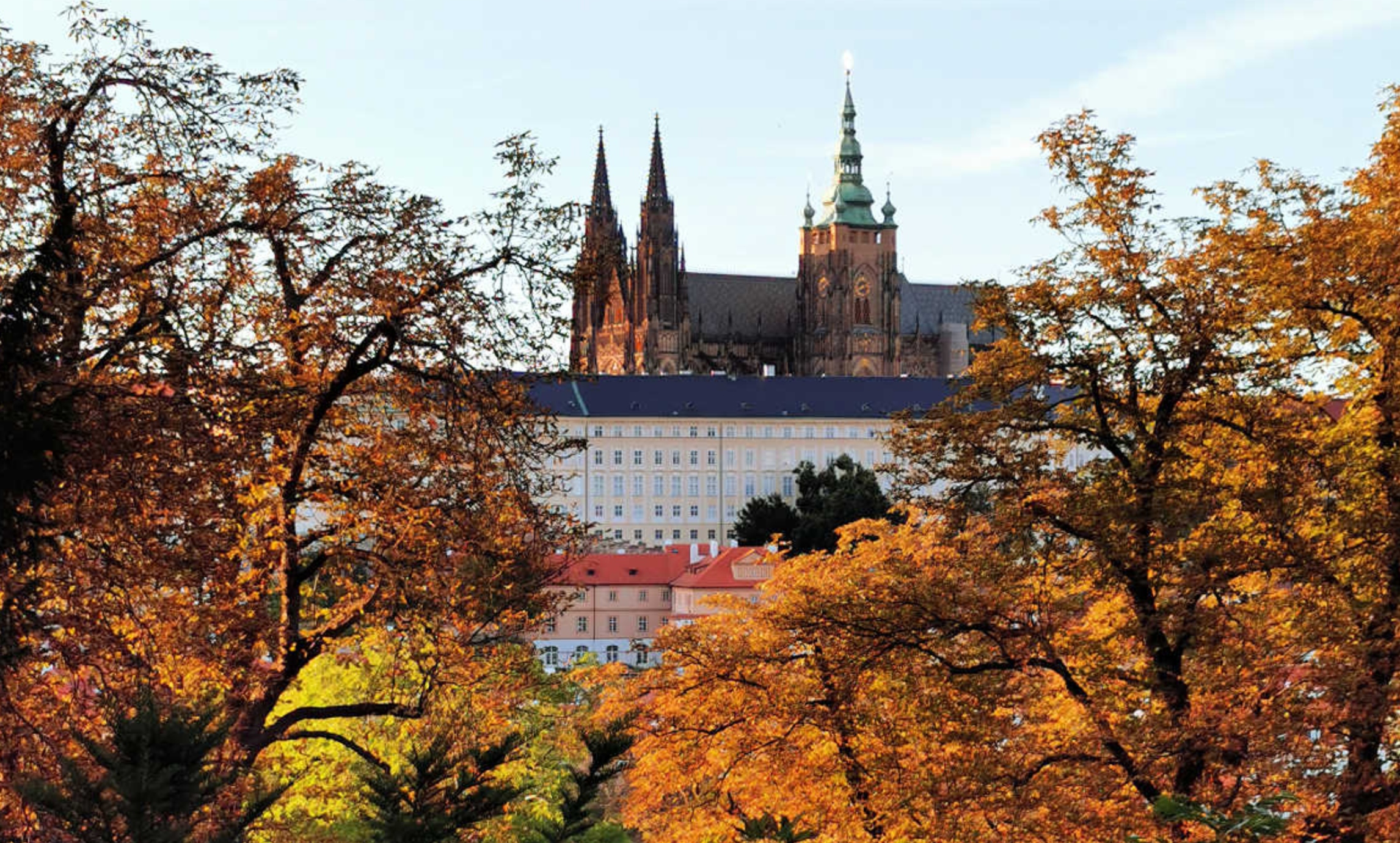
Paris, Vienna, Prague, and Amsterdam often feel best before peak summer crowds roll in.
Pick the north for late spring or early fall
Norway and other Nordic areas usually do best when days still stay fairly long and services remain fully open.
Best Shoulder Season Trips by Travel Style
For city lovers
Go in April, May, September, or October. Cities like Lisbon, Rome, and Seville feel easier on foot, and cafe culture makes more sense when you are not melting into the chair.
For beach travelers
Go in May, September, or early October. Southern Europe still offers strong beach weather in many spots, mainly around Portugal, Spain, southern Italy, and parts of Greece.
For food and wine trips
Go in September and October. Harvest season brings real energy to wine regions, markets, and rural stays.
For scenic drives and rail trips
Go in May or September. You get good light, manageable roads, and strong scenery without the dead-center summer crush.
Common Shoulder Season Mistakes
People love the idea of shoulder season and then sabotage it with one or two bad assumptions.
Mistake 1: Booking a beach town too early
A coastal resort in April may look cheap for a reason. Some restaurants, ferries, or beach clubs may still be on reduced service.
Mistake 2: Assuming all of Europe stays warm in October
It does not. Southern Europe often works well. Northern and central areas can turn cooler fast.
Mistake 3: Ignoring local festivals and holidays
A great-value week can become a pricey mess if it lands on a huge holiday stretch.
Mistake 4: Packing for one weather mood
Shoulder season rewards layers. It punishes optimism.
A Sample 10-Day Shoulder Season Plan
Here is one simple way to use the strategy well.
Southern Europe in late September
- Fly into Lisbon
- Spend three nights in the city
- Take the train north for Porto
- Stay two nights
- Fly to Valencia or Barcelona
- Spend three nights by the coast
- Leave one day loose for weather or a side trip
- Fly home from your final city
This kind of route keeps travel days light, mixes city time with coastal time, and uses regions that often still hold onto very good weather in late September.

What to Do Next
Start with your goal, not the map. Decide what you want most: lower costs, lighter crowds, beach weather, museum days, or food and wine. Then match that goal to the right month and region.
If you want the safest all-around play, aim for May, September, or early October. Those windows often give you the best shot at cheap Europe travel, lighter crowds, and comfortable weather without forcing you into the dead of winter or the chaos of peak summer.
That is the quiet charm of shoulder season travel in Europe. You still get the cathedrals, coastlines, train rides, seafood, old streets, and long lunches. You just get more room to enjoy them.