Waking up in another European city sounds lovely. Spending the night negotiating elbow space with a stranger sounds less lovely. Your ticket decides which version you get. For a first trip, a couchette offers a useful starting point: somewhere to lie flat without paying for the highest comfort tier. A sleeper buys extra comfort, while a seat puts the budget first. The trick lies in checking what each operator actually sells.
Seat, Couchette and Sleeper: The Real Differences
A berth means one sleeping place on a train. Booking one berth does not automatically give you the whole compartment.
Across night trains in Europe, these categories describe sleeping arrangements rather than identical products. Read the details for your specific departure.
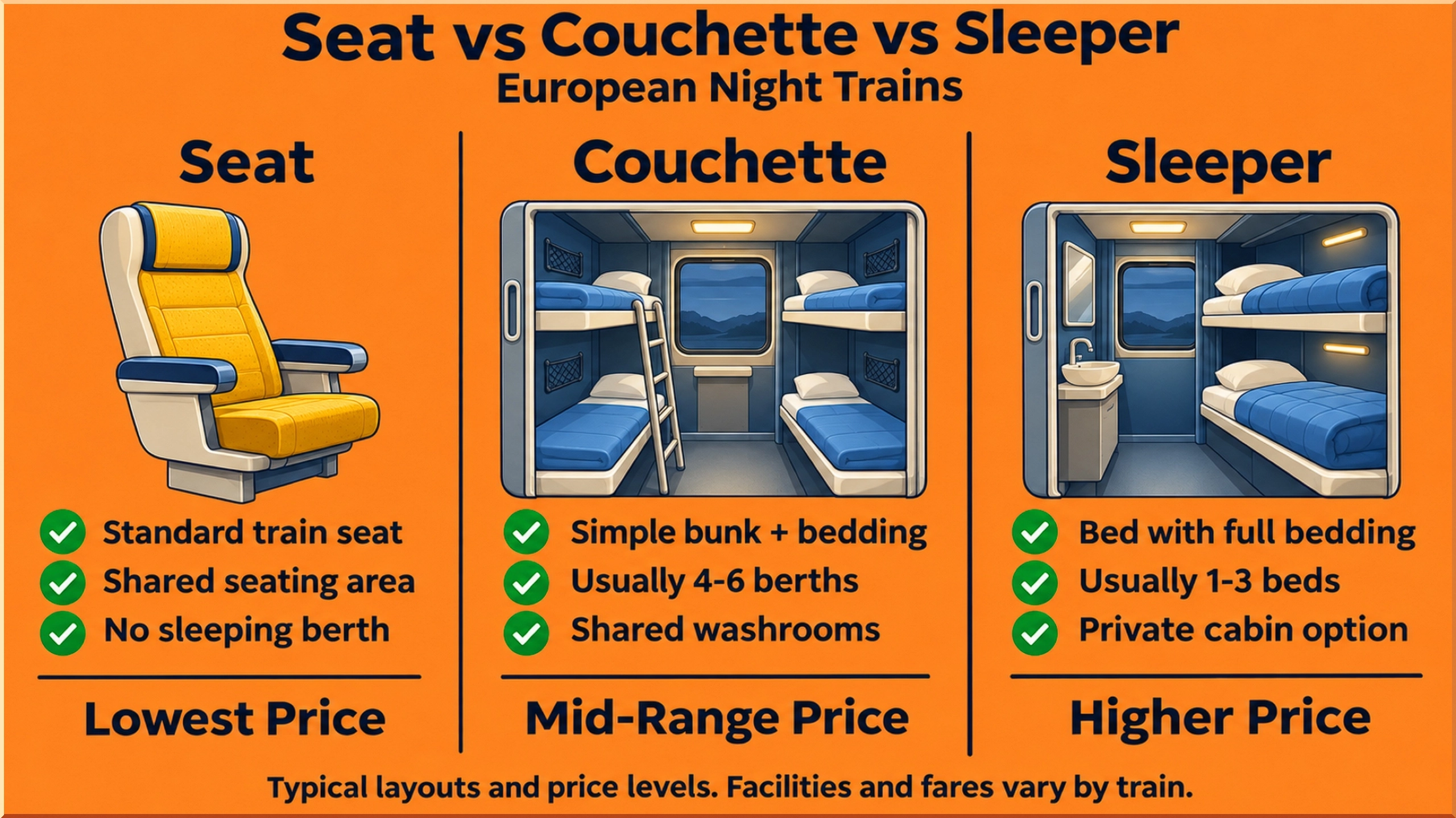
| Option | Sleeping space | Privacy | Bathroom |
|---|---|---|---|
| Seat | Upright or reclining seat, depending on train | Shared carriage or compartment | Shared |
| Couchette | Padded bunk with bedding | Usually shared; private bookings may exist | Usually shared |
| Sleeper | Bed with mattress and bedding | Shared or private, depending on booking | Washbasin or private bathroom; varies |
| Nightjet Mini Cabin | Individual sleeping pod | Enclosed space within a shared coach | Shared |
Count the people as carefully as the beds. A three-berth sleeper with strangers offers a different night from a compartment you occupy alone.
When Does a Seat Make Sense?
A seat suits a tight budget and someone who already sleeps comfortably sitting up. It also helps if your next day allows a slow start. It makes a weaker choice before an early meeting or a full sightseeing schedule.
Nightjet offers seats in six-person compartments or open coaches, depending on the train. Its newer open coaches have reading lights and headrests, but those comforts still leave you sleeping in a seat.
Before choosing the cheapest fare, picture the middle of the night. Other passengers may board, lights may interrupt sleep, and a nearby conversation may outlast your patience.
Bring a neck pillow if you use one at home. Do not count on stretching across empty seats. Other passengers may claim them later.
Check usable sleep time, too. A nine-hour ride does not give you nine hours of sleep. Allow for settling in, ticket checks and breakfast. If the timetable leaves only a short rest window, a daytime departure and a hotel may suit your plans better.
Why a Couchette Works for Many First Trips
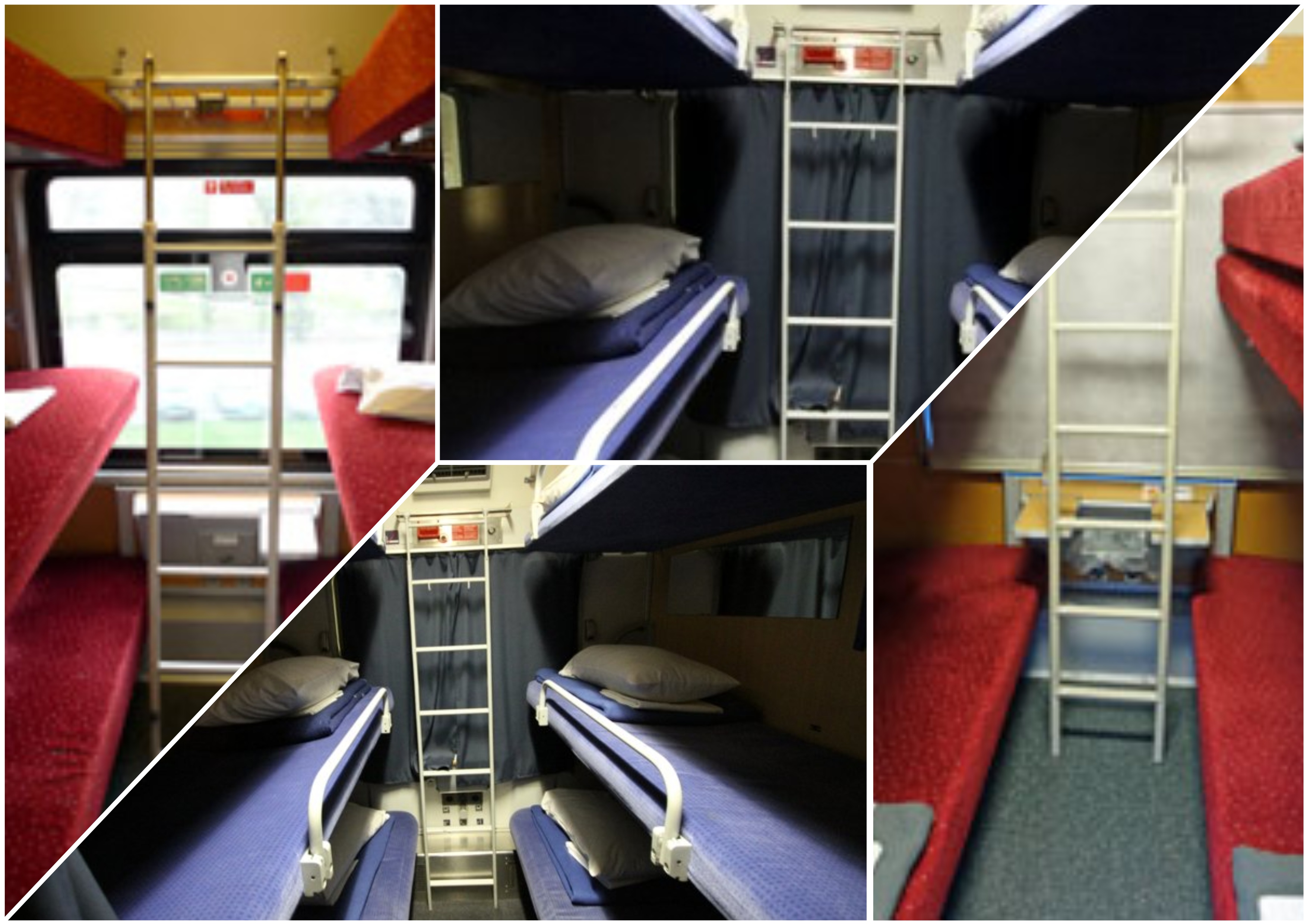
A couchette gives you the biggest practical change from a seat: you can lie flat. Expect a compact bunk and shared space rather than a hotel bedroom.
European Sleeper's Classic class uses compartments for four, five or six passengers. The operator supplies a sheet, blanket, pillow and mineral water. Toilets and washrooms sit along the corridor. Breakfast costs extra.
Nightjet's couchettes come with bedding and a light breakfast. Its comfort couchettes accommodate up to four passengers. Check the exact category rather than assuming every carriage uses the same layout.
Before paying, check:
- Occupancy: How many people can share the compartment?
- Berth position: Can you select a lower bunk?
- Privacy: Does the booking cover one berth or the entire compartment?
- Meals: Does breakfast come with your ticket?
A lower berth avoids an upper-bunk climb. An upper berth may appeal if you prefer distance from corridor activity. Neither choice guarantees quiet neighbors.
If you prefer a women-only compartment, check that specific booking choice. Nightjet and European Sleeper offer these spaces in certain categories. Selecting a standard shared berth does not make the same request.
What Do You Gain With a Sleeper?
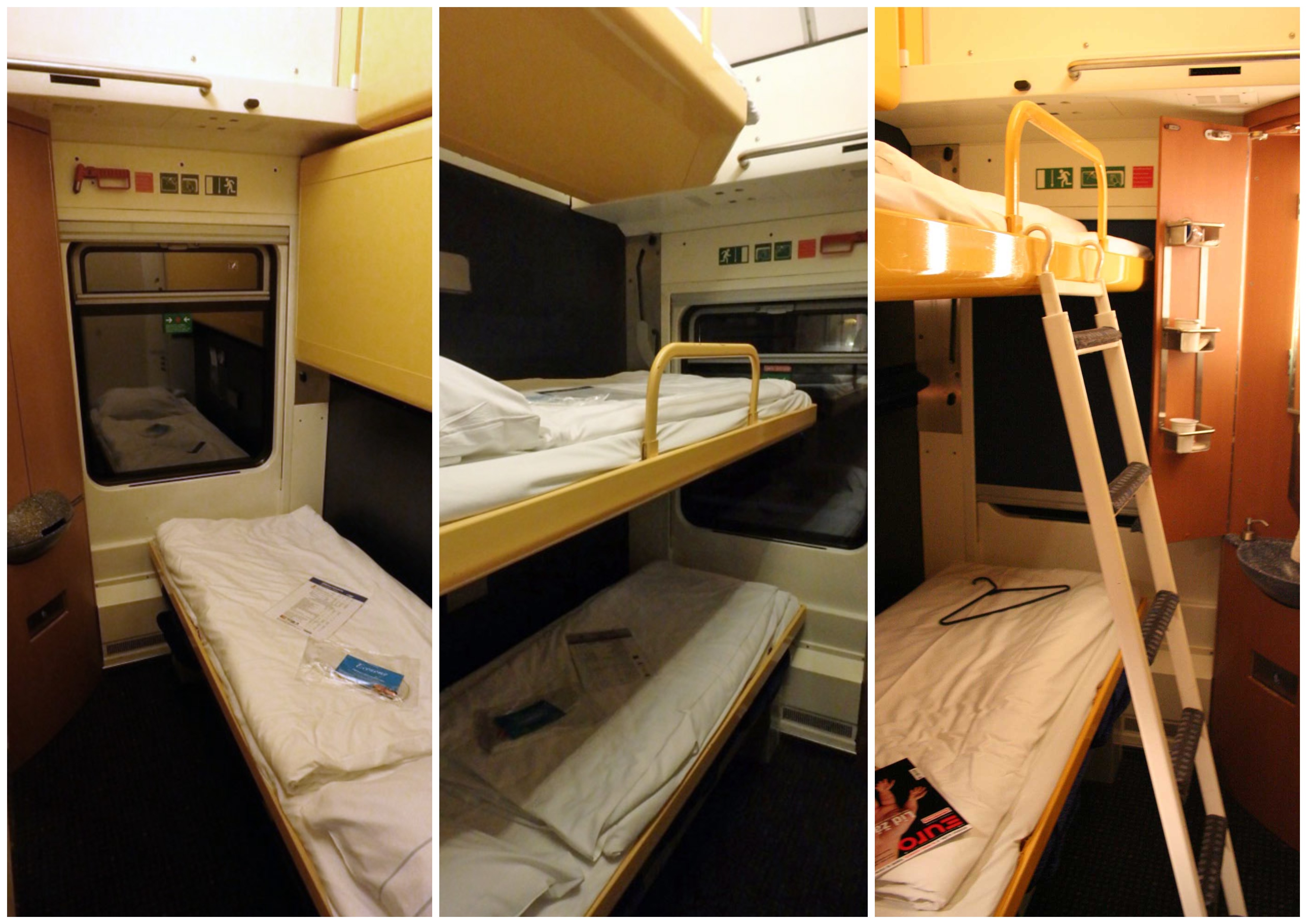
A sleeper cabin typically adds a proper mattress and more bedroom comforts. However, operators sell several sleeper products, so the category name alone tells you little about the bathroom.
Nightjet sells sleeping compartments for one, two or three passengers. Older categories offer a washbasin or, in higher categories, a private shower and toilet. Newer comfort sleepers accommodate one or two people and have private toilet and showering facilities. Breakfast comes with Nightjet sleeper tickets.
Caledonian Sleeper shows why the small print deserves attention. Its private Classic rooms have twin bunks and a washbasin. Club En-suite rooms add a private shower and toilet, plus breakfast. The Caledonian Double supplies a double bed and en-suite facilities.
Does a Sleeper Ticket Mean a Private Room?
No. Some operators sell individual beds in shared sleepers. On Nightjet, a single berth in a double or triple compartment can mean sharing.
European Sleeper also separates Comfort Standard from Comfort Plus. Standard has compact beds and optional breakfast; Plus offers regular-size beds, a private washbasin and breakfast. Check the sharing rules as well as the comfort tier.
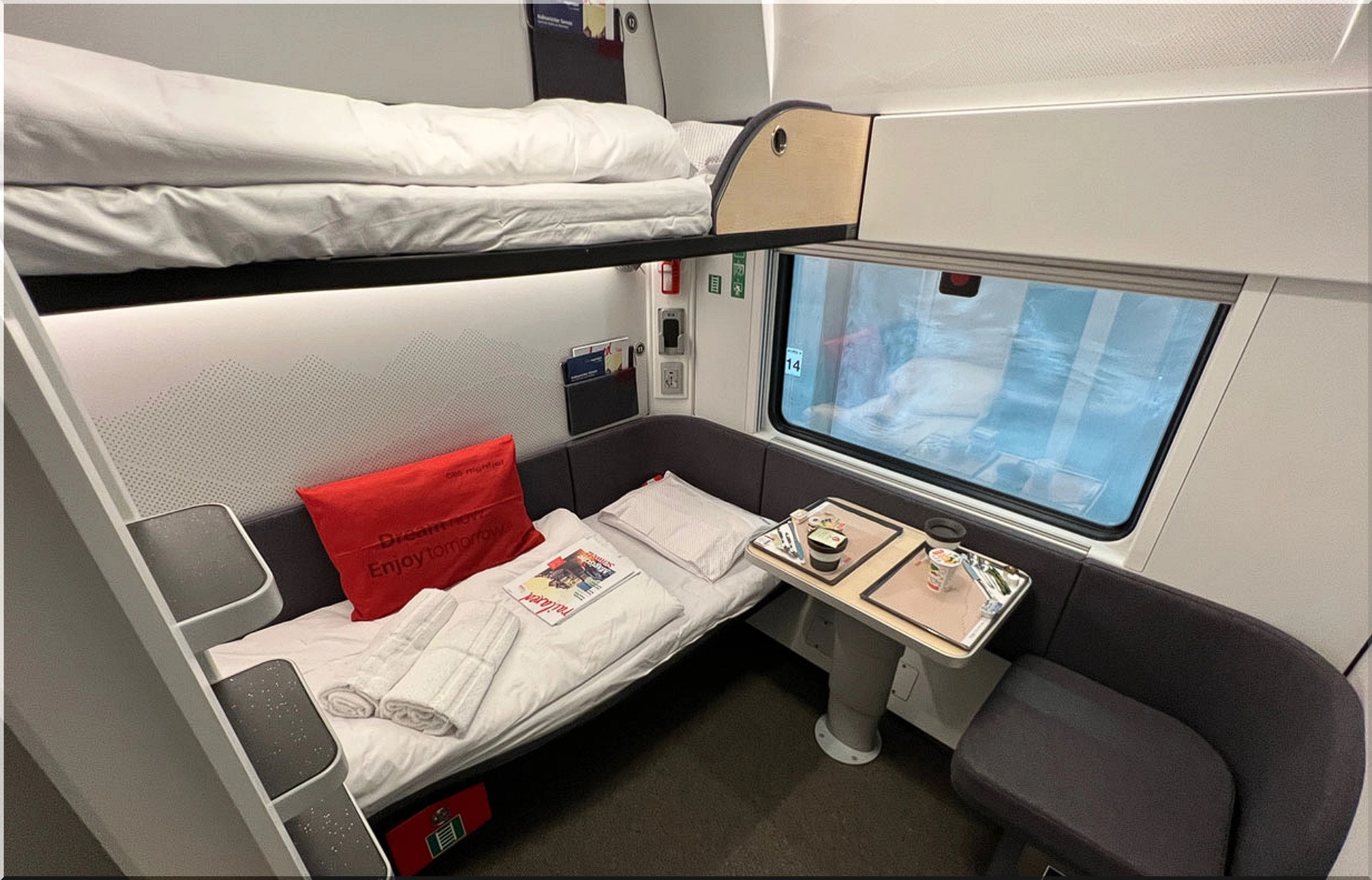
Pro-Tip: Read the final booking screen for an explicit private-compartment or single-occupancy choice. Two tickets do not automatically buy every bed in a three-person room.
Should a Solo Traveler Choose a Nightjet Mini Cabin?
Nightjet's Mini Cabin offers another option on trains that carry this product. You get an individual enclosed sleeping space, while other passengers occupy neighboring pods.
The space measures 190 centimeters long, 63.5 centimeters wide and 90 centimeters high. That means room to lie down, with limited space for sitting upright or changing clothes. Nearby lockers hold hand luggage up to 40 by 55 by 23 centimeters.
This option suits someone who wants separation without paying for a whole sleeper compartment. Check the dimensions against your height and luggage. You still share the coach's toilets, and the enclosure does not promise silence.
If ladders or confined spaces cause difficulty, ask about access before payment.
Does a Night Train Actually Save Money?
Sometimes. Compare the entire overnight plan with a daytime train plus accommodation. A cheap seat and a private hotel room do different jobs, so compare options you would realistically buy.
Use a simple example in US dollars. Suppose a couchette costs $120. A daytime train costs $50, and your hotel costs $90. The overnight option saves $20 before meals or other extras. These figures illustrate the method; they do not quote operator fares.
For two people, compare the combined rail bill with one shared hotel room. Each passenger's berth costs money, while the hotel may charge once for the room.
Also check:
- Breakfast charges and reservation fees.
- Cancellation rules for the fare you select.
- Any paid luggage storage after an early arrival.
- The value of keeping a daytime travel block free.
Sleep belongs in the budget, too. A cheaper ticket loses appeal if exhaustion consumes the next afternoon.