A fence keeps deer out until a post rots, a panel warps, or a determined doe finds the one weak gap you planned to fix last weekend. A living deer-proof hedge works differently. It grows thicker with age, repairs small wounds through new shoots, and turns a property line into a practical, wildlife-friendly barrier with old-school muscle.
What Traditional Hedgelaying Actually Does
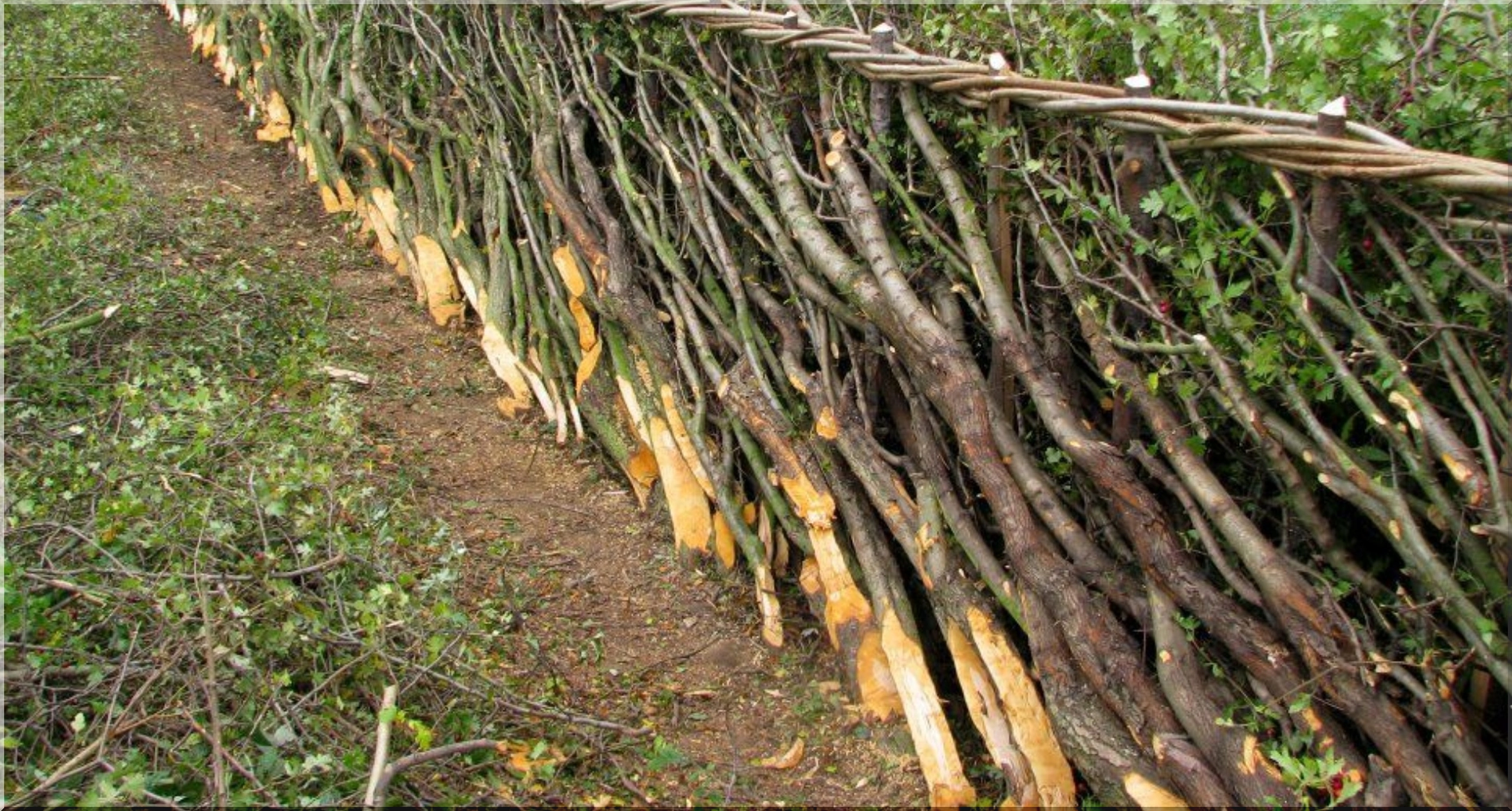
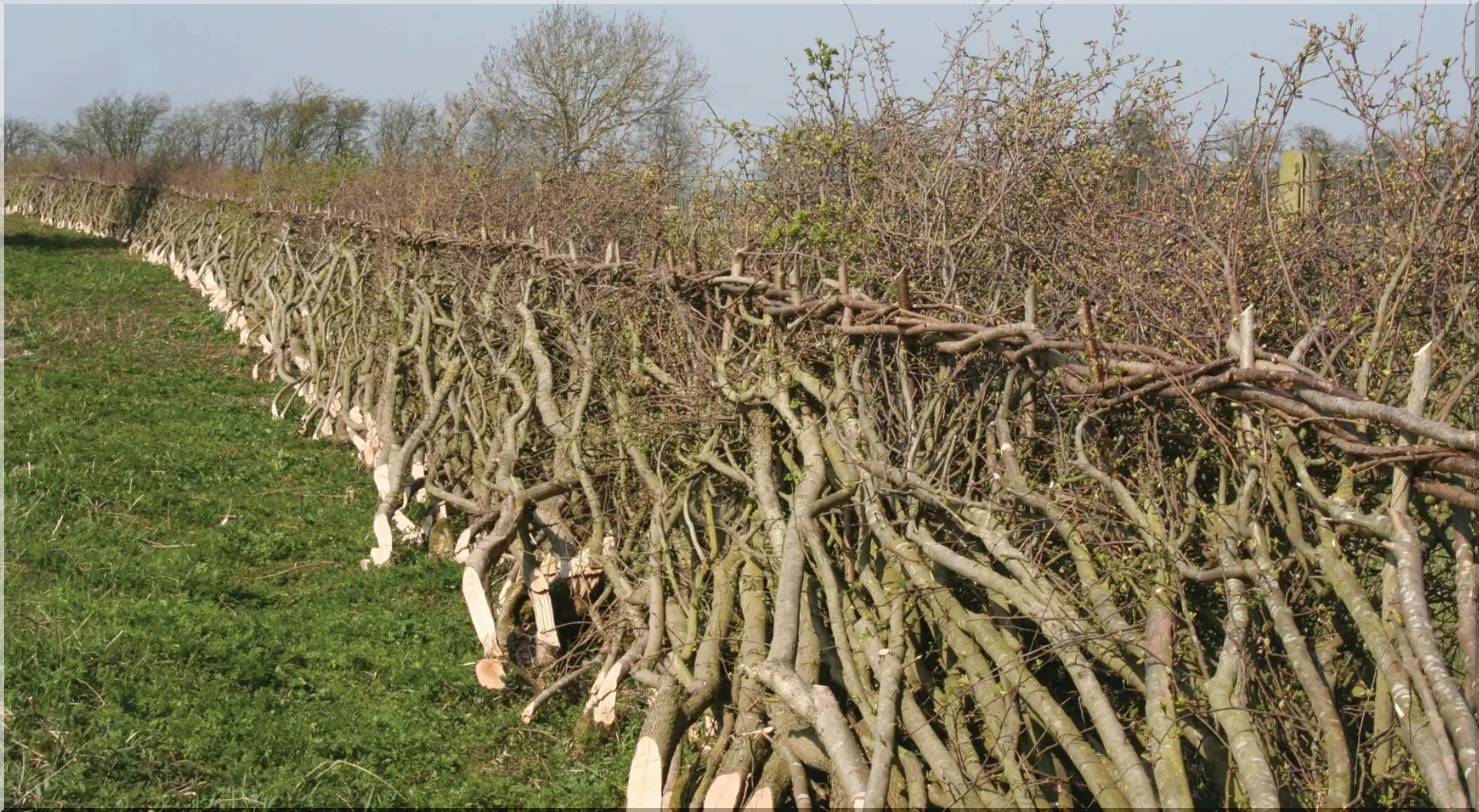
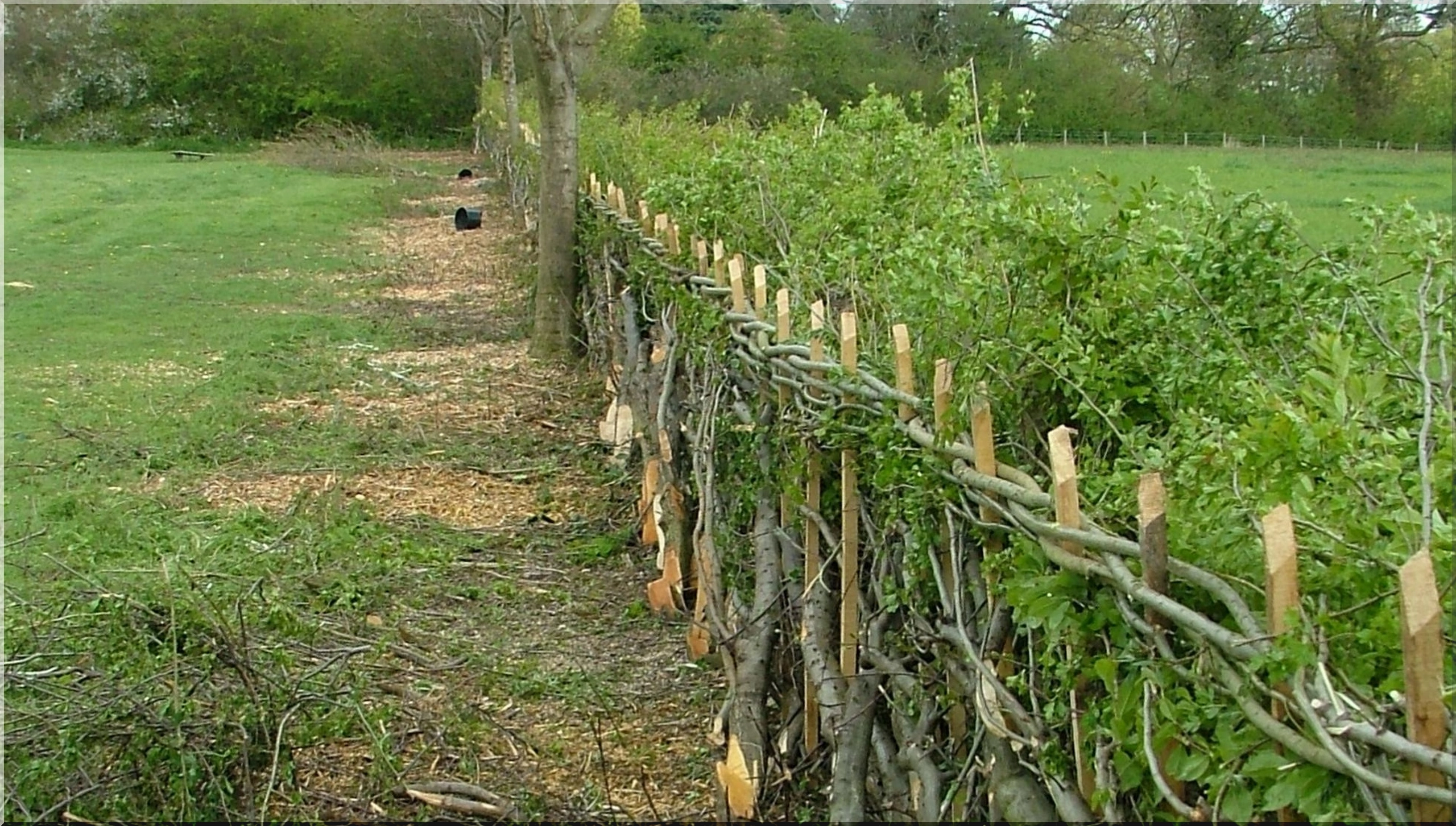
Traditional hedgelaying takes a row of shrubs or small trees and turns it into a dense woven barrier. Instead of cutting plants to the ground or letting them stretch into thin, gappy trees, the hedgelayer partially cuts each stem near the base, bends it over, and weaves it along the line.
The cut stem, called a pleacher, stays attached to its roots. That living hinge keeps sap moving while the plant pushes new shoots from low down. Give it time, light, and careful trimming, and the hedge fills from the bottom upward. That low density gives deer far less room to nose through.
Hedgelaying
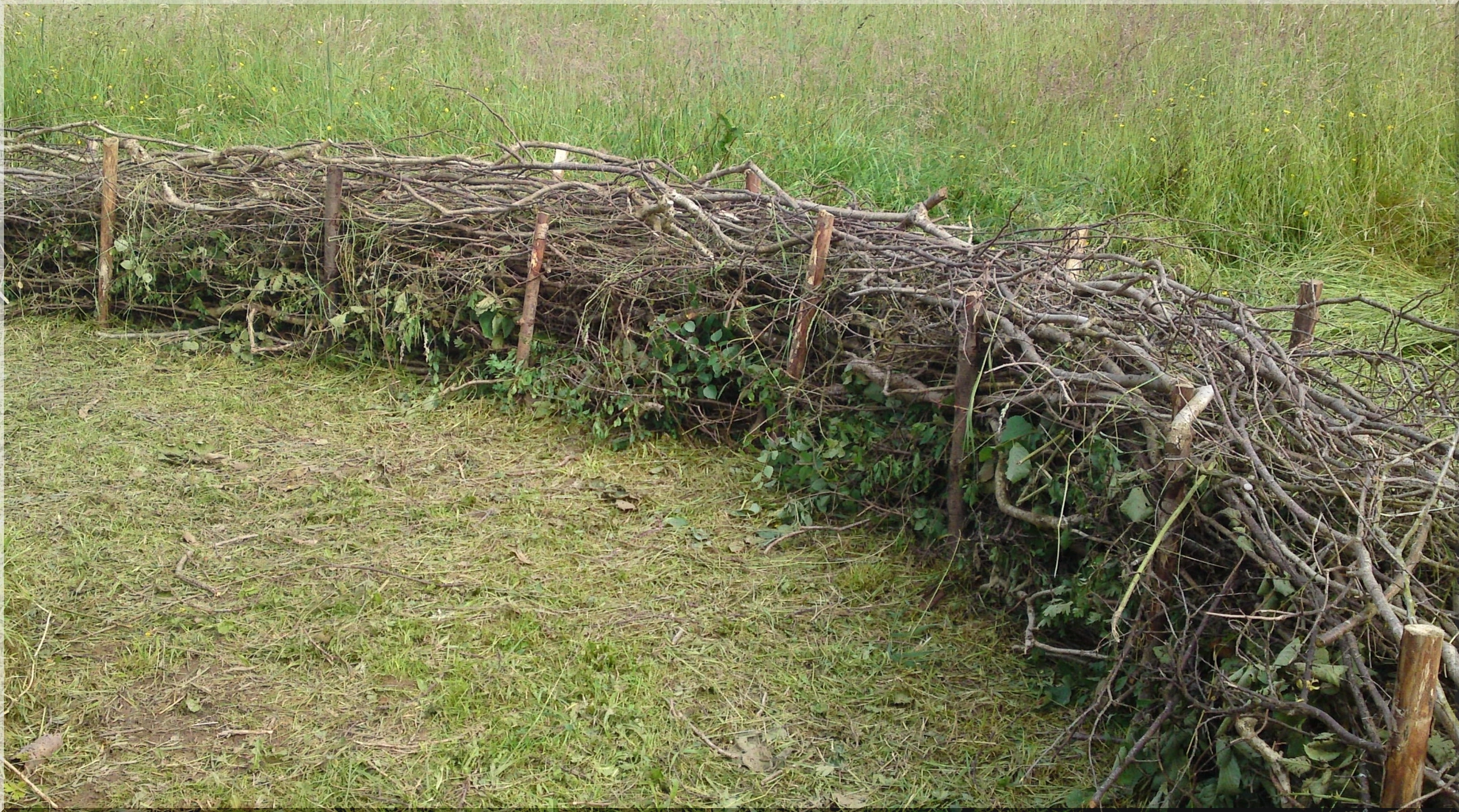
Hedgelaying means partially cutting live stems, bending them at an angle, and securing them with stakes, binders, or woven branches so the hedge regrows as a thick living fence.
This technique once helped farmers hold livestock, protect crops, and divide fields. Today, gardeners can use the same logic to build a natural deer barrier that also feeds birds, shelters insects, slows wind, and adds privacy.
Why a Living Hedge Can Beat a Standard Fence
A standard fence gives fast results. A laid hedge asks for patience, but it can keep improving long after a timber panel starts sulking in the rain.
A deer-resistant hedge has three advantages:
- Density at ground level, which blocks crawling and pushing.
- Thorny or twiggy growth, which discourages browsing and rubbing.
- Depth, which makes jumping less attractive because deer need clear takeoff and landing space.
A living hedge does not replace every fence in every yard. In high-pressure deer areas, an eight-foot barrier still gives the strongest exclusion for large gardens. Yet a laid hedge can reduce access, protect key zones, and soften the look of wire fencing where local rules allow a mixed system.
Best Plants for a Deer-Proof Living Hedge
Choose plants that take hard cutting, regrow strongly, and create twiggy or thorny cover. Native species usually work best because they support local wildlife and cope with local weather.
| Plant | Best Use | Why It Works |
|---|---|---|
| Hawthorn | Main hedge frame | Thorny, tough, dense, and good for birds |
| Blackthorn | Defensive sections | Sharp thorns and early blossom |
| Hazel | Stakes, binders, and mixed growth | Flexible stems and strong regrowth |
| Holly | Evergreen cover | Year-round screening and prickly leaves |
| Field maple | Mixed rural hedge | Fast recovery after cutting |
| Dog rose | Gap filler | Thorny arching growth and hips for birds |
Hawthorn often earns the lead role because it grows thick, responds well to laying, and carries thorns that tell deer, "Maybe lunch lives elsewhere." Blackthorn adds extra bite, though it can sucker, so use it where spread will not annoy you later. Hazel brings flexible growth and useful cutting material, but deer may browse it, so protect young plants early.
Planning a Living Deer Barrier Before You Plant
Walk the boundary and mark the route. Look for slopes, low points, existing trees, deer paths, drainage, and sunny gaps. A hedge needs light at the base, so do not plant it where a dark tree canopy will starve the lower growth.
For a serious barrier, aim for width as well as height. A narrow single line can work in mild deer areas, but a double staggered row gives better density.
A Simple Planting Plan
Use this setup for a new deer-proof hedge:
- Clear grass and perennial weeds from a strip at least 2 feet wide.
- Plant bare-root whips during the dormant season.
- Space plants 12 to 18 inches apart in a staggered double row.
- Mix thorny species with wildlife-friendly shrubs.
- Water during dry spells in the first two growing seasons.
- Guard young plants with mesh, tubes, or temporary fencing until they outgrow browsing height.
Young hedges need babysitting. Deer love tender shoots, which feels rude after you paid for them. A temporary fence, dead brush barrier, or tree guards can protect the hedge while roots settle in.
How Hedgelaying Creates Deer-Blocking Density
The first few years belong to root growth and thickening. You can lay many hedges once the stems reach thumb to wrist thickness, depending on species and local conditions. Winter suits the job because plants sit dormant, birds have finished nesting, and bare stems show their structure.
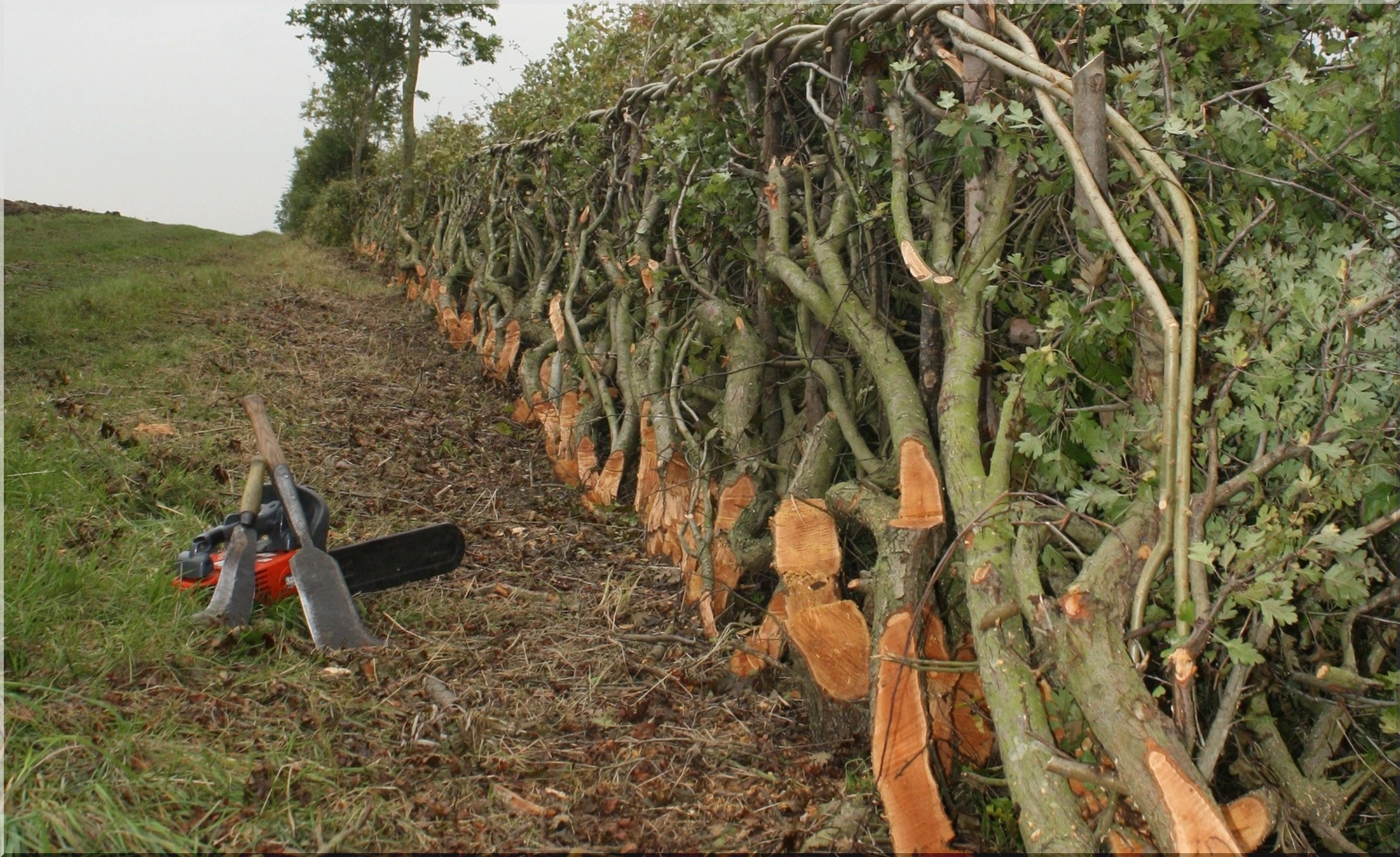
The basic process goes like this:
- Clear dead wood, litter, and tangled growth from the hedge line.
- Pick strong stems to lay along the row.
- Cut each stem low, leaving a live hinge.
- Bend the stem in the same direction at an angle.
- Weave the pleachers between stakes or neighboring stems.
- Add hazel binders where extra strength helps.
- Trim the top and sides to let light reach the base.
The cut must go deep enough to bend, but not so deep that the stem snaps.
Why the Angle Matters
Many traditional systems lay stems at roughly 45 degrees. That angle keeps the plant alive and guides new shoots upward. It also creates a woven line that acts as one joined barrier, rather than a row of separate shrubs.
A laid hedge with a wide base and a narrower top also solves a common problem. If the top gets too wide, it shades the lower branches. Then the base opens, and deer find the gap.
The Old Logic Behind a Modern Garden Trick
People used living barriers long before garden centers sold black mesh on tidy rolls. The old idea still works because it asks plants to do what plants already want to do: regrow after damage.
Hedgelaying creates controlled injury. The root system stays alive. New shoots rise from the base. The woven stems hold the line while fresh growth thickens it. A fence panel has no such self-repair plan. It ages, cracks, and waits for you to buy screws.
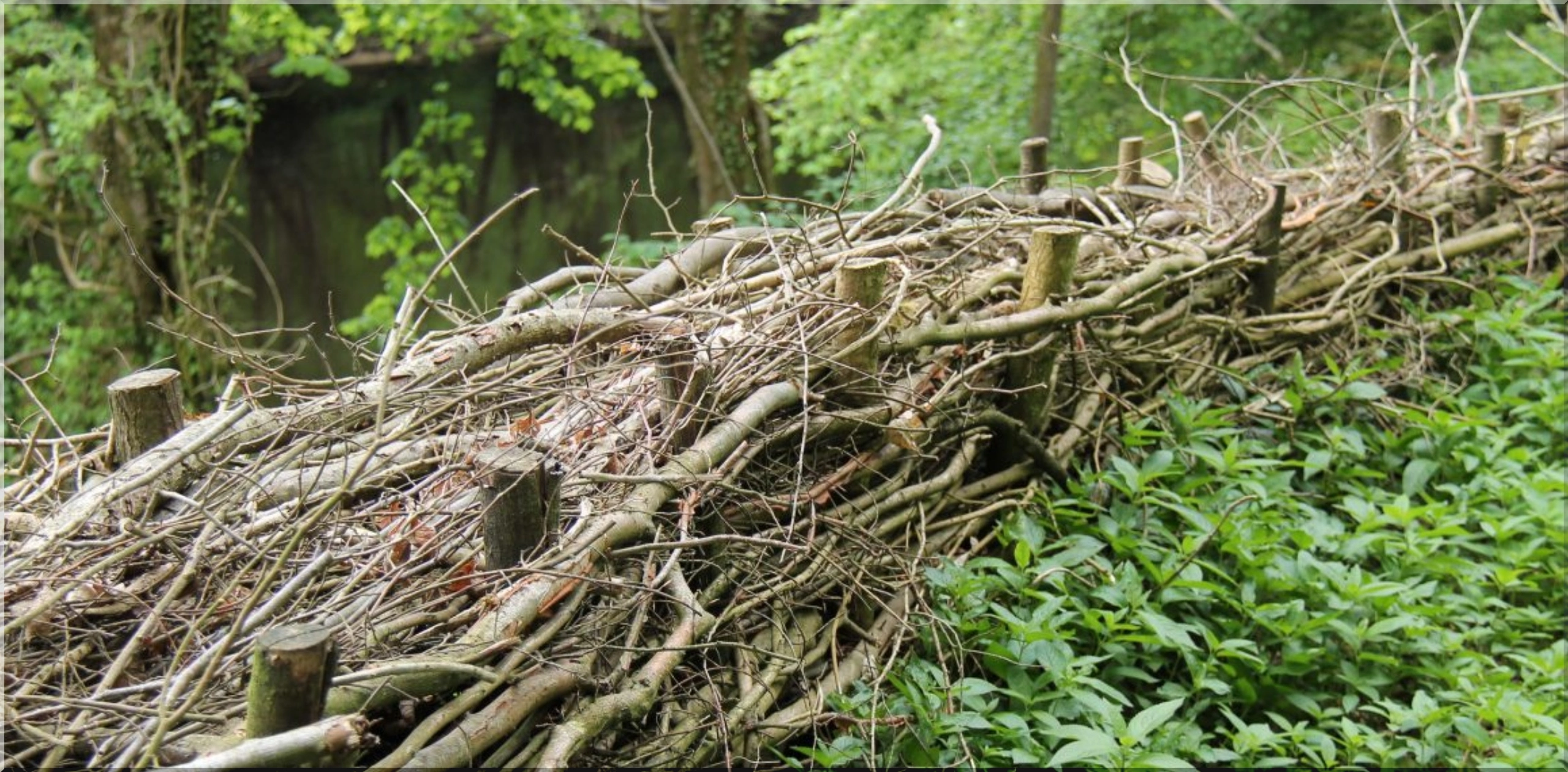
This method also pairs well with coppicing. Hazel rods can supply stakes and binders. Brushwood can fill weak spots. Cut material can protect new plantings as a dead hedge while the living hedge catches up.
How to Maintain a Deer-Proof Hedge
A laid hedge needs care, but not constant fuss. In fact, over-trimming can weaken it. The goal is a dense, slightly wild barrier with enough structure to keep light on the lower growth.
For the first three years after planting, focus on survival and thickness. Water during dry periods. Replace failed plants. Protect young stems from browsing.
After laying, trim lightly to thicken side growth. Keep the base wider than the top. Avoid heavy cutting during bird nesting season. In many gardens, late summer or winter maintenance works best, but local wildlife rules and nesting times should guide your schedule.
A healthy laid hedge may need relaying after roughly eight to fifteen years, based on growth rate, species, and management. If the hedge starts turning into a line of small trees with open stems below, it is asking for a reset.
Practical Tip: Watch the Browse Line
A browse line shows where deer have been feeding. If you see neat nibbling along the outside, add temporary brush, thorny prunings, or mesh while the hedge thickens. If deer push through one weak spot, fix that gap fast. Deer learn weak routes fast.
Living Hedge vs Fence: Which One Fits Your Garden?
A living fence suits gardeners who want privacy, wildlife value, and long-term resilience. A tall mesh fence suits gardeners who need fast, firm deer exclusion around vegetables, orchards, or high-value plantings.
| Option | Speed | Deer Control | Wildlife Value | Long-Term Look |
|---|---|---|---|---|
| Tall mesh fence | Fast | Very strong | Low to medium | Practical but plain |
| Timber fence | Fast | Medium to strong | Low | Clean, but ages |
| Laid living hedge | Slow | Medium to strong | High | Natural and maturing |
| Hedge plus discreet wire | Medium | Strong | High | Best mixed option |
Many gardeners get the best result by pairing methods. Use a temporary wire fence while the hedge grows. Keep the wire inside the hedge later if deer pressure stays high. The plants hide the hard edges, and the wire backs up the plants.
Common Mistakes That Let Deer In
A living barrier fails when gardeners build for looks first and deer second. Pretty gaps still count as gaps.
Avoid these mistakes:
- Planting only one thin row in a heavy deer area.
- Letting the hedge grow tall too soon.
- Trimming the sides straight up like a green wall.
- Leaving the base shaded and hollow.
- Choosing soft, deer-favorite shrubs for the outer edge.
- Skipping early protection for young whips.
- Waiting too long to repair weak spots.
The best hedge looks full at knee height. That is where many failures begin. Deer may jump high, but they also push low. Block the nose and chest, not only the skyline.
Can You Make an Existing Hedge Deer-Proof?
Often, yes. Start by checking the hedge base. If stems grow tall and bare, laying can revive density. If the hedge contains healthy hawthorn, hazel, blackthorn, holly, field maple, or similar species, you may have good material already.
Cutting an old hedge takes skill. Large stems can split badly, wildlife may nest inside, and old boundaries may sit under local protection rules. For a valuable or ancient hedge, hire a trained hedgelayer or join a workshop first.
Next Steps for Building Your Living Deer-Proof Hedge
Start small. Pick one vulnerable edge or one garden section instead of tackling the whole boundary at once. Choose thorny, resilient plants. Protect young whips from browsing. Plan for laying once stems mature. Keep the base thick and sunny.
A traditional hedgelaying barrier rewards gardeners who like practical beauty with backbone. It asks for time, but it pays in privacy, wildlife, and fewer deer dinner parties in your flower beds.