Your balcony basil droops by lunchtime. The tomato grows plenty of leaves but offers no fruit. Meanwhile, the lavender looks ready to resign. Before you buy replacements, check what each symptom tells you. Most balcony plant problems start with a mismatch between the plant, its pot, and the conditions around it.
Start With the Symptom, Then Check the Setup
A wilted plant can need water. It can also suffer from too much water. Brown edges can point to wind, heat, dry roots, or excess fertilizer. Leaves offer clues, rather than a complete diagnosis.
Use this table to choose your first check. Then follow the relevant symptom section below.
| Visible symptom | First check | First useful change |
|---|---|---|
| Limp leaves and dry potting mix | Moisture below the surface | Water slowly through the root zone |
| Limp leaves and wet potting mix | Drainage holes and standing water | Empty the saucer and pause watering |
| Bleached patches or crispy edges | Afternoon sun and reflected heat | Add temporary afternoon shade |
| Yellow leaves and weak growth | Moisture, roots, and feeding history | Correct watering before adding fertilizer |
| Long, thin stems with few flowers | Actual hours of direct sunlight | Move the pot into suitable light |
| Torn leaves or leaning stems | Gusts at plant height | Shift the pot into shelter |
Take a photograph before changing anything. Compare new growth with that starting image.
Five Checks Before You Buy Another Plant
- Sunlight: Record direct sun at the plant's exact position across one clear day. A bright balcony can still receive little direct sun.
- Wind exposure: Watch leaves during gusts. Check corners and gaps between buildings, where wind can accelerate.
- Drainage: Inspect the base, saucer, and any decorative outer pot. Water needs an exit.
- Pot size: Look for dense circling roots, crowding, and unusually fast drying after thorough watering.
- Watering: Feel beneath the dry surface and compare the pot's weight before and after watering. Follow the plant's moisture needs.
Deal with urgent problems immediately. Otherwise, change one factor at a time so you can see what helps.
Symptom: Leaves Wilt and the Pot Feels Light
Dry roots struggle to supply enough water to leaves. Small containers, terracotta, hot weather, and drying wind can speed up moisture loss.
Push a finger into the potting mix. For a deeper container, use a wooden skewer to check farther down without disturbing roots. A dry crust can hide moisture underneath.
When the root zone feels dry, water slowly at the soil surface. Pause, let the water soak in, then continue until the mix feels evenly moist and drainage begins. Empty collected runoff after drainage finishes.
When Water Runs Straight Through
Very dry potting mix can resist wetting. Water may race down a gap beside the pot while leaving the root ball dry.
For a small, movable pot, stand its base in a shallow tub of water until moisture reaches the root ball. Remove it and let it drain. Check moisture at the center afterward.
If the plant dries out within hours, check its roots and pot size.
Pro-Tip: Check pots daily during hot spells, but water according to moisture rather than a fixed calendar. Rain may miss pots beneath a balcony roof.
Symptom: Leaves Wilt Despite Wet Soil
Wilting with wet soil calls for a different response. Saturated potting mix limits air around roots. Damaged roots then struggle to supply the plant, even with water all around them.
Look for a saucer full of water, a blocked drainage hole, or a nursery pot sitting in a sealed decorative container. Empty trapped water. Pause watering while the mix loses excess moisture.
Persistent sogginess, a sour smell, and soft, dark roots can suggest root decay. Healthy roots usually feel firm. If decay spreads, seek plant-specific advice before attempting rescue.
Fix the Container Before the Watering Routine
Use a pot with working drainage and a suitable container mix. Skip heavy garden soil in small pots. Adding stones at the bottom doesn't replace an open drainage hole.
Espoma Organic Potting Mix offers a current indoor-and-outdoor container option. Miracle-Gro Potting Mix serves the same broad purpose and includes fertilizer. The brand's U.S. page lists its 8-quart bag at $5.69, although local prices and stock vary.
Choose the mix for the plant. Cacti and succulents usually need a faster-draining option than thirsty annual flowers. A sealed pot still traps water.
Symptom: Leaves Develop Bleached Patches or Crispy Edges
Strong sun can damage plants that previously grew in sheltered conditions. Heat from nearby glass, masonry, or metal can add stress. Wind and dry roots can produce similar crispy edges.
Check the pattern. Damage mainly on the sun-facing side suggests excessive exposure, though pests and other causes can also create pale patches. Inspect leaf undersides too.
Move a stressed plant into bright shelter with gentler morning sun, or provide temporary afternoon shade. Keep its roots appropriately moist. Avoid flooding an already wet pot.
Introduce nursery plants to stronger outdoor conditions gradually over roughly a week or two. Increase sun and wind exposure in small steps, adjusting to the plant and weather.
- Move movable pots away from hot reflective surfaces.
- Shade the container as well as sensitive foliage.
- Secure any shade cloth against gusts.
- Delay fertilizer while the plant struggles with heat or drought.
Scorched tissue won't turn green again. Judge recovery by healthy new leaves and the end of fresh damage.
Symptom: Lower Leaves Turn Yellow
One aging leaf rarely signals a disaster. Several yellow leaves, declining growth, and repeated leaf drop deserve closer inspection.
Start with moisture and drainage. Then check the underside of leaves for pests and inspect roots if the plant continues to decline. Don't reach for plant food simply because yellow looks like hunger.
Nutrient shortages can develop as container plants grow and repeated watering washes nutrients away. Once roots function well and watering suits the plant, review the potting mix label and feeding history.
Use an appropriate fertilizer at its labeled rate. A mix that already includes fertilizer changes the timing of additional feeding. Extra scoops can damage roots rather than speed recovery.
If yellowing follows a recent feeding and you also see scorched tips or a white crust, excess salts could contribute. Stop adding fertilizer and seek guidance for that plant and container. Several problems can produce the same yellow leaf.
Symptom: Growth Stops, Stems Stretch, or Flowers Disappear
Slow-growing balcony plants may need more light, more root space, warmer conditions, or simply time. Diagnose these separately.
Check Actual Sun Hours
Tomatoes, peppers, and eggplants generally need around six to eight hours of direct sun. Leafy crops such as lettuce and spinach can grow with roughly three to five hours, depending on season and climate.
Watch the plant's position rather than the balcony entrance. An overhang or neighboring building may block most useful sunlight. Move a pot into a better position before buying a stronger fertilizer.
Long, widely spaced growth often suggests insufficient light. Plenty of healthy foliage with few flowers can also reflect excess nitrogen or an immature plant. Tomato flowers may drop during excessive heat even in a sunny spot.
Check Root Space Without Guessing
Slide the root ball out carefully when practical. Dense circling roots and very little remaining mix suggest crowding. Roots through drainage holes alone don't prove crowding.
Choose a modestly larger container for a crowded plant. Follow crop-specific guidance for vegetables; large tomato varieties need substantially more room than small herbs.
Smart Pot offers fabric containers in several sizes, including 5-gallon models. Fabric permits air and water movement, but exposed bags may need closer moisture checks. Keep monitoring moisture.
Symptom: Leaves Tear, Stems Lean, or Pots Keep Falling
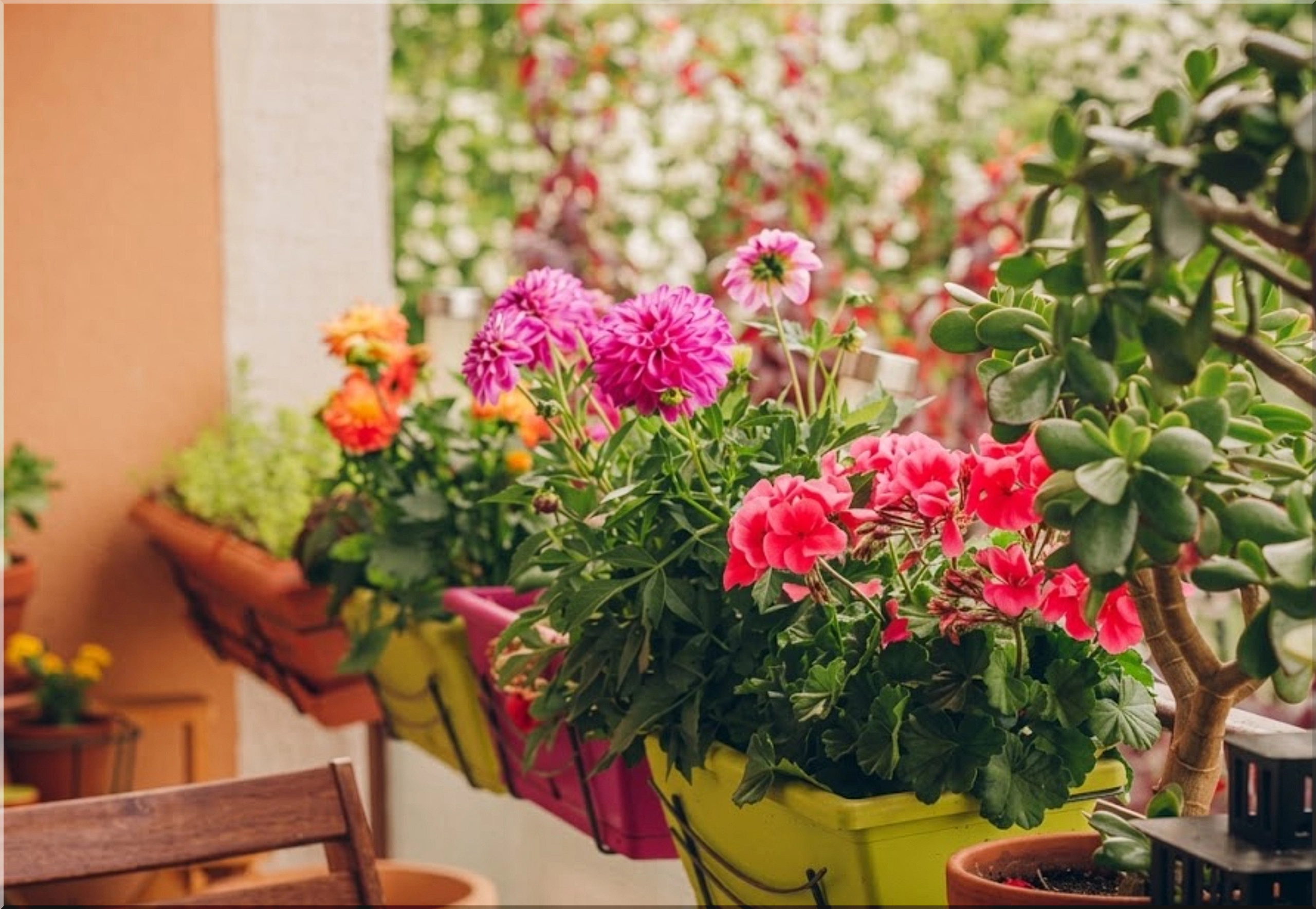
Wind damages plants and increases water loss.
Move pots away from exposed railing edges and windy corners. Put taller plants behind lower, sturdier containers, without blocking their light. Support vulnerable stems with stakes and soft ties.
A securely fitted screen with gaps can reduce exposure. Ask building management about fixing points and permissible loads before adding screens or heavy containers. Wet potting mix, stored water, and people all contribute to balcony weight.
For a reservoir planter such as the LECHUZA BALCONERA Color 50, follow the outdoor setup instructions. The brand specifies removing its underside overflow screw so excess rainwater can escape. A self-watering label doesn't mean you can ignore drainage.
Keep containers inside the railing and secure them appropriately. Stop using any unstable mounting system until you correct it.
Symptom: Leaves Feel Sticky or Show Fine Speckling
Sticky residue can accompany aphids and other sap-feeding insects. Fine pale speckling with delicate webbing can suggest spider mites, which thrive in warm, dry conditions.
Inspect leaf undersides with a magnifier. Separate an affected movable pot from neighboring plants and rinse suitable foliage gently to dislodge pests. Recheck regularly; one rinse may miss eggs or hidden insects.
Identify the pest before buying a spray. Follow any product's crop, temperature, and application instructions. Kitchen dish detergent offers no dependable substitute for a labeled garden product and can injure leaves.
What Should You Change First?
Choose the change that matches your evidence: water dry roots, release trapped water, soften excessive exposure, or give crowded roots space. Take another photograph after several days and keep checking moisture.
Look for steadier growth and fewer newly damaged leaves over the following weeks. Keep care simple. Your next purchase should solve a confirmed problem, rather than supply another plant for the same difficult corner.