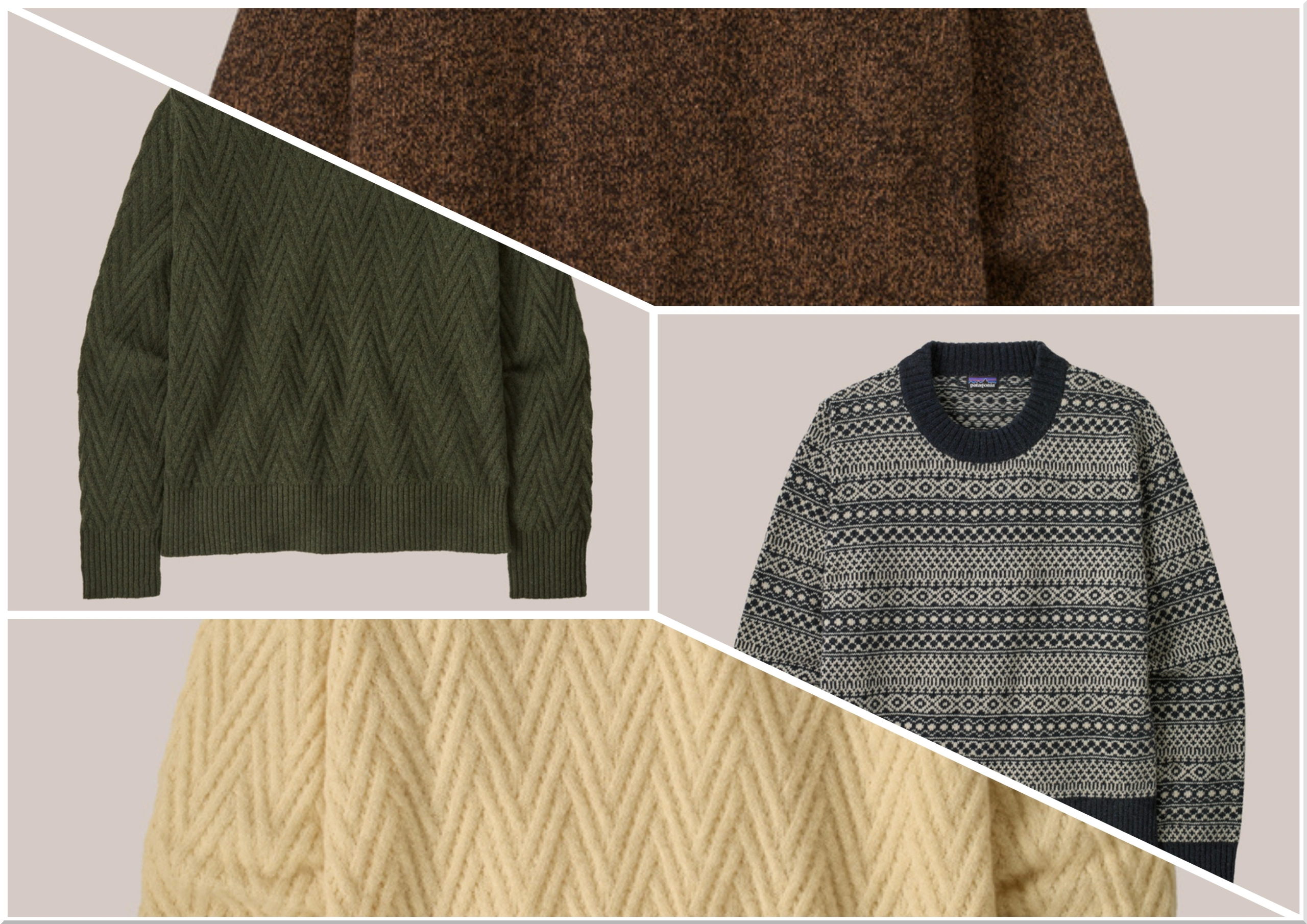
Your favorite sweater should fit you after laundry day, too. To wash wool sweaters without shrinking, follow the care label, choose wool detergent, limit agitation, and dry the sweater flat. The tricky part comes from assuming every wool knit needs identical care. A machine-washable merino pullover and a chunky hand-knit cardigan may need different routines. Here's how to choose yours and protect the fit you like.
Read the care label before choosing a wash method
Start with the sewn-in label on your sweater. Fiber content tells you what you own; the washing instructions tell you how to clean it. Merino describes a type of wool. Check the wash instructions before choosing a machine cycle.
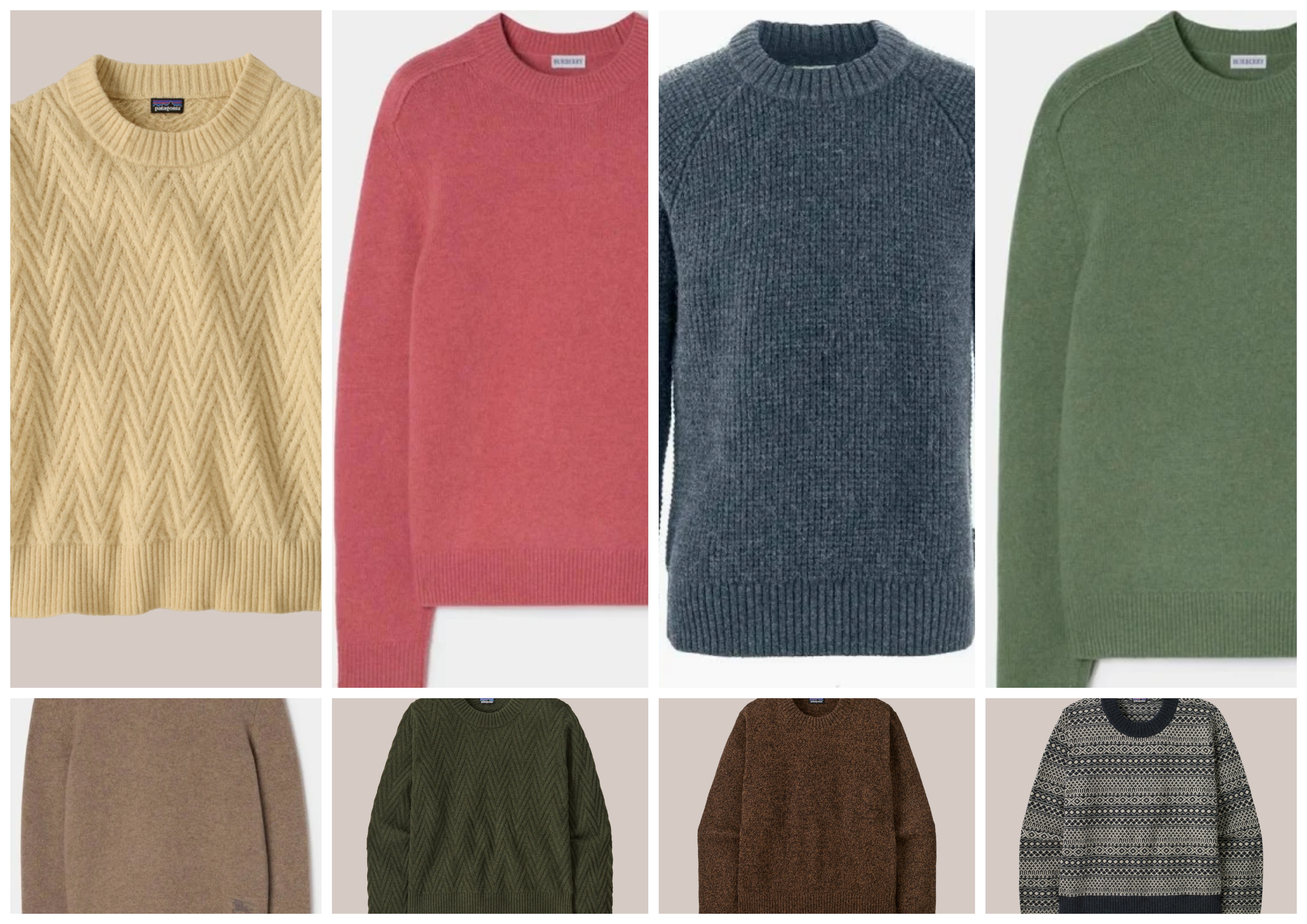
Current brand guidance makes this distinction useful. UNIQLO's men's Merino Crew Neck Sweater lists a cold, gentle machine wash. The company also advises turning it inside out and using a mesh laundry bag.
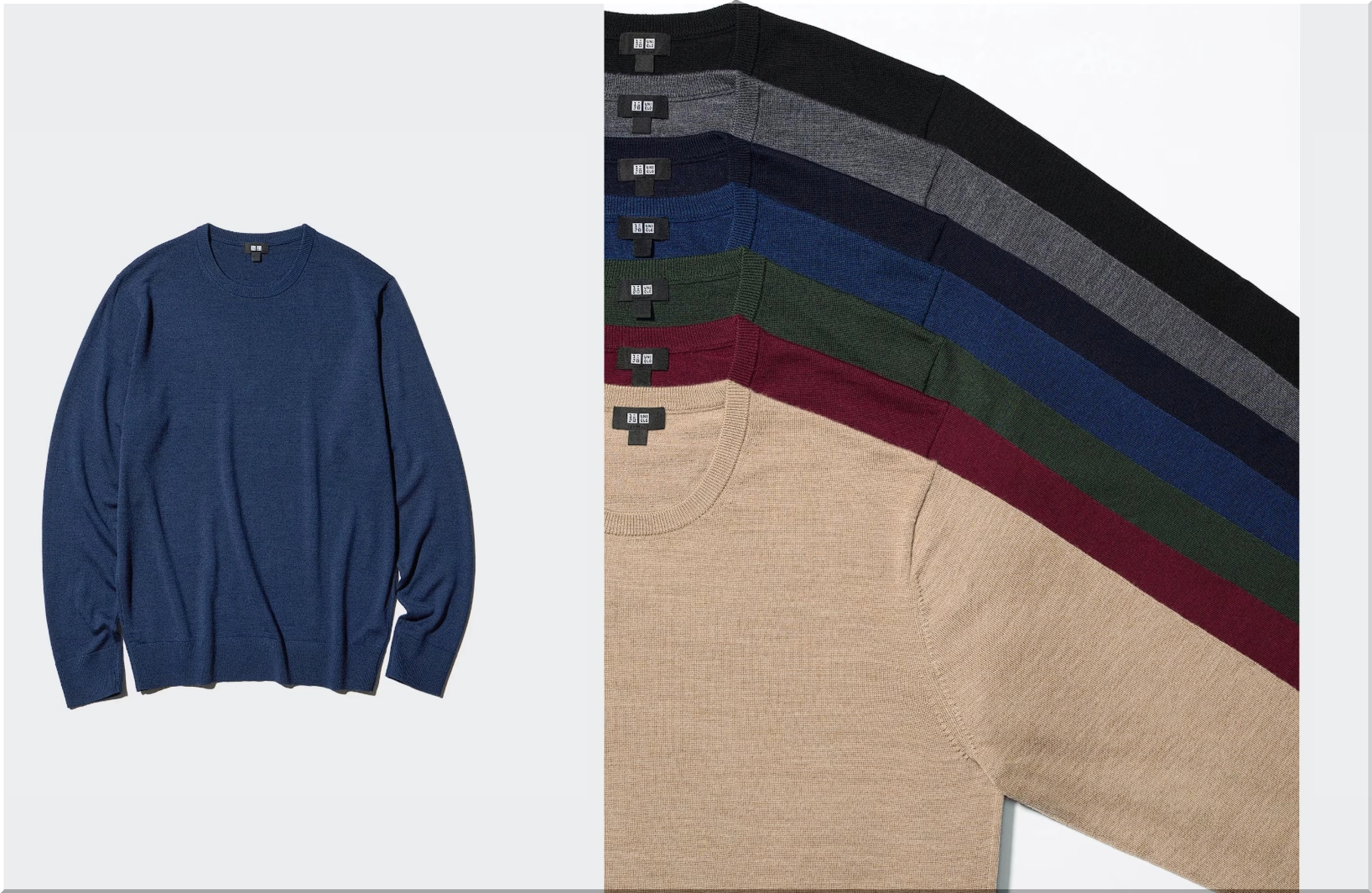
Patagonia's women's recycled-wool crewneck calls for cold hand washing and flat drying. Copying the UNIQLO routine onto the Patagonia sweater would ignore its care instructions.
Read the exact wording, too. 'Dry clean' and 'dry clean only' don't give identical instructions. UNIQLO lists dry cleaning alongside machine washing for this merino product. If your tag permits washing, choose that listed method. If it says 'only,' use a professional cleaner.
| What the care label says | Your next step | Drying choice |
|---|---|---|
| Machine wash | Use the stated temperature and suitable wool or gentle cycle | Follow the drying label; flat drying suits knitwear |
| Hand wash | Wash gently in a basin | Reshape and dry flat |
| Do not wash or dry clean only | Ask a professional cleaner | Follow professional guidance |
| Tumble drying allowed | Follow the separate washing directions | Use only the permitted dryer setting |
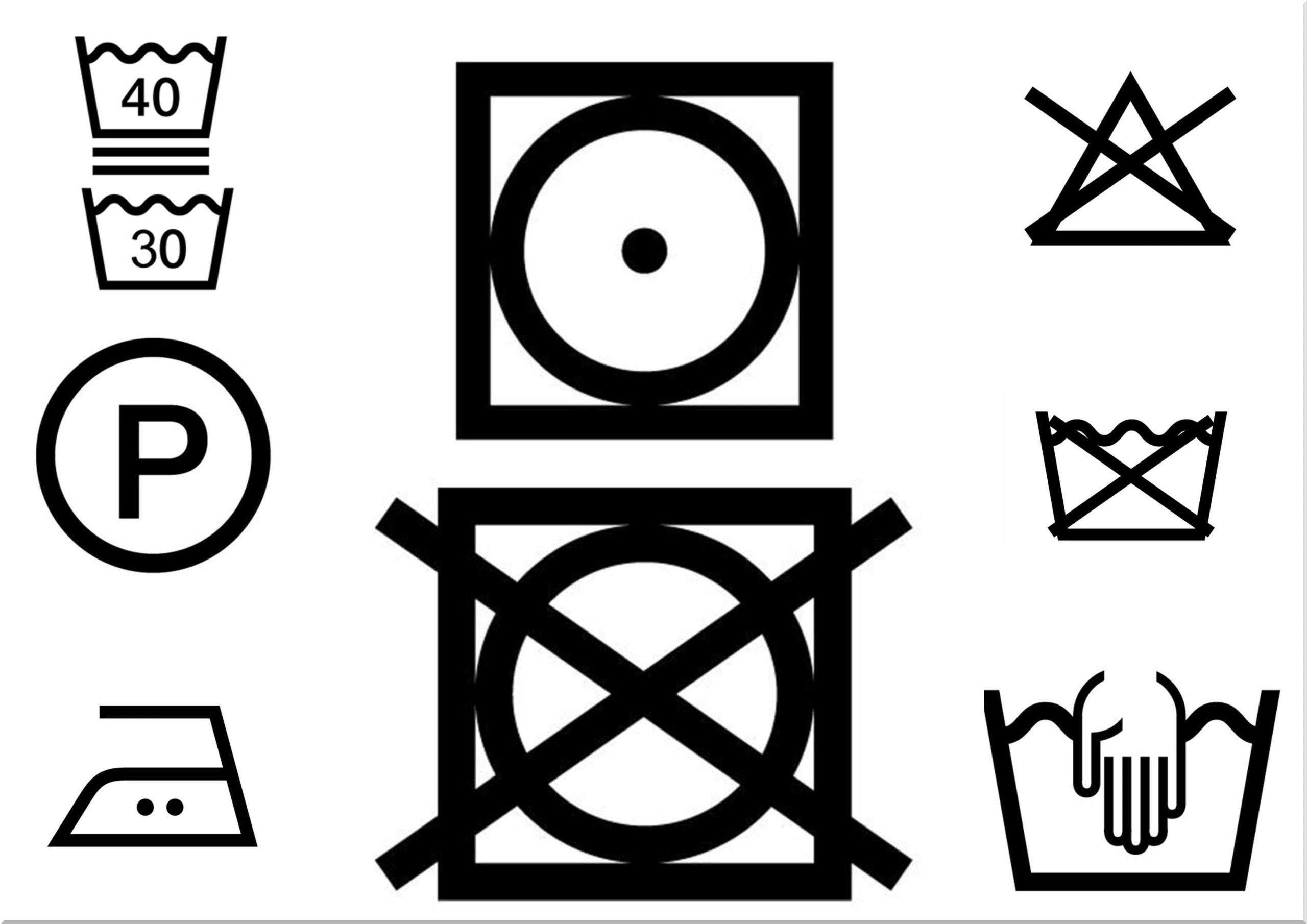
A crossed-out wash tub means don't wash the garment. A hand in the tub points to hand washing. If the label has faded, ask the brand before experimenting with a costly sweater.
Why wool sweaters shrink or stretch
Wool fibers have tiny surface scales. Agitation while the fibers are wet can make them interlock, tightening the fabric. Heat can increase the risk during unsuitable washing and drying.
Definition: What does felting mean?
Felting describes wool fibers tangling and locking into a denser fabric. A felted sweater may feel thicker, stiffer, and smaller. Cold water alone doesn't protect wool from rough handling.
Stretching creates a different problem. Wet knitwear carries extra weight. Lift a saturated sweater by its shoulders, and that weight pulls on the stitches. Hang it to dry, and gravity keeps pulling. Gentle washing needs gentle lifting and drying, too.
Gather a small wool-washing kit
You don't need a cupboard full of specialty bottles. Set up your drying space before filling the sink, so you won't carry a dripping sweater around the house.
Gather:
- A clean basin or sink without cleaner residue.
- A mild, neutral wool detergent.
- Two clean, pale towels that won't transfer dye.
- A flat mesh drying rack or another fully supported surface.
- A mesh laundry bag for suitable machine-washable sweaters.
Skip heavy-duty detergents, biological detergents containing enzymes, and chlorine or oxygen bleach. Check that any stain product explicitly permits use on wool. Skip routine fabric softener, too; adding more products doesn't make washing safer.
Eucalan Delicate Wash provides a practical no-rinse option for washable wool. Its woolens directions specify at least 15 minutes of soaking and no final rinse. Follow the bottle's dose. That no-rinse instruction belongs to this product; it doesn't apply to an ordinary rinse-required detergent.
How to hand wash a wool sweater
Use this method when your garment's label allows hand washing. Wash one sweater at a time while you learn the routine, and keep dark colors away from pale ones.
Measure the fit before washing
Lay the dry sweater flat. Measure its width across the chest, body length, and sleeve length. Take a quick photograph with the tape measure visible. These measurements give you a guide for reshaping, rather than leaving you to guess how long those sleeves once looked.
Wash gently, step by step
- Fill the basin first. Use water at the label's stated temperature. Choose cool water for cold-wash sweaters. Keep the garment away from running taps while you adjust the water.
- Mix in the detergent. Measure the bottle's hand-wash dose for your water volume. Distribute it through the water before adding the sweater. More soap creates more rinsing work.
- Lower the sweater into the water. Turn it inside out, then press gently until the water reaches the knit. Avoid scrubbing, twisting, or repeatedly swishing it around.
- Let it soak briefly. Woolmark's general hand-wash guide uses about 10 minutes. Follow different timing when your garment or wool-wash directions specify it, including Eucalan's longer minimum. Don't leave knitwear soaking overnight.
- Rinse if your detergent requires it. Drain the basin while supporting the sweater. Refill with clean water at a similar temperature and press gently. Repeat as needed to remove detergent residue. Skip rinsing only with a suitable no-rinse wash.
- Press out water without wringing. Keep the sweater gathered and supported as you lift it. Place it on a towel, roll the towel around it, and press. Unroll it and move to your drying surface.
Use gentle pressure throughout. Wringing a wet sweater pulls the knit in several directions, precisely when you want to keep its size steady.
Can you wash wool sweaters in the washing machine?
Yes, when the care label permits it. A machine's wool button doesn't grant permission for every sweater in your drawer.
For a suitable garment, turn it inside out, place it in a mesh bag, and add the correct dose of wool detergent. Choose the wool cycle, or the gentle cycle that the garment's instructions specify. Follow the stated temperature and the machine's wool-load limit.
Keep the load small. Don't pack wool sweaters alongside jeans, towels, or clothing with exposed hooks. Those items add friction or snagging risks.
Leave off any extra agitation or high-speed spin options. Follow the cycle instructions rather than inventing a spin speed from an internet tip. When the cycle ends, remove the sweater promptly and support its full weight.
A laundry bag reduces rubbing and snagging. It doesn't cancel hot water, an unsuitable cycle, or a dry-clean-only label.